
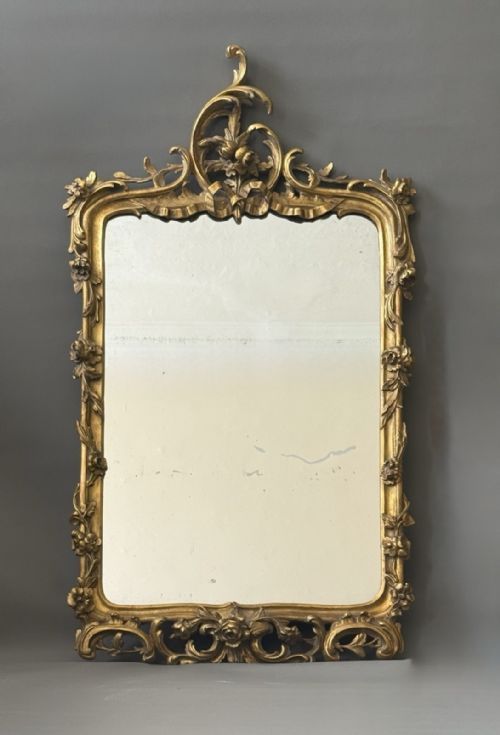
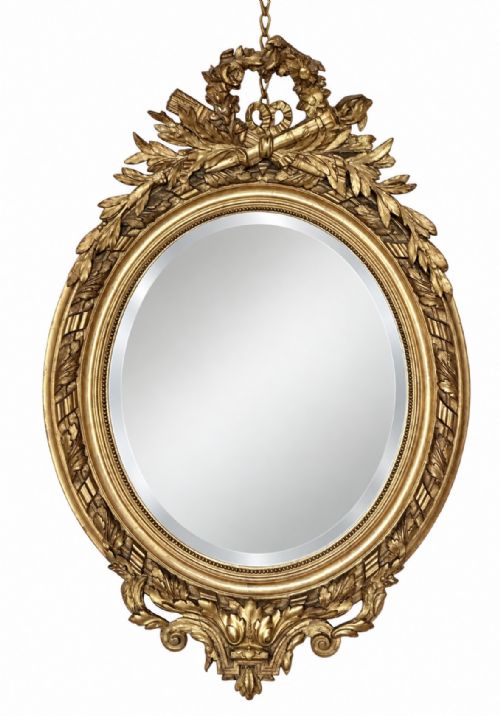
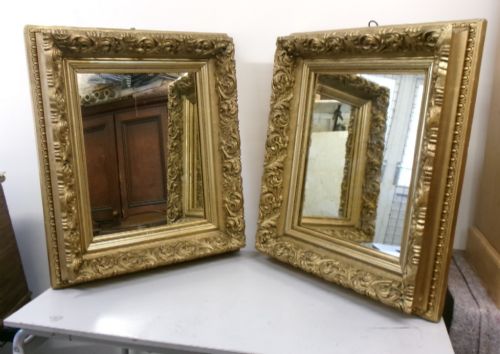

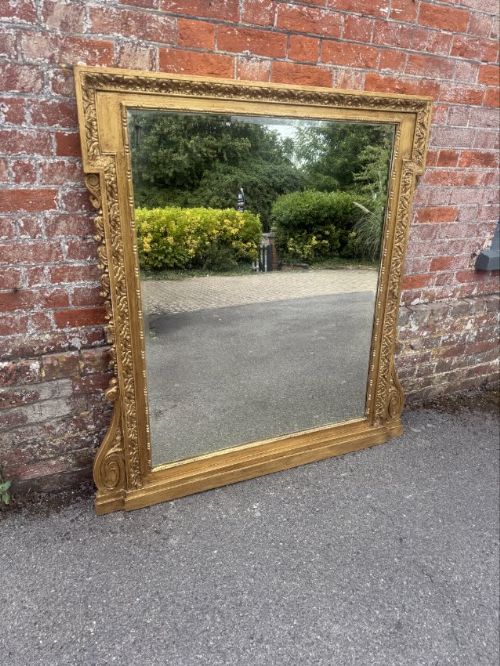
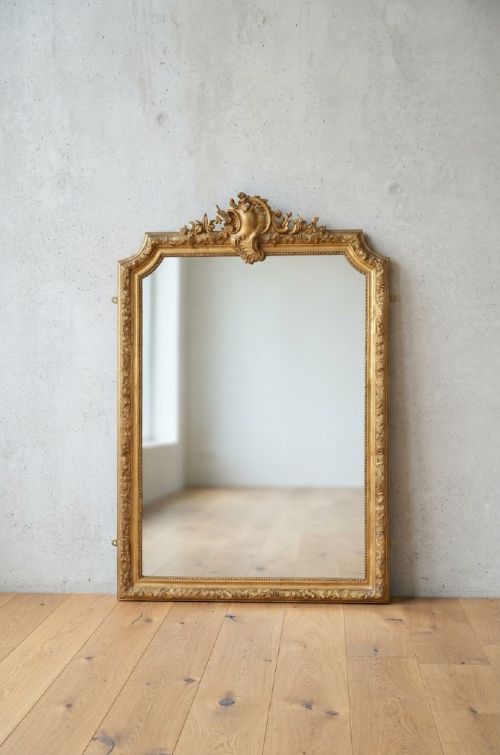
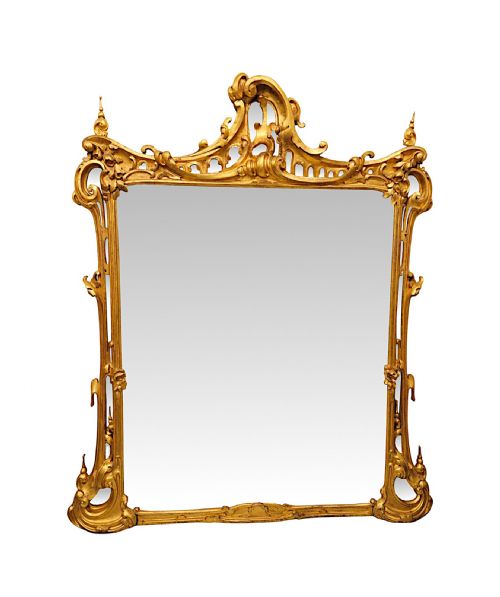
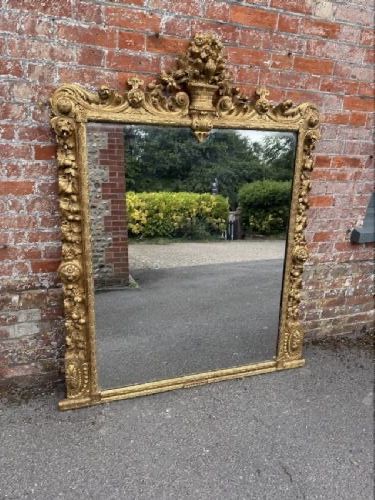
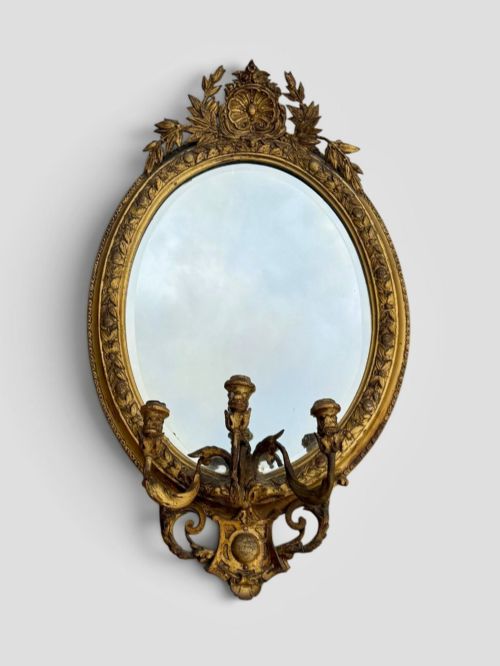
Ornate Carved Wood Mirror
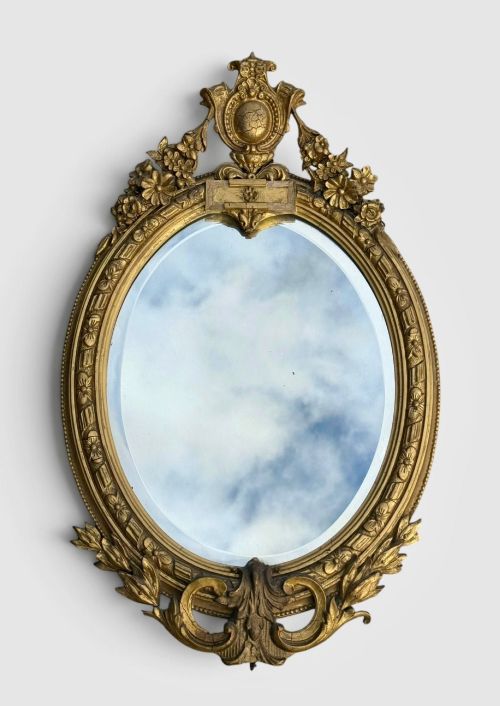
An ornate carved wood mirror brings depth and historic character to a room through elaborate frames and reflective glass.
Ornate Carved Wood Mirror
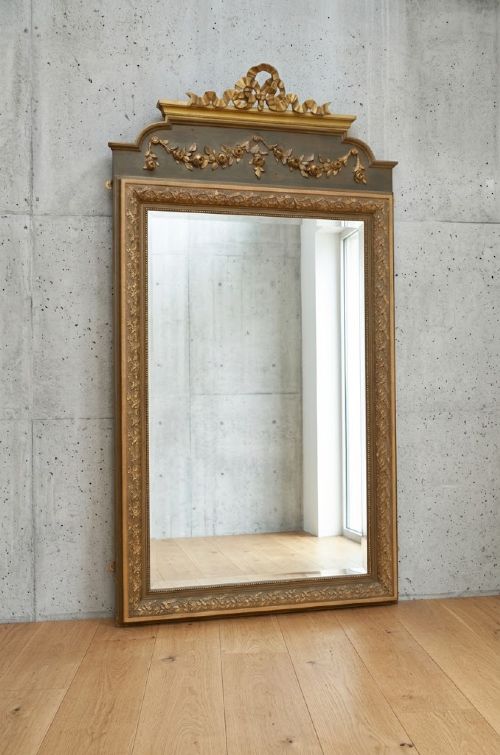
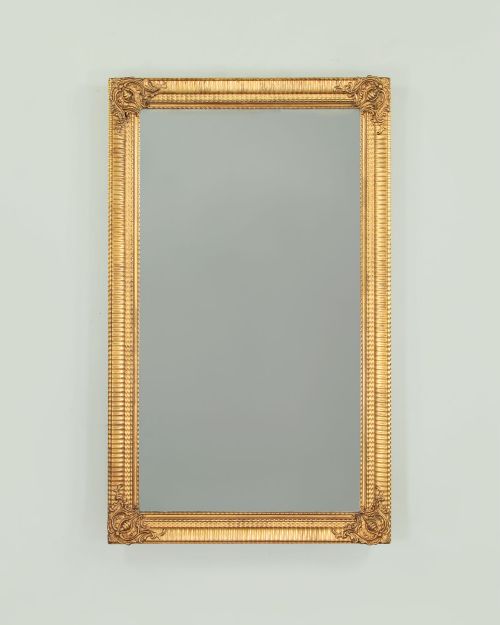
An ornate carved wood mirror represents a diverse category of decorative wall hangings designed to catch light and ornament domestic interiors across centuries. Pieces meeting this description range from compact boudoir glasses to grand architectural overmantels.
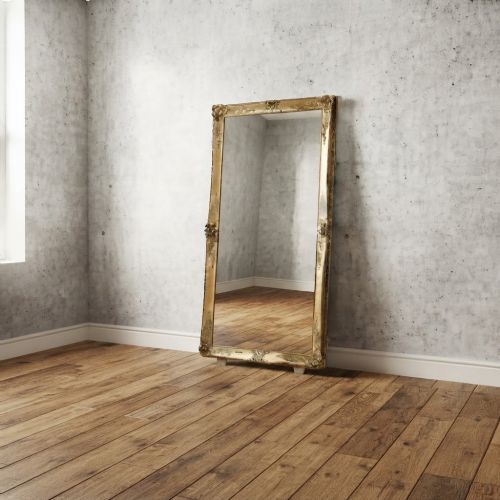
Most examples encountered here originate from the nineteenth century, drawing heavily on French and Italian design idioms. Makers produced these items in various formats including pier glasses, girandoles, and full-length leaner mirrors.
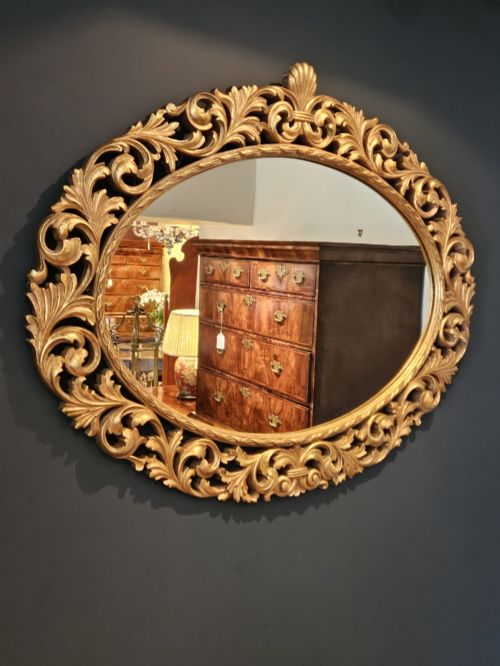
Stylistic influences span from Rococo Revival curves to classical Chinese Chippendale motifs. Walnut, oak, and pine serve as the primary timber substrates beneath decorative finishes.
How They Were Made
Craftsmen shaped solid timber substrates by hand before applying layers of gesso to build up intricate relief ornament. Artisans carved floral swags, scrolls, and crests directly into the wood or moulded them in composition material.
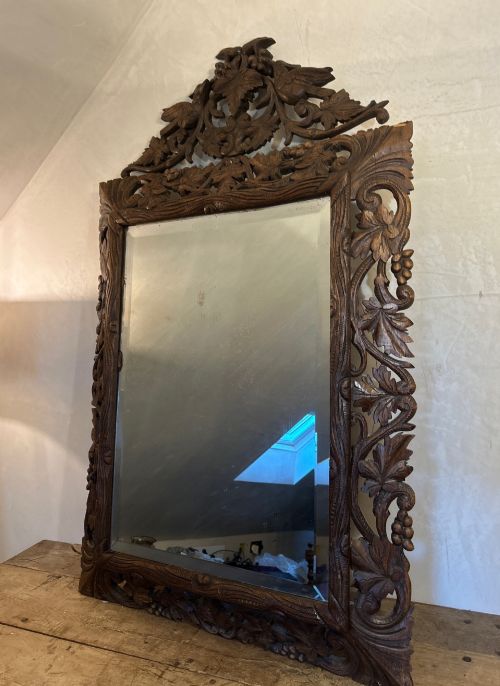
Water gilding or oil gilding techniques applied thin sheets of gold leaf over a coloured bole base, creating a luminous metallic surface. Alternatively, surfaces received paint finishes or remained as exposed carved oak and timber.
Watch for whimsical marine motifs, including hand-carved wooden fish hiding within nineteenth-century French mirror frames.
What Varies In Quality
Depth and crispness of the carving distinguish superior frames from mass-produced commercial alternatives. Hand-carved wooden details exhibit sharp undercut leaves and distinct tool marks, whereas lesser items rely heavily on moulded composition.
Originality of the silvered glass plate and the retention of primary gilding determine the historic integrity of an object. Intact early mirror plates show subtle oxidation patterns and minor distortions unique to historical manufacture.
Waring & Gillows
The Ornate Carved Wood Mirror Glossary
- Gesso
- A mixture of gypsum and glue applied to wood frames to create a smooth base for gilding or painting. This material allowed artisans to model crisp ornamental relief details.
- Overmantel Mirror
- A large mirror specifically designed to hang above a fireplace mantelpiece. These pieces often feature wide horizontal proportions and ornate crests.
- Girandole
- A decorative wall mirror fitted with attached candle sconces to reflect flickering light into the room. They frequently incorporate highly elaborate gilded frames.
- Pier Glass
- A tall, narrow mirror made to hang on the wall space between windows. They visually expand interior spaces and reflect natural light.
- Composition
- A moulded mixture of whiting, resin, linseed oil and glue pressed into decorative shapes. Makers used this material to replicate complex carved ornamentation quickly.
Ornate Carved Wood Mirror: Frequently Asked Questions
How do I hang a heavy overmantel mirror?
Heavy antique mirrors require secure wall fixings anchored directly into structural studs or masonry. Professional mirror brackets distribute the substantial weight safely along the lower and upper frame.
Position the glass at a height that complements the surrounding furniture scale. Ensure the hanging wire or integrated D-rings match the total mass of the timber and glass.
Are antique mirror plates usually original?
Many nineteenth-century frames retain their original mercury or silvered glass plates, though some sustained damage over time. Original plates display characteristic foxing, minor speckling, and soft reflections.
Replacement glass often appears unusually clear and flat compared to historical examples. Examining the silver backing through the backboards reveals the age of the glass.
How should I clean a gilded wooden frame?
Dust giltwood frames gently using a dry, soft artist brush or ostrich feather duster. Avoid moisture, commercial cleaning sprays, and abrasive cloths which strip delicate gold leaf.
Stable dirt can sometimes be lifted with minimal pressure using a dry natural sponge. Professional conservators should address flaking gesso or damaged gilding.
What is the difference between gesso and carved wood?
Carved wood involves cutting directly into solid timber to create three-dimensional decorative motifs. Gesso acts as a plaster-like surface coating applied over the wood base to smooth imperfections.
Intricate raised ornaments on Victorian frames often combine carved wooden foundations with moulded gesso details. Close inspection under magnification reveals whether fine details are wood or composition paste.