
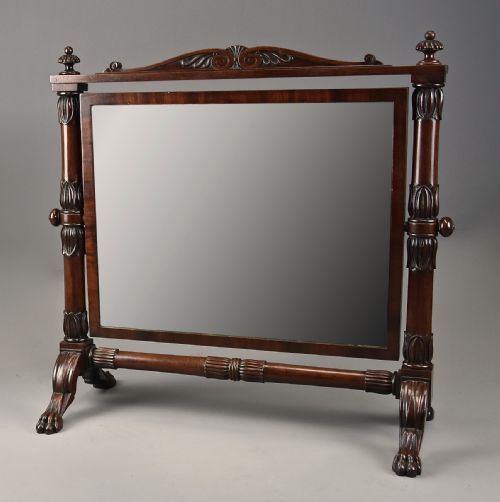
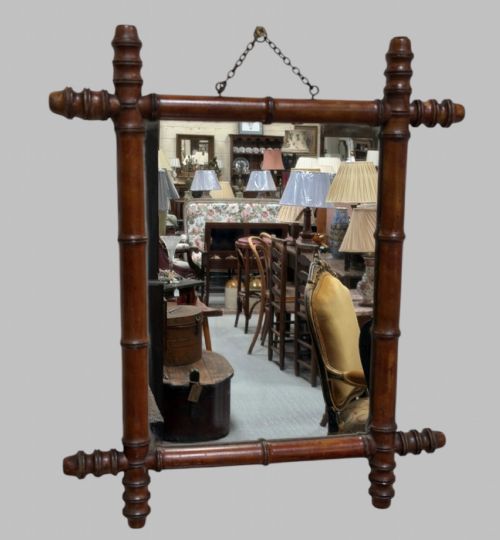
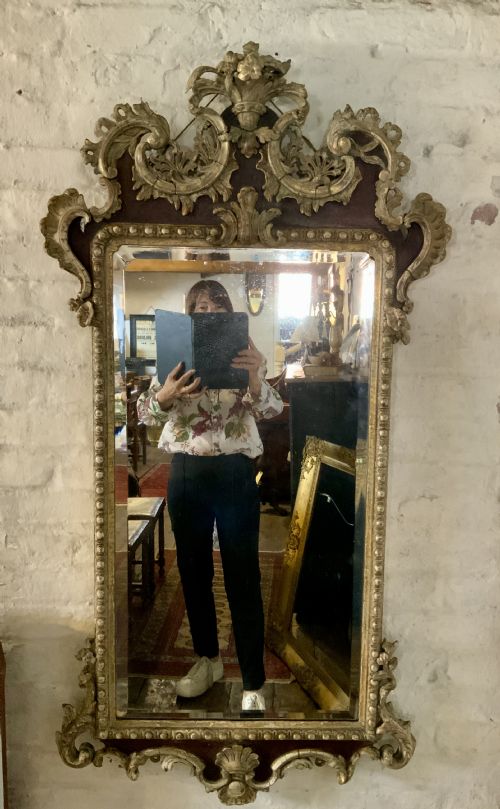
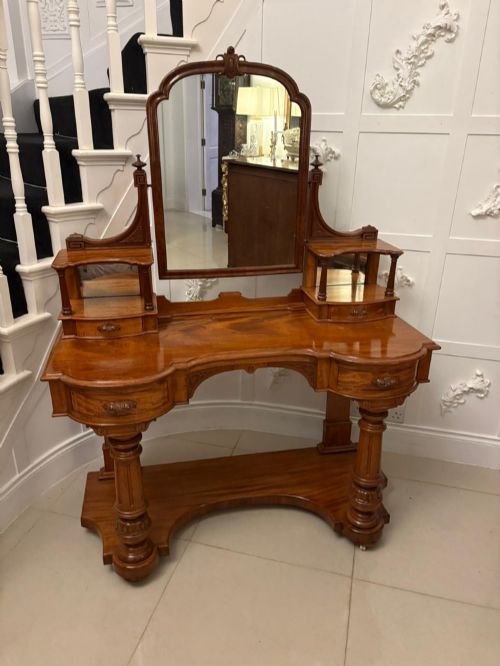
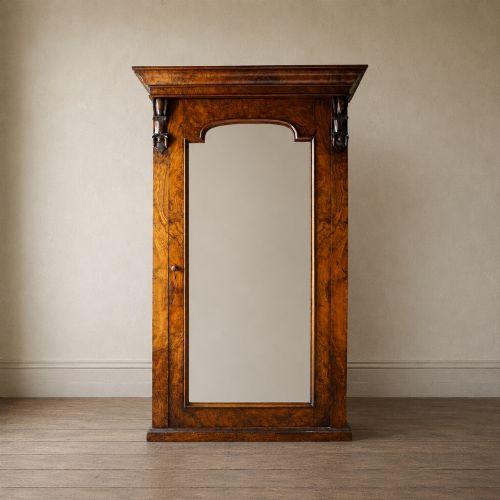
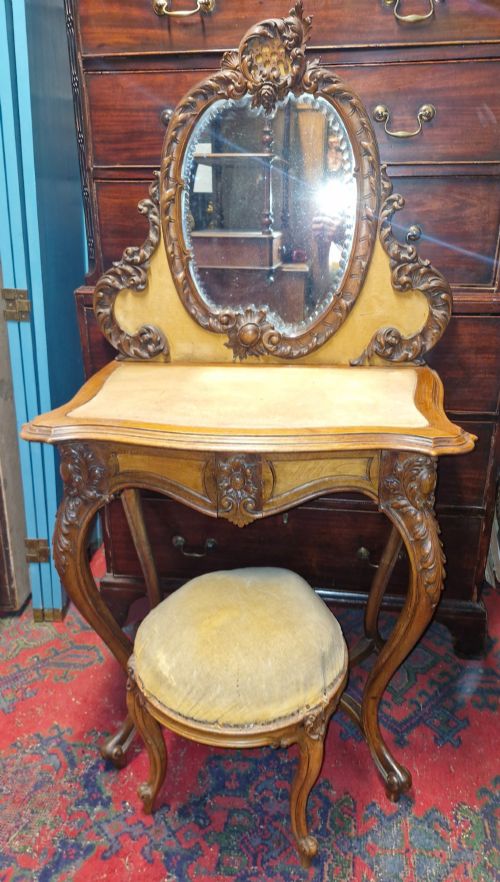
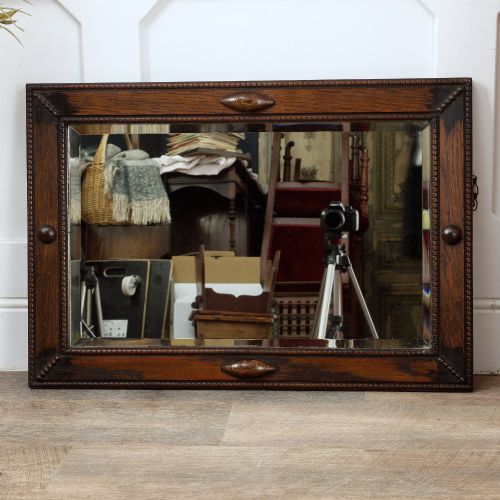
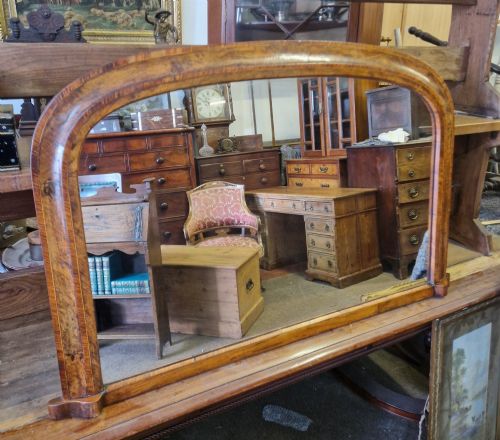
Brown Wood Carved Mirror
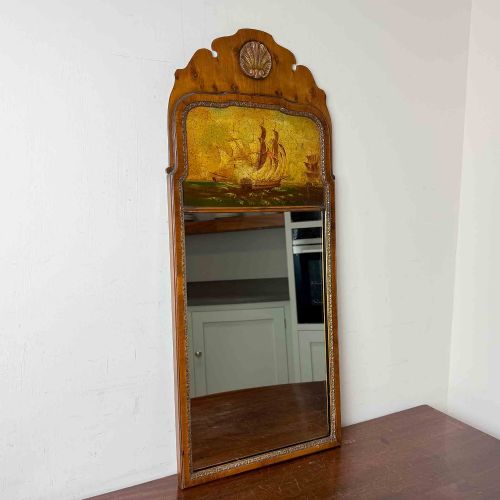
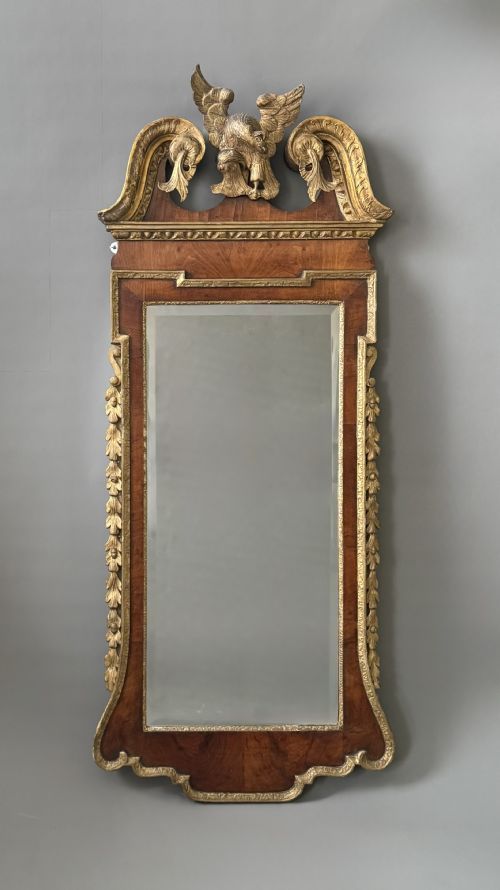
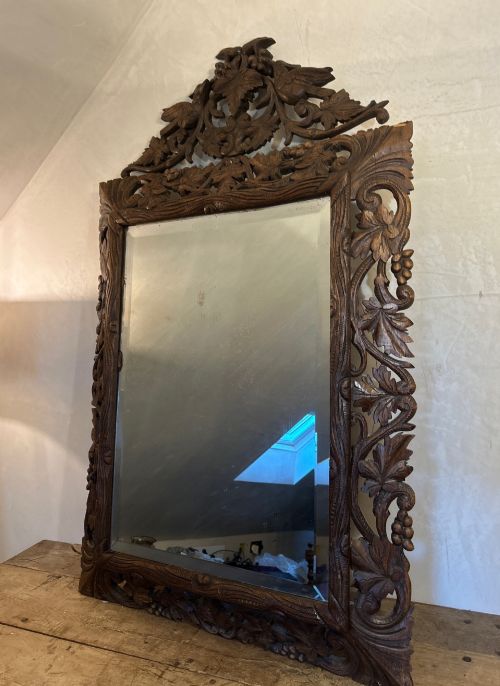
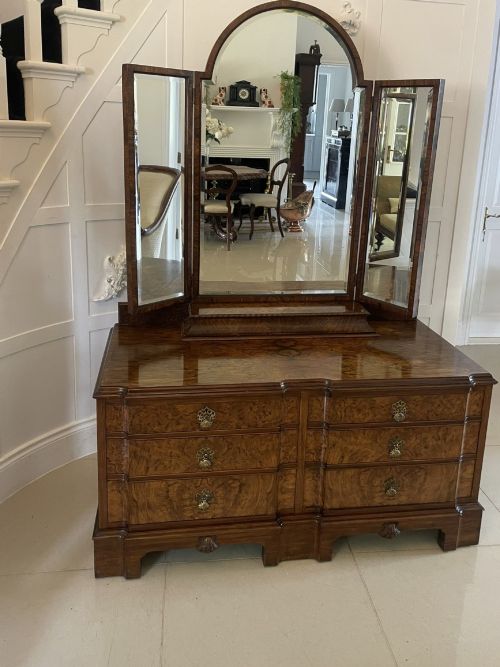
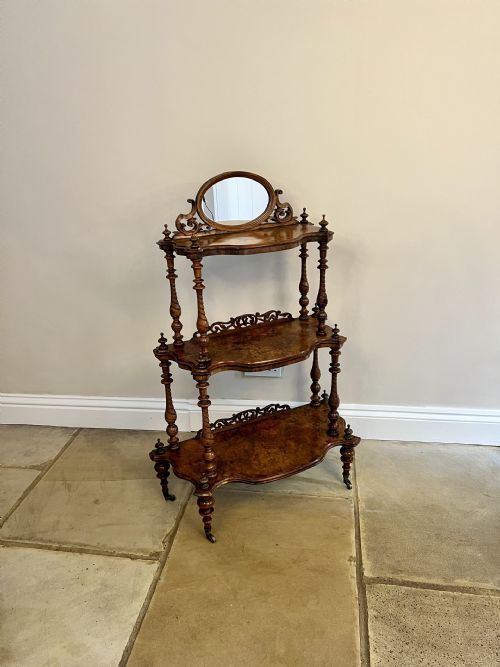
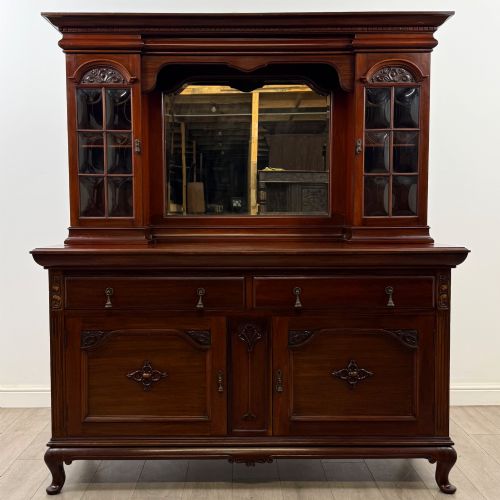
A brown wood carved mirror brings warmth and depth to a room through rich timber frames and intricate hand-worked detail.
Brown Wood Carved Mirror
The selection ranges from Georgian mahogany and walnut wall mirrors to ornate Victorian and Edwardian examples featuring deep relief work. You will also find specialised regional items such as Black Forest lime wood pieces, Moorish style frames, and cork tramp art constructions.
Many of these mirrors serve functional roles above fireplaces, on dressing tables, or as hanging wall decor. Their forms reflect the dominant decorative revivals and cabinet-making styles of their respective eras, from Queen Anne to Arts and Crafts.
Materials and construction methods
Makers utilised dense native and exotic hardwoods such as mahogany, walnut, burr walnut, oak, and yew to construct sturdy frames capable of supporting heavy glass. Lime wood and fruitwoods frequently served for intricate carved elements due to their fine grain and responsiveness to chisels.
Joinery techniques involved traditional mortise and tenon frames, fretsawn silhouettes, and applied mouldings, occasionally enhanced with parcel gilding or inlay. Carving was executed entirely by hand, resulting in distinct tool marks and varied relief depths across foliage, scrolls, and figurative motifs.
Listings feature timbers including mahogany, walnut, burr walnut, oak, yew, and lime wood across periods spanning from the eighteenth century to the early twentieth century.
Evaluating craftsmanship and condition
Quality in a carved wooden frame rests upon the crispness and depth of the hand-carved detail rather than mere surface decoration. Superior examples display sharp undercut foliage and balanced proportions where the joinery remains tight and stable.
The selection of timber significantly affects the visual merit of the piece, with figured grains like burr walnut or Cuban mahogany indicating higher status commissions. Original mirror glass, retaining its authentic foxing and silvering, adds considerably to the integrity of the antique.
P & MA Nicholson·Waring & Gillows·Liberty & Co
The Brown Wood Carved Mirror Glossary
- Overmantel mirror
- A large mirror designed specifically to be hung on the wall directly above a fireplace mantelpiece. These frames often mirror the architectural proportions of the hearth below.
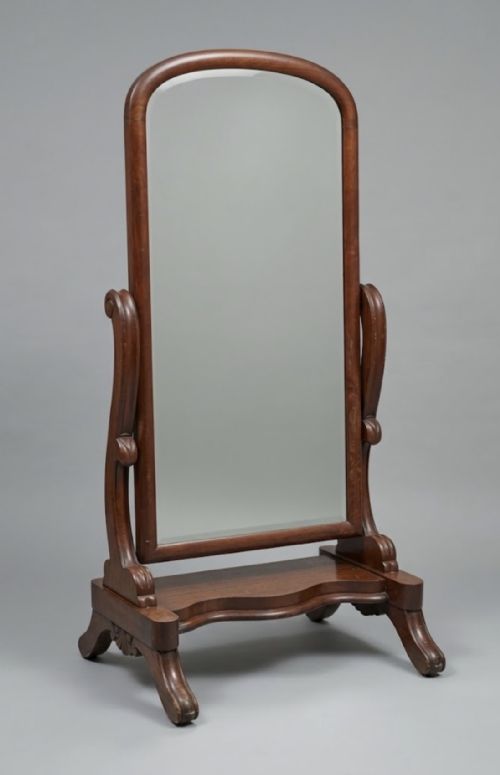
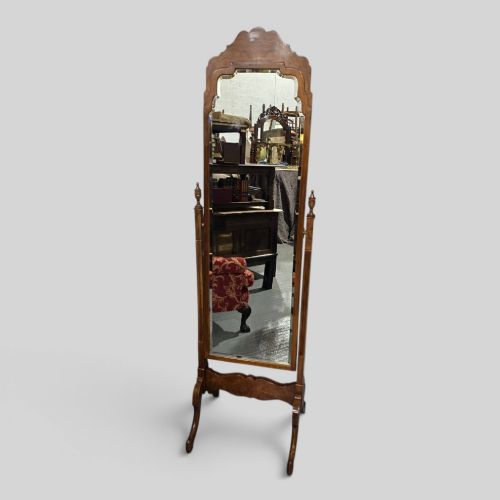
- Cheval mirror
- A full-length floor-standing mirror suspended in a swivelling frame between two upright posts. This form gained popularity for dressing rooms during the Georgian and Victorian eras.
- Parcel gilt
- A decorative technique where specific raised carved areas of a wooden frame receive a thin application of gold leaf while the rest of the timber remains exposed. This creates a striking contrast against dark brown woods.
- Fretwork
- Thin wood shaped and patterned using a fretsaw to create intricate geometric or scrollwork designs, commonly seen on flat-surfaced eighteenth and nineteenth-century mirror frames.
- Burr walnut
- Timber taken from the gnarled growth or root of a walnut tree, highly prized by cabinet-makers for its swirling, highly figured grain patterns.
Brown Wood Carved Mirror: Frequently Asked Questions
What is the difference between an overmantel and a wall mirror?
Overmantel mirrors are traditionally wider than they are tall, engineered specifically to span the horizontal space above a fireplace opening. Standard wall mirrors typically feature vertical orientations suitable for general room placement.
While both share carved wooden constructions, overmantels often incorporate heavier architectural mouldings to anchor them visually within a reception room.
How should I clean carved wooden frames?
Dust intricate hand-carved details regularly using a soft-bristled artist's brush or a dry microfibre cloth to prevent dirt accumulation in the recesses. Avoid chemical sprays or wet polishes that can seep into unsealed wood and damage aged finishes.
Applying a microcrystalline wax occasionally helps nourish the timber and preserves the natural sheen of mahogany or walnut without building up sticky residue.
Are antique mirrors supplied with original glass?
Many older pieces retain their original mercury or early silvered glass, which often displays charming imperfections, light oxidation, and tiny dark spots known as foxing. These age marks serve as key indicators of authenticity and historical depth.
Replacement glass does appear in some pieces where the original suffered breakage over centuries of use, which does not diminish the decorative value of the carved frame itself.