



Antique Oak Vanity Mirror
These pieces give a dressing space an honest focal point, bringing solidity and warm grain to a bedroom.
Antique Oak Vanity Mirror
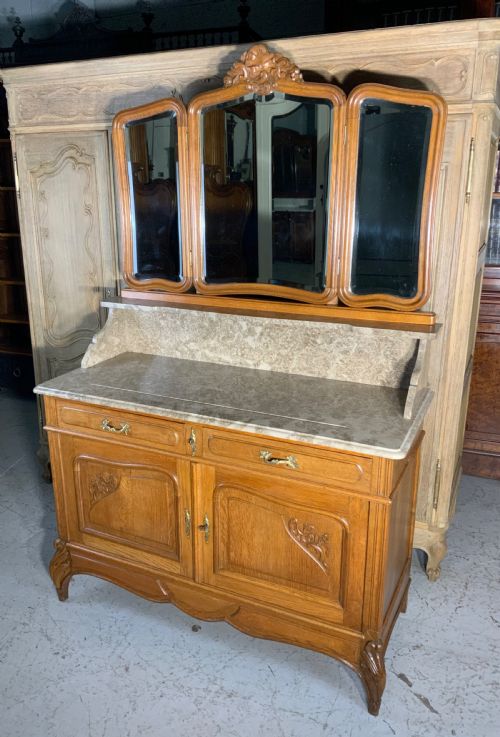
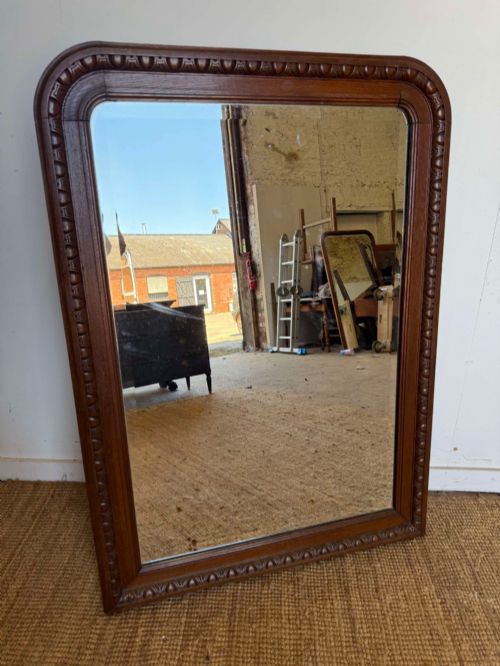
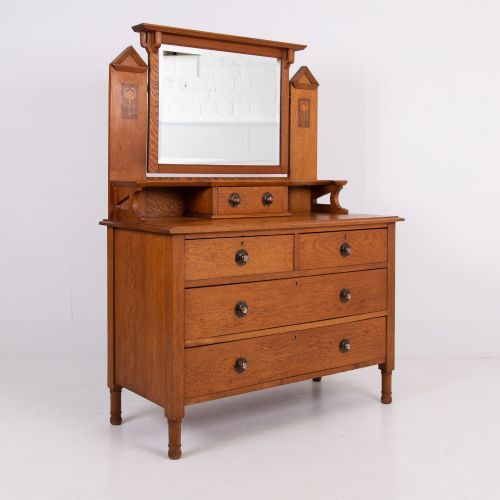
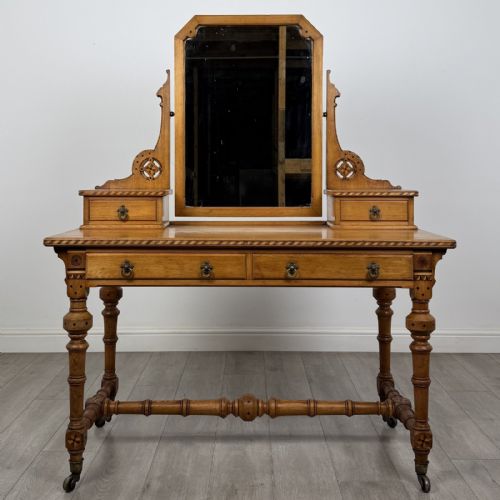
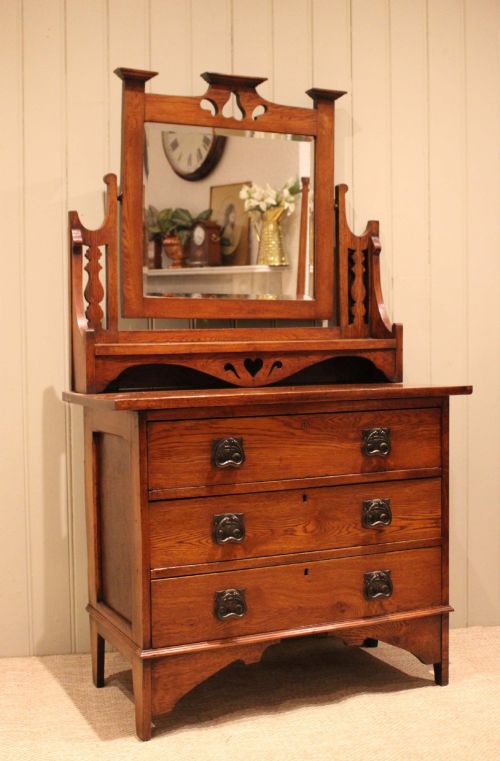
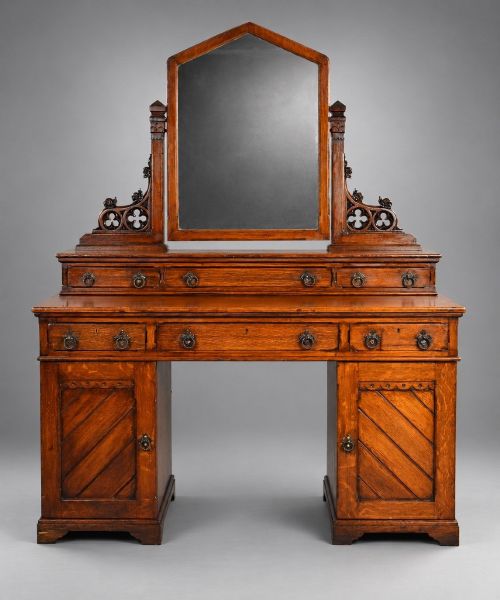
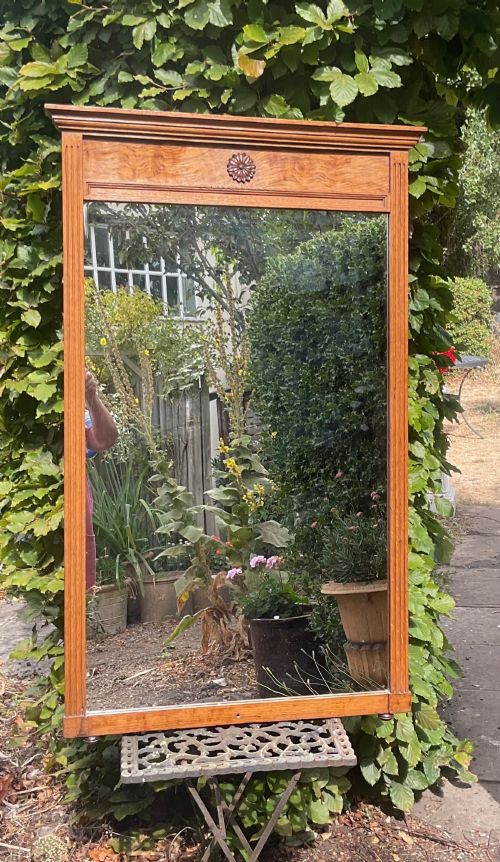
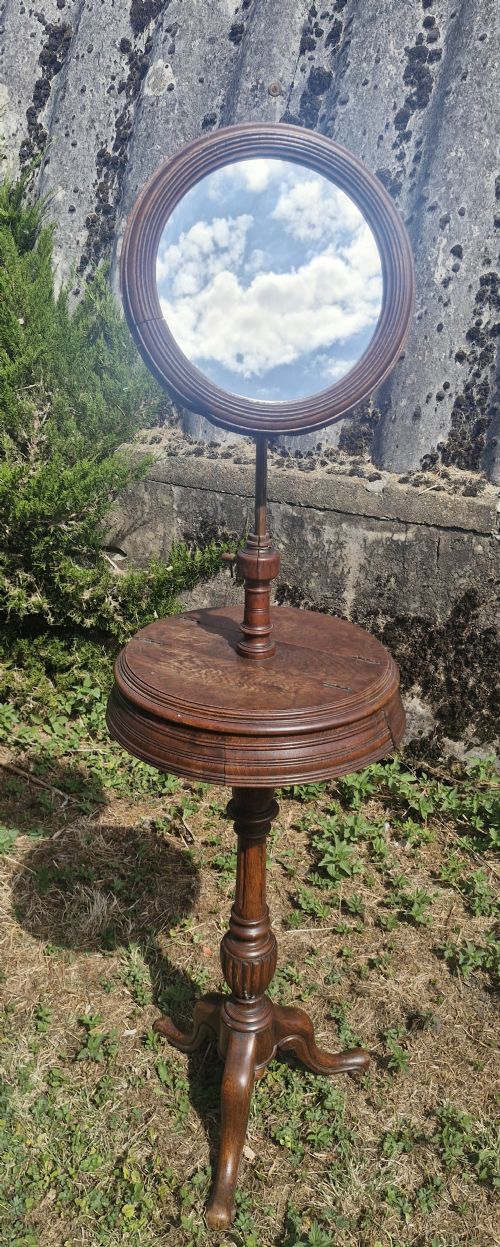
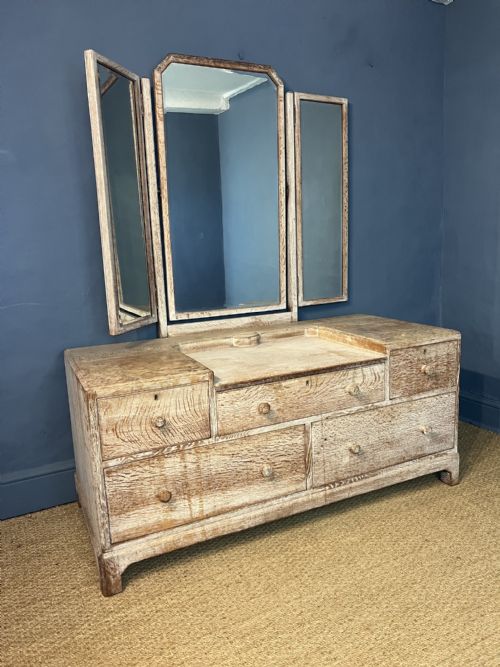
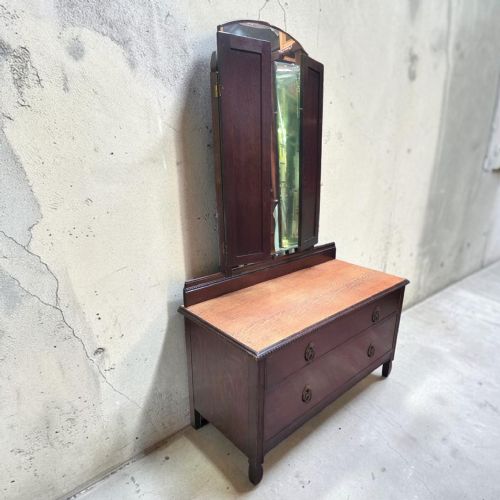
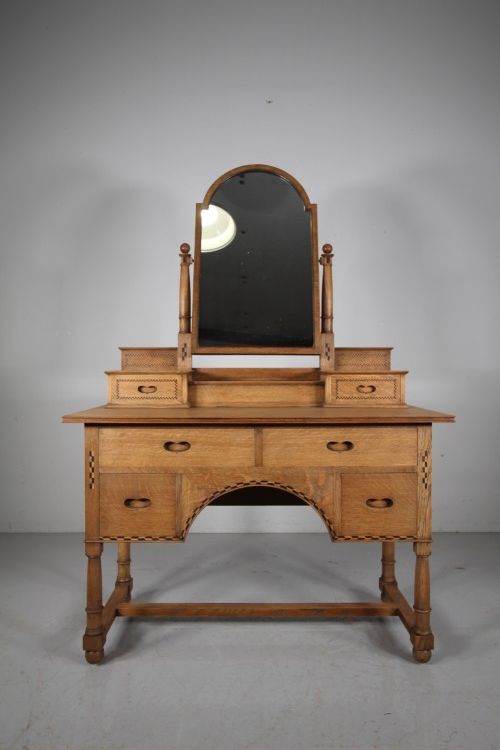
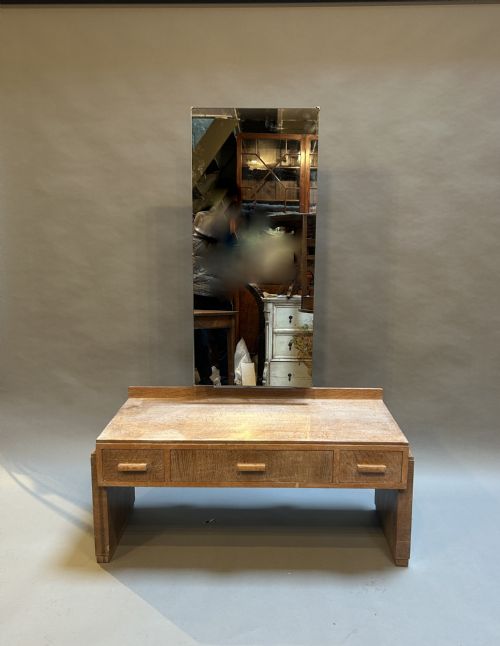
An antique oak vanity mirror provides a functional looking glass set within timber frames, often pivoting on upright supports or mounted to dressing chests. When you search for this phrase, you meet forms ranging from small Victorian swing glasses to substantial Edwardian dressing chest mirrors and Art Deco pieces.
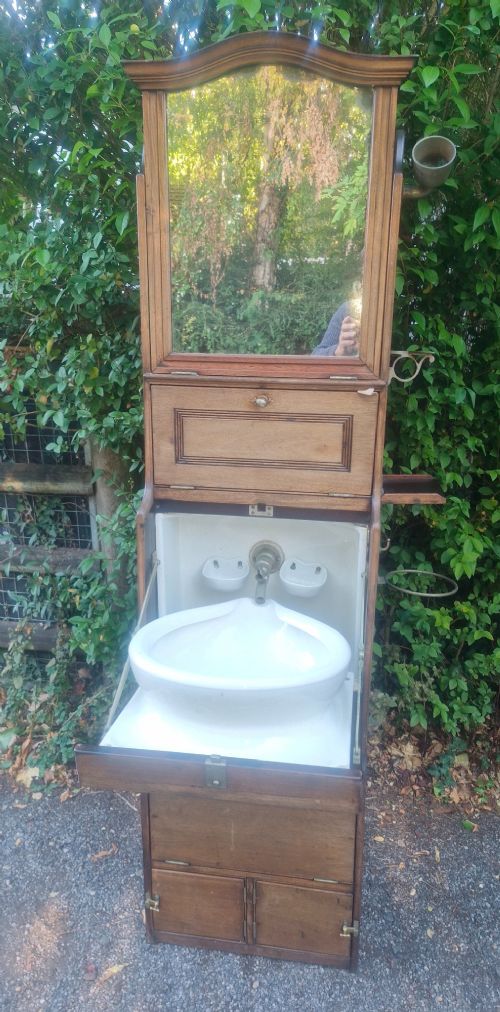
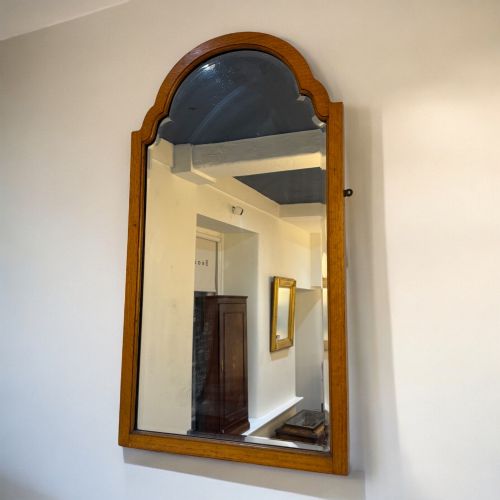
The selections span several decades, featuring pieces from the 1880s through to the 1930s. Alongside table versions, you encounter wall mirrors, shaving stands, and washstands that incorporate pivoting mirror plates into their design.
Makers and workshops of the Arts and Crafts and modernist movements utilised the natural grain of timber, producing clean lines or carved ornamentation. These objects served daily grooming routines in bedrooms, dressing rooms, and wash spaces.
Materials and construction
Joiners built these items primarily from solid oak, sometimes utilising blonde oak, limed oak, or marquetry and wood inlay for surface decoration. Brass fittings, metal brackets, and iron fixings provide the adjustable hinges and structural support for the glass plates.
Glass forms the reflective surface, occasionally held by carved frames or mounted above marble tops on washstands and dressing tables. Artisans employed carving, turning, and panelling techniques particular to styles like Arts and Crafts, Art Deco, and Rococo Revival.
Antique Oak Vanity Mirror Retail Price Guide 2026
Typical asking prices for oak vanity mirror among the pieces listed under this phrase on Sellingantiques today, from the lower quarter to the upper quarter. They describe what is for sale here now, not the wider market.
Some Victorian shaving stands feature hidden compartments once reserved for private soaps and brushes.
Distinctions in quality
Construction methods and timber selection set examples apart, with superior pieces showing precise joinery and well-figured grain. The integration of the mirror plate into the surrounding frame reflects the skill applied by the cabinetmaker.
Design ambition separates standard items from exceptional ones, particularly in works associated with known workshops or specific regional schools. Original hardware, intact backing boards, and balanced proportions contribute to a higher standard of manufacture.
Heals·Shapland and Petter·George Walton·Harris Lebus·James Shoolbred·Wright and Hunter·Arnott and Co·B Cohen and Sons
The Antique Oak Vanity Mirror Glossary
- Swing mirror
- A looking glass mounted on pivots between two upright posts, allowing the plate to tilt. This mechanism permits the user to adjust the angle during grooming.
- Limed oak
- Timber treated with a white-tinted finish that settles into the grain pores. This technique gained popularity during the twentieth century, particularly within modernist designs.
- Shaving stand
- A specialised piece incorporating a mirror, often adjustable, alongside surfaces for washing or shaving implements. These items typically date from the Victorian and Edwardian eras.
- Marquetry
- Decorative patterns formed by fitting small pieces of veneer into a backing material. Artisans utilised contrasting woods to create geometric or floral motifs on surfaces.
- Arts and Crafts
- A design movement emphasising handcraftsmanship, simple forms, and natural materials. Pieces from this tradition often display exposed joinery and carved details.
Antique Oak Vanity Mirror: Frequently Asked Questions
How do I date an oak vanity mirror?
Examine the construction details, hardware types, and overall style to establish a period. Pieces from the nineteenth century often display hand-cut joinery and heavier proportions, while 1930s examples lean towards clean lines or limed finishes.
Look for maker labels or stamps on the timber backing. Comparing the decorative motifs, such as Arts and Crafts carvings or Art Deco geometry, helps narrow down the decade of production.
Where were these mirrors used?
These items occupied bedrooms, dressing rooms, and boudoirs for personal grooming and daily hygiene. Many stood upon dressing chests, washstands, or dedicated tables.
Some versions functioned in shaving stands or bathroom spaces alongside washbasins. Their portable nature allowed placement wherever natural light was best.
How do I clean an antique oak frame?
Dust the timber regularly with a soft, dry cloth to prevent dirt buildup in the grain. Avoid modern chemical polishes that leave residue and build up over time.
Apply a traditional beeswax occasionally to nourish the oak surface. Buff gently to maintain a soft sheen without stripping the aged patina.
Can I replace the glass mirror plate?
Original mirror plates frequently show foxing, silver loss, or darkening due to age. Many collectors prefer retaining original glass for authenticity, accepting age spots as part of the history.
If replacement is necessary for daily use, consult a specialist to fit glass that respects the original rebate and backing. Ensure the new plate matches the thickness and bevel of the historic specification.