




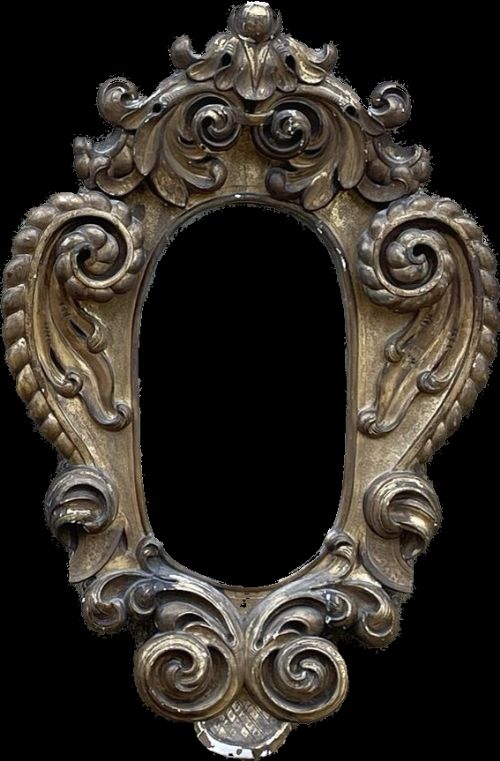


Baroque Carved Wooden Mirror
These pieces of baroque carved wooden mirror bring dramatic presence to a room through deep relief carving and gilded surfaces.
Baroque Carved Wooden Mirror
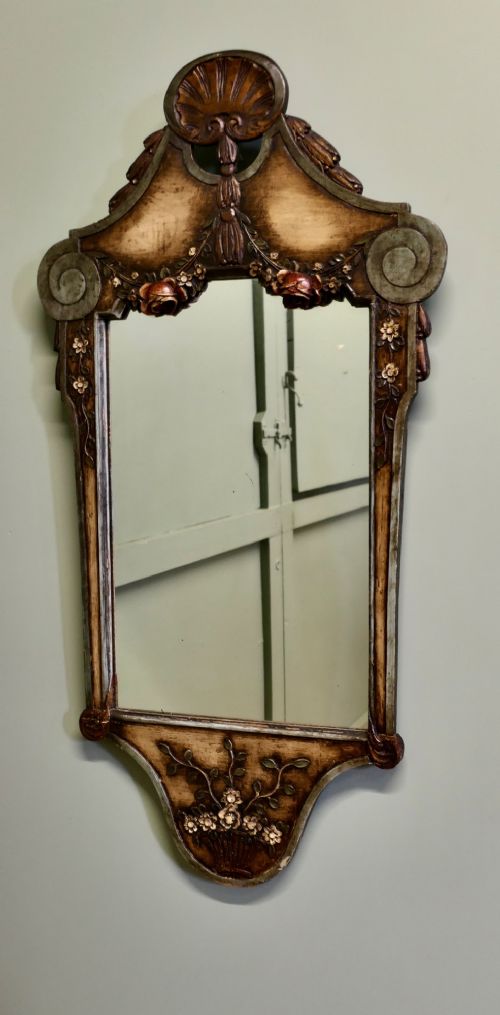
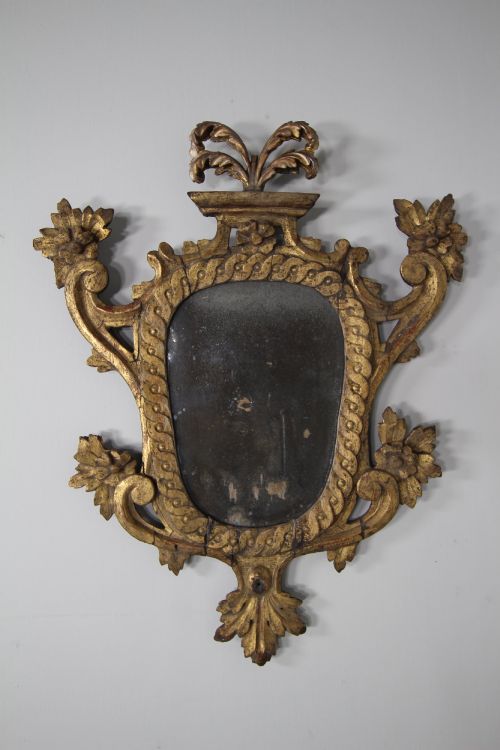
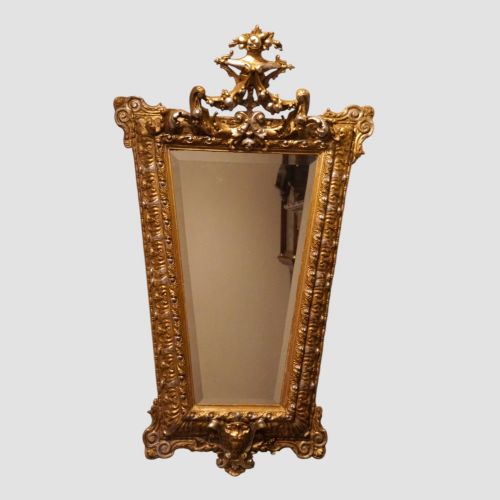
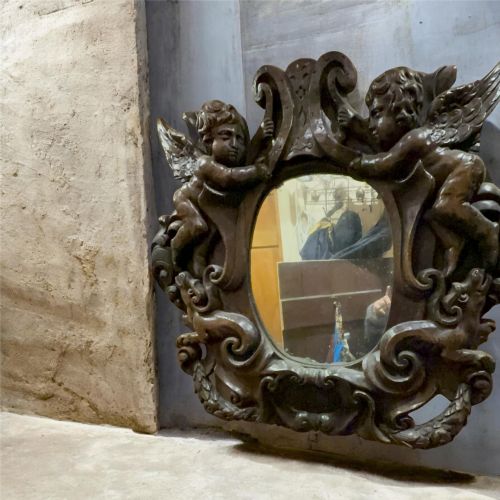
A baroque carved wooden mirror brings heavy sculptural presence and architectural detail to an interior. The selection includes wall mirrors, picture frames, and table mirrors spanning several centuries from the seventeenth to the early twentieth century. Italian examples frequently appear alongside Dutch and French pieces.
Buyers encounter diverse regional interpretations, from grand Italian giltwood frames to restrained seventeenth-century oak pieces. The physical form ranges from trapezoidal and oval wall formats to rectangular wall mirrors and hand-held devotional objects such as reliquary mirrors.
Materials and construction
Makers shaped structural elements from native and imported timbers including oak, pine, limewood, and general carved wood. Artisans then applied layers of gesso to the carved wooden foundation to create a smooth preparatory ground for subsequent gilding.
Surfaces received finishes of gold leaf, silver leaf, or hand-painted details. Reflective elements consist of traditional mirror glass fitted into custom rebates behind the carved wooden surrounds.
Baroque Carved Wooden Mirror Retail Price Guide 2026
Typical asking prices for baroque carved wooden mirror among the pieces listed under this phrase on Sellingantiques today, from the lower quarter to the upper quarter. They describe what is for sale here now, not the wider market.
A flaming heart carved into a sacred reliquary mirror reminds us that eighteenth-century owners looked into glass for spiritual as well as vain reasons.
Assessing quality
The depth and crispness of the hand carving distinguish finer examples from simpler production. Skilled execution in the foliage, scrolls, and asymmetrical motifs reveals the hand of a master carver rather than mechanical replication.
The integrity of the original gilt or silver-leaf surface against later overpainting dictates the historical value. Preservation of the primary gesso layer beneath the metal leaf maintains the tactile warmth expected in period work.
The Baroque Carved Wooden Mirror Glossary
- Giltwood
- Wood that has been coated with gold leaf over a prepared gesso ground. This finish provides a reflective, opulent surface characteristic of formal interiors.
- Gesso
- A plaster mixture applied to wood to create a smooth surface for gilding or painting. It fills grain and allows for sharp, crisp carved details.
- Reliquary
- A container or frame housing sacred relics, often taking devotional forms like a flaming heart. These pieces carry specific religious iconography.
- Pier glass
- A large mirror designed to hang on the wall between windows, often placed above a pier table. They frequently incorporate decorative hand-painted elements.
- Acanthus
- A classical leaf ornament used extensively in carved wooden decoration. The motif forms scrolling patterns across the wooden frames.
Baroque Carved Wooden Mirror: Frequently Asked Questions
How do I hang a heavy carved mirror?
These wooden frames require robust wall fixings secured directly into masonry or solid studs rather than standard plasterboard hooks. The weight of the timber and gesso demands professional hanging hardware.
Ensure the hanging wire or integrated brackets match the specific load requirements of the individual piece to prevent structural strain.
What periods do these mirrors represent?
The selection encompasses original seventeenth, eighteenth, and nineteenth-century pieces alongside later revival interpretations from the Victorian and Edwardian eras. Italian and Dutch workshops feature prominently across the timeline.
Stylistic shifts move from heavy seventeenth-century oak to exuberant eighteenth-century giltwood and nineteenth-century revival movements.
How do I clean a giltwood frame?
Dust surfaces gently using a soft, dry brush without applying moisture or chemical cleaning agents. Liquid cleaners strip historic gold leaf and soften underlying gesso.
Professional conservators should handle any extensive cleaning or consolidation of flaking gesso and leaf.
Are the mirror plates original?
Surviving glass plates frequently show age-related foxing, silver loss, or replacement over centuries of use. Some pieces retain their original mercury glass plates with characteristic irregularities.
Examining the rebate from the rear helps determine whether the glass contemporary to the frame.