



Vintage Oak Dressing Table
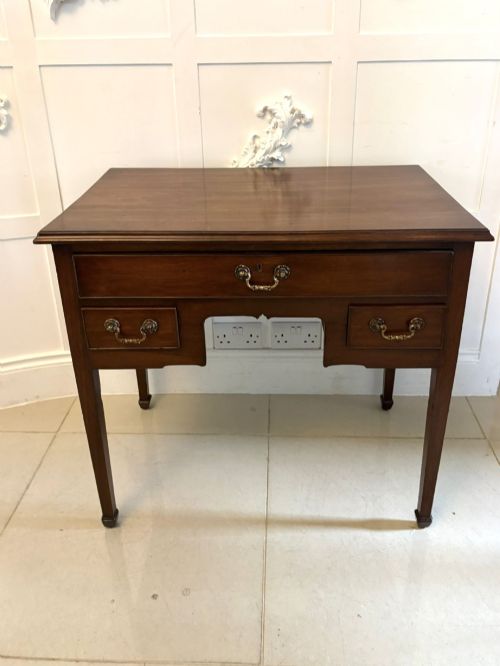
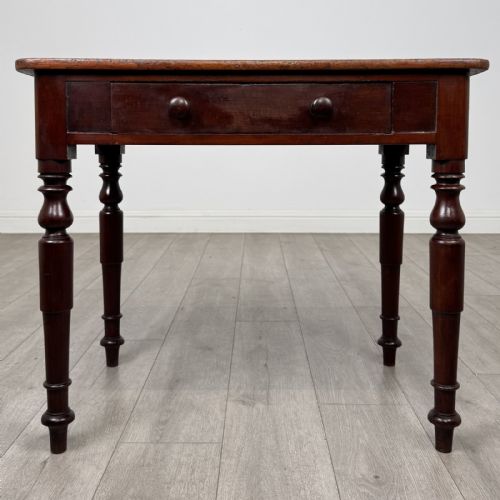
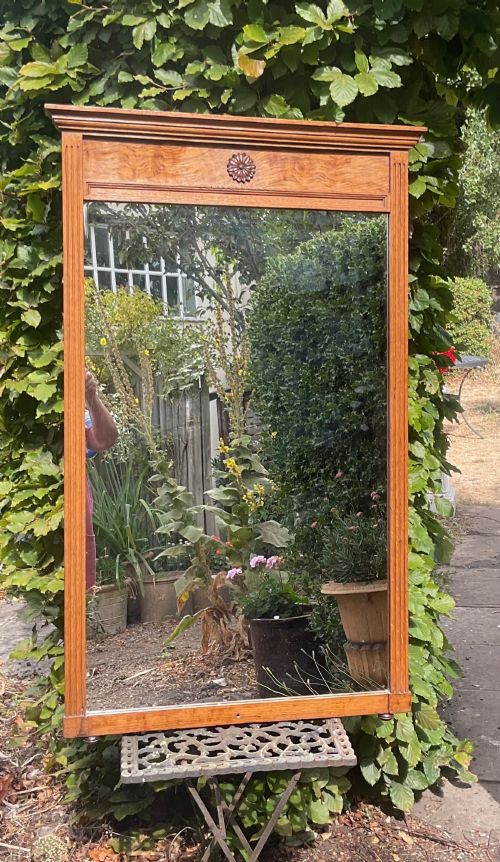
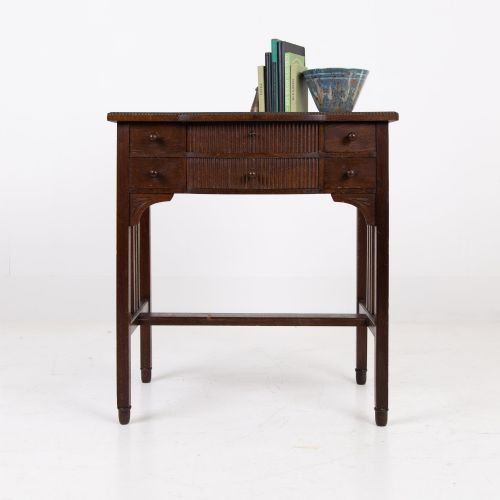
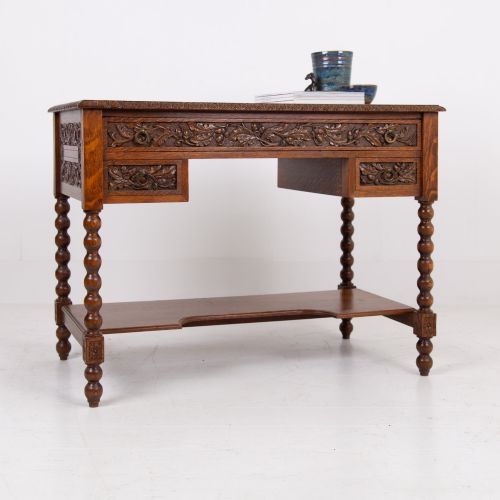
A vintage oak dressing table brings honest grain and sturdy utility to a bedroom, combining practical mirrors with generous timber drawers.
Vintage Oak Dressing Table
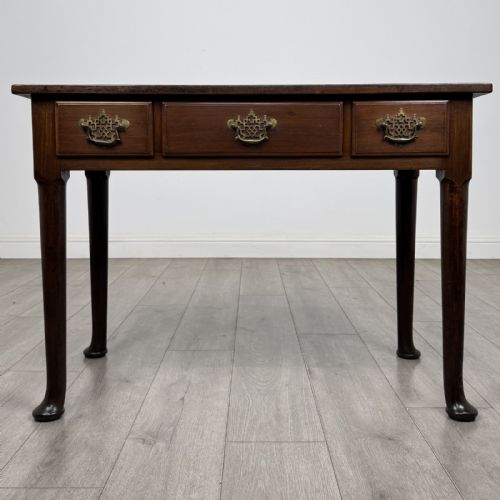
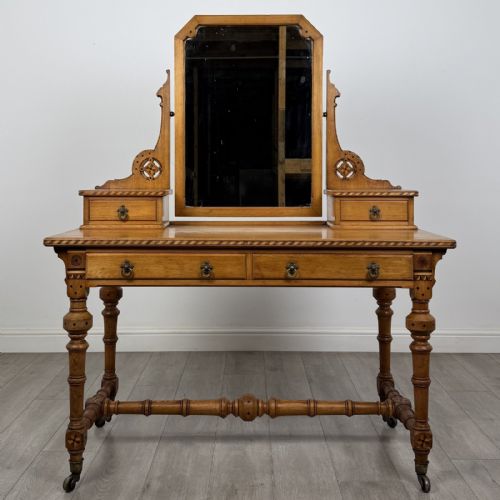
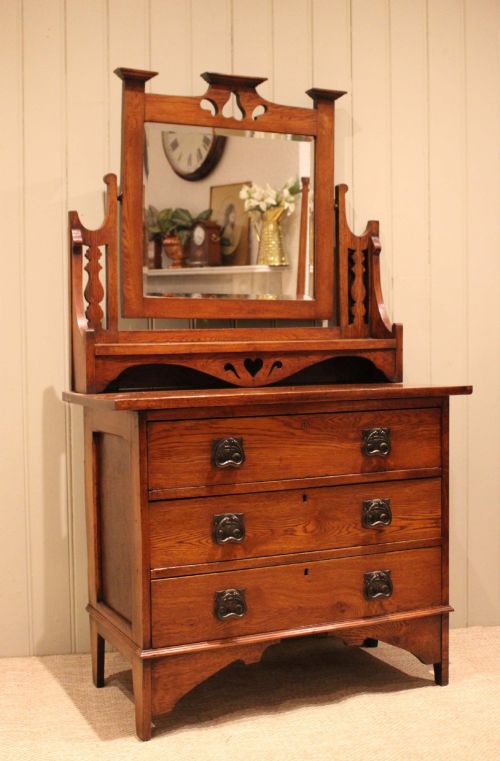
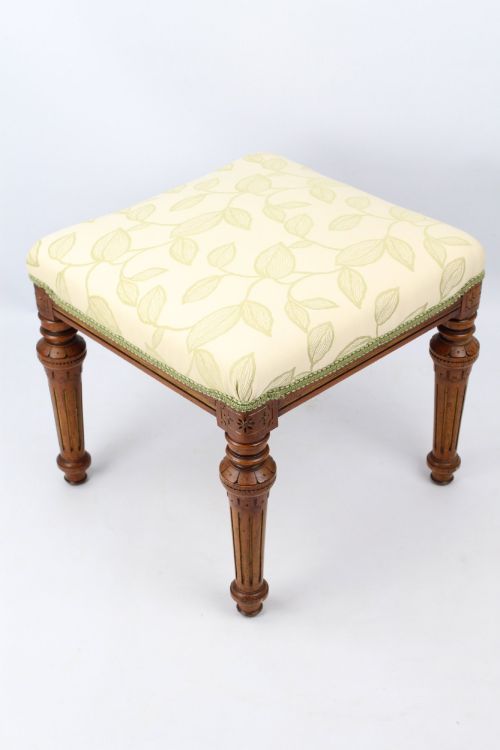
A vintage oak dressing table spans several distinct decades and design movements, appearing most frequently from the Edwardian era through to the Art Deco period. These pieces range from simple, compact chests with tilting mirrors to extensive bedroom suites accompanied by matching stools.
Makers and workshops utilised sturdy domestic timber to construct functional furniture that served the daily grooming rituals of the bedroom. Alongside traditional mirrors and drawer chests, related forms such as shaving stands and washstands share the same material palette.
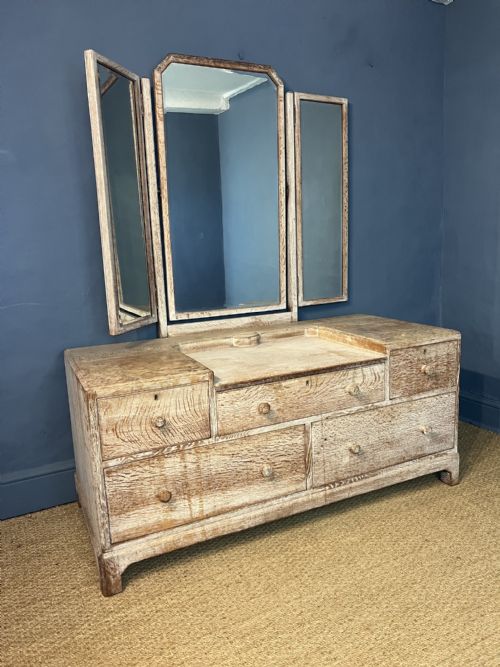
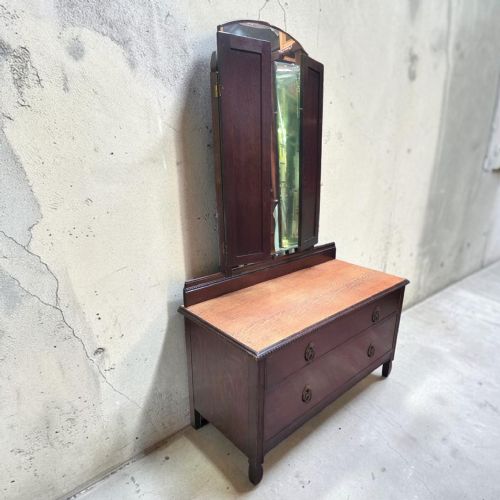
The aesthetic vocabulary stretches from robust Arts and Crafts designs with hand-carved details to streamlined Modernist shapes from the 1930s. Buyers encountering these pieces will find both honey-toned golden oak and limed surfaces that reflect changing interior tastes across the early twentieth century.
Materials and construction
Cabinet makers relied primarily on solid oak, selected for its durable grain and strength, often complemented by brass handles, glass mirrors, and occasional marble tops. The timber was worked using traditional joinery techniques, ensuring drawer frames and structural joints endured heavy daily use.
Surface treatments varied from polished golden finishes to specialised limed effects introduced during the interwar period. Decorative elements included carved panels, geometric mouldings, and adjustable mirror fixings forged from iron or brass.
Vintage Oak Dressing Table Retail Price Guide 2026
Typical asking prices for vintage oak dressing table among the pieces listed under this phrase on Sellingantiques today, from the lower quarter to the upper quarter. They describe what is for sale here now, not the wider market.
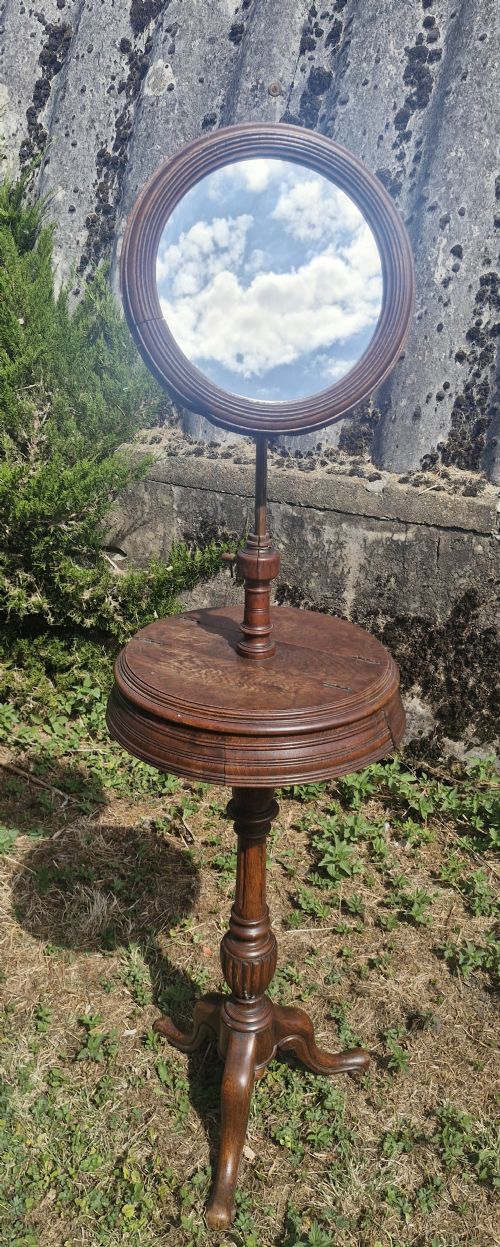
Some Edwardian gentlemen managed their morning routines with adjustable shaving stands equipped with clever tilting mirrors.
Assessing craftsmanship
Superior examples distinguish themselves through thoughtful proportion, clean timber selection, and integrated hardware rather than applied ornamentation. Maker stamps, labels, or attribution to notable workshops elevate a piece from standard domestic utility to high-end design.
The refinement of the timber preparation and the precision of drawer construction dictate the overall calibre. Pieces displaying original glass, intact brass fittings, and cohesive styling across associated suites retain greater integrity.
Heals·Shapland and Petter·James Shoolbred·Jenners
The Vintage Oak Dressing Table Glossary
- Limed oak
- Timber treated with a specialised pigment to create a pale, pickled finish popular during the early twentieth century. This technique highlights the open grain of the wood.
- Dressing chest
- A lower chest of drawers fitted with an attached mirror, designed specifically for grooming and bedroom storage. Many surviving examples feature adjustable mirror plates.
- Arts and Crafts
- A design movement emphasising handcraftsmanship, simple structural forms, and natural materials without excessive ornamentation. Pieces from this tradition often display honest joinery.
- Shaving stand
- A specialised tall table or cabinet incorporating an adjustable mirror and small surfaces for grooming equipment. These pieces date predominantly to the Victorian and Edwardian eras.
- Console table
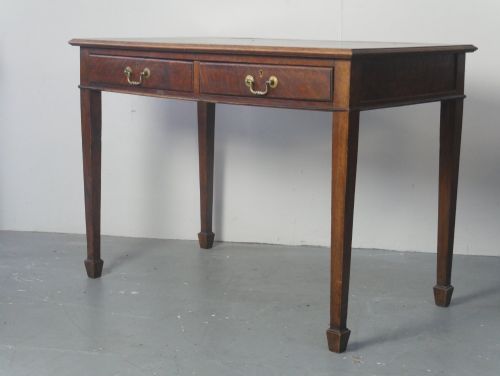
- A wall-mounted or freestanding side table designed for hallways and living spaces, occasionally adapted for bedroom use. They typically feature narrow proportions and slender legs.
Vintage Oak Dressing Table: Frequently Asked Questions
How do I date a vintage oak dressing table?
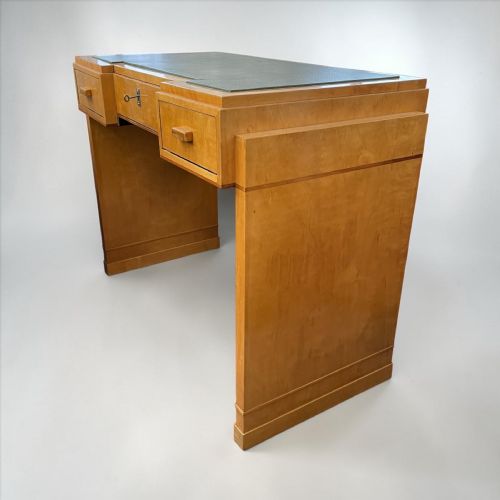
Dating relies on stylistic clues, construction methods, and hardware choices. Edwardian pieces often feature bevelled mirrors and brass drop handles, while 1930s examples lean towards geometric veneers and clean-lined Art Deco forms.
Examining the drawer linings and backboards provides further evidence of the period, as machine-sawn timber gradually replaced hand-planed boards across the early twentieth century.
Were these tables part of matching bedroom sets?
Many dressing chests and tables were manufactured as part of larger suites that included wardrobes, washstands, and matching chairs or stools. These suites shared uniform timber selection, decorative carvings, and hardware.
Surviving multi-piece suites represent cohesive interior schemes from the Edwardian and Art Deco periods, designed to outfit complete homes.
How should I care for limed oak surfaces?
Limed oak requires gentle maintenance to preserve the pale pigment settled within the grain. Dusting with a dry, soft cloth prevents particulate buildup without disturbing the delicate finish.
Avoid liquid polishes or silicone-based sprays, which can discolour the porous liming compound and darken the surrounding timber over time.
What is the difference between a dressing table and a dressing chest?
A dressing table typically offers kneehole space beneath the work surface, allowing a person to sit closely while using the mirror. A dressing chest combines a traditional set of drawers with an upright mirror fixed to the top.
Both forms served identical domestic functions in the bedroom but accommodated different room layouts and floor space availability.