
Cream Upholstered Seat
A cream upholstered seat brings calm texture to a room, offering practical comfort alongside centuries of cabinetmaking skill.
Cream Upholstered Seat
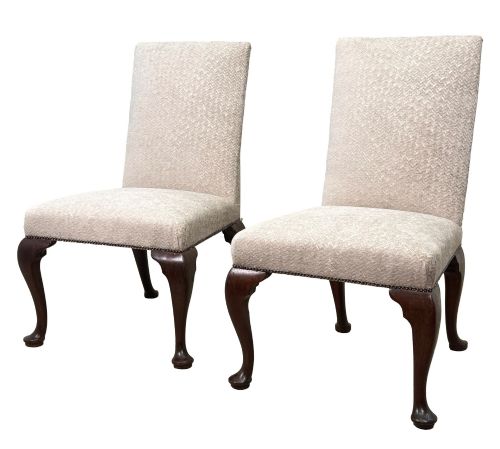
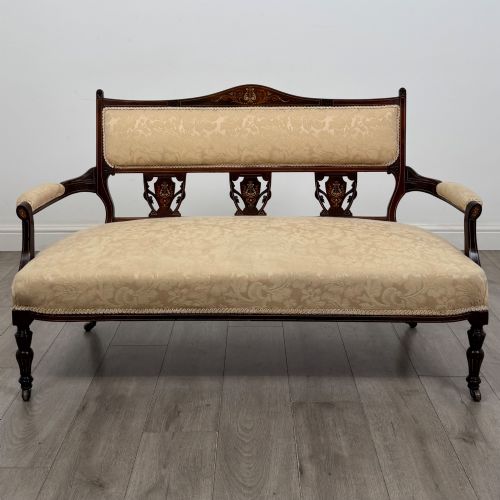
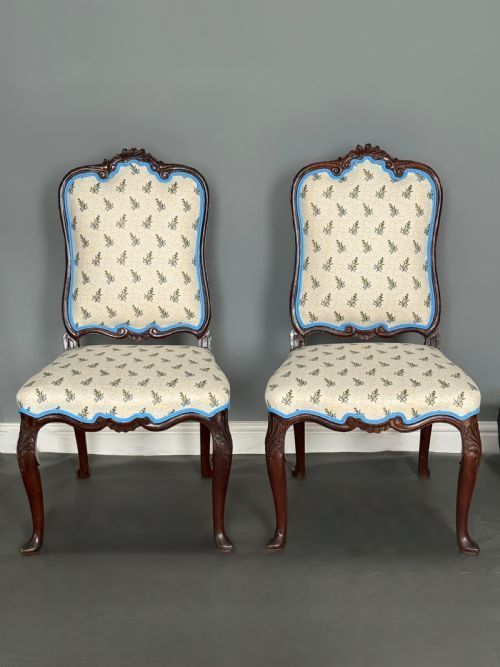
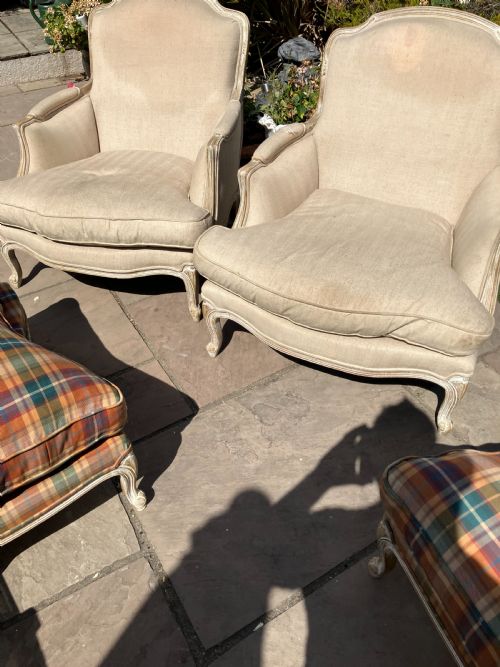
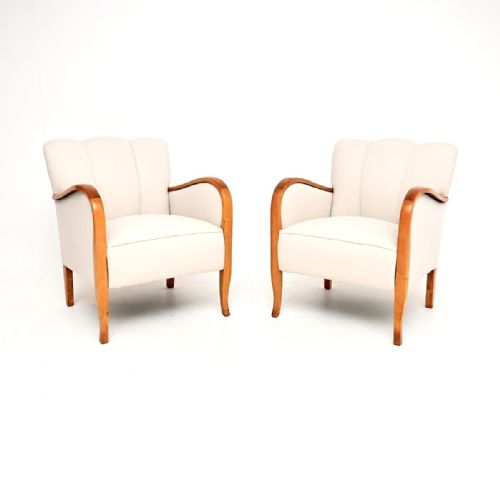
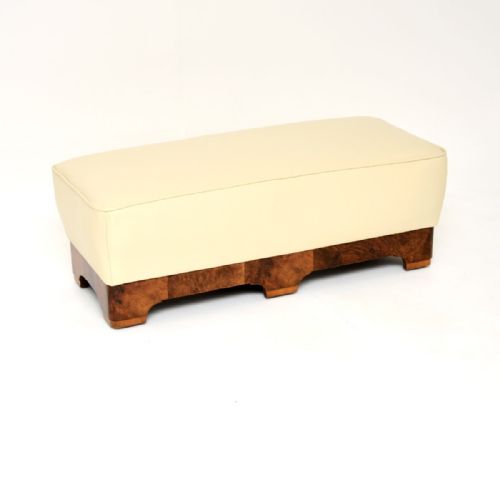
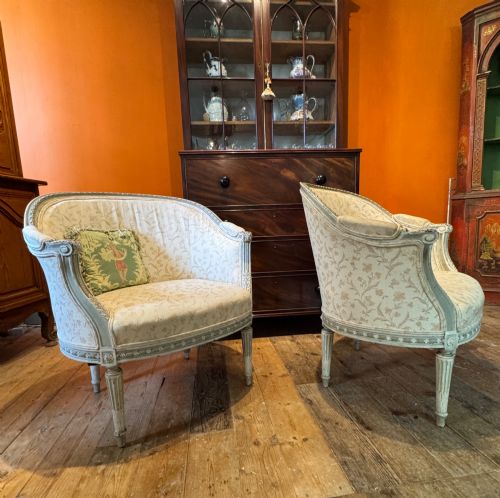
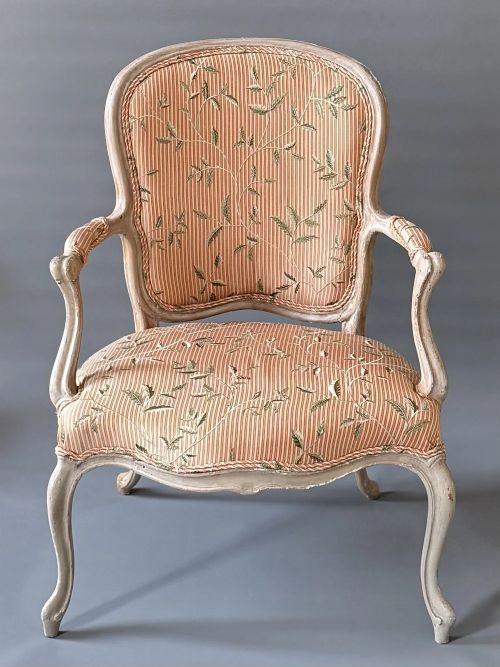
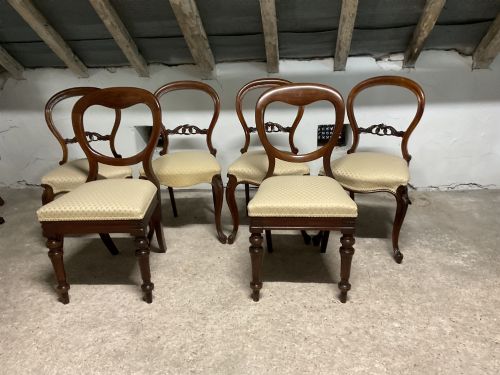
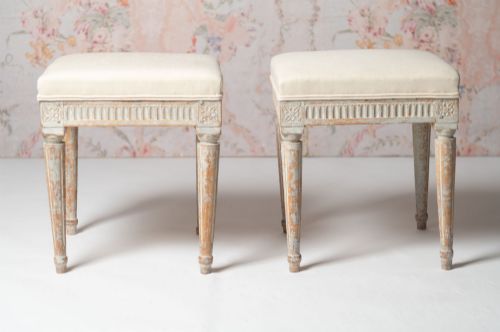
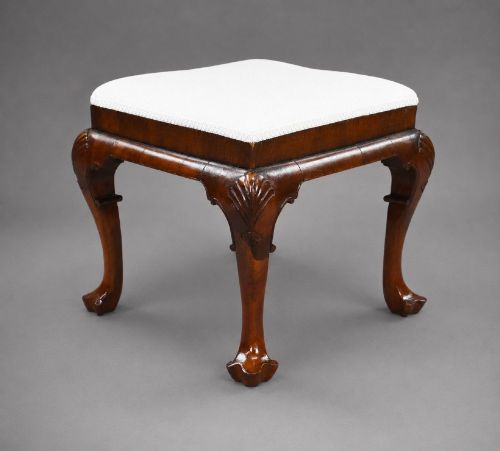
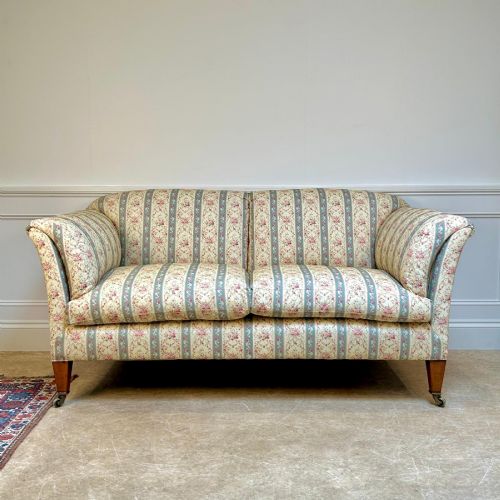
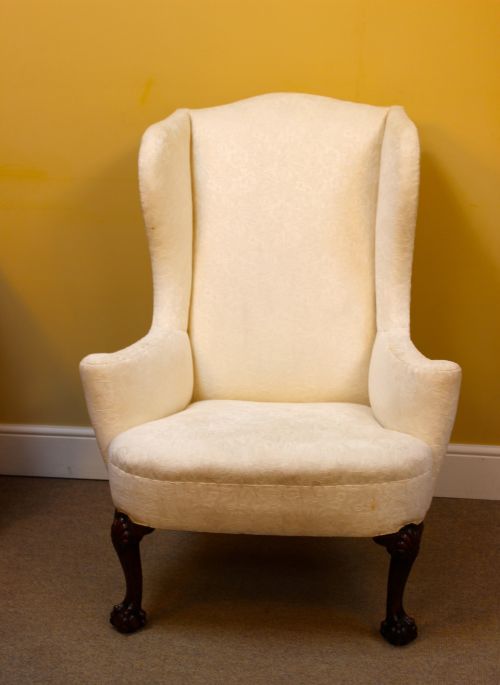
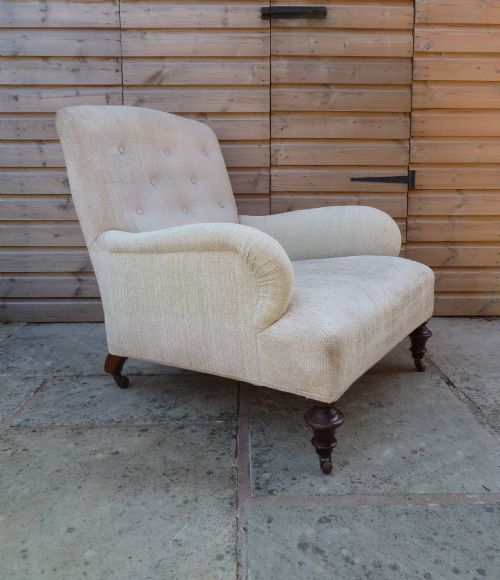
When searching for a cream upholstered seat, buyers encounter a diverse selection of seating forms spanning the eighteenth, nineteenth, and twentieth centuries. The inventory includes armchairs, dining chairs, stools, sofas, and settees originating from English, French, Swedish, and Italian workshops.
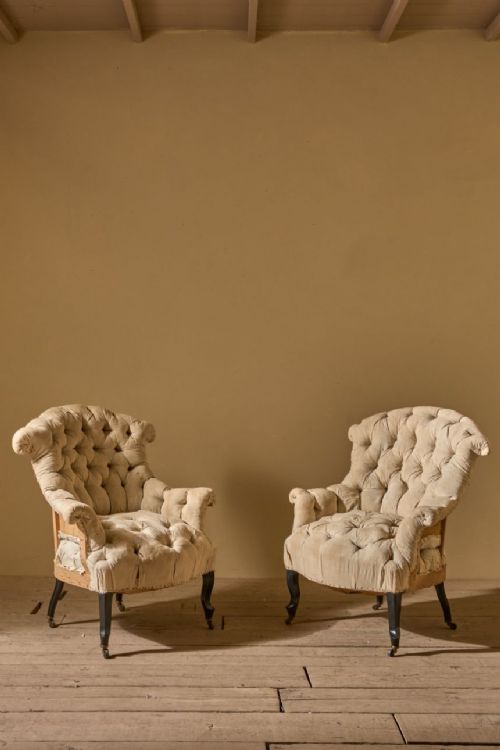
Victorian pieces and nineteenth-century examples dominate the selection, often featuring walnut, mahogany, or rosewood frames paired with textile, calico, or linen coverings. Alongside these, earlier eighteenth-century designs and later twentieth-century Art Deco pieces appear.
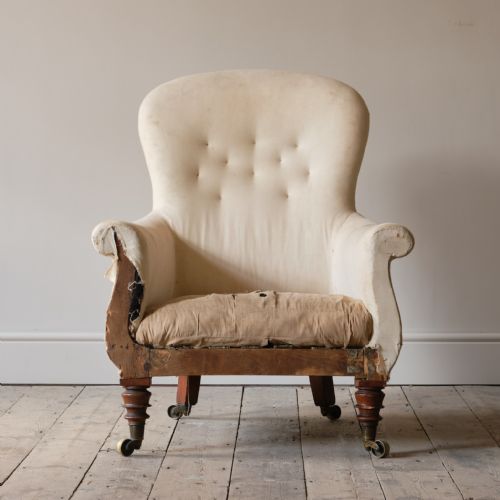
The styles range from ornate Louis XV and Louis XVI designs to restrained Swedish Gustavian forms, Edwardian country house items, and classical revival pieces. Many chairs and stools retain neutral calico covers ready for final top-fabric selection.
Materials and construction methods
Cabinetmakers built the foundational frames using dense timbers such as mahogany, walnut, rosewood, and satin birch, frequently applying hand-carved details or painted finishes. Joinery relied on traditional mortise and tenon joints to ensure structural integrity across heavy use.
Upholstery techniques involved securing natural textile coverings like linen, calico, and leather over supportive internal stuffing and webbing. Brass hardware, such as castors and decorative tacks, often accented the timber frames and textile edges.
Certain footstools include hidden rise and fall mechanisms designed for tired piano players.
Quality distinctions in frames and upholstery
The hierarchy of quality rests primarily on the integrity of the wooden frame, the crispness of any hand-carved or painted ornament, and the weight of the timber selected by the maker. Superior examples demonstrate tight joinery, balanced proportions, and well-seasoned woods that resist warping over generations.
The standard of upholstery work also dictates value, with traditional hand-stitched internal stuffing and high-grade natural linen or calico linings separating standard pieces from exceptional ones. Retaining original paint surfaces or authentic period textiles further elevates a piece's standing among collectors.
Howard and Sons
The Cream Upholstered Seat Glossary
- Calico
- A plain-woven unbleached textile often used as a durable base layer for upholstery before final decorative fabrics are applied.
- Bergere
- An enclosed upholstered armchair with wooden framing visible around the sides and back, originating in France.
- Gustavian
- The Swedish neoclassical style characterised by restrained carved decoration, pale painted finishes, and elegant proportions.
- Settee
- A long upholstered wooden seat with a back and arms, designed to accommodate multiple people comfortably.
- Cabriole
- A furniture leg that curves outward at the knee and tapers inward toward the foot, inspired by animal limbs.
Cream Upholstered Seat: Frequently Asked Questions
What is a cream upholstered seat?
A cream upholstered seat refers to any chair, stool, settee, or sofa covered in neutral fabric ranging from off-white to pale cream tones. These pieces encompass various historic periods and regional furniture styles.
Buyers often select them to blend historical craftsmanship with versatile, light-coloured interiors.
Are calico upholstered seats finished?
Calico upholstery acts as a sturdy base layer or undermedium designed to hold the internal stuffing securely in place. Many antique chairs retain this neutral cotton covering so owners can apply their own top fabric.
It provides an immediate usable neutral look or serves as a clean slate for custom interior schemes.
How do I clean antique wood frames?
Clean antique wood frames gently using a soft, dry cloth to remove dust without disturbing the historic polish or wax. Avoid using harsh chemical sprays or excess water that could damage fragile timber.
Applying microcrystalline wax periodically helps nourish the wood and maintain its natural sheen.