



Antique Cane Back Bench
An antique cane back bench brings woven lightness and solid timber frames into a room, offering an enduring seating choice for halls and bedrooms.
Antique Cane Back Bench
An antique cane back bench combines a supportive wooden framework with an open woven panel, creating a seat that feels airy yet substantial. These pieces appear across several historical periods, stretching from the eighteenth century through the Victorian era and into the early twentieth century.
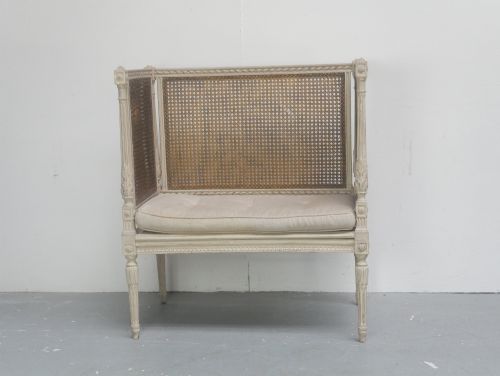
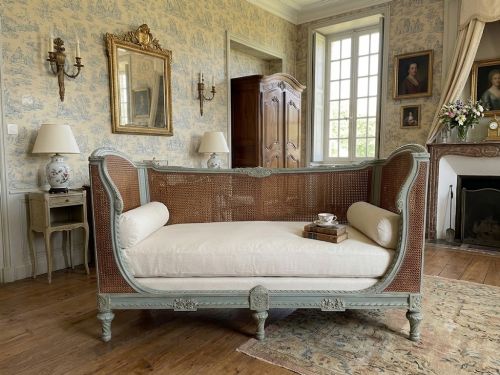
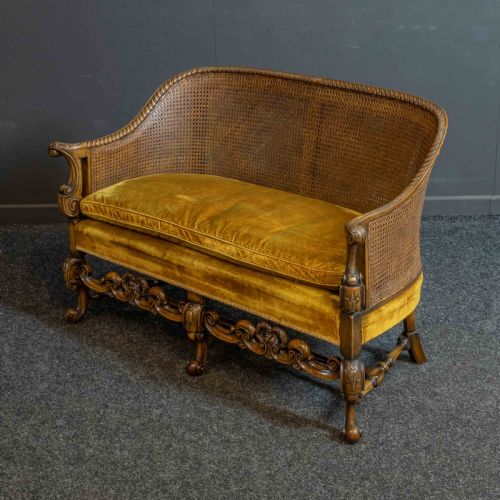
The selections available here showcase a variety of regional interpretations, including French Louis XV and Louis XVI styles, Swedish Gustavian design, and Anglo Indian craftsmanship. Buyers encounter forms ranging from simple window seats and daybeds to elaborate settees and caned sofas.
Makers drew upon traditional furniture types such as the bergere, the window seat, and the canapé to build these furnishings. The resulting variety ensures that pieces fit readily into both formal drawing rooms and quiet corners.
Materials and construction methods
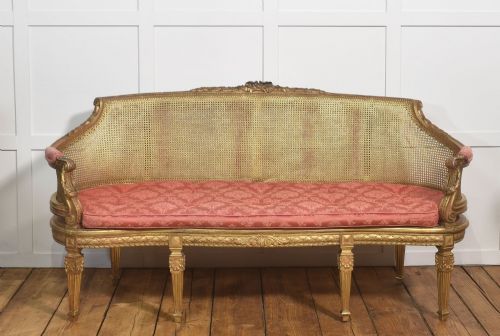
Makers constructed the structural frames of these benches using hardwoods such as walnut, beech, satinwood, rosewood, and painted or gilded wood. Craftsmen then shaped these timbers into curved rails, scroll backs, and fluted legs characteristic of the period.
The distinctive backrests utilise cane, a flexible material woven directly through holes drilled in the wooden frame or pressed into channels. Artisans paired this natural woven work with upholstered drop-in cushions or fixed pads covered in fabric, linen, and damask.
Antique Cane Back Bench Retail Price Guide 2026
Typical asking prices for cane back bench among the pieces listed under this phrase on Sellingantiques today, from the lower quarter to the upper quarter. They describe what is for sale here now, not the wider market.
The listings span several centuries of furniture design, incorporating both eighteenth-century Swedish pieces and early twentieth-century revival benches.
Judging quality and craftsmanship
The integrity of the woven canework largely determines the standard of a piece, as tight, uniform weaving indicates skilled labour. Original cane panels that remain intact without breakage show superior preservation compared to modern replacements.
The carving and finishing of the timber frame reveal the level of workshop attention. Crisp detailing on walnut, giltwood, or painted surfaces distinguishes finer examples from simpler commercial output.
The Antique Cane Back Bench Glossary
- Cane
- A flexible material derived from the outer bark of rattan palms, utilised for woven panels in chair backs and seat frames. It provides structural strength while maintaining an open, light appearance.
- Bergere
- An enclosed armchair or settee style with upholstered sides and a padded seat, originating in France. These forms frequently incorporate woven cane backrests.
- Giltwood
- Timber that has been coated with a thin layer of gold leaf or gilt paint for decorative splendour. This finish appears on formal French style seat furniture.
- Settee
- A long wooden or upholstered seat with a back and arms, designed to accommodate multiple people. They share floor space with benches and daybeds in period interiors.
- Gustavian
- The Swedish interpretation of French neoclassical design, characterised by pale painted finishes and restrained ornamentation. Pieces from this tradition often feature simplified structural lines.
Antique Cane Back Bench: Frequently Asked Questions
Where should I place a cane back bench?
These benches suit narrow circulation spaces like hallways and galleries where a heavy wooden sofa would block the light. Their open woven backs allow natural illumination to pass right through the frame.
They also sit comfortably beneath tall windows or at the foot of a bed in larger bedrooms. The slender profile keeps the floor area feeling open.
How do I care for antique cane?
Keep caned panels away from direct heat sources and intense sunlight to prevent the natural fibres from drying out and becoming brittle. Occasional light dusting with a soft brush keeps debris from settling between the strands.
Applying a damp sponge very sparingly can help maintain moisture in older cane. Avoid heavy liquid cleaners or harsh polishing chemicals.
Can I reupholster the cushion?
Most drop-in seat pads and attached cushions on these benches can be recovered in new fabric without altering the historic wooden frame. Choose traditional textiles like linen, damask, or simple cotton to match the character of the piece.
Leave the underlying cane back untouched during any upholstery updates. The woven panel requires separate conservation if damage occurs.
How do I date a cane piece?
Examine the timber species, tool marks, and joinery methods visible on the underside of the frame to establish a baseline period. French provincial styles often point toward specific decades around nineteen-ten, while heavier walnut structures indicate earlier workmanship.
Compare the style of the carving, such as neoclassical urns or rococo scrolls, with known design periods. Changes in the weave pattern can also offer clues about the era of manufacture.