

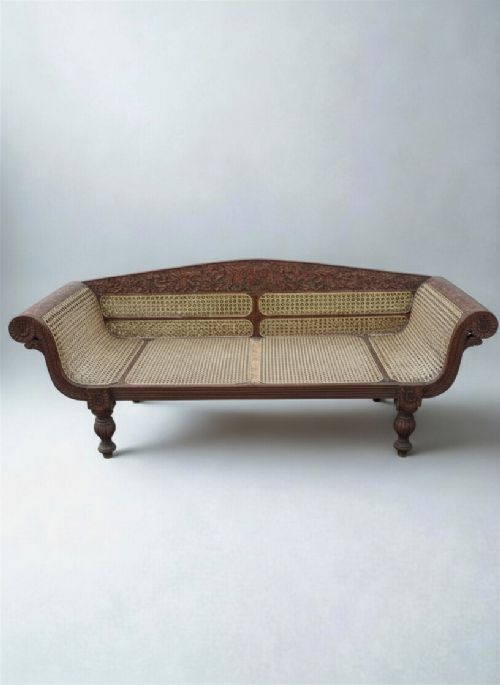


Caned Wood Bench
These caned wood bench examples range from French daybeds to Anglo-Indian settees, offering woven seating textures desired for classic interiors.
Caned Wood Bench
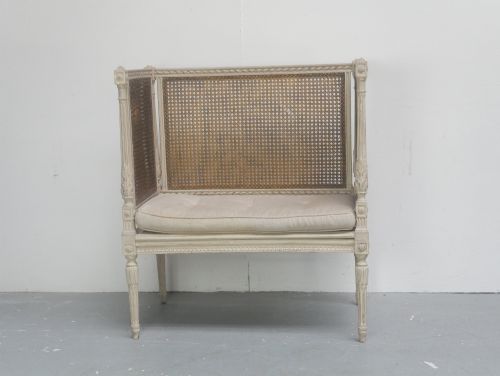
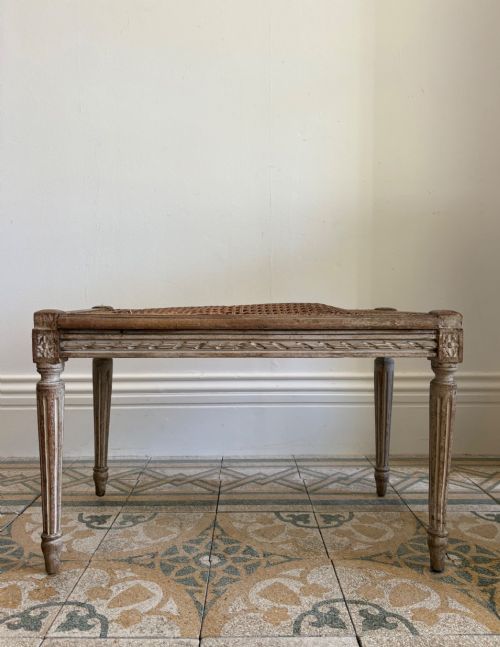
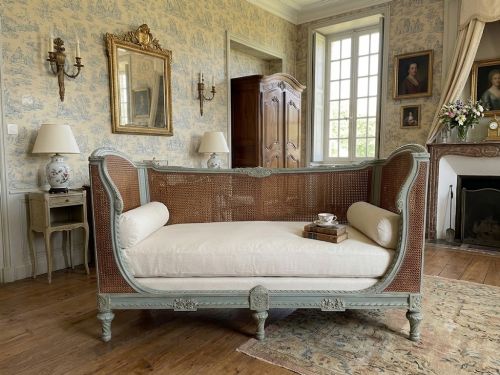
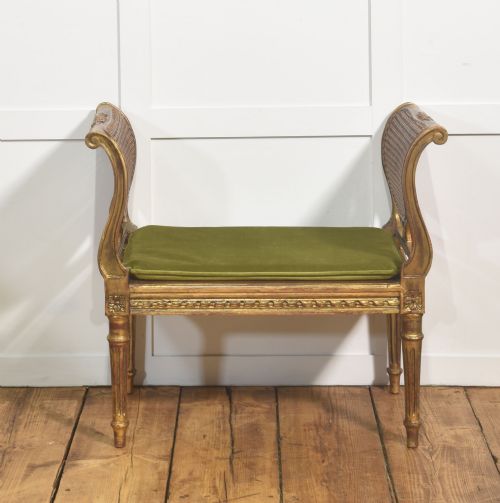
A caned wood bench combines woven cane panels with timber frames across forms like window seats, daybeds, and settees. You meet pieces spanning the eighteenth century through the early twentieth century.
How they were made
Wood frameworks utilise beech, walnut, and hardwood, frequently shaped through carving or steam bending as seen in bentwood items. Painted, gilded, ebonised, and bleached surface treatments complete the timber structures.
Cane is woven through drilled holes along the frame rails to form resilient seating and backrest surfaces. Additional upholstery such as linen, velvet, and fabric appears on companion cushions.
Caned Wood Bench Retail Price Guide 2026
Typical asking prices for caned wood bench among the pieces listed under this phrase on Sellingantiques today, from the lower quarter to the upper quarter. They describe what is for sale here now, not the wider market.
Listings feature 19th-century pieces alongside 18th-century and 20th-century examples, utilising beech, walnut, giltwood, and painted wood.
What varies in quality
Execution of carved detail on timber frames distinguishes standard regional production from more elaborate Parisian or colonial workshop output. The crispness of the joinery and the fineness of the cane weave dictate overall refinement.
Original surface finishes, whether period gilding, paintwork, or bleached timber, retain greater character than later interventions. The integrity of the structural timber directly influences the longevity of the frame.
Thonet
The Caned Wood Bench Glossary
- Bentwood
- Wood softened through steam and bent into curved shapes. This technique defines notable nineteenth-century seating.
- Giltwood
- Timber coated with gold leaf or gesso and gilt. This finish appears on decorative seating from continental European traditions.
- Bergère
- An enclosed upholstered armchair or settee with wooden sides. Caned versions integrate woven panels into the frame.
- Daybed
- A long seating piece intended for reclining. Examples in this category often incorporate woven cane backrests and seats.
Caned Wood Bench: Frequently Asked Questions
What is a caned wood bench?
A caned wood bench is a seating piece featuring a timber frame inset with woven cane panels. These items include window seats, daybeds, and settees.
Such seating dates from the eighteenth century into the twentieth century. They originate from European and colonial workshops.
Where do daybeds fit in rooms?
Daybeds serve as functional lounging surfaces in studies, bedrooms, and larger hallways. Their open cane panels maintain visual lightness in interior spaces.
They combine seating with reclining utility. Their decorative frames suit both traditional and eclectic rooms.
How do French styles differ?
French styles like Louis XVI and Régence display carved wooden frames with classical motifs. Painted or gilded finishes are common on these seating forms.
Other variations include provincial walnut frames and ebonised daybeds. Each reflects the design preferences of its specific period.
What defines Anglo-Indian pieces?
Anglo-Indian pieces utilise dense hardwoods shaped in colonial workshops. They frequently feature extensive hand-carved ornamentation.
These daybeds and settees combine British furniture forms with local craftsmanship. Bleached timber finishes often highlight the dense grain.