



French Banquette Bench
These French banquette bench pieces bring classic Continental seating to a room, offering elegant frames and comfortable upholstery for practical everyday use.
French Banquette Bench
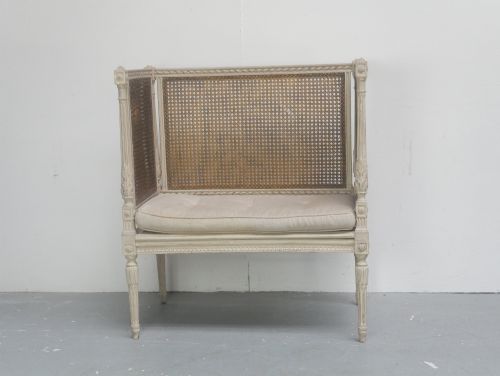
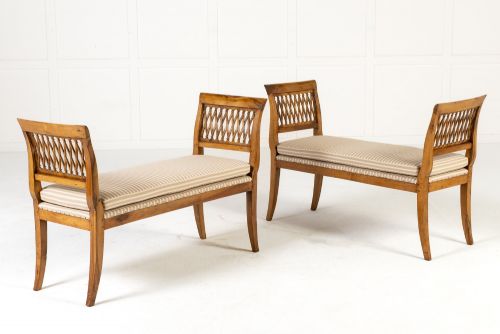
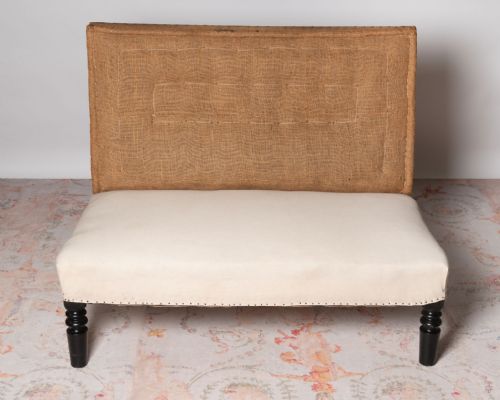
A French banquette bench combines the utility of traditional seating with distinctive Continental styles spanning the nineteenth and early twentieth centuries. These pieces appear in forms such as window seats, hall benches, small sofas, and corner settees.
The selection here draws primarily upon nineteenth century designs alongside examples from the decades around nineteen hundred. Buyers frequently encounter variations shaped by French Provincial, Louis XVI, and Belle Epoque aesthetic traditions.
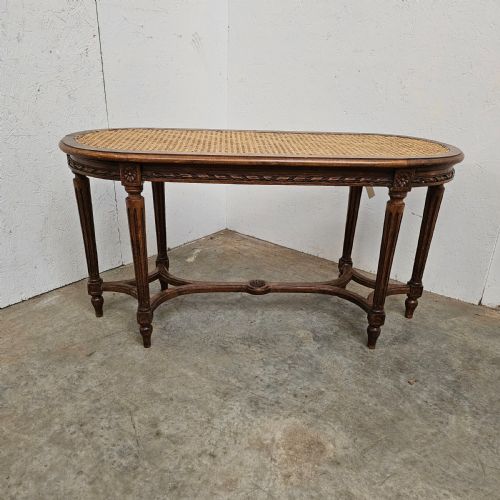
Formats range from neat window seats to longer dining benches and caned day beds. Walnut, beech, oak, and painted wood provide the structural foundation for these versatile items.
Evaluating Quality and Detail
Quality in these pieces rests upon the crispness of the timber carving and the structural integrity of the frame. Superior examples display refined proportions and careful joinery that endure across generations.
The choice of upholstery materials and the execution of applied gilding or paintwork further distinguish individual items. Finer pieces retain original decorative elements and harmonious proportions that reflect their period style.
French Banquette Bench Retail Price Guide 2026
Typical asking prices for french banquette bench among the pieces listed under this phrase on Sellingantiques today, from the lower quarter to the upper quarter. They describe what is for sale here now, not the wider market.
Design styles represented include French Provincial, Louis XVI, and Belle Epoque across various bench and sofa formats.
The French Banquette Bench Glossary
- Banquette
- An upholstered bench or long seat designed for domestic interiors. These items function well in hallways, living rooms, and bedrooms.
- Giltwood
- Timber treated with gold leaf or gold paint to create a decorative metallic surface. This finish appears frequently on formal nineteenth century seating.
- Caning
- Woven rattan material used to form seats and backs on wooden frames. It provides a lightweight and flexible surface.
- Rush
- Pliable marsh plants twisted into cord and woven to create durable seats. This material is common in country style pieces.
- Louis XVI Style
- A neoclassical design movement characterised by straight lines, symmetry, and classical ornamentation. It influences many window seats from the turn of the twentieth century.
French Banquette Bench: Frequently Asked Questions
Where should I place a banquette bench?
These benches suit narrow hallways, large bedrooms, or windowsides where extra seating is useful. Their compact depth allows them to fit comfortably without crowding a room.
Choose a style that matches your existing furniture, whether you prefer the formal look of gilded wood or the relaxed feel of painted country timber.
How do I care for upholstered seating?
Regular gentle dusting keeps fabric and leather upholstery clean and prevents dirt accumulation. Avoid placing antique timber and textiles in direct sunlight to protect the colours.
Professional cleaning is recommended for delicate fabrics like velvet or linen to preserve the textile integrity over time.
What is the difference between a window seat and a banquette?
Window seats typically feature arms and a length tailored for placement beneath a window frame. Banquettes often offer slightly more enclosed seating suited to walls or corners.
Both forms share similar construction methods and historical periods within the available selection.
How can I identify a nineteenth century piece?
Nineteenth century examples exhibit traditional joinery techniques, hand-carved details, and ageing timber patination. Closer inspection of the frame construction often reveals period-specific manufacturing methods.
Stylistic cues such as Louis XV or Belle Epoque motifs also help assign pieces to their correct era.