



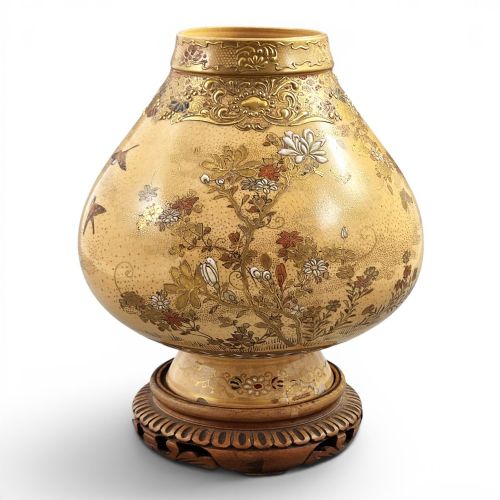
Cream Satsuma Pottery
Cream satsuma pottery brings together fine earthenware, intricate enamel and gold leaf, offering collectors rich Japanese artistry from the Meiji to Taisho periods.
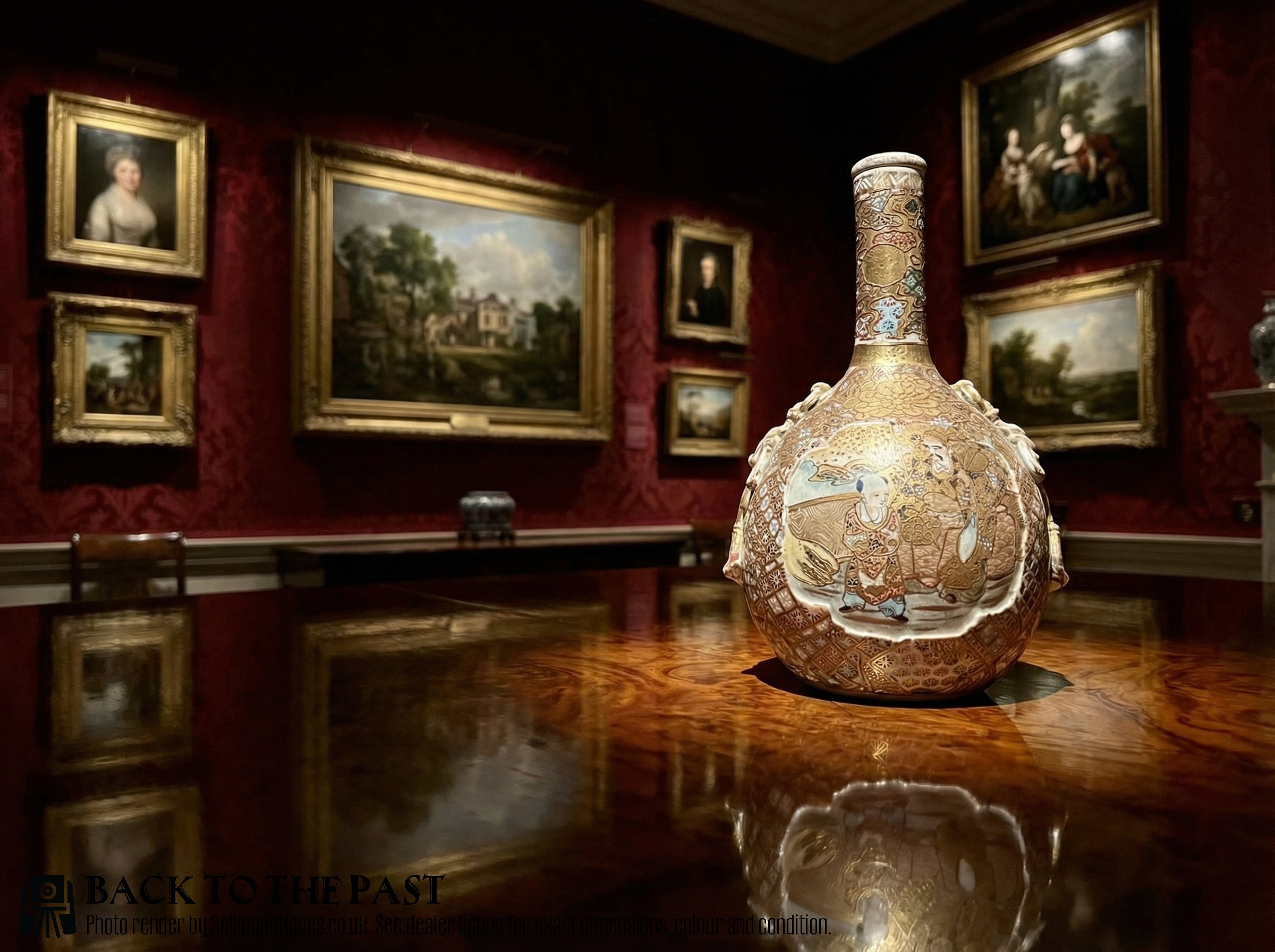
Cream Satsuma Pottery
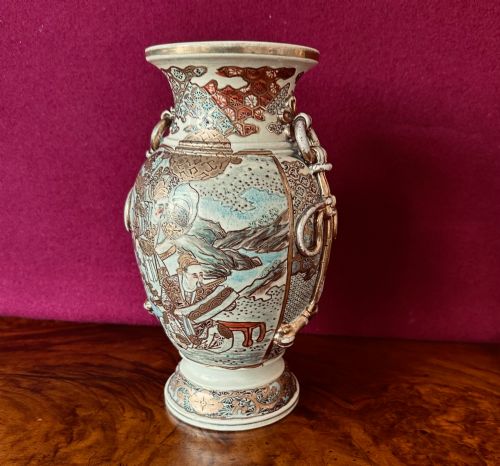
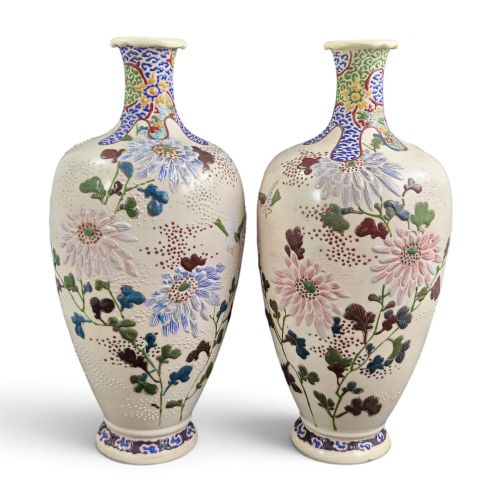
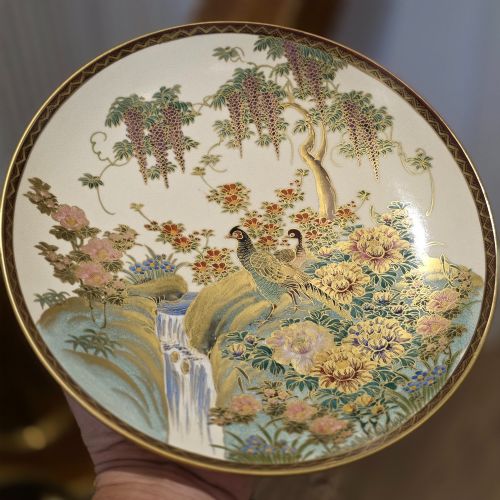
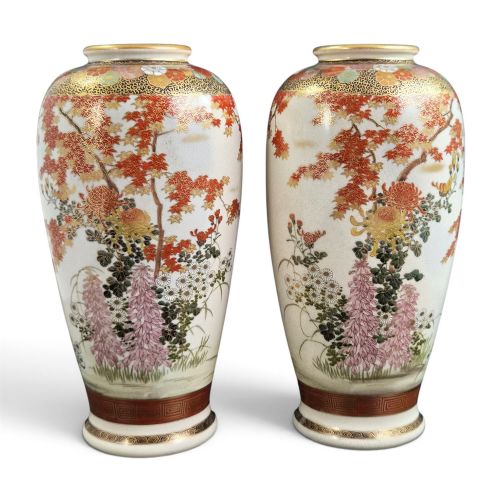
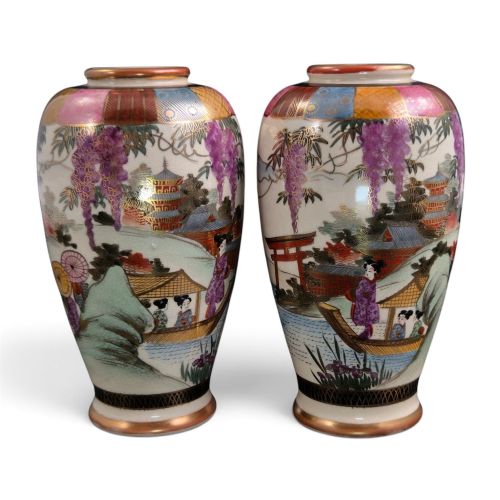
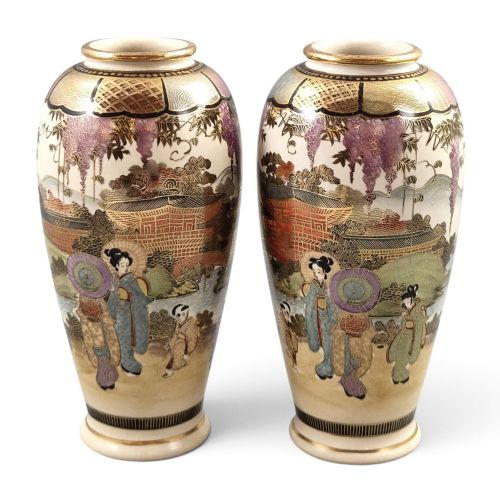
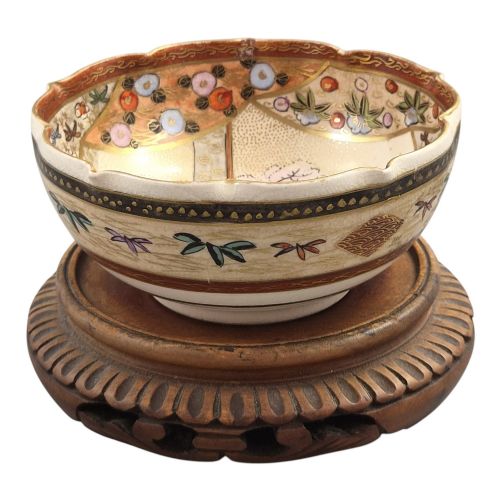
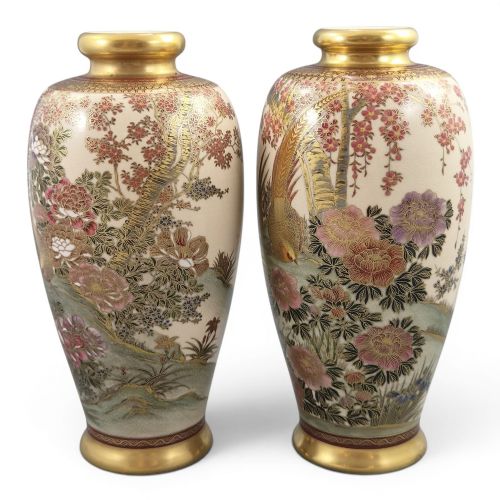
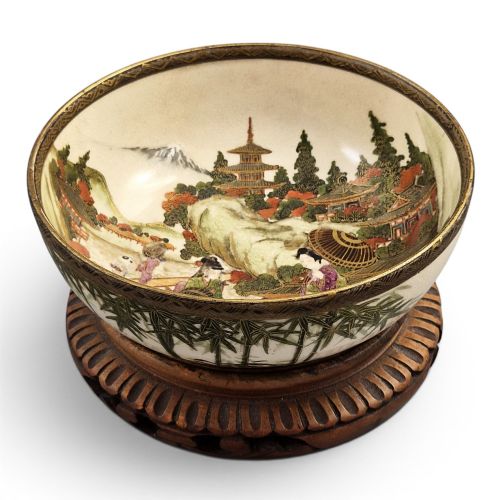
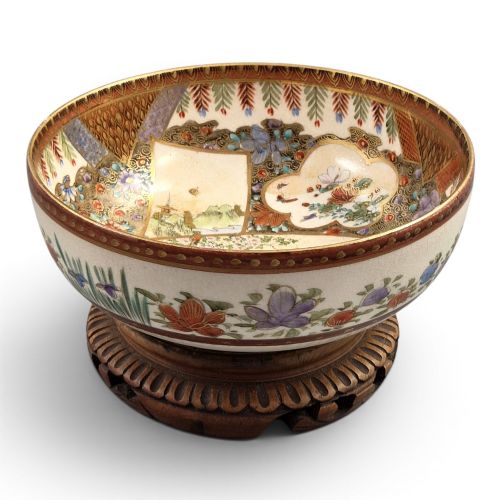
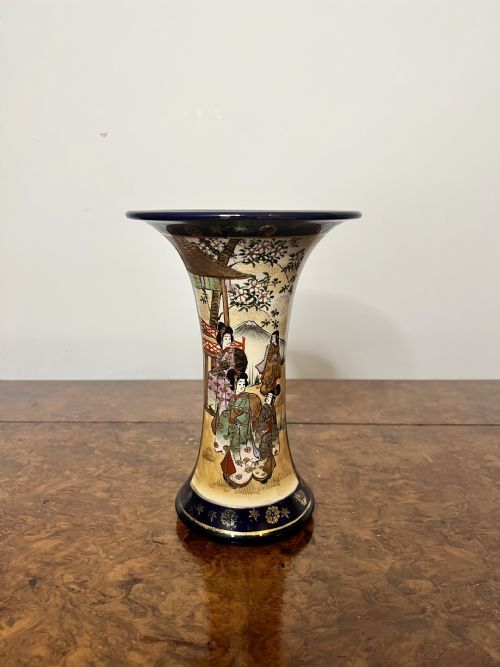
Cream satsuma pottery encompasses a distinct group of Japanese ceramic objects, including vases, bowls, tea caddies and incense burners created primarily during the late nineteenth and early twentieth centuries. These pieces typically display an ivory or cream-coloured crackle glaze serving as the canvas for detailed enamel and gilt decoration.
Buyers exploring this selection frequently encounter baluster vases, decorative plates and miniature vessels originating from major production centres like Kyoto and Kobe. The forms range from small cabinet pieces to large table lamps and monumental urns carrying traditional figurative scenes or floral motifs.
Materials and Construction Techniques
Makers formed these items using earthenware covered in a specialised glaze that intentionally developed fine crackles during cooling. Artisans then applied colourful enamel and gold gilt over the surface to build up intricate patterns depicting landscapes, butterflies, and human figures.
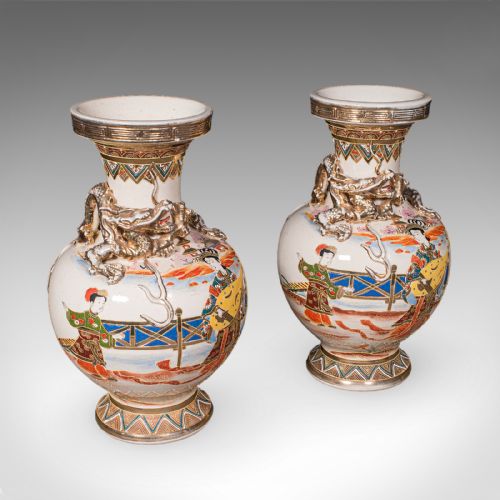
Production relied heavily on skilled hand-painting, often incorporating raised enamel work known as moriage. Workshops utilised wood for internal fittings or bases where appropriate, while gold leaf highlights completed the characteristic finish.
Several pieces feature lively depictions of fierce dragons alongside serene figures, miniature processions, and tumbling butterflies.
Evaluating Quality and Execution
Quality in these ceramics rests on the precision of the hand-painted detail and the control of the enamel work. Finer examples display exceptionally crisp brushwork in the figures and foliage, alongside even, controlled crackle within the glaze.
The sophistication of the gilding and the clarity of artist signatures or workshop marks further distinguish superior pieces from standard commercial output. The density and balance of the decorative composition determine the overall visual impact of each vessel.
Koshida·Maruni Kobe·Shozan·Kizan·Manpei·Gyokkō·Kozan·Kinkōzan·Kinkōzan Workshop·Kinzan·Hododa·Chosei·Shuzan·Seiko-en Chokei·Nikko·Choshuzan·Hakusan·Tagawa·Tashiro·Tokyo Taizan
The Cream Satsuma Pottery Glossary
- Earthenware
- Porous pottery fired at lower temperatures, forming the structural body beneath the characteristic glaze.
- Moriage
- A decorative technique using raised slip or enamel to create a textured, three-dimensional surface effect on the ceramic body.
- Koro
- A traditional Japanese incense burner, often featuring tripod feet and a pierced lid, frequently modelled with a Shi-Shi lion.
- Mon
- A Japanese heraldic badge or crest, commonly found on Satsuma wares indicating family lineage or imperial association.
- Okimono
- A small decorative statue or freestanding ornament intended for display in a traditional Japanese interior.
Cream Satsuma Pottery: Frequently Asked Questions
What is cream satsuma pottery?
Cream satsuma pottery refers to Japanese ceramic wares featuring a pale, crackled glaze decorated with detailed enamel and gold leaf.
These pieces were produced primarily during the Meiji and Taisho periods, ranging from small domestic items to exhibition-quality works.
How do I identify the period of a piece?
Dating relies on stylistic shifts, historical marks, and the nature of the enamel and gilding used by specific workshops.
Items from the nineteenth century often exhibit denser hand-painted figural work, while later pieces from the early twentieth century show evolving decorative trends.
Were these items meant for daily use?
Most satsuma pieces served as decorative ornaments, tea vessels, or scholar's objects rather than functional tableware.
Their delicate enamel surfaces and gold gilt meant they were designed for display in interiors.
How should I display these ceramics at home?
These vessels suit well-lit display cabinets or stable surfaces where their intricate enamel and gilt details can be appreciated up close.
Positioning them away from direct sunlight helps preserve the integrity of the coloured enamels and gold leaf.