


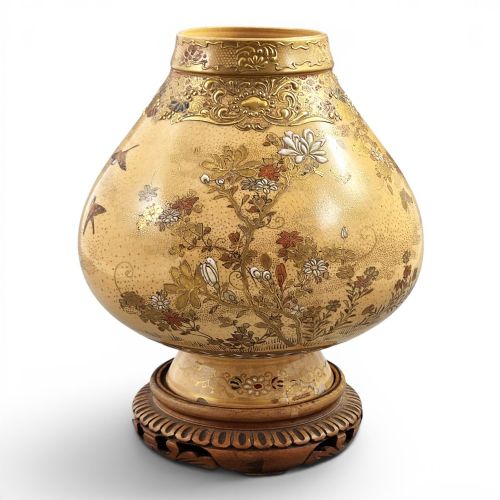

Cream Porcelain Urn Vases
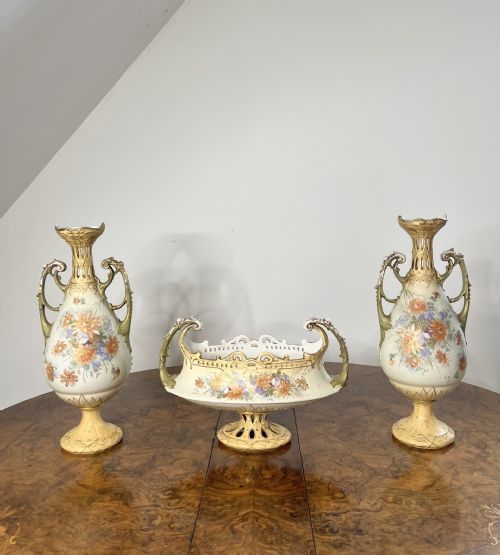
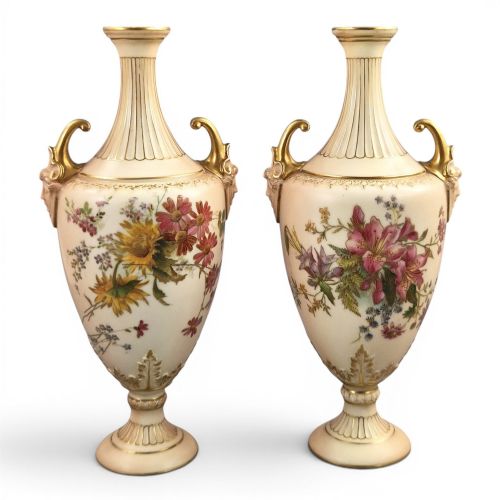
Cream porcelain urn vases bring classical form and intricate hand-painted detail to any room, offering traditional elegance through items designed to display floral arrangements or stand alone as decorative statements.
Cream Porcelain Urn Vases
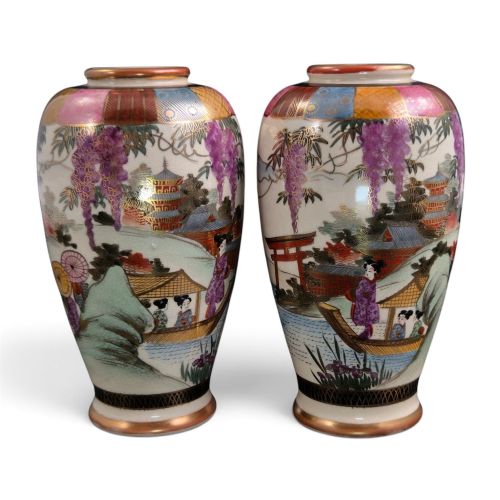
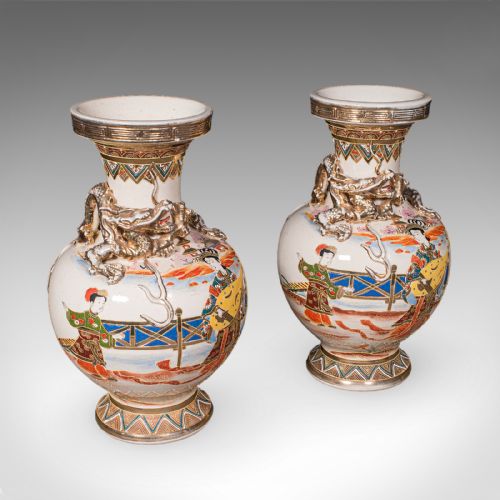
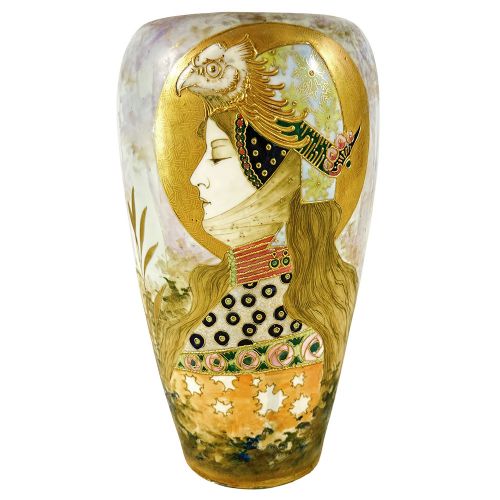
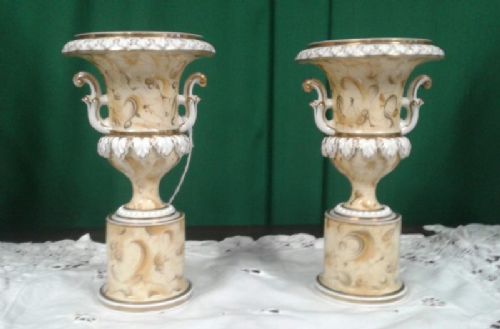
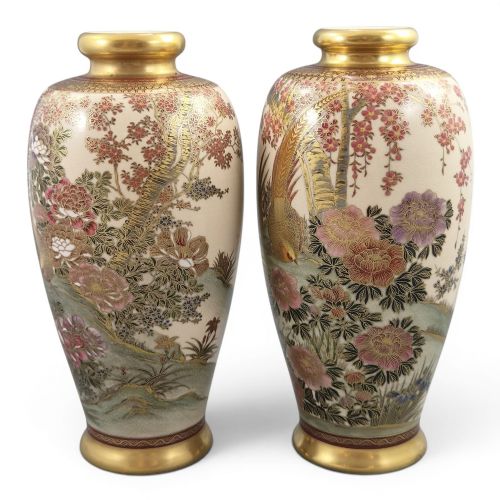
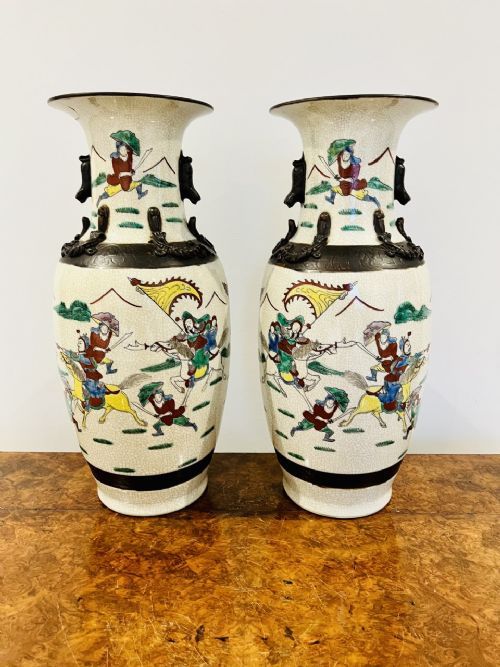
When buyers search for cream porcelain urn vases, they are typically looking for sculptural vessels that combine classical urn shapes with pale ceramic bodies. The selections available encompass British works from factories such as Royal Worcester and Doulton Burslem alongside Japanese Satsuma and continental pieces from the nineteenth and early twentieth centuries.
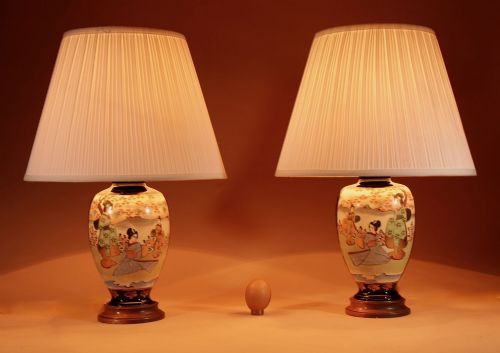
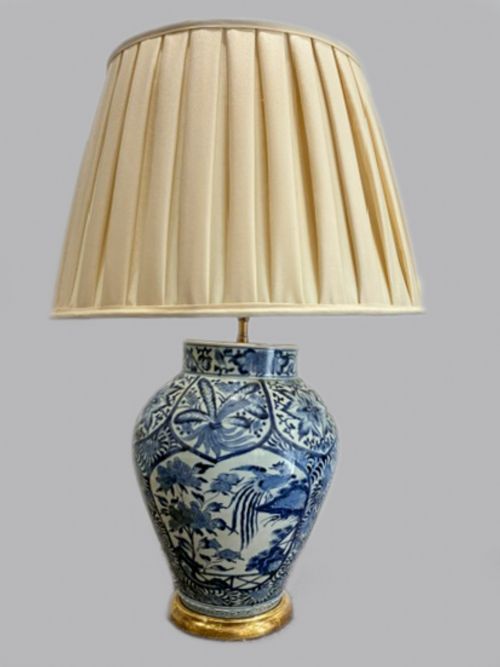
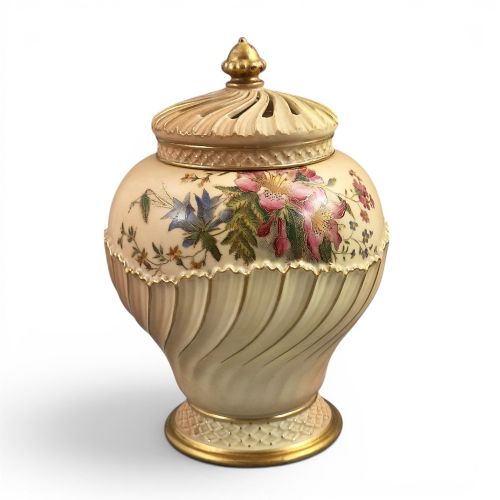
The physical forms include campana shapes, ovoid bodies, pot-pourri jars with covers, and garniture sets. These items function as decorative mantel centrepieces, table lamps, and cabinet displays spanning periods from the late nineteenth century through the Edwardian era and the 1920s.
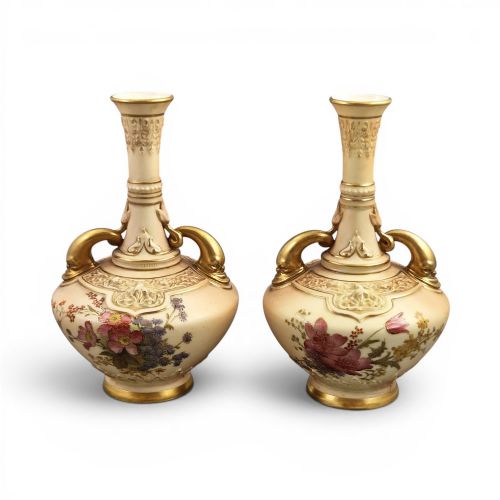
Many examples utilise blush ivory grounds, cracked glaze finishes, and earthenware or porcelain bodies. Buyers encounter both monumental display pieces and miniature works featuring hand-painted landscapes, floral motifs, and figural processions.
How they were made
Makers shaped porcelain, earthenware, and ceramic bodies by throwing on the wheel or utilising moulds to achieve balanced campana, urn, and baluster profiles. Firing processes set the foundational pale ground before artisans applied enamel pigments, gold leaf, and surface gilding.
Decoration relied on hand-painted techniques where artists rendered delicate flora, landscapes, and figural scenes directly onto the ceramic body. Many items received multiple firings to fix the enamel colours and secure the raised gilding highlights.
Several miniature vases are small enough to sit in the palm of a hand yet depict entire family scenes.
What varies in quality
The standard of painting determines much of the distinction between ordinary production and top-tier examples, with master artists achieving greater depth and precision in landscapes and figures. The crispness of moulded details, such as dolphin handles or campana rims, also separates standard factory output from exhibition pieces.
Condition of the delicate gold leaf and enamel surface work influences the standing of individual items. Pieces retaining intact gilding and crisp painted signatures from recognised workshops command greater attention than heavily worn or unmarked variants.
Royal Worcester·Doulton Burslem·Kinkōzan Workshop·Nicholas Kannhauser·Reissner Stellmacher and Kessel
The Cream Porcelain Urn Vases Glossary
- Campana
- A bell-shaped vessel with a flared rim and footed base, frequently utilised for classical urn designs.
- Garniture
- A set of three or more matching vases or jars designed to be displayed together on a mantelpiece.
- Blush ivory
- A tinted cream ceramic ground developed by Victorian potteries to mimic the soft tone of natural ivory.
- Mon
- A Japanese heraldic badge or crest used to identify families and clans, often found painted on Satsuma ceramics.
- Baluster
- A vase form featuring a rounded body that tapers toward the neck and stands on a wider base.
Cream Porcelain Urn Vases: Frequently Asked Questions
What is a cream porcelain urn vase?
These vessels combine classical urn shapes with pale ceramic or porcelain bodies, serving as ornamental centerpieces or display items.
Many examples feature hand-painted floral motifs, landscapes, or gilt highlights applied over pale ivory grounds during the nineteenth and early twentieth centuries.
How were these urns used historically?
Historically, these pieces functioned as decorative garniture sets on mantelpieces, table lamps, or vessels for holding pot-pourri.
Larger versions stood as floor or table centerpieces, while smaller miniature vases were collected for cabinet display.
How do I live with antique urn vases?
Position these vessels on stable surfaces away from high-traffic edges, as their handles and rims can be vulnerable to knocks.
Use soft, dry cloths for dusting and avoid submerging pieces with delicate gold leaf or enamel painted surfaces in water.
How do I identify the period?
Examine the base for factory marks, artist signatures, and impressed numbers that correspond to manufacturer date codes.
Stylistic cues such as blush ivory glazes point toward the Edwardian era, while specific painted mon crests and intricate enamel work indicate the Meiji period.