


Cream Porcelain Figure
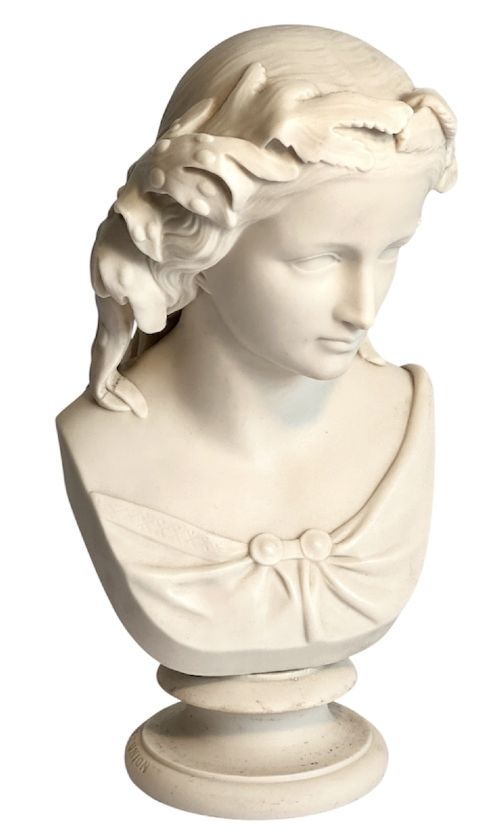
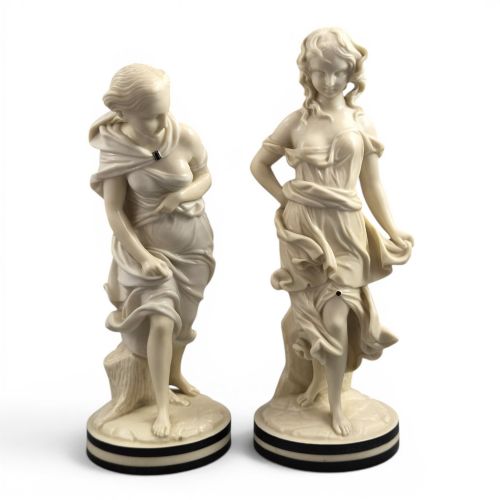
A cream porcelain figure brings classical form and detailed modelling to a mantelpiece, offering the tactile appeal of unglazed bisque or soft ceramic glaze.
Cream Porcelain Figure
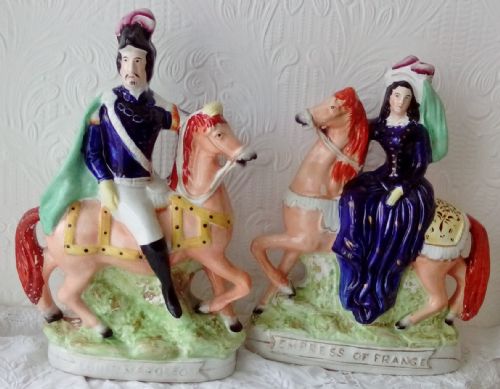
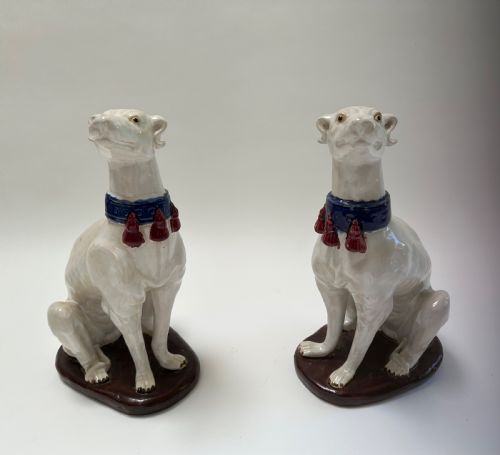
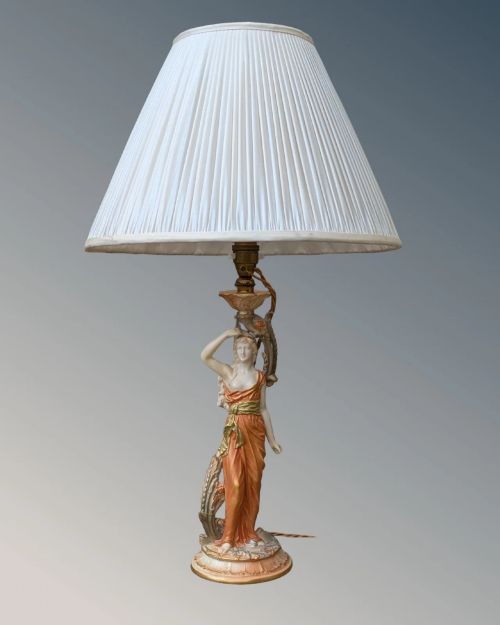
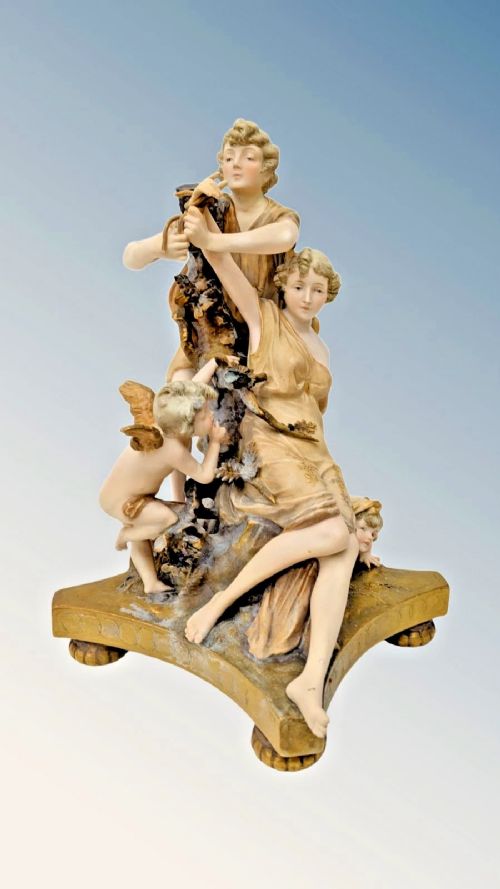
A cream porcelain figure represents subjects ranging from classical maidens and historical personages to animal studies and allegorical groups, created primarily during the nineteenth and early twentieth centuries. These works appear in forms such as parianware busts, glazed figures, and table centerpieces shaped by European potteries and Japanese workshops.
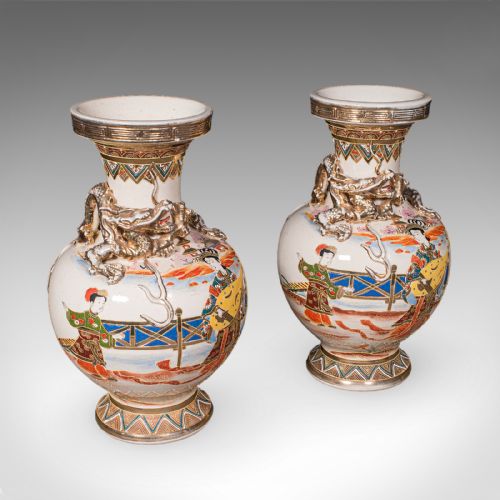
The pieces originating from English manufacturers often utilise parian porcelain or bone china to emulate marble sculpture, while continental workshops employ bisque porcelain or soft-paste ceramic bodies. Japanese makers contribute Satsuma ceramic works and okimono figures featuring intricate detailing.
Victorian and Edwardian examples dominate the selection, spanning artistic movements from Neoclassical and Rococo Revival to Art Nouveau and Art Deco. Collectors encounter everything from small cabinet figurines to large sculptural groups designed for domestic display.
How They Were Made
Manufacturers shape these objects using porcelain, parian porcelain, and earthenware, often applying gold leaf accents, enamel colours, and glossy or matte glazes. Parian ware is cast in liquid slip within plaster moulds and fired at high temperatures to achieve a dense, marble-like finish without a surface glaze.
Bisque porcelain undergoes a single firing to retain an unglazed, matte texture that highlights fine facial expressions and drapery. Factories such as Royal Worcester and Royal Dux combine slip-casting with hand-modelling, frequently marking the finished pieces with impressed or painted factory ciphers.
Several Victorian pieces capture domestic pets and musical monkeys frozen in cream ceramic, proving that nineteenth-century decorators loved a touch of theatrical charm.
What Varies In Quality
The integrity of the ceramic body remains paramount, as large sculptural groups require expert kiln management to prevent warping or firing cracks during manufacture. The reputation of the modeller and the specific factory mark provide further distinction between standard decorative wares and exceptional artistic commissions.
Royal Worcester·Royal Dux·Copeland·Volkstedt Richard Eckert
The Cream Porcelain Figure Glossary
- Bisque Porcelain
- Unglazed white porcelain fired once to produce a matte surface resembling marble. This finish allows sculptors to capture minute anatomical details without glaze pooling in the recesses.
- Parian Porcelain
- A fine-grained, self-glazing white ceramic developed in the nineteenth century to imitate carved marble. It vitrifies at high temperatures to yield a durable material with a subtle lustre.
- Okimono
- A Japanese decorative carving or figurine designed for display on a shelf or in a tokonoma alcove. These objects frequently depict deities, historical figures, or animals rendered in ceramic or ivory.
- Baluster
- A vase or architectural form with a rounded body that tapers toward a narrow neck and wide base. This classic silhouette provides stability for ceramic figures and decorative vessels.
- Soft-Paste
- An early porcelain composition made from white clay and powdered glass fused at lower temperatures than hard-paste. It produces a warm cream tone and a slightly softer surface texture.
Cream Porcelain Figure: Frequently Asked Questions
What is the difference between parian and bisque?
Parian porcelain is a specific nineteenth-century ceramic formulation containing a high proportion of feldspar, which melts during firing to give the body a dense, semi-translucent quality resembling marble. Bisque porcelain is standard porcelain left unglazed after its initial firing, offering a purely matte, chalky white finish.
While both materials lack a shiny glaze, parian typically has a heavier weight and a subtle sheen, whereas bisque remains entirely flat and dry to the touch.
How can I date my ceramic figure?
Examine the base for impressed factory marks, painted ciphers, or registration numbers that correspond to manufacturer archives. Stylistic clues such as Victorian classical drapery, Art Nouveau flowing lines, or Art Deco geometric forms also narrow down the period of production.
Comparing the modelling style to known works by makers like Royal Worcester or Royal Dux provides a reliable timeframe. Professional reference books list specific date codes utilised by major European potteries.
Where should I display these figures?
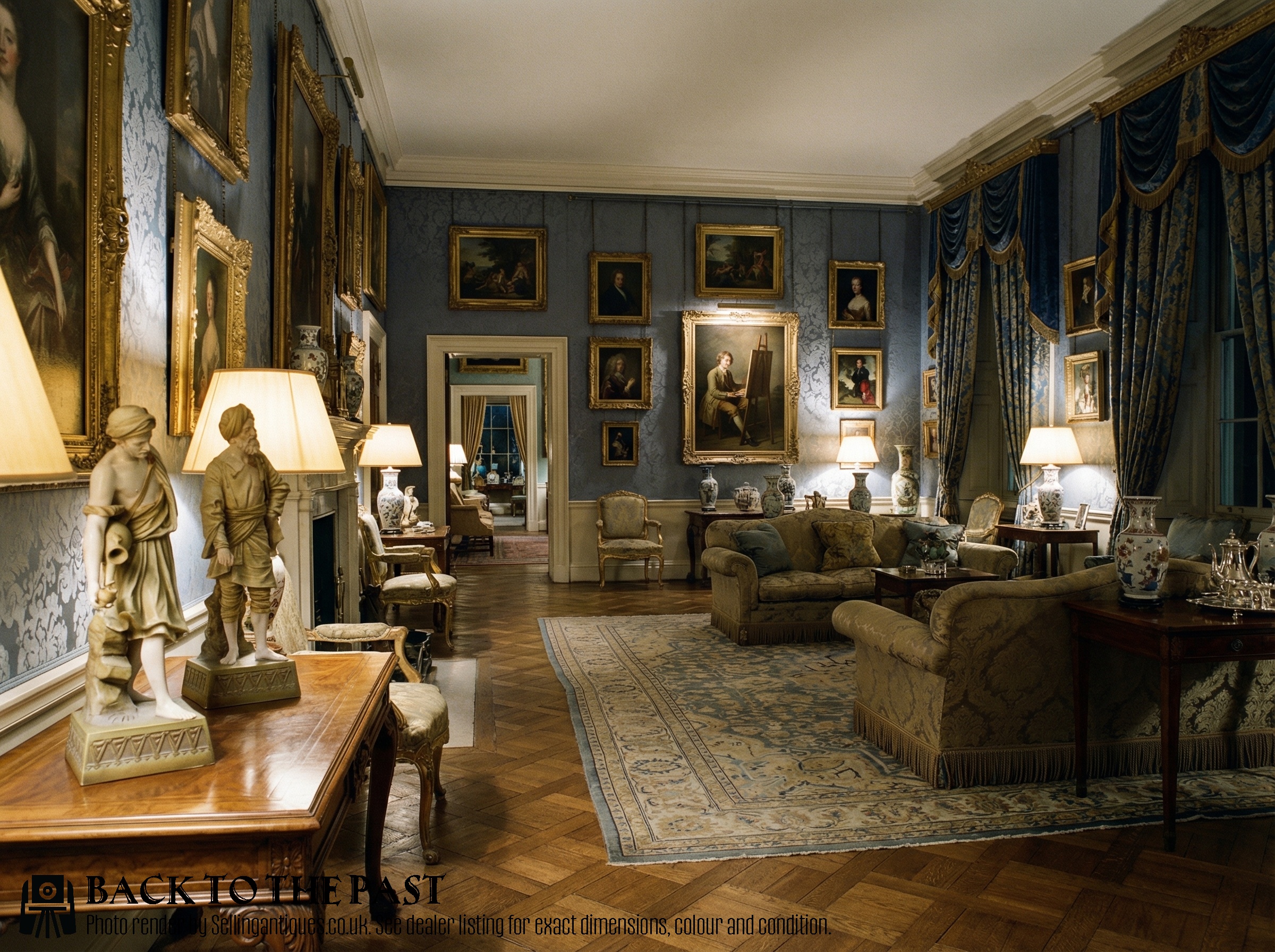
Position the objects in stable locations away from heavy foot traffic and direct sunlight to protect them from accidental knocks and fading enamel colours. Enclosed cabinets or well-supported mantelpieces provide secure environments that showcase the fine details of unglazed ceramic sculpture.
Ensure the display surface is level, particularly for larger sculptural groups or tall baluster forms that carry significant weight. Adequate lighting from the side helps accentuate the intricate modelling of the porcelain surface.