




Victorian Female Sculpture
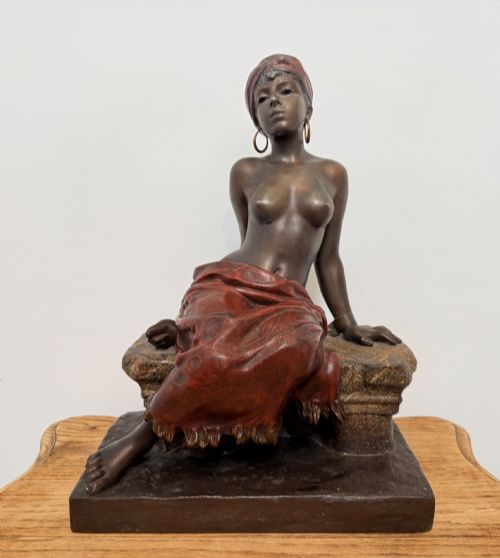
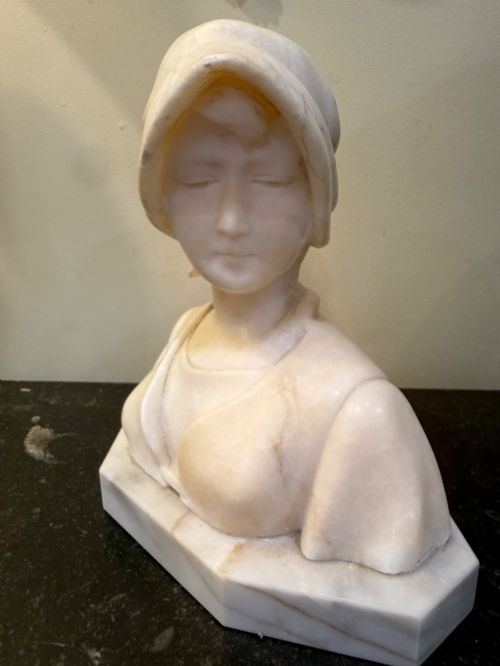
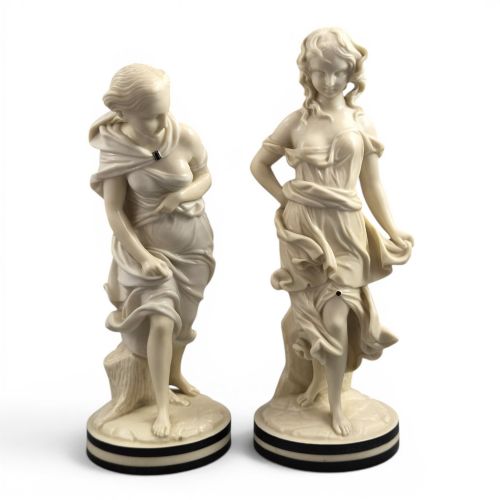
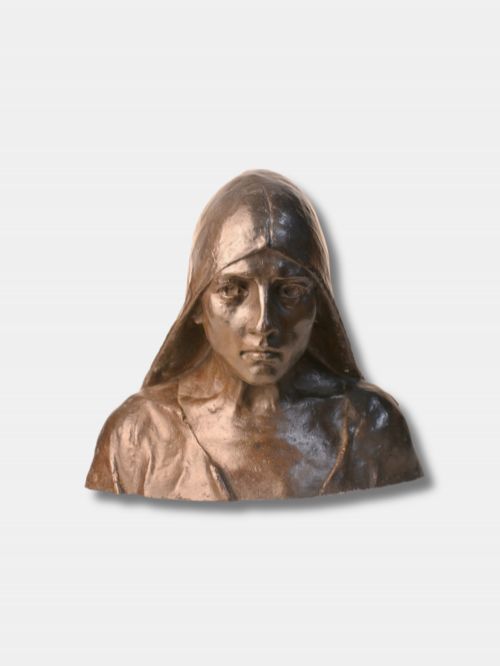
When you search for victorian female sculpture, you encounter carved marble busts, bronze allegorical figures, and delicate parian porcelain maidens spanning the nineteenth century.
Victorian Female Sculpture
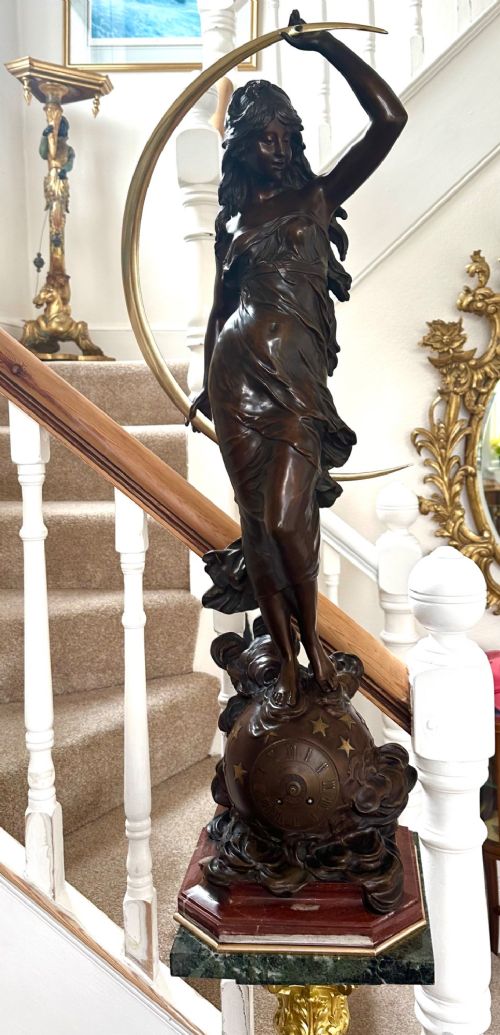
Victorian female sculpture encompasses three-dimensional representations of women executed as standalone statues, portrait busts, and decorative figurines. These works draw heavily from classical mythology, historical narratives, and allegorical themes popular across the nineteenth century.
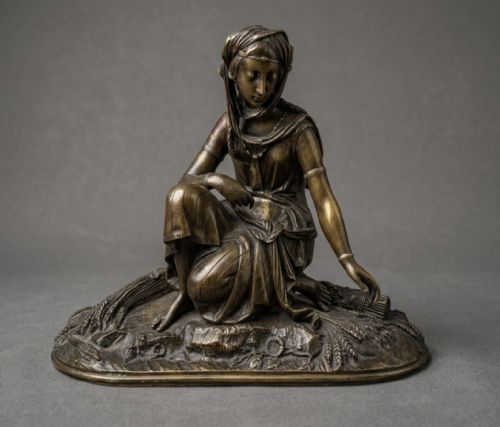
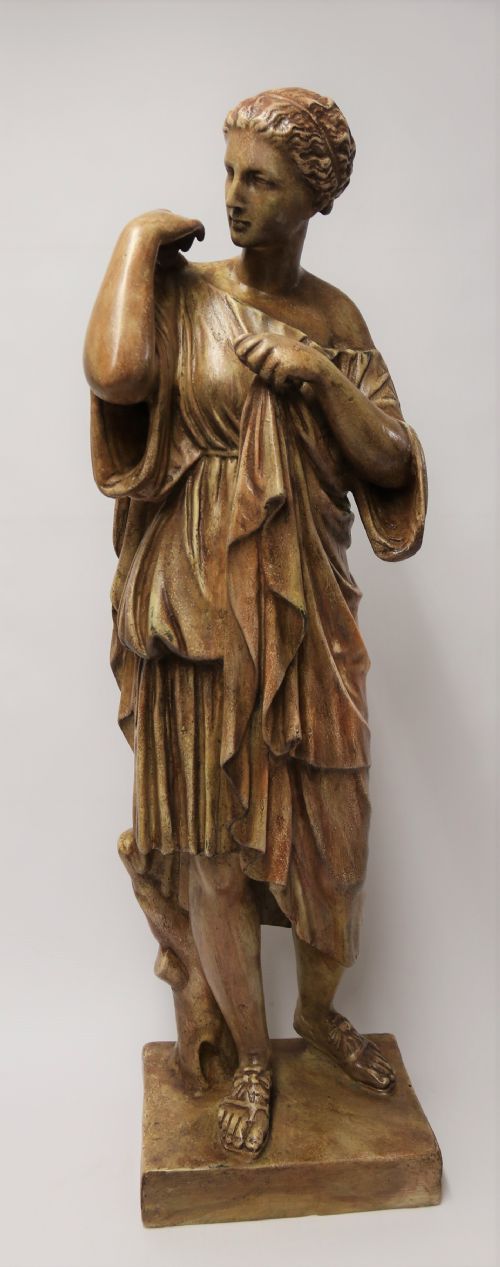
You frequently encounter subjects ranging from mythological figures like Diana and Venus to literary heroines and idealized peasant girls. The physical forms vary from small ceramic mantel ornaments to substantial bronze and carved marble gallery pieces.
Origins stretch across British, French, and Austrian workshops, reflecting diverse regional tastes in material and moulding techniques. English factories often favoured biscuit and parian porcelain, whilst continental foundries utilised bronze and carved stone.
How they were made
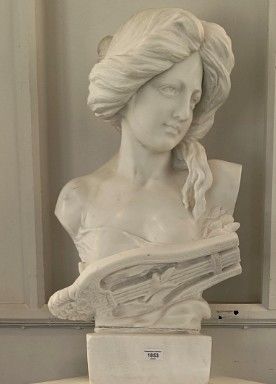
Foundries produced bronze figures through the lost-wax method or sand casting, frequently applying patination to achieve dark or variegated metallic tones. Marble and alabaster pieces relied on hand-carving with chisels and rasps, sometimes paired with contrasting coloured marble bases.
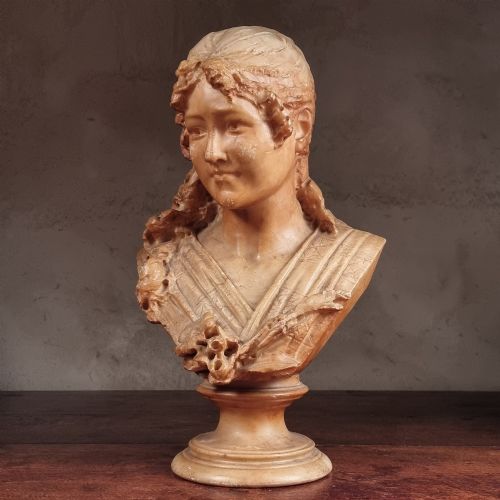
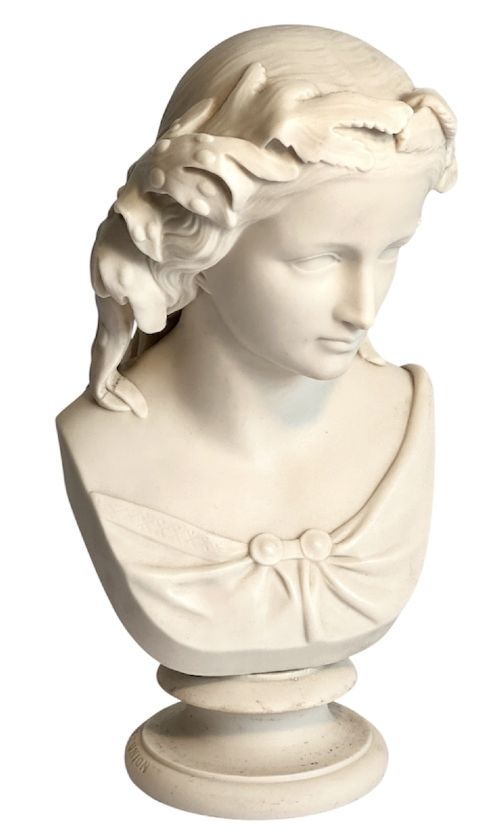
Ceramic works utilised liquid slip poured into moulds, yielding biscuit porcelain, parian ware, or glazed earthenware which was then fired in kilns. Wood-carved examples employed Linden and other dense timbers shaped with gouges to capture intricate drapery and hair.
Several ladies depicted in these sculptures carry unexpected companions, including wheat sheaves, doves, grapes, and even a vigilant lizard.
What varies in quality
The refinement of surface detail dictates much of the division between standard production pieces and superior examples. Master carvers and skilled founders achieved crisp definition in facial expressions, hands, and the folds of fabric that lesser castings or recuts blur.
Material selection establishes the baseline calibre of the work, from solid Carrara marble and heavy cast bronze down to hollow spelter or bronzed plaster. The integration of supporting elements, such as bespoke marble plinths or finely chased mounts, signals higher studio output.
August Moreau·E Villanis·James Hadley·Emile Jespers·Bernard Bloch·Jean Jules Cambos·S Kinsburger
The Victorian Female Sculpture Glossary
- Parian porcelain
- A fine-grained, unglazed porcelain developed in the nineteenth century to imitate carved marble. It gained immense popularity for portrait busts and classical statuettes.
- Spelter
- An alloy of zinc and lead used as a cheaper substitute for bronze. It was frequently painted or electro-plated to simulate heavier metals.
- Patination
- The chemical or natural surface coloration applied to bronze and other metals. It protects the underlying alloy while enhancing visual depth.
- Socle
- A short, plain plinth or pedestal supporting a bust or small statue. It provides visual stability to portrait sculptures.
- Bisque porcelain
- Unglaved porcelain fired once to produce a matte, biscuit-like texture resembling marble. It was widely used for Victorian figures.
Victorian Female Sculpture: Frequently Asked Questions
How do I clean marble sculptures?
Dust surfaces regularly with a soft, dry microfibre cloth to prevent particulate accumulation. Avoid water, harsh detergents, or chemical solvents that can etch the stone or damage historic patinas.
For stubborn marks, consult a professional conservator rather than attempting DIY cleaning methods. Unsealed alabaster and marble absorb moisture readily, which can cause permanent staining.
What is parian ware?
Parian ware is a type of dense, unglazed biscuit porcelain introduced in the mid-nineteenth century. Its composition allowed manufacturers to cast highly detailed figures that resembled carved white marble.
British potteries utilised this material extensively for literary characters, classical maidens, and portrait busts. The finish ranges from brilliant white to a warm, ivory tone.
How can I date bronze figures?
Examine the casting quality, surface patination, and any foundry marks or artist signatures stamped into the metal. Nineteenth-century bronzes often exhibit hand-chased surface details and heavier bases than later reproductions.
Material composition and the style of the base or plinth also offer chronological clues. Compare the subject matter with known exhibition dates and salon catalogues from the period.
Where should I display these sculptures?
Place heavy marble and bronze pieces on sturdy console tables, sturdy pedestals, or dedicated mantelpieces capable of supporting their weight. Position ceramic and parian figures away from high-traffic edges where accidental knocks might occur.
Keep delicate materials like alabaster and unglazed porcelain out of direct sunlight to prevent gradual surface degradation. Stable indoor humidity levels protect both wooden bases and stone structures.