



Antique Porcelain Putto
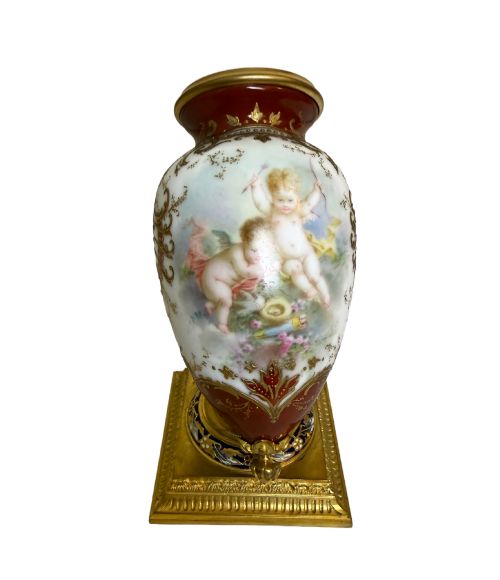
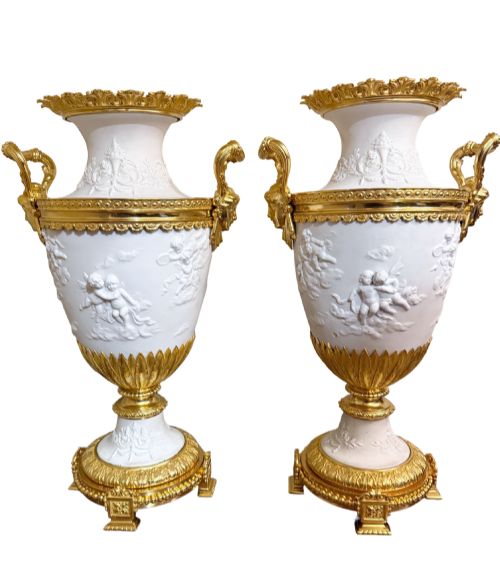
An antique porcelain putto brings spirited winged figures into the room, cast in glazed paste and often mounted with gilt bronze or brass.
Antique Porcelain Putto
An antique porcelain putto represents a winged child figure, frequently appearing as a cherub or cupid across a range of decorative domestic objects. When you search for this phrase, you find items spanning the eighteenth, nineteenth, and early twentieth centuries.
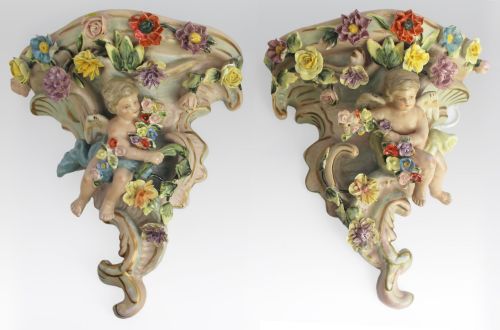
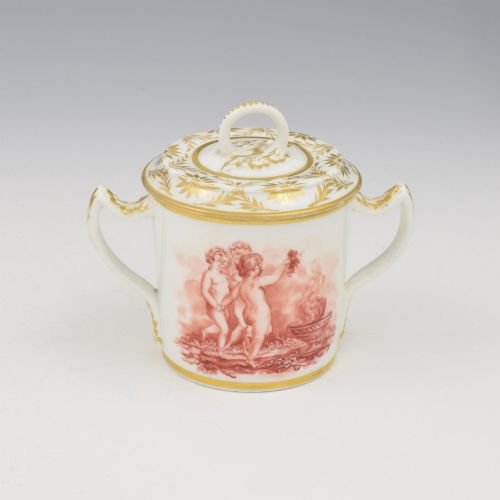
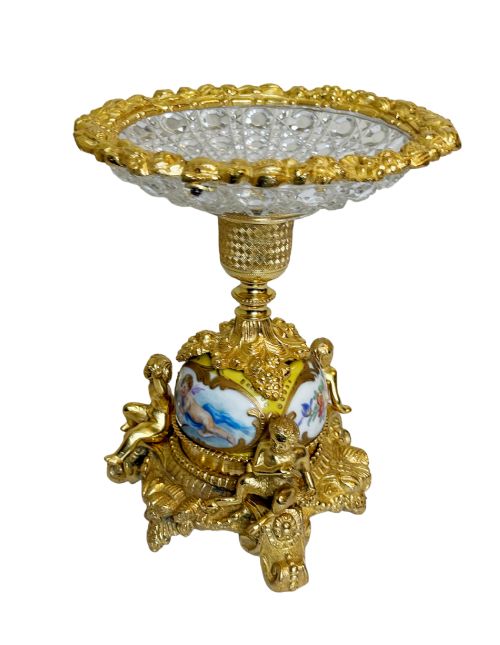
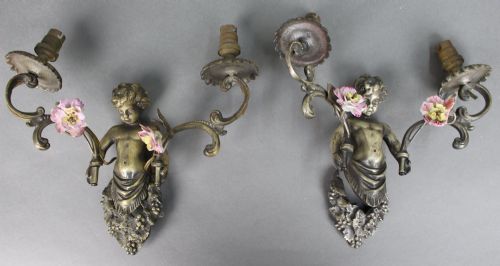
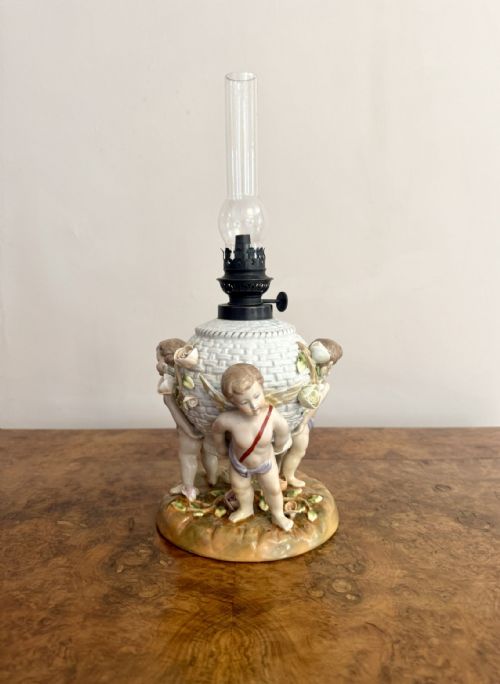
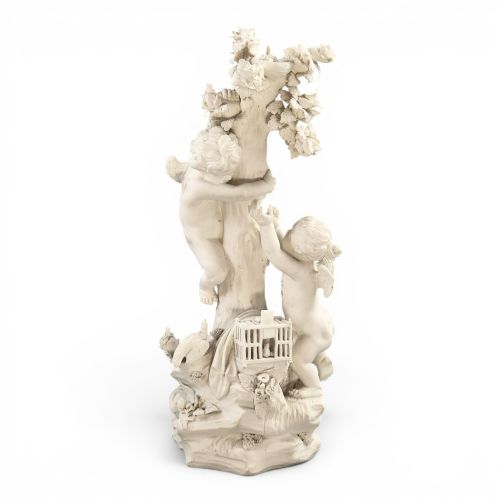
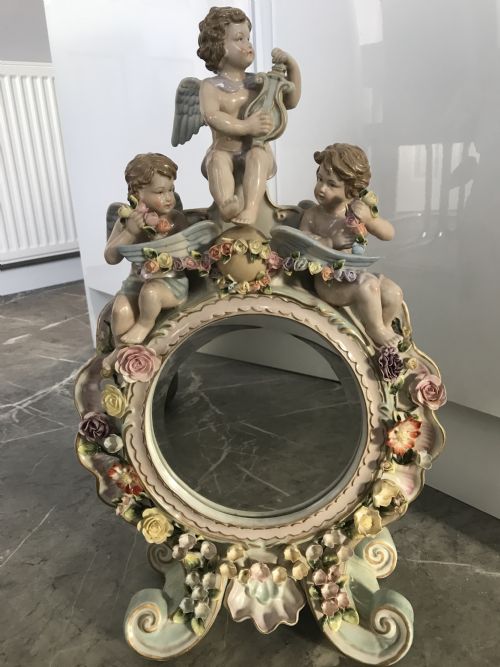
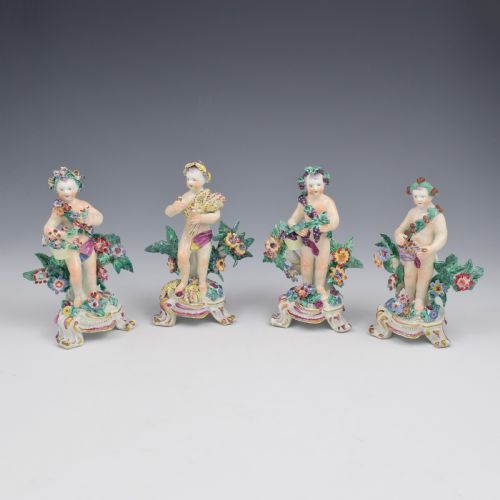
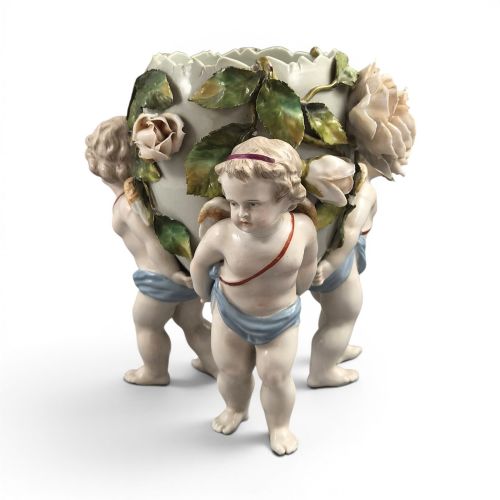
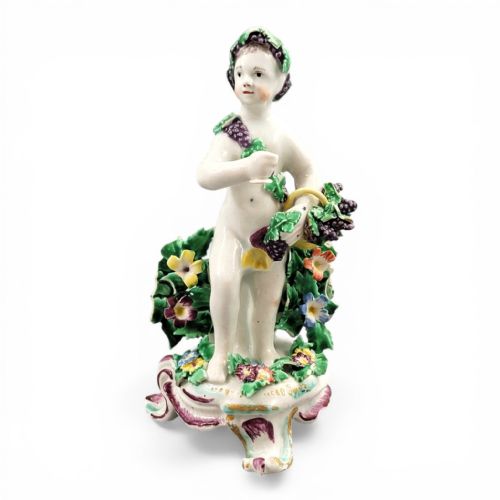
The selections on this page centre heavily on nineteenth-century continental works, alongside Georgian figures from English factories. Forms include porcelain figurines, mantel clocks, oil lamps, wall corbels, and large centrepieces adorned with applied flowers.
Many pieces originate from German potteries such as Sitzendorf, Meissen, and Plaue Schierholz, as well as French and English workshops. They take the shape of standalone sculptures or serve as supporting elements on candelabra and mirrors.
How they were made
Makers shaped these figures using porcelain paste, which was fired at high temperatures and frequently glazed in white or painted with enamels. Artisans often combined the ceramic elements with gilt bronze, ormolu, brass, and cut crystal.
Finer decorative details, such as applied porcelain roses and leaves, were hand-modelled separately and attached before the glaze firing. Gilding with gold leaf was then applied to metal mounts and ceramic highlights to complete the piece.
Several putti are caught mid-mischief holding tricorn hats, baskets of grapes, or balancing precariously on musical centrepieces.
What varies in quality
The standard of modelling defines the upper tier of these works, where facial expressions and wing feathers remain crisp and finely detailed rather than soft or blurred. Hand-painted enamel work and the delicacy of applied floral elements separate master factories from lesser production.
The integration of materials also dictates worth, seen in how cleanly porcelain figures marry with gilt bronze mounts, ormolu frames, or cut crystal vessels. Superior examples maintain structural harmony between the ceramic components and the supporting metalwork.
Sevres·Meissen·Bloor Derby·Sitzendorf·Royal Dux Bohemia·Bow Porcelain·KPM Berlin·Edme Samson·Plaue Schierholz·Chelsea·Minton·Volkstedt
The Antique Porcelain Putto Glossary
- Putto
- A representation of a plump, naked winged child, often referred to as a cherub or cupid in decorative art. They appear singly or in groups across various decorative forms.
- Ormolu
- Finely ground high-carat gold cast and chased onto a bronze base, commonly used for mounts and clock casings. It provides a rich golden lustre.
- Biscuit porcelain
- Unglazed ceramic fired to a matte finish, prized for its smooth, marble-like texture. It was frequently utilised by eighteenth-century English and continental factories for sculptural figures.
- Sweetmeat figure
- A small ceramic dish or bowl supported by or flanked by figures, designed for holding small confections or nuts at a table. These often incorporate putti into the design.
- Gilt bronze
- Metalwork coated with a thin layer of gold, frequently paired with nineteenth-century porcelain vases and lamps. It adds structural weight and metallic contrast to the ceramic.
Antique Porcelain Putto: Frequently Asked Questions
How were porcelain putti used?
These pieces served largely as decorative ornaments in Victorian and Georgian interiors, often placed on mantelpieces, dressing tables, and central dining displays. Many doubled as functional items such as oil lamps, candelabra, and clocks.
Craftsmen integrated the winged figures into utilitarian objects to elevate their aesthetic appeal for wealthy households. They brought classical themes and domestic warmth into nineteenth-century drawing rooms.
How do I date a porcelain putto?
Dating relies on identifying factory marks, paste composition, and the stylistic cues of the mounting metals. Eighteenth-century pieces typically show softer glazes and hand-modelled attributes, while Victorian and Edwardian works often feature brighter enamel colours.
Matching the object type to known production periods helps narrow the timeframe. For instance, grand gilt bronze mounts frequently point to nineteenth-century French or German manufacture.
Are these pieces fragile?
Hard-paste and soft-paste ceramic items require careful handling due to their delicate extremities and applied elements. Fingers, wings, and handmade floral appliques are particularly vulnerable to impact.
Displaying them away from high-traffic zones and edge surfaces prevents accidental knocks. Cleaning should be done gently with a soft, dry brush to protect the painted enamel and gilding.
What is the difference between a putto and a cherub?
In art history terms, a putto depicts a non-religious winged infant figure derived from classical mythology, whereas a cherub possesses celestial associations. Nineteenth-century makers and cataloguers often used the terms interchangeably.
On marketplace listings, both words describe the same style of sculptural child figure adorning clocks, mirrors, and lamps. The physical form remains consistent regardless of the terminology used.