



Victorian Cherub Statue
A victorian cherub statue brings neoclassical charm and nineteenth century foundry work into domestic rooms and gardens alike.
Victorian Cherub Statue
A victorian cherub statue encompasses nineteenth century bronze figures, cast iron garden ornaments, and porcelain figurines depicting winged putti, amorini, and classical children. These decorative objects draw heavily from French Rococo Revival and Italian Grand Tour influences, often appearing as table lamps, bookends, or doorstops alongside freestanding sculptures.
The pieces listed on this page range across the decades of the nineteenth century and into the early twentieth, utilising materials from patinated bronze to marble bases and carved wood. Buyers encounter everything from small cabinet statuettes to large garden bird baths and architectural column mounts.
French and Italian workshops dominate the sculptural output, working in cast bronze to render musical figures, hunters, and bacchanalian groups with grapes. English makers contribute lead and cast iron examples intended for both interior utility and garden placement.
How they were made
Foundries produced the bronze figures through traditional casting methods, subsequently finishing the metal with patination, gilding, or hand-painted details. Marble and alabaster portions required skilled stone carving to create stable plinths and bases for the metal statuary.
Cast iron and lead pieces relied on durable mould work suited to exterior garden ornaments and robust doorstops. Porcelain and ceramic examples involved specialised kiln firing and hand-painted glaze applications typical of nineteenth century factory production.
Listings feature nineteenth century materials including bronze, gilt bronze, marble, porcelain, cast iron, lead, wood, and alabaster.
What varies in quality
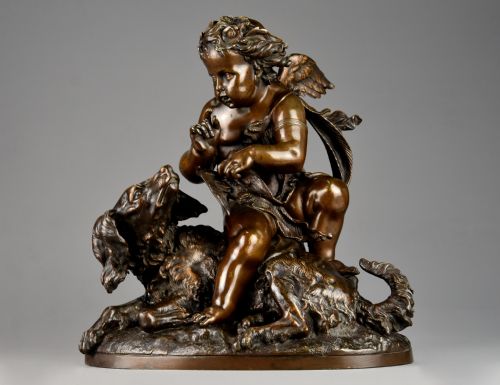
The refinement of the casting and chiseled surface detail separates standard production figures from superior works. Foundries that invested time in hand-chasing the raw bronze achieved sharper facial expressions, distinct feather definition on wings, and more convincing drapery folds.
Material combination and mounting integrity dictate the overall calibre of the piece. Superior examples utilise heavy, genuine marble or onyx bases paired with patinated or gilt bronze possessing a deep, stable surface finish rather than applied modern coatings.
The Victorian Cherub Statue Glossary
- Putto
- A plump, often winged male child figure common in classical art. These winged figures frequently appear in nineteenth century bronze and marble sculptures.
- Grand Tour
- A cultural journey undertaken by nineteenth century europeans collecting classical antiquities. Statues bought on these travels often formed the basis for later Victorian bronze casts.
- Patinated Bronze
- Metal treated with chemical solutions to produce a controlled surface colour. This process protects the bronze while enhancing the visual depth of the sculptural form.
- Rococo Revival
- A nineteenth century design style referencing eighteenth century french ornamentation. The style favours asymmetric scrolls, naturalistic foliage, and playful cherubic motifs.
Victorian Cherub Statue: Frequently Asked Questions
Where were these statues placed originally?
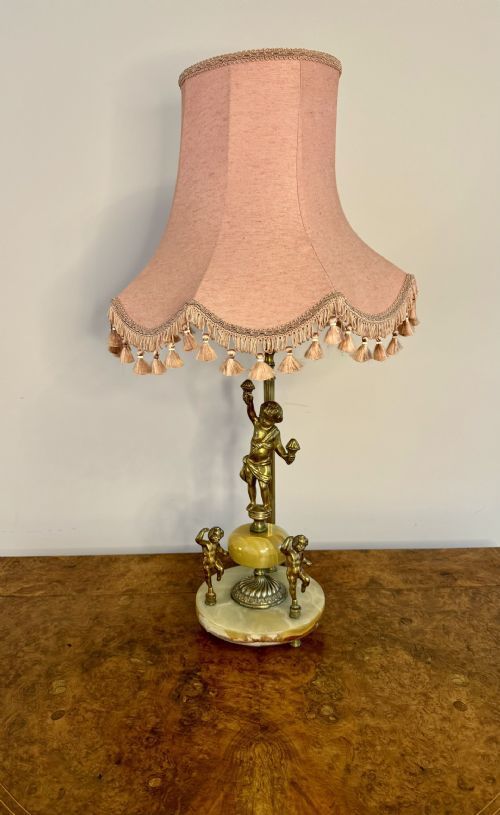
Nineteenth century interiors accommodated these figures on mantelpieces, an d pedestals as decorative accents or functional items like bookends and table lamps.
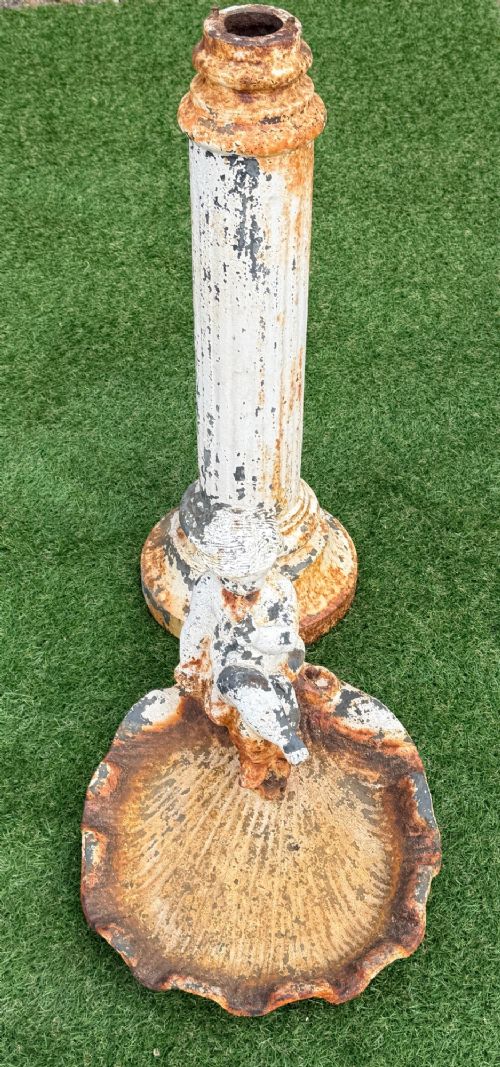
Larger lead and cast iron examples found positions in gardens, courtyards, and terraces as bird baths or architectural ornaments.
How do I clean a bronze cherub?
Dust the surface regularly with a soft, dry cloth to prevent particulate buildup on the metal.
Avoid abrasive cleaners or chemical polishes that strip the original patination from the bronze.
Are these pieces solid bronze?
Many nineteenth century sculptures are cast bronze, though some larger works utilise hollow construction to manage weight.
Base materials often incorporate marble, onyx, or slate to provide necessary stability for the metal figures.
How do I distinguish French and Italian pieces?
French foundry work from the period often displays meticulous surface chasing and rich patination on classical or rococo subjects.
Italian works frequently reflect Grand Tour traditions, utilising local marbles and alabaster alongside classical bronze casting.