

Cream Painted Mirror
When you search for a cream painted mirror, you enter a world of reflective glass, gesso, and historic wood frames designed to brighten historic interiors.
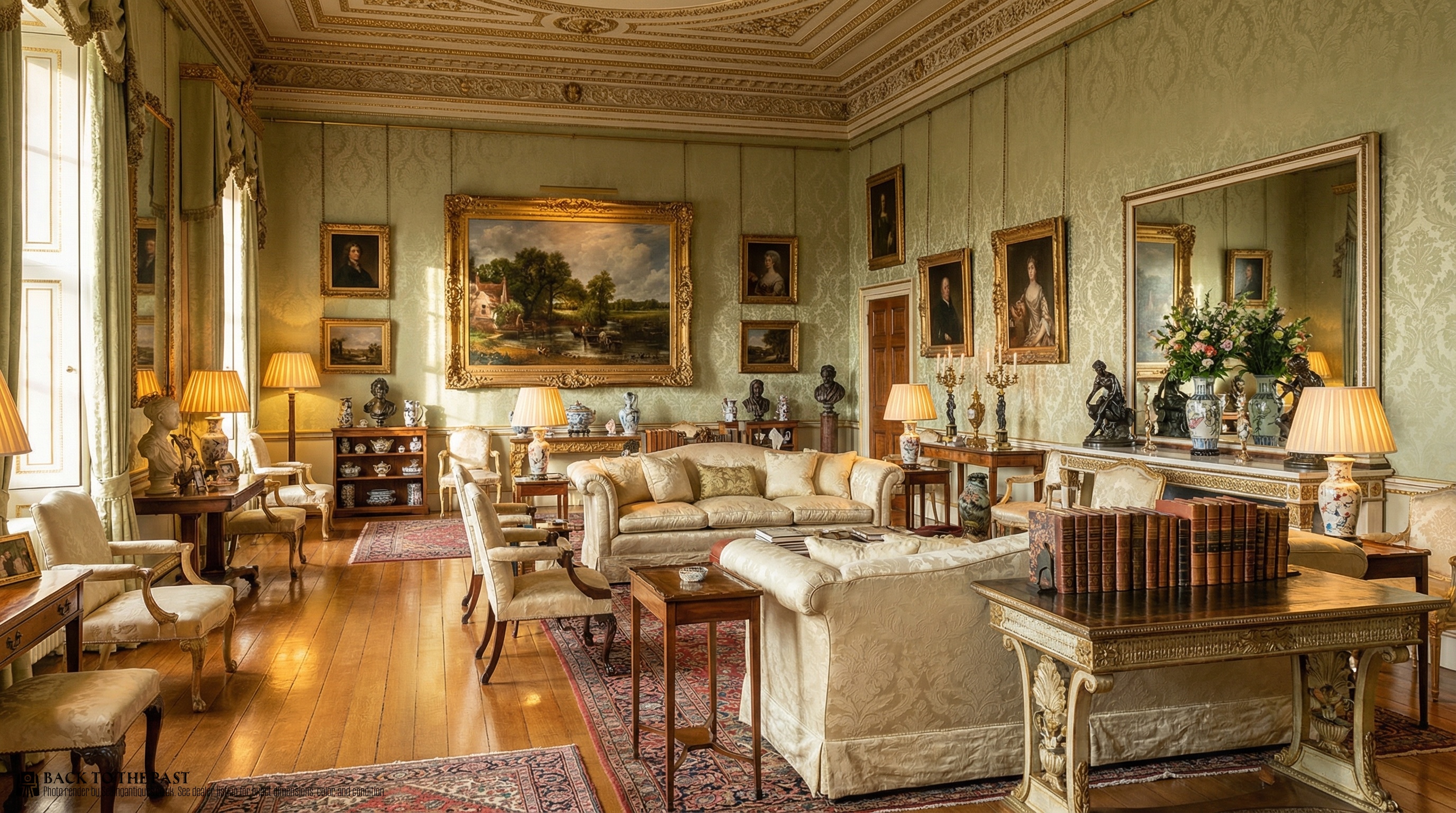
Cream Painted Mirror
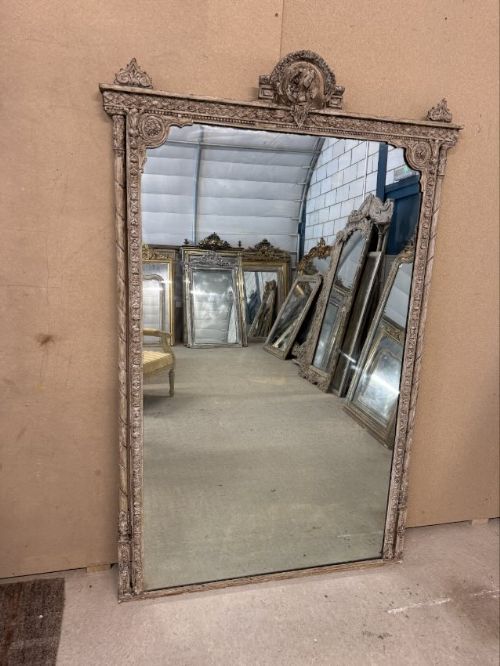
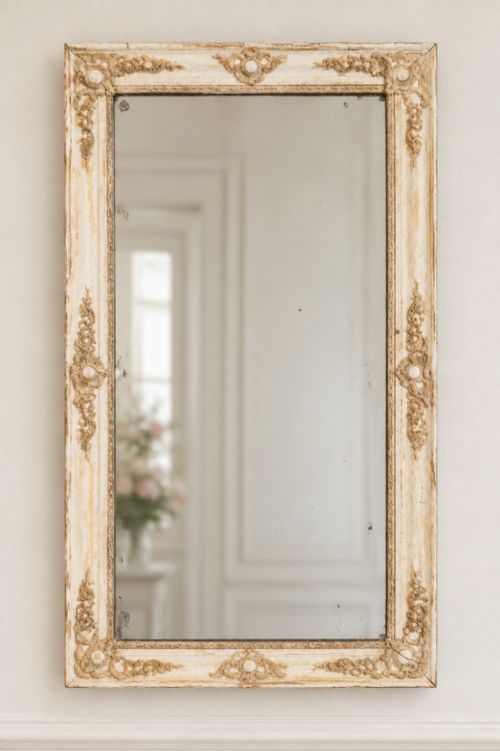
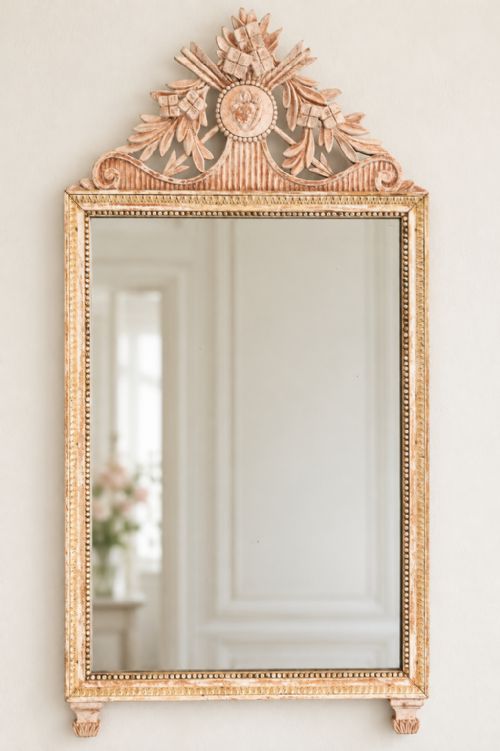
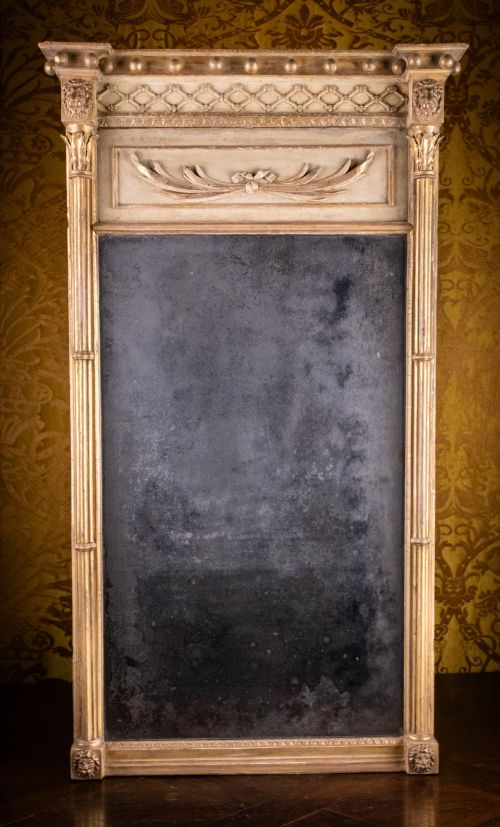
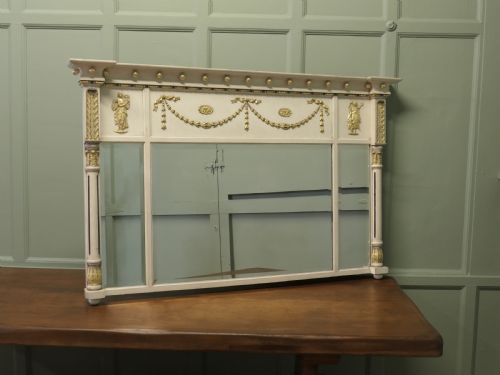
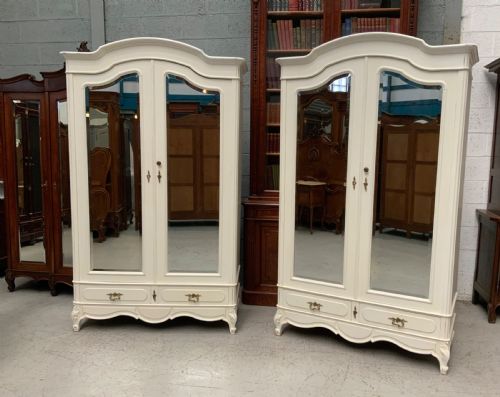
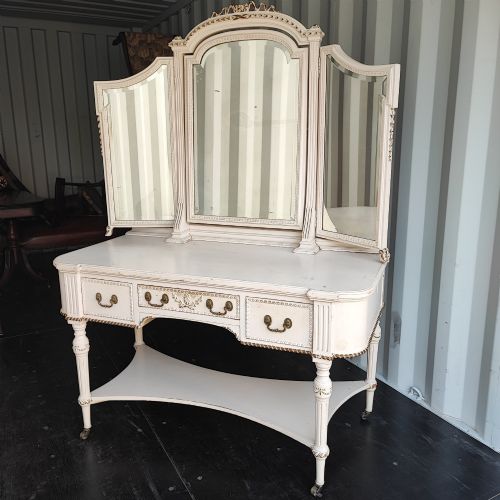
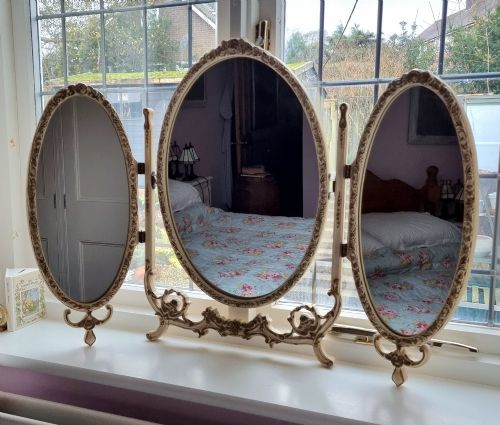
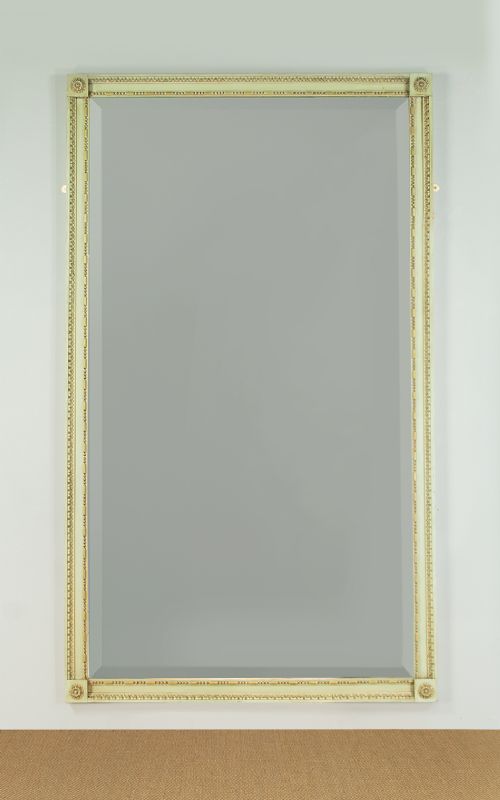
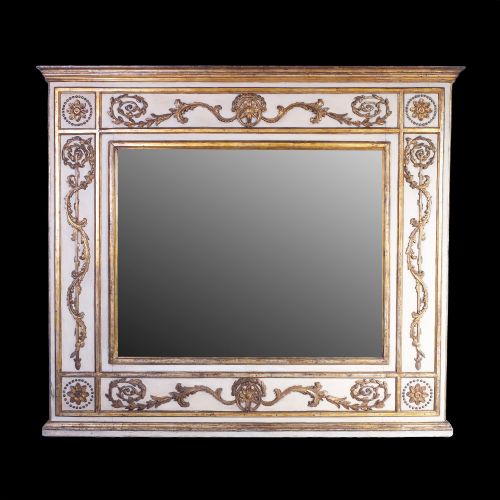
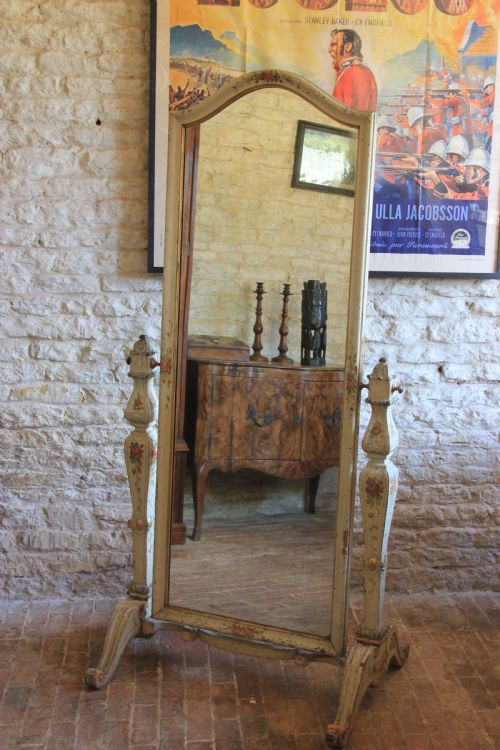
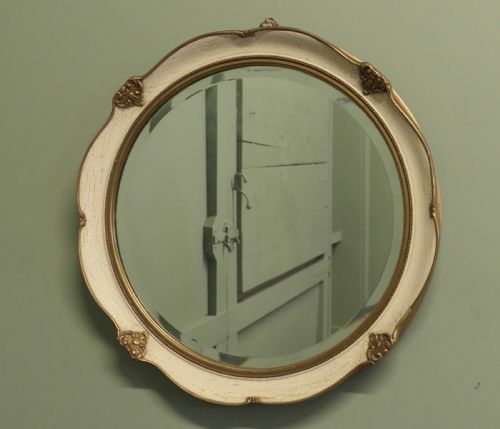
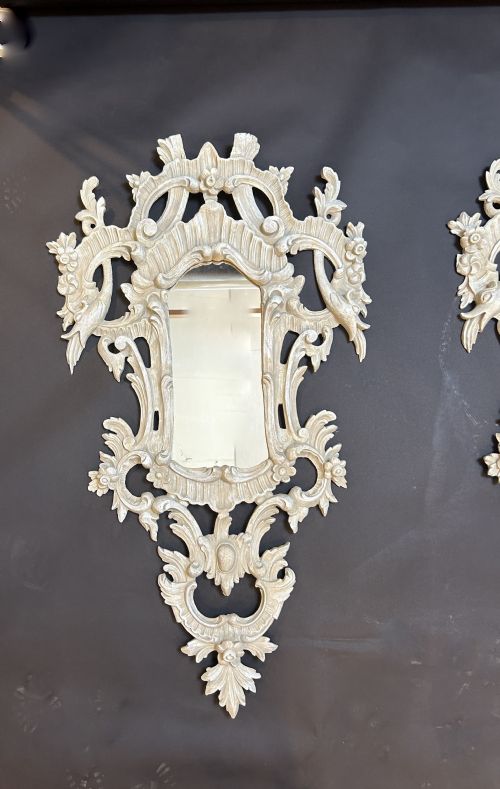
A cream painted mirror brings together centuries of decorative woodwork and reflective glass, ranging from compact wall hangings to expansive architectural pieces. When people search for a cream painted mirror, they frequently encounter large nineteenth-century French trumeau panels and English overmantels finished in distressed or original light pigments.
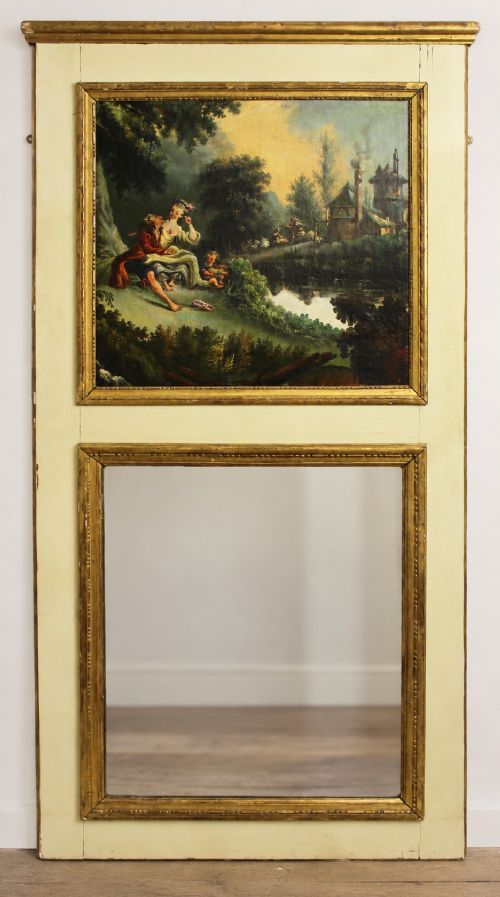
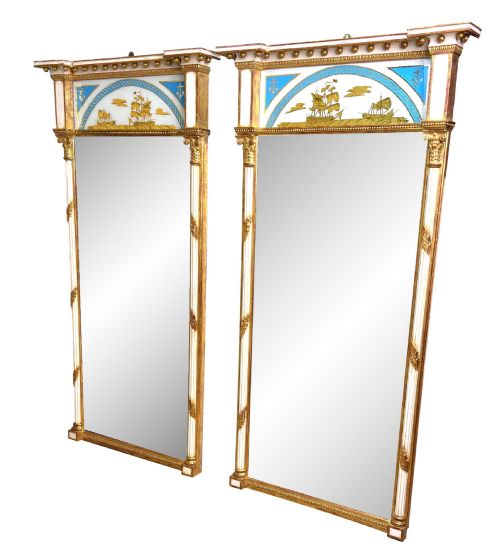
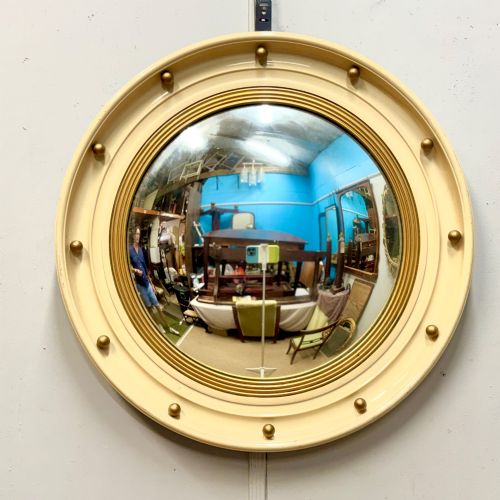
The selection encompasses diverse regional forms, including Italian pier glasses, convex round butler mirrors, and arched wall frames. Many incorporate parcel-gilt detailing, lion masks, or pastoral oil paintings set directly into the upper wooden panel.
Makers and craftsmen utilised pine and various hardwoods as bases for heavy gesso mouldings, applying layered cream pigments that gained character through decades of gentle wear. These objects served traditionally to bounce natural light around dark Victorian and Regency rooms, a function they continue to perform in contemporary spaces.
Materials and construction
Carved wooden foundations, often formed from solid pine or shaped timber, provide the structural core for these frames. Artisans applied successive coats of gesso, a plaster-like mixture, over the wood to build up intricate scrollwork, floral motifs, and architectural mouldings.
Surface decoration relied on oil-based paints mixed to creamy tones, frequently paired with gold leaf or parcel-gilt highlights applied to raised edges. Mirror plates themselves were secured into the rebates behind wooden backs, utilising historic glass methods that sometimes display minor foxing or crackle finishes.
Cream Painted Mirror Retail Price Guide 2026
Typical asking prices for cream painted mirror among the pieces listed under this phrase on Sellingantiques today, from the lower quarter to the upper quarter. They describe what is for sale here now, not the wider market.
Listings feature eighteenth and nineteenth-century forms including French trumeaux, English overmantels, and Italian pier mirrors constructed from painted wood and gesso.
Judging the standard
Quality rests in the crispness of the hand-carved wooden details beneath the gesso and paint layers, where lesser examples show blurred edges and heavy, uniform modern compounding. The integrity of the surface finish matters greatly, distinguishing pieces with original patinated cream paint from those subjected to later, unsympathetic re-painting.
Proportion and scale dictate the success of the frame, particularly in grand overmantels and trumeaux where the balance between the mirror glass and the upper panel determines the visual weight. Superior examples retain their original mirror plates, backboards, and gilding without major structural alterations to the main timber frame.
Maples of London and Paris
The Cream Painted Mirror Glossary
- Trumeau
- A decorative wall mirror featuring an upper panel that often contains an oil painting or carved relief. These architectural elements originated in eighteenth-century French interior design.
- Gesso
- A prepared mixture of chalk, gypsum, and glue used as a base for moulding fine decorative relief work on wooden frames. Artisans carved and gilded directly onto this smooth dried surface.
- Overmantel
- A large mirror designed specifically to hang on the wall above a fireplace mantelpiece. Their horizontal proportions historically served to reflect room light downwards into the hearth area.
- Parcel-gilt
- A decorative technique where specific raised portions of a painted surface receive thin applications of gold leaf. This method highlights carved details against the cream background.
- Pier glass
- A tall, narrow mirror manufactured to hang on the wall space between two windows. They often sat above matching console tables or small decorative wall shelves.
Cream Painted Mirror: Frequently Asked Questions
Where should I hang a large overmantel mirror?
These large architectural frames sit naturally above a fireplace mantelpiece to anchor the proportions of a principal reception room. Their scale also suits placement along a primary dining room wall where they reflect surrounding light.
Ensure the wall fixings engage securely with structural studs or masonry, as historic timber frames carry significant weight from the wood and glass plate combined.
How do I care for antique painted wood and gesso?
Dust the carved frame gently with a dry, soft-bristled brush to prevent particulate buildup within the intricate gesso recesses. Avoid liquid chemical polishes or modern detergents, which can soften historic paint layers and damage underlying chalk grounds.
Keep the mirror positioned away from direct, harsh sunlight and excessive moisture fluctuations to protect the integrity of the antique pine and gold leaf highlights.
What is the difference between an original and a later painted finish?
Original painted surfaces show natural craquelure, subtle fading, and consistent wear patterns accumulated across decades of domestic use. Later cosmetic over-painting often conceals the fine detail of the underlying gesso mouldings and lacks the subtle depth of historic pigment layers.
Examine the edges where paint meets the mirror rebate to identify earlier underlying colour schemes or bare wood grain.
Can these mirrors be used in a bathroom?
Historic frames featuring exposed pine, gesso, and traditional water-based or oil paints suffer in humid environments. Moisture causes the gesso to swell and crack, while dampness accelerates foxing within the historic mirror glass.
Dry, well-ventilated hallways, bedrooms, and drawing rooms provide a safer environment for preserving antique frames.