



Cream Mounted Wall Prints
Cream mounted wall prints bring together framed paper works from the eighteenth to the twentieth centuries, offering an accessible route into period decoration.
Cream Mounted Wall Prints
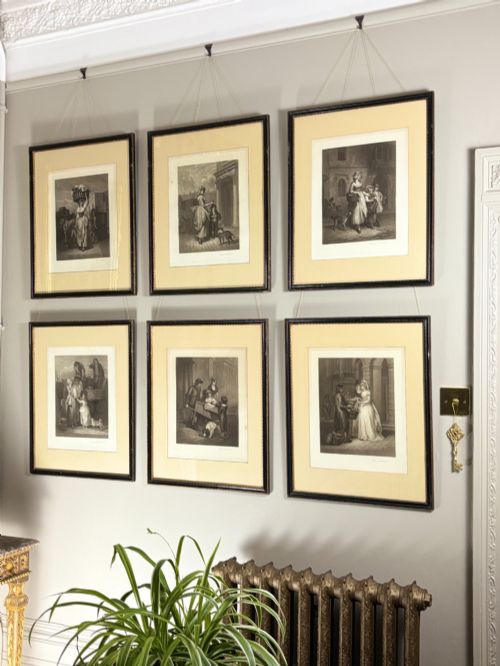
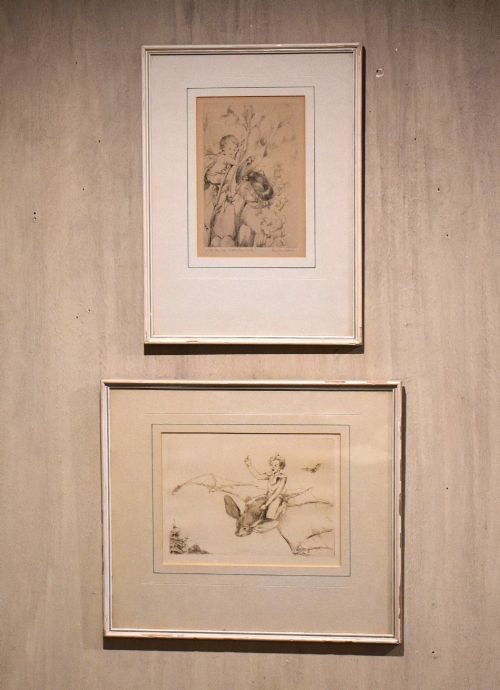
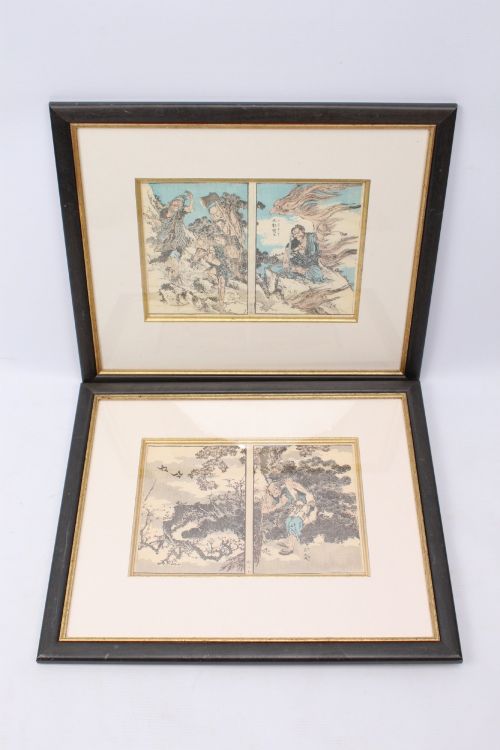
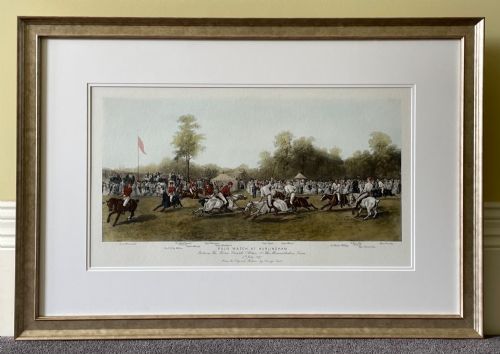
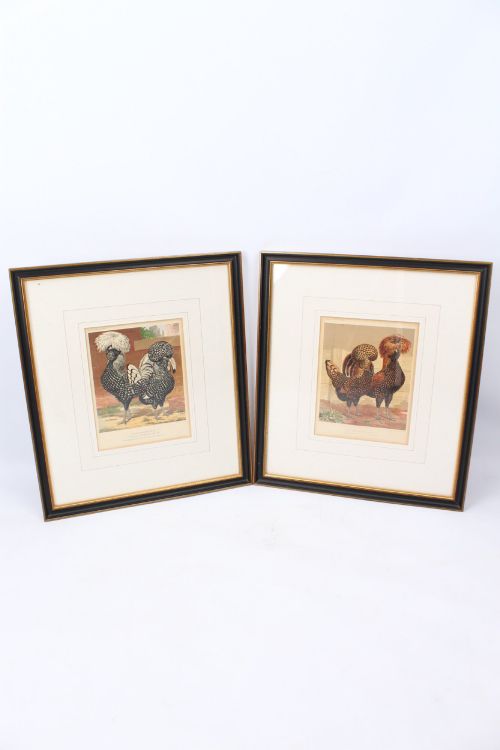
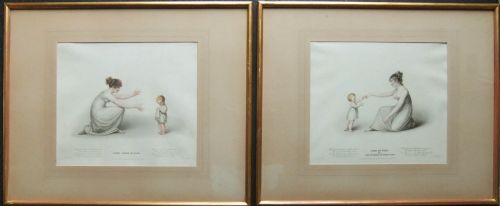
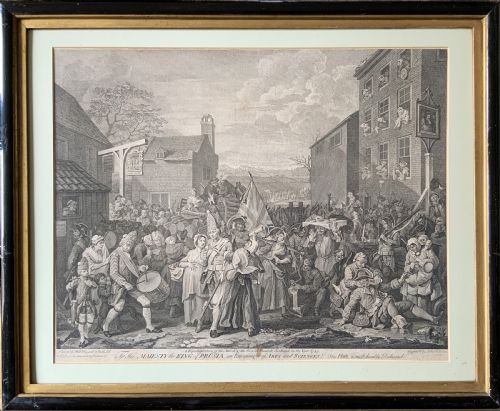
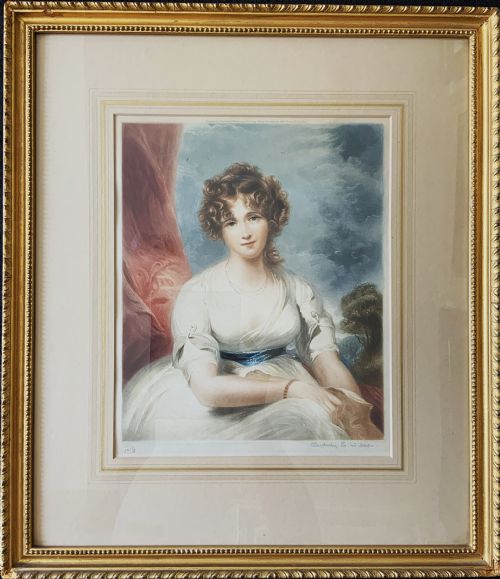
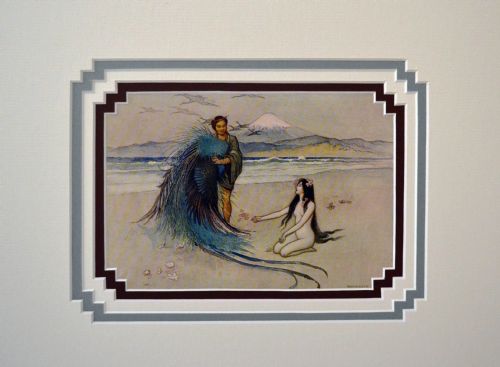
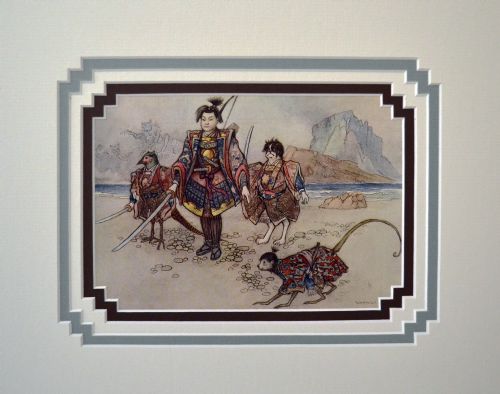
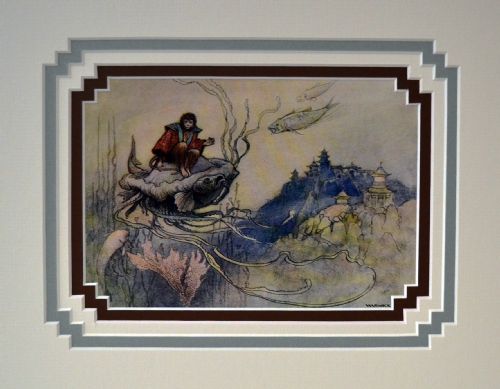
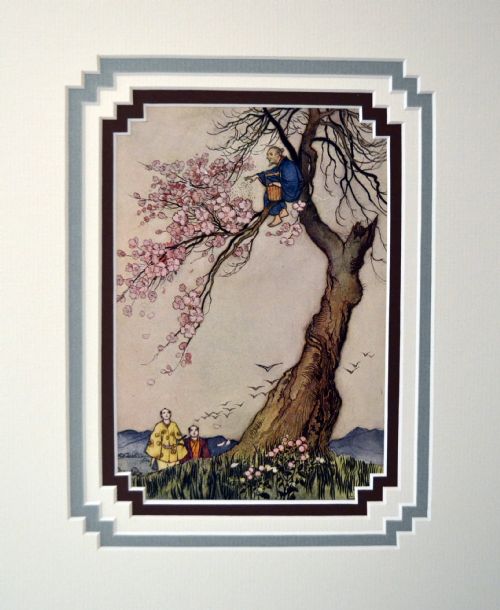
Cream mounted wall prints encompass a diverse range of works on paper, including mezzotints, woodblock prints, lithographs, and engravings framed for display. These pieces span from the Georgian era through Victorian, Edwardian, and mid-century periods, capturing subjects as varied as sporting scenes, Japanese fairy tales, and topographical maps.
Buyers seeking these works will frequently encounter framed prints and watercolours set against neutral mounts that highlight the aged paper beneath glass. The selection ranges from nineteenth-century illustrative plates to early twentieth-century artist proofs and Japanese woodblocks.
Factors that distinguish quality
Quality rests in the clarity of the impression and the precision of the medium, whether it is a sharply inked engraving or the delicate brushwork of a watercolour. Stronger examples display crisp plate marks and well-preserved ink density without excessive fading.
The integrity of the paper and the quality of the surrounding mount also shape the piece. Balanced proportions in the framing and the absence of heavy staining across the paper elevate the standing of the work.
Cream Mounted Wall Prints Retail Price Guide 2026
Typical asking prices for cream mounted wall prints among the pieces listed under this phrase on Sellingantiques today, from the lower quarter to the upper quarter. They describe what is for sale here now, not the wider market.
Materials in these listings span paper, glass, wood, cardboard, watercolour, gilt wood, ink, and gold leaf across multiple centuries.
Thomas G Appleton·Marjorie L Davies·Hokusai·Adam Buck·William Hogarth·Luke Sullivan·Sydney Wilson·Warwick Goble·Louis Wain·Charles F Tunnicliffe·J Duncan·C Smith·T Fairfax
The Cream Mounted Wall Prints Glossary
- Mezzotint
- A printmaking process where the copper plate is roughened to produce rich tonal gradations rather than simple lines. This technique allows for subtle shifts in light and shadow across the image.
- Woodblock
- A relief printing method where an image is carved into a block of wood, inked, and transferred to paper. It is particularly associated with Japanese prints.
- Lithograph
- A planographic printing process based on the repulsion of oil and water on a flat stone or metal plate. Artists use this method to capture fluid, painterly marks.
- Engraving
- A technique where an artist cuts lines directly into a metal plate with a burin to hold the ink. The resulting impressions are known for their fine, precise detail.
Cream Mounted Wall Prints: Frequently Asked Questions
How should I hang these framed prints?
Hang these pieces away from direct sunlight to protect the paper and watercolour pigments from fading over time. Ensure the wall fixings match the weight of the wooden frames and glass.
Keep them in stable room conditions to prevent the cardboard mounts and paper from absorbing excess moisture.
Are these works original prints?
The selection includes original period engravings, lithographs, and woodblock prints created during the eras of the respective artists. Many bear signatures or publisher details from their original production dates.
Reproduction methods differ by medium, with techniques like mezzotint and woodblock requiring distinct hand-pulling processes.
How do I identify the period of a print?
Dating relies on the paper type, printing technique, and stylistic markers associated with periods like the Georgian or Edwardian eras. Signatures, publishing dates, and framing materials often provide direct clues.
Examining the plate marks and the texture of the paper helps distinguish eighteenth-century engravings from later twentieth-century productions.
What subjects are most common?
The subjects range widely from satirical and sporting scenes to traditional Japanese tales and topographical maps of counties like Surrey. Natural history subjects, such as birds and animals, also appear frequently.
Portraiture and literary illustrations form another significant part of the selection, reflecting the popular tastes of their respective decades.