

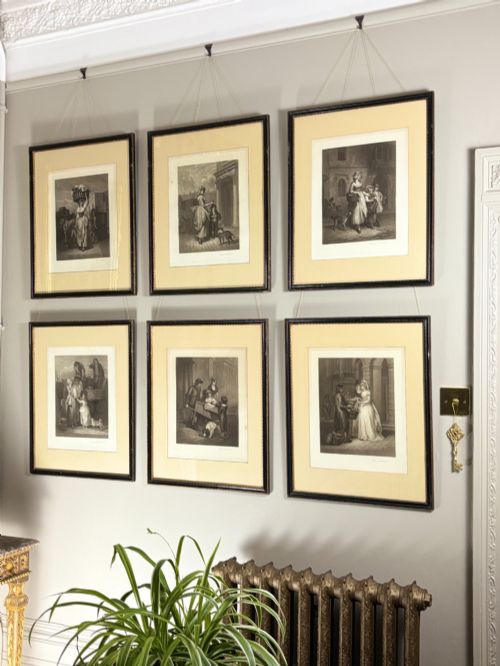
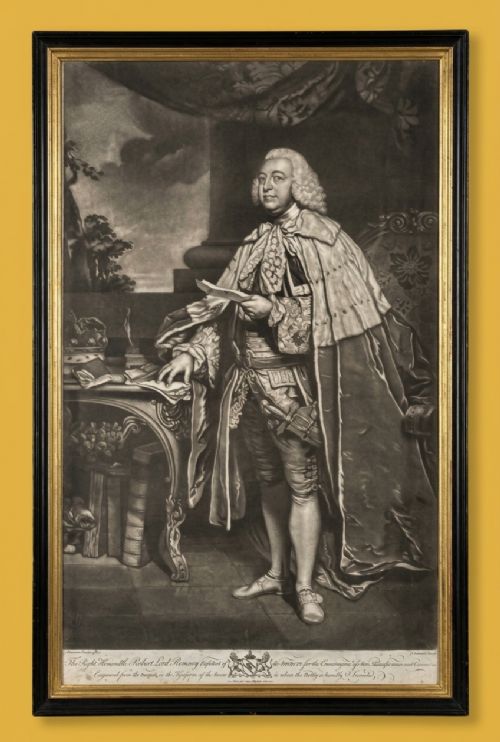
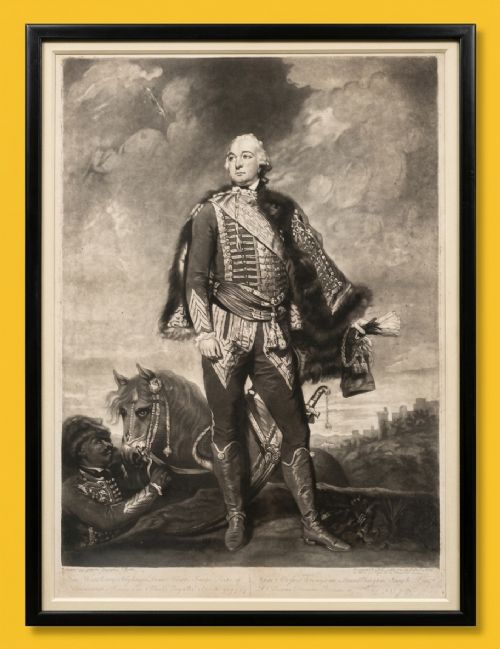
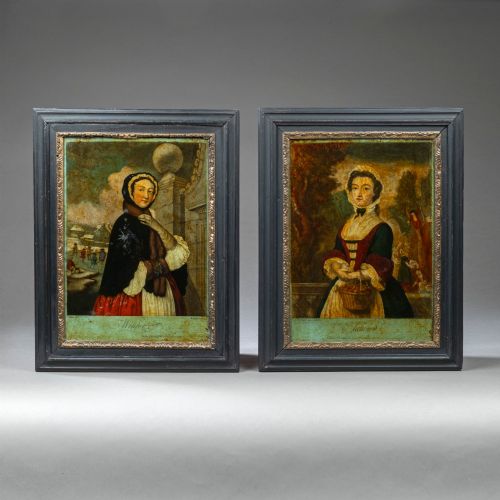



Black Framed Mezzotint Art
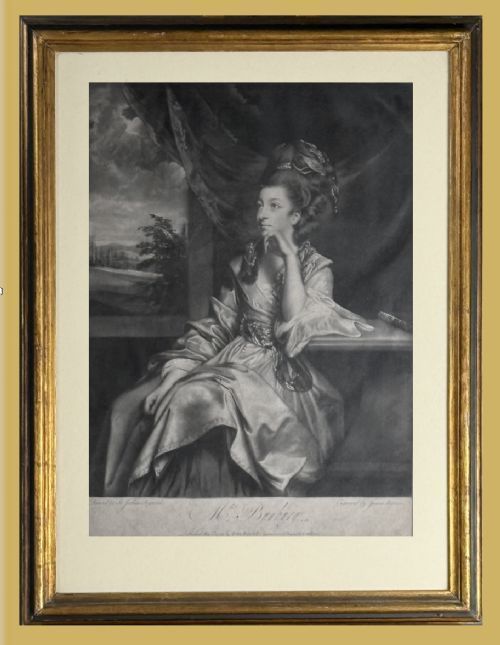
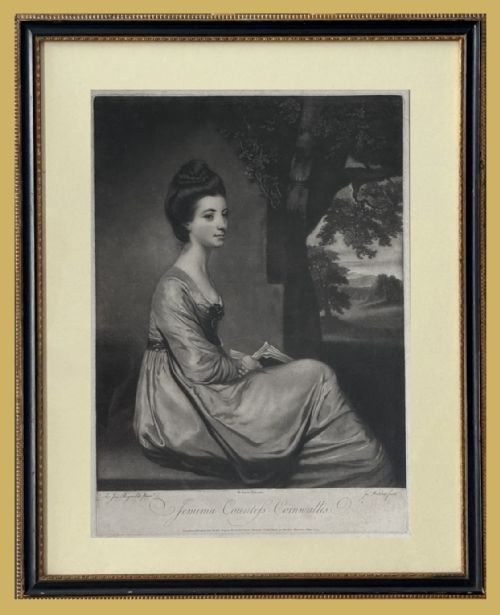
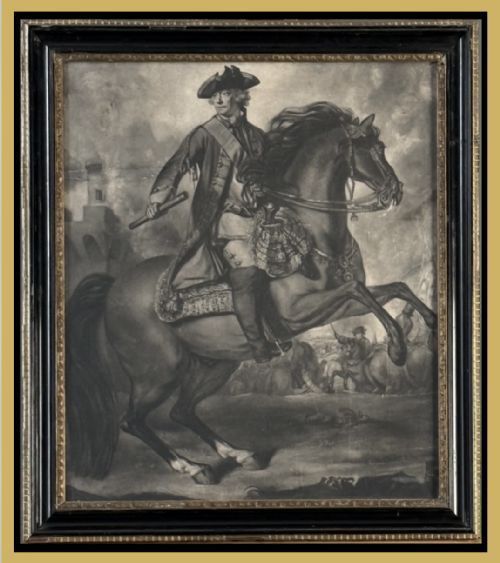
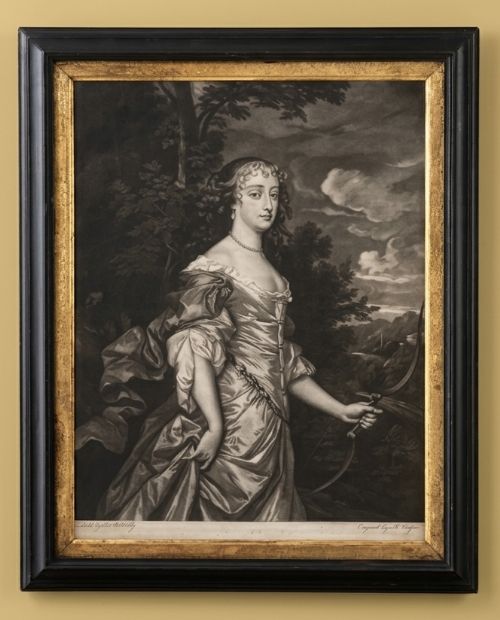
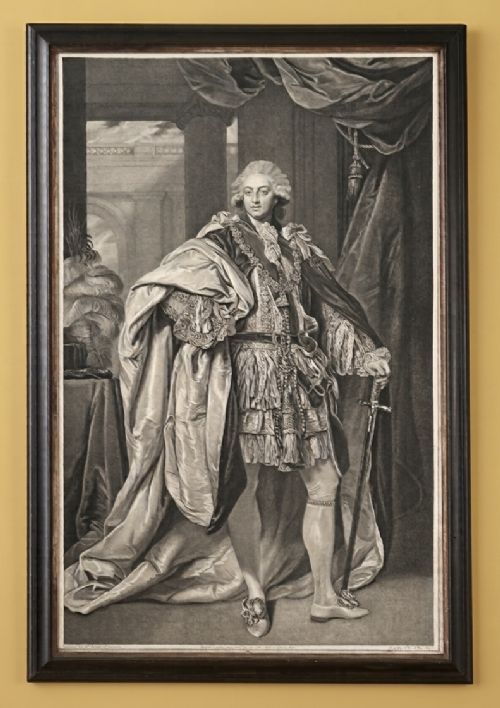
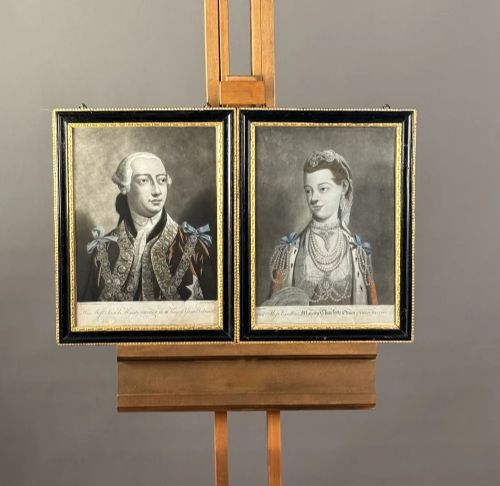
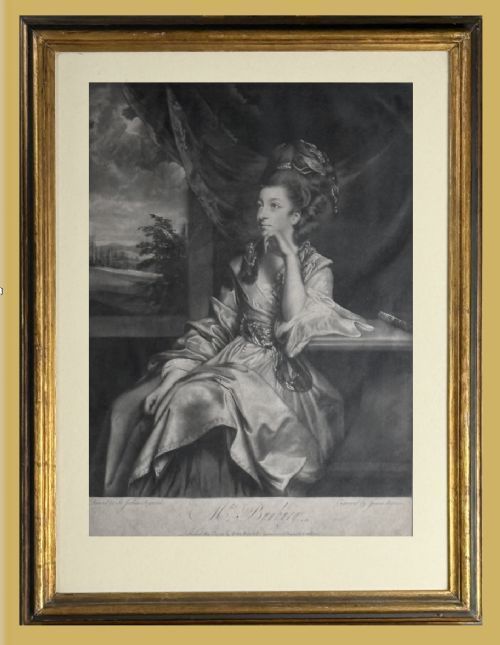
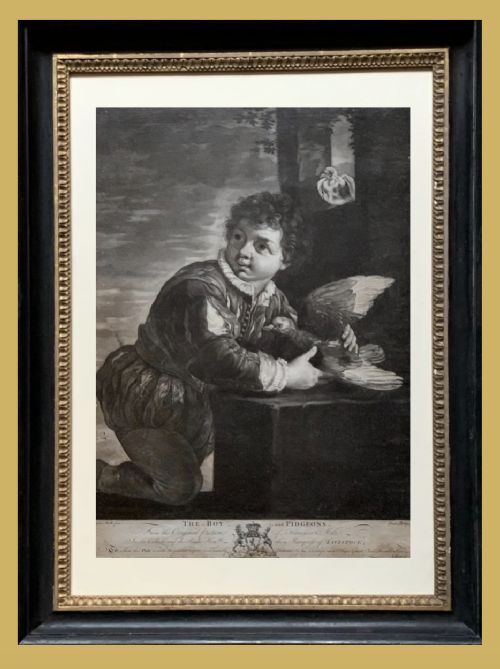
Black framed mezzotint art brings together rich tonal portraiture and period darkwood mouldings spanning the seventeenth and eighteenth centuries.
Black Framed Mezzotint Art
Black framed mezzotint art comprises historic ink printings on paper, often housed in traditional dark timber or Hogarth frames that complement the deep tones of the medium.
The selections on this page centre on seventeenth and eighteenth-century British portraiture, recording notable figures, nobility and allegorical subjects after prominent painters.
Engravers such as John Smith, James Watson and Edward Fisher translated canvases by Sir Joshua Reynolds, Sir Peter Lely and Sir Godfrey Kneller into tonal printed editions.
Materials and technique
Printmakers prepared copper plates by roughening the surface evenly with a rocker to hold ink across deep tonal ranges, producing velvety dark backgrounds.
Makers burnished highlights back into the metal plate to create gradual transitions of light and shade before pressing the inked surface onto paper.
Finished works utilise applied pigment, occasional hand-colouring, and reverse glass techniques within protective wood and gold leaf frames.
Black Framed Mezzotint Art Retail Price Guide 2026
Typical asking prices for black framed mezzotint art among the pieces listed under this phrase on Sellingantiques today, from the lower quarter to the upper quarter. They describe what is for sale here now, not the wider market.
Listings feature paper, glass, wood, ink, and gold leaf combined within Georgian, Regency, and Baroque stylistic traditions.
Distinctions in quality
Impression strength dictates clarity, where early pulls display deep contrasts and sharp details while worn plates yield softer, muddier tones.
The integrity of the original frame and paper survival determine overall preservation, distinguishing untouched historic mountings from later replacements.
John Smith·James Watson·Edward Fisher·Valentine Green·John Faber Jr
The Black Framed Mezzotint Art Glossary
- Mezzotint
- A printmaking process where a textured copper plate holds ink to produce rich gradients of light and dark. It relies on working from dark to light rather than drawing lines.
- Hogarth frame
- A moulded wooden picture frame featuring a stepped profile, typically finished in dark or black lacquer. These mouldings suit seventeenth and eighteenth-century portraits.
- Reverse glass painting
- An artwork created by applying pigment and ink to the reverse side of a glass panel to be viewed from the front. This method protects the colours from dust and fading.
- State
- A stage in the progression of an engraved plate as alterations or additions are made by the printmaker. Collectors track these variations to date specific impressions.
Black Framed Mezzotint Art: Frequently Asked Questions
How do I hang black framed mezzotint art safely?
Hang these works away from direct sunlight to protect the paper and ink from fading over time. Secure the heavy timber and glass weights using proper wall fixings suited to your plaster.
Keep the pieces in stable room environments with minimal humidity changes to preserve both the antique paper and the wooden frames.
What periods do these framed prints cover?
The inventory spans the seventeenth, eighteenth, and nineteenth centuries, capturing Georgian and Regency aesthetics alongside earlier Restoration styles. Most portrait examples originate from the seventeen-hundreds.
Earlier pieces often feature monarchs and nobility by foundational engravers, while later nineteenth-century examples continue the traditional mezzotint craft.
Are the frames original to the prints?
Many pieces retain period dark wood or Hogarth-style frames that match the historic eras of the plates. Some works have been reframed later in their lifespan to ensure ongoing protection.
Examine the joinery and backing materials to understand the age relationship between the historic print and its current border.
How are reverse glass mezzotints different?
Reverse glass mezzotints involve applying the image directly behind a glass plate rather than onto standard paper. This technique imparts a glossy finish and distinct depth to the underlying tones.
These pieces require careful handling due to the fragile nature of the glass substrate combined with traditional wooden surrounds.