

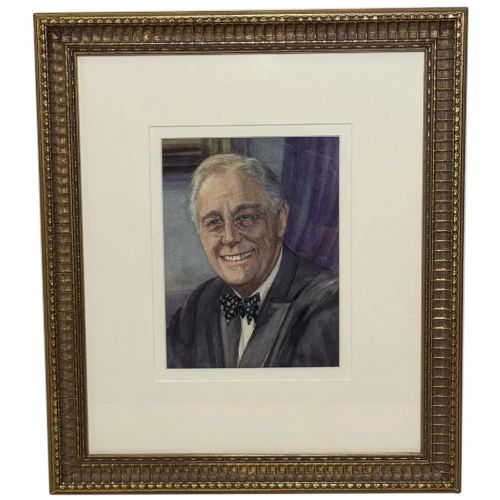


Cream Mounted Painting
A cream mounted painting brings together paper and pigment within a pale frame, offering a refined focal point for any wall.
Cream Mounted Painting
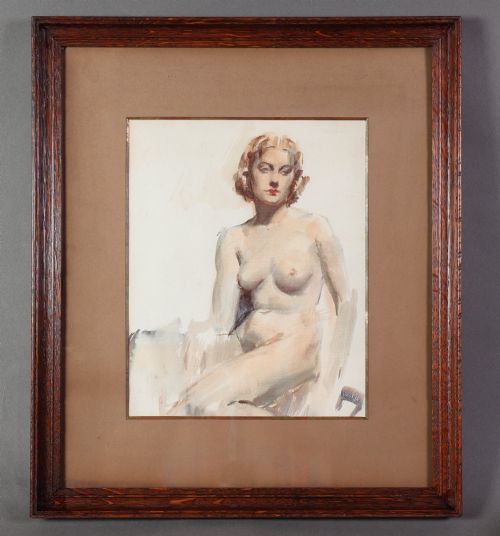
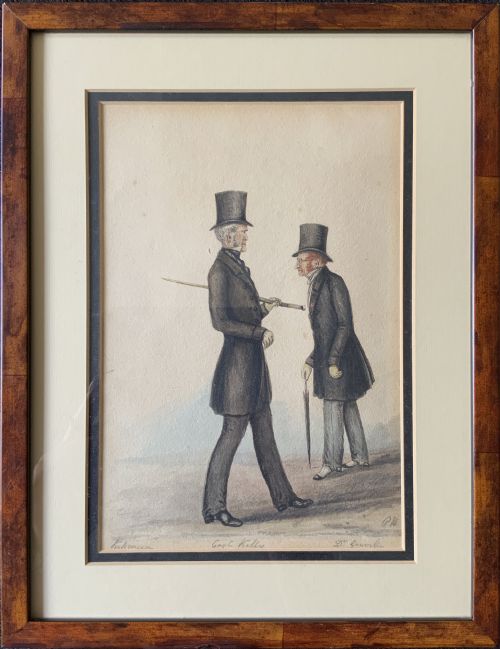
When searching for a cream mounted painting, collectors encounter a diverse selection of works on paper, primarily watercolours framed or bordered in neutral tones. These pieces span the nineteenth and twentieth centuries, encompassing Victorian works, early twentieth-century illustrations, and Grand Tour souvenirs.
The assortment includes original portraits, architectural landmarks, and caricatures executed by British and European artists. Many are presented beneath glass within wood or painted frames, highlighting the delicate qualities of the pigment beneath.
How they were made
Watercolour paint applied to paper forms the core technique across these works, often combined with ink or pencil underdrawing. The support materials rely on traditional paper substrates housed within wooden frames and protected by glass.
Mounting typically involves paper or card surrounds that separate the artwork from the glass, preserving the pigment over decades of display. Wood and painted finishes shape the exterior presentation of the framed items.
Listings span the nineteenth century to the mid-twentieth century, featuring paper, glass, wood, and watercolour.
What varies in quality
The distinction between standard works and exceptional pieces rests upon the precision of the brushwork and the clarity of the composition. Named artists with documented exhibition histories elevate the standing of a watercolour.
Condition plays a central role, particularly the preservation of the paper support and the stability of the pigment against fading. Original mounts and period frames contribute significantly to the integrity of the piece.
J Hardy Junior·Charles F Tunnicliffe·Stanley Orchart·James H Hulse·Belisario Gioja·Alfred Rimmer·Karl Feiertag
The Cream Mounted Painting Glossary
- Watercolour
- A painting method in which the paints are made of pigments suspended in a water-based solution. This technique allows for transparent washes of colour on paper supports.
- Grand Tour
- A traditional trip through Europe undertaken by upper-class European young men of means in the 18th and 19th centuries. Souvenirs often included topographical paintings and architectural watercolours.
- Victorian
- Relating to the reign of Queen Victoria from 1837 to 1901. This era produced varied painting styles ranging from detailed academic watercolours to informal caricatures.
Cream Mounted Painting: Frequently Asked Questions
How should I hang a watercolour painting?
Watercolours are sensitive to bright sunlight and direct heat sources. Position them away from windows to prevent the pigments from fading over time.
Ensure the wall fixings are secure and use picture wire appropriate for the weight of the wood frame and glass.
What periods do these paintings represent?
The selection spans the nineteenth century through to the mid-twentieth century. Victorian examples sit alongside early twentieth-century illustrations and mid-century British works.
Dates are generally verified through signatures, inscriptions, or the style of the mounting and framing materials.
Are these paintings supplied with glass?
Most works on paper require glass protection to shield the delicate watercolour pigment from dust and atmospheric moisture.
The glass sits slightly above the painted surface using a mount, ensuring the paper does not touch the pane directly.
How do I identify a nineteenth-century watercolour?
Examine the paper stock for texture, watermarks, and hand-cut edges typical of older manufacturing methods. Pigment analysis and artist signatures often provide further chronological clues.
Framing elements such as early wooden mouldings and backing boards also indicate nineteenth-century origins.