




1940s Watercolour Painting
These 1940s watercolour painting works capture mid-century moments on paper, offering buyers authentic period charm and intimate scenes.
1940s Watercolour Painting
A 1940s watercolour painting is an original work on paper originating from the 1940 period, encompassing styles such as Modern British, Mid-Century Modern, and Art Deco. These pieces include framed artwork, wall art, and original paintings depicting varied subjects.
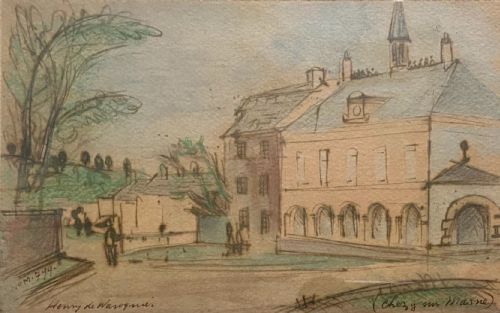
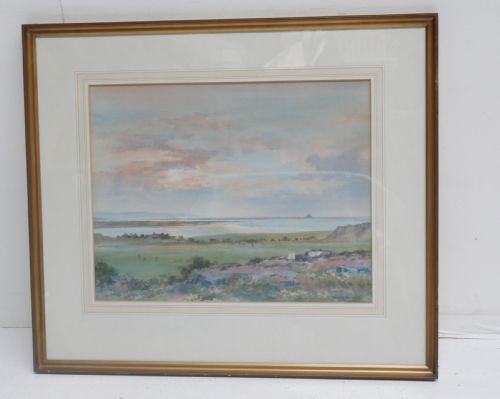
Buyers frequently encounter still life compositions of flowers and fruit, architectural townscapes, coastal harbour scenes, and landscape views. Many examples reflect wartime creation dates or specific mid-century British school aesthetics.
How they were made
Artists applied watercolour paint directly to paper supports, frequently combining the medium with ink, pencil, and crayon to build depth and line work. Mixed media drawings utilise these combined materials to define figures, buildings, and natural subjects.
Finished works are secured behind glass within wooden frames to protect the delicate paper surface from environmental damage. This traditional framing method preserves the original pigment layers and works on paper integrity.
One unexpected 1940s watercolour served as commercial art to advertise Harrods.
What varies in quality
Quality differences stem from the distinct stylistic execution of the artist and the complexity of the composition, ranging from simple landscape sketches to detailed still life arrangements. The strength of the draughtsmanship in underlying pencil or ink work distinguishes finer pieces.
Condition and preservation of the paper support influence the overall standard, alongside the character of the associated wooden and glass framing. Works carrying documented provenance or specific wartime context hold distinct significance within the category.
Henry de Waroquier·James Tower·William Tuck·J W Hogley·Frank Wood·Clarence Woodburn·Irene Lagut·Fred Lawson·Earl Haig
The 1940s Watercolour Painting Glossary
- Watercolour paint
- A water-based medium utilising finely ground pigments suspended in a binder, applied to paper to create translucent washes of colour. This forms the primary medium across the listed artworks.
- Mixed media
- An artwork combining two or more distinct artistic materials on a single support. Pieces in this category frequently mix watercolour with ink, pencil, or crayon.
- Works on paper
- A collective term for artistic creations executed on paper supports, including watercolours, drawings, and original paintings. This classification highlights the specific medium rather than the final framed presentation.
- Modern British
- An umbrella style designation encompassing art produced in Britain during the mid-20th century. It reflects the broader artistic movements visible in the selection.
1940s Watercolour Painting: Frequently Asked Questions
How should I hang a watercolour painting?
Position the framed artwork away from direct sunlight to prevent fading of the delicate water-based pigments on paper. Maintaining stable indoor humidity protects both the paper support and the wooden frame.
Ensure the glass is cleaned gently with a dry cloth without spraying liquid directly onto the frame rebate.
Are these works original paintings?
Every piece listed is an original work on paper rather than a modern reproduction or print. Artists created each painting by hand during the 1940 period.
Signatures, dates, and inscriptions on the works often help confirm their authentic origin.
What subjects appear most often?
The selection includes still life arrangements of flowers in jugs alongside bowls of fruit and everyday objects. Landscapes, architectural townscapes, and coastal harbour views also feature prominently.
Several pieces record specific wartime scenes and commercial advertising commissions from the decade.
How do I identify the period?
Dating relies on inscribed years, artist signatures, and stylistic markers associated with mid-century modern and wartime British art. Material use, such as period framing and paper types, supports these visual indicators.
Comparing subject matter and technique with known works by recorded makers confirms the 1940 timeframe.