


Cream Crackle Glaze Vase
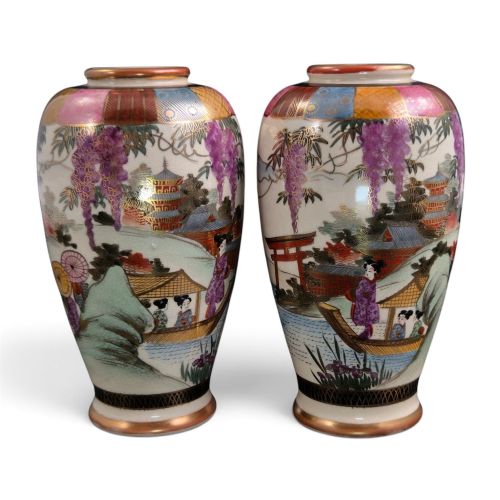
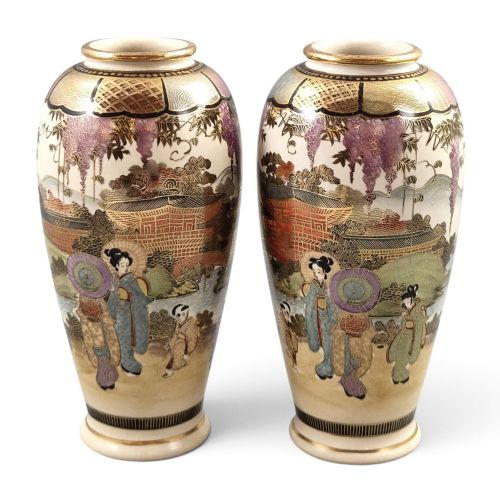
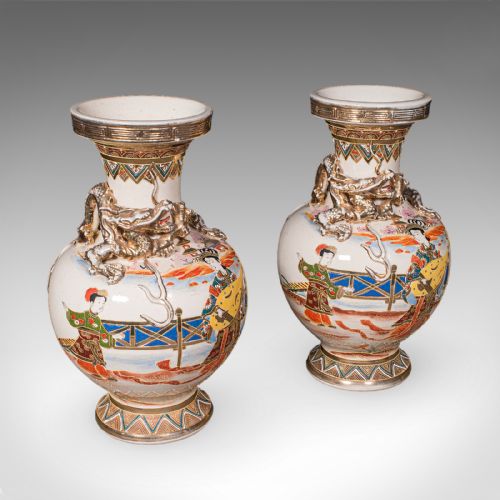
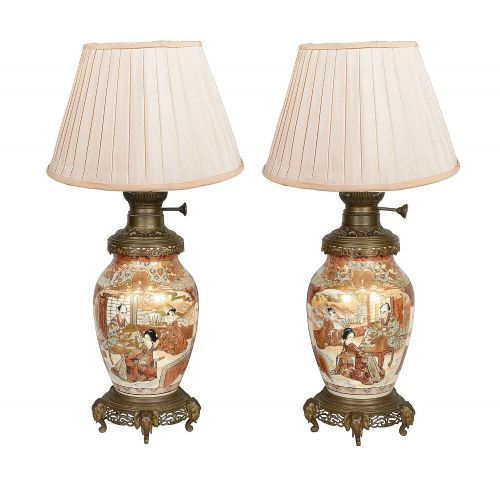
A cream crackle glaze vase brings intricate Japanese artistry into a room, offering the subtle textural warmth of fine Satsuma earthenware.
What a cream crackle glaze vase is
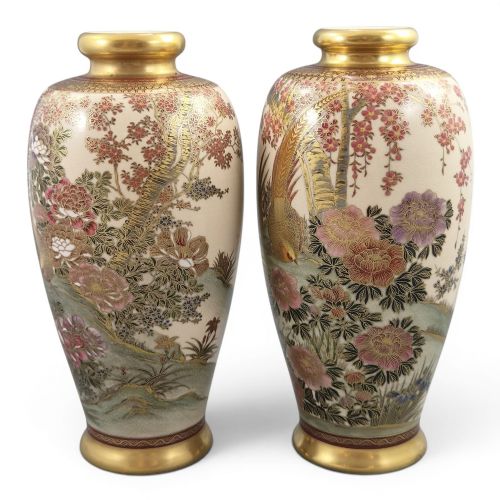
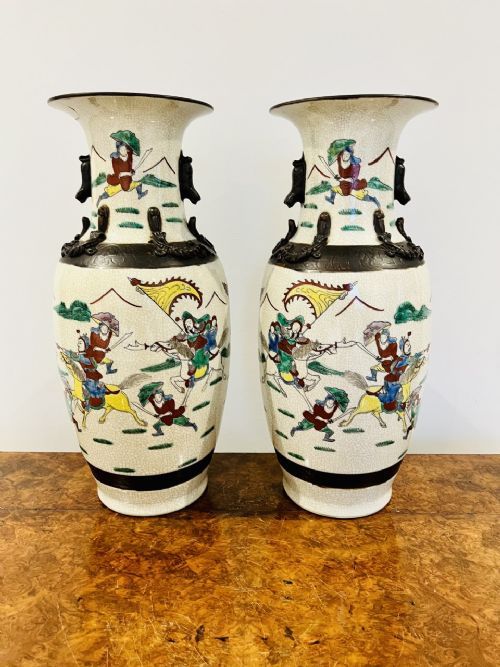
A cream crackle glaze vase is defined by its characteristic network of fine crazing across a pale earthen surface, typical of Satsuma ware. These vessels emerge primarily from the Meiji period, reflecting distinct Japanese artistic traditions of the nineteenth and early twentieth centuries.
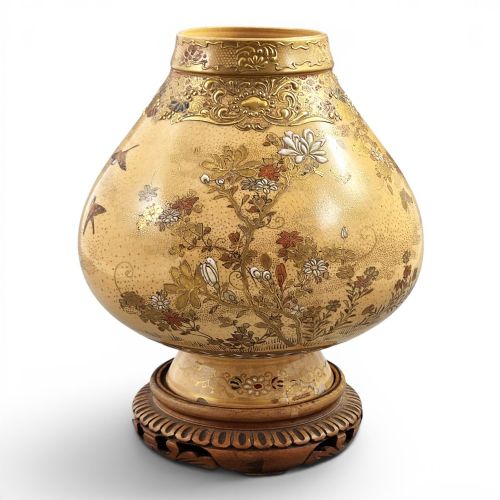
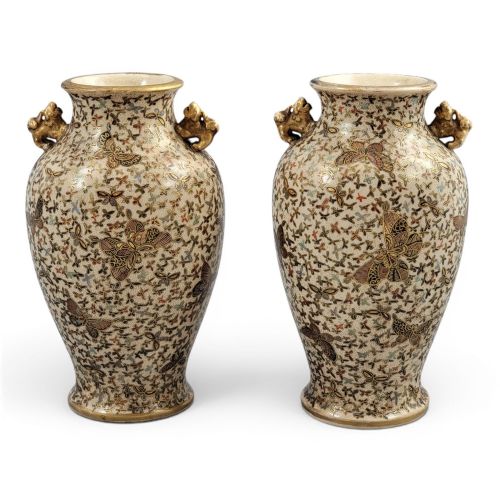
The pieces available here take the form of both large statement vases and smaller cabinet vessels. Many examples showcase hexagonal forms or elaborate decorative schemes featuring enamel and gold leaf.
Buyers encountering this selection will find objects spanning the nineteenth century up to nineteen ten. The predominant origin is Japanese, specifically associated with Kyoto production centres.
How they were made
Makers shaped these vessels from earthenware, applying a specialised glaze that intentionally forms a minute web of cracks during cooling. Artisans then enriched the surfaces using detailed enamel work.
Many examples incorporate gold leaf and gold gilt to highlight specific decorative motifs within the design. Wood is also recorded among the material components utilised in these listings.
Even a small Satsuma vase manages to carry enough gold leaf and enamel to outshine every other object on the mantelpiece.
What varies in quality
Quality rests in the precision of the form and the delicacy of the crackle pattern across the earthenware body. Finer vessels display superior control over the enamel and gold gilt application.
Attribution to notable workshops or signed pieces elevates a work above standard production items. The scale of the vase and the complexity of its hexagonal geometry also mark the distinction between everyday output and masterwork.
Seiko en Chokei·Hattori
The Cream Crackle Glaze Vase Glossary
- Satsuma ware
- A type of Japanese earthenware traditionally characterised by an ivory-coloured crackled glaze and elaborate enamel decoration. This style developed extensively during the nineteenth century.
- Enamel
- A decorative glass-like substance fused to the surface of the pottery through firing. It provides vibrant colour alongside the crackle glaze.
- Gold gilt
- A thin layer of gold applied to accentuate specific details of the vase design. This technique adds depth and refinement to the finished surface.
Frequently Asked Questions
What is a cream crackle glaze vase?
A cream crackle glaze vase is a piece of Japanese Satsuma earthenware featuring a pale, finely crazed surface. These vessels often display intricate enamel and gold detailing from the nineteenth century.
They represent a specific tradition of ceramic artistry where the network of cracks in the glaze forms an integral part of the aesthetic appeal.
How do I date these vases?
Dating relies on stylistic markers, signatures, and the historical context of the Meiji period. Many pieces originate from the nineteenth century up to nineteen ten.
Examining the specific materials like earthenware and the style of enamel work helps narrow down the period of creation.
Where were these vases made?
These pieces originate from Japan, with specific workshops located in centres such as Kyoto. The Satsuma style became famous internationally during the Meiji era.
Craftsmen in these regions produced both large monumental vessels and smaller decorative items for export.
How should I display a Satsuma vase?
Place your vase in a stable location where its detailed enamel and gold leaf can catch the light. Ensure it sits away from high-traffic areas to protect the earthenware body.
Allowing sufficient space around the vessel lets its hexagonal forms and decorative schemes stand out properly.