

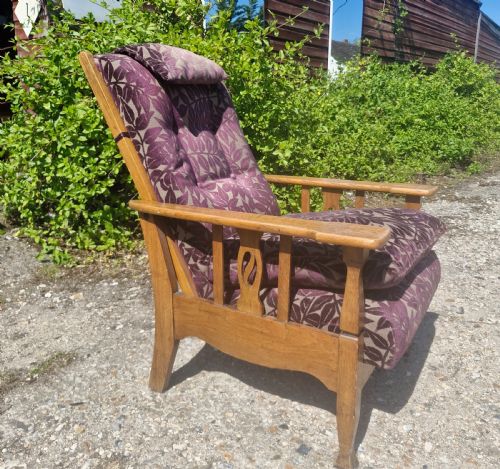


Craftsman Oak Chair
A craftsman oak chair brings honest timber and utility into a room, offering sturdy construction that collectors prize for everyday use.
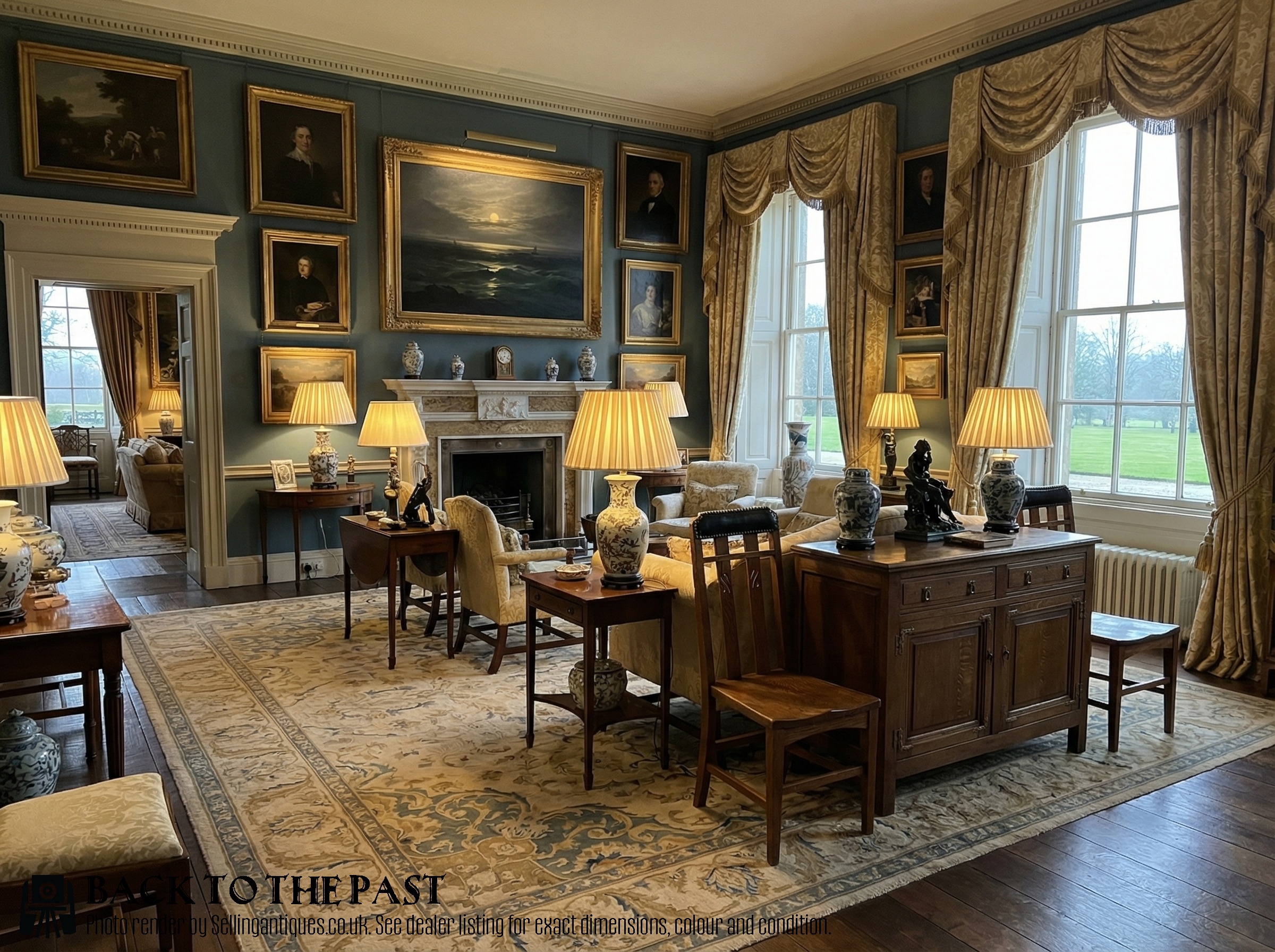
Craftsman Oak Chair
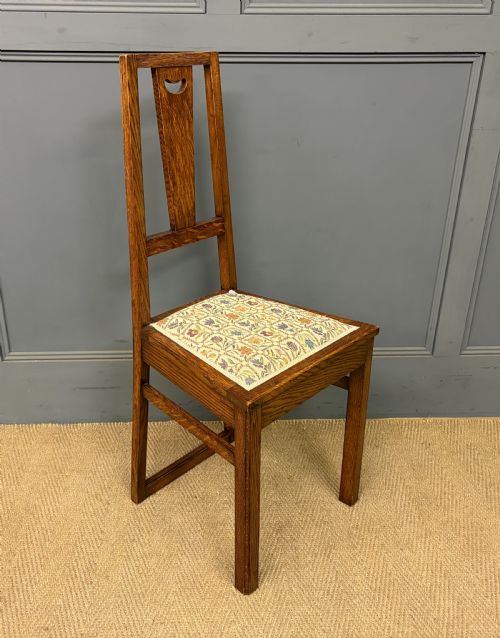
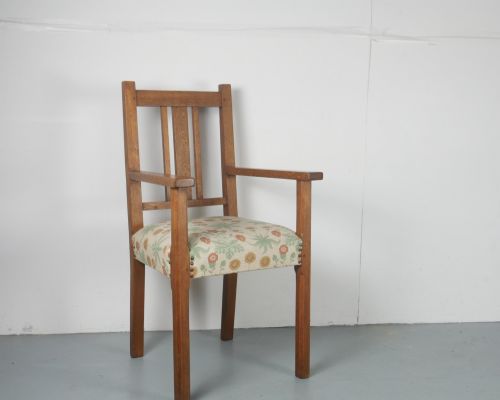
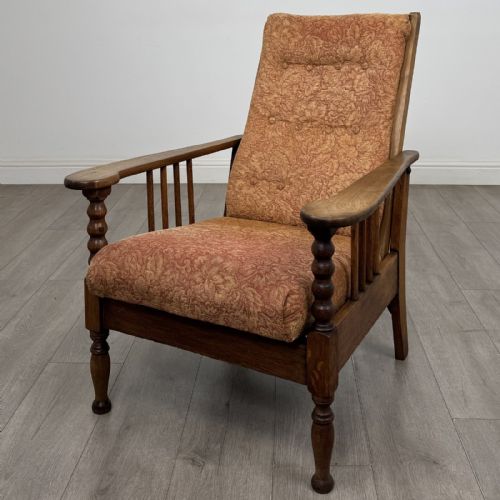
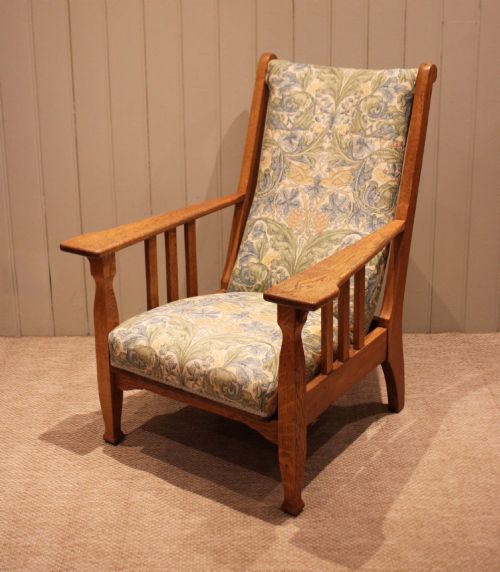
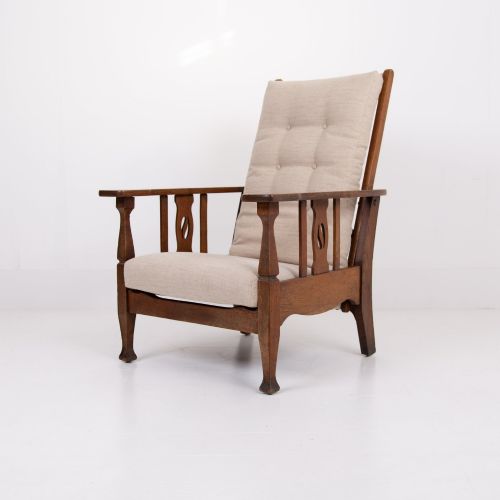
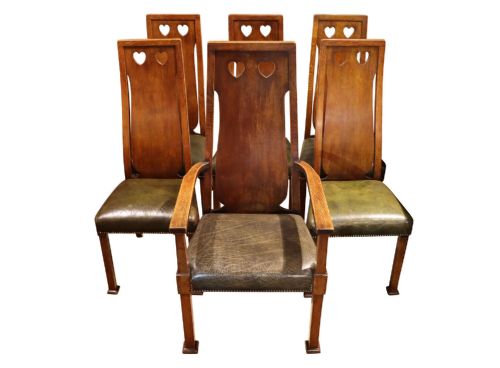
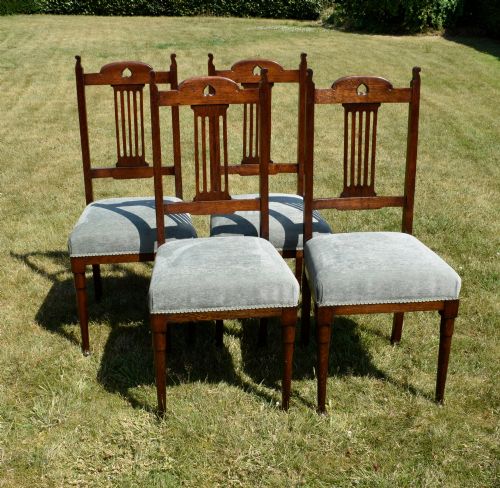
A craftsman oak chair represents a functional seating form rooted in the Arts and Crafts movement, spanning periods from the Edwardian era through the mid-twentieth century. Buyers searching for a craftsman oak chair will frequently encounter dining chairs, armchairs, and reclining armchairs designed with straightforward utility.
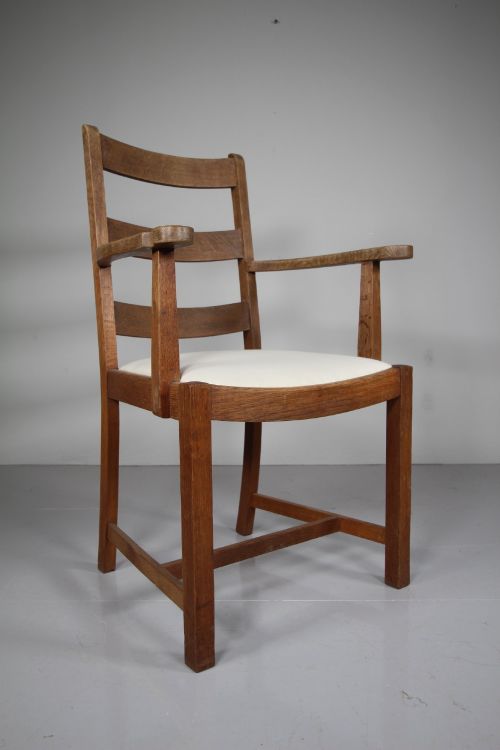
The versions most commonly met on this page date from around nineteen hundred to the nineteen twenties, adopting the solid construction typical of the style. Alongside standard seating, variations such as stools and low ladder-back chairs appear.
These pieces emphasise sturdy joinery over superficial ornamentation, reflecting the design ethos of their period of origin.
Materials and construction
Construction relies primarily on solid oak, shaped into framing and structural supports that highlight the natural grain of the timber. Selected examples incorporate pewter inlay for subtle decorative detail.
Seats utilise woven rush or fabric, leather, and linen upholstery to provide comfort within the wooden frame. These materials combine to create durable seating designed for practical longevity.
Craftsman Oak Chair Retail Price Guide 2026
Typical asking prices for craftsman oak chair among the pieces listed under this phrase on Sellingantiques today, from the lower quarter to the upper quarter. They describe what is for sale here now, not the wider market.
Listings feature oak as the primary material, alongside supporting elements like fabric, leather, rush, and pewter inlay across various chair forms.
Distinctions in quality
Quality in these pieces rests upon the integrity of the joinery and the selection of timber used in the frame. Solid oak construction paired with traditional methods separates standard utility pieces from those exhibiting finer workshop execution.
The choice of original seating materials, whether woven rush or fitted leather, influences the character and preservation of the chair. Maker attribution, such as work associated with known firms, further distinguishes individual examples.
Liberty & Co·Goodyers of London·Robert Mouseman Thompson·Lawrence Neal·Shapland & Petter
The Craftsman Oak Chair Glossary
- Arts and Crafts
- A design movement advocating for traditional craftsmanship and simple forms. It influenced furniture production from the late nineteenth century onwards.
- Ladder-back
- A chair back featuring horizontal slats resembling the rungs of a ladder. This form often includes rush seating.
- Reclining armchair
- An adjustable seating form designed for relaxation. Examples often feature mechanical or manual tilt mechanisms within an oak frame.
- Rush
- Dried marsh grass twisted into cords and woven to form chair seats. It provides a flexible and traditional seating surface.
- Pewter inlay
- Decorative metalwork embedded into the wooden surface of a piece. It is characteristic of specific Arts and Crafts decorative schemes.
Craftsman Oak Chair: Frequently Asked Questions
How do I identify an Edwardian piece?
Edwardian pieces generally date from the period between nineteen hundred and nineteen ten, exhibiting simplified forms influenced by Arts and Crafts ideals. They utilise solid oak and practical seating materials.
Examining the construction methods and any maker marks helps confirm the production period.
Were these chairs used for dining?
Yes, many craftsman oak chairs were designed specifically as dining chairs, often appearing in sets to accompany oak tables. Their sturdy construction suited daily domestic use.
Armchairs and reclining variants served different seating purposes within the home, such as in libraries or parlours.
What seating materials are common?
Common seating materials include woven rush, fabric, leather, and linen fitted within the wooden frames. These materials offered practical comfort and durability.
Original upholstery materials contribute to the historical integrity of the piece.
How should I care for solid oak?
Caring for solid oak involves keeping the timber away from direct heat sources and excessive moisture to prevent warping. Regular dusting preserves the natural finish of the wood.
Applying appropriate wax occasionally helps maintain the condition of the oak surface.