


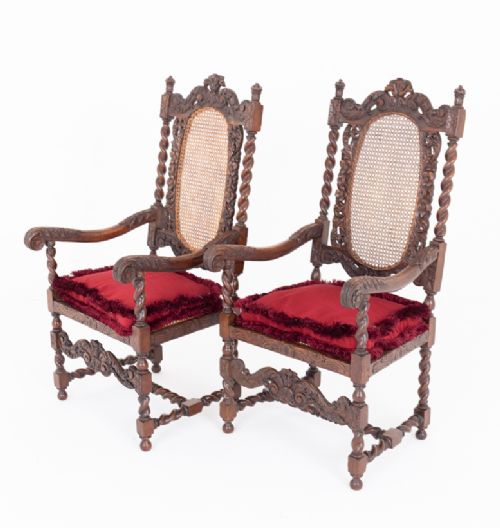
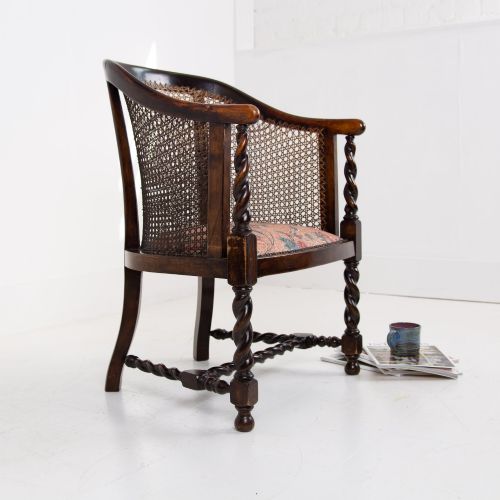
Vintage Oak Accent Chair
A vintage oak accent chair brings solid timber character and honest joinery into a modern room.
Vintage Oak Accent Chair
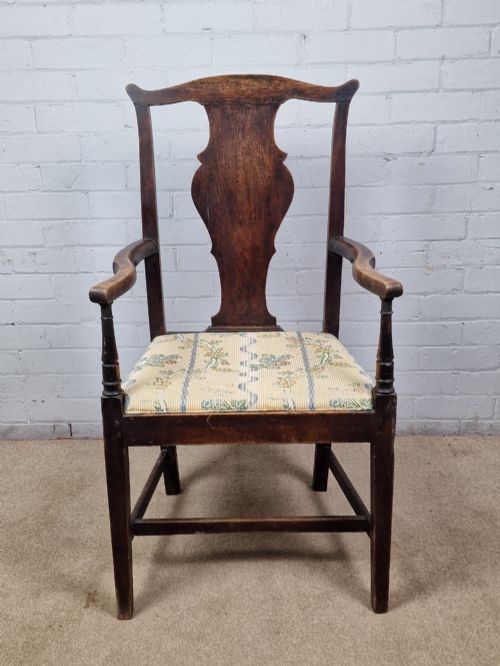
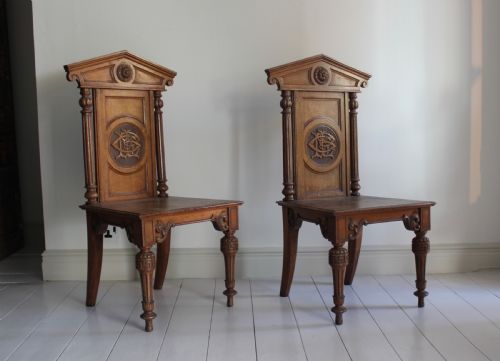
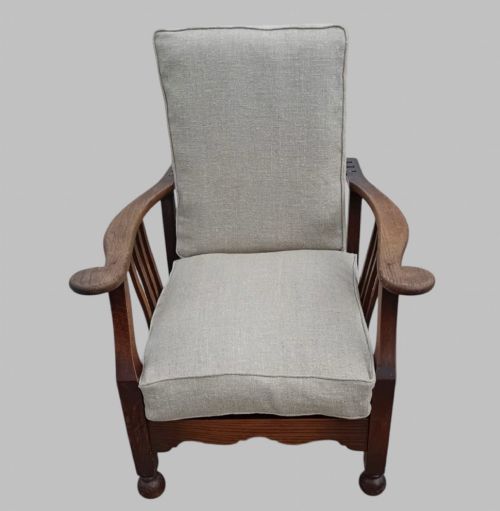
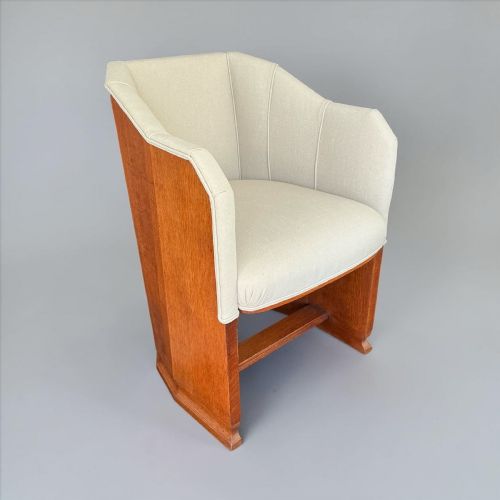
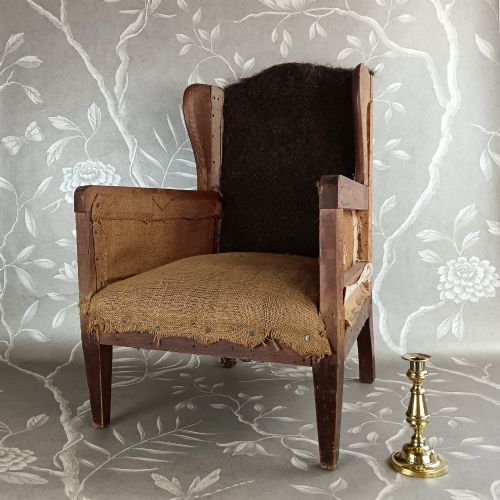
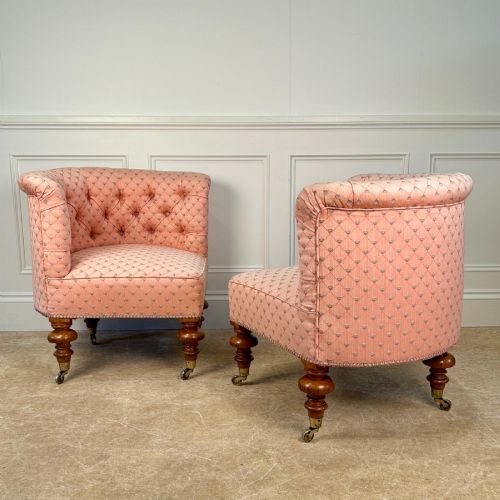
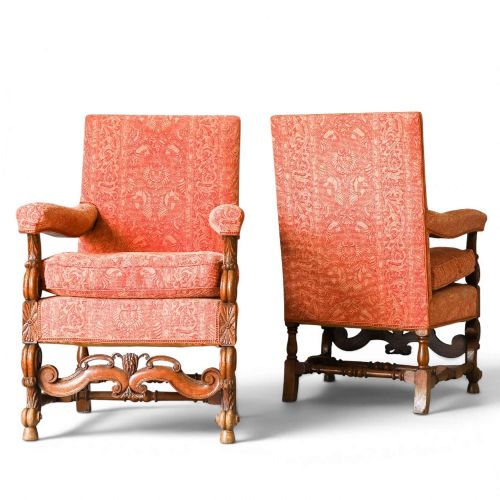
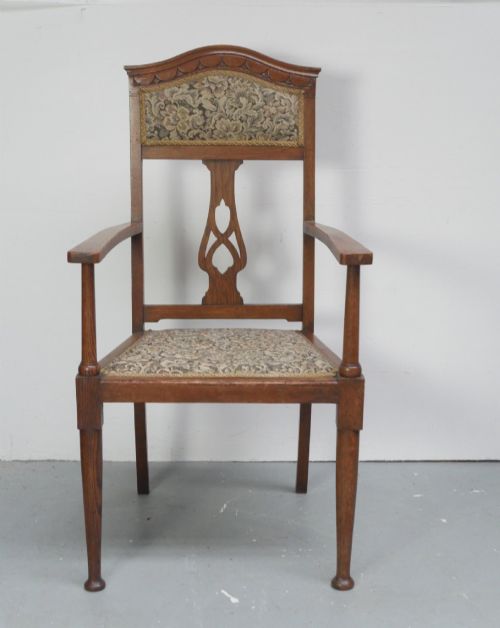
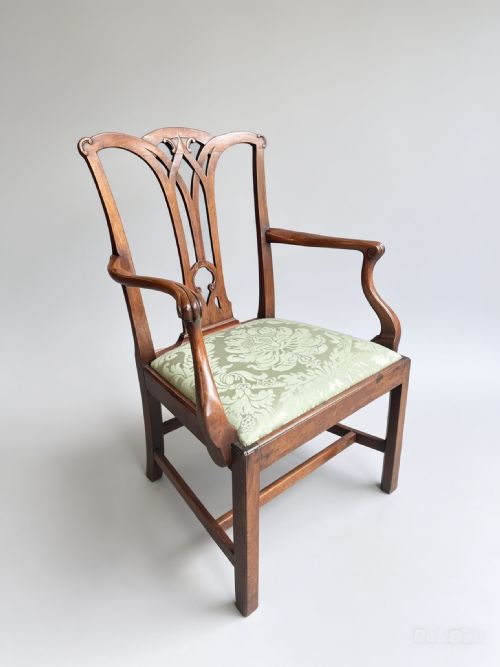
The selections on this page draw from established design movements such as Arts and Crafts, Gothic Revival, Jacobean Revival, and Art Deco. Pieces originate from English, French, and general European workshops, ranging from rustic country seating to formal revival designs.
Most examples date from the Victorian, Edwardian, and early twentieth-century eras, reflecting sturdy domestic and institutional production. These chairs serve as functional accent pieces in living spaces, halls, and bedrooms, offering distinct historical character.
What varies in quality
The standard of a piece rests upon the integrity of its timber frame and the skill of its initial joinery. Solid construction without excessive modern intervention distinguishes the superior examples from utilitarian workshop output.
Design ambition and regional craftsmanship also separate standard seating from exceptional finds. Pieces reflecting specific movement aesthetics, such as Arts and Crafts or Gothic Revival, demonstrate greater sculptural thought in their turnings and carvings.
Styles represented include Gothic Revival, Arts and Crafts, Art Deco, and Jacobean Revival.
Liberty Morris And Co
The Vintage Oak Accent Chair Glossary
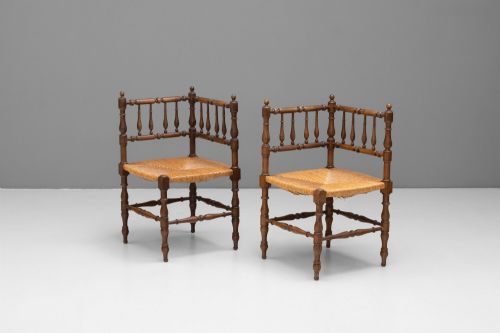
- Bobbin turning
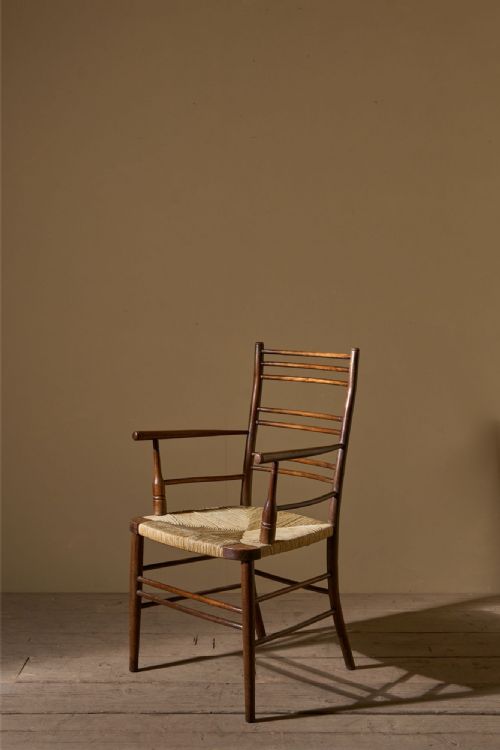
- A type of lathe-turned furniture leg or stretcher resembling a string of rounded wooden bobbins or spools. This decorative technique appears frequently on seventeenth-century and revival seating.
- Rush seat
- A seating surface woven from dried marsh rushes or sedge around a wooden frame. This traditional method provides a durable and textured base seen often on vernacular and Arts and Crafts chairs.
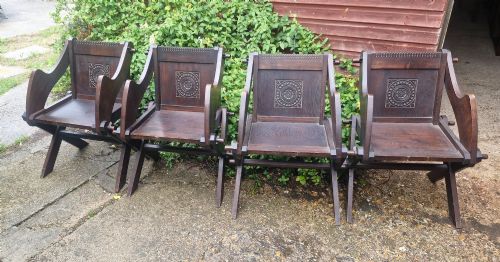
- Glastonbury chair
- A specific nineteenth-century revival chair design featuring folding X-frame construction and flat panel arms. These ecclesiastical-inspired pieces draw on medieval prototypes.
- Bergère
- An enclosed upholstered armchair with exposed wooden framing and cane-work sides or back panels. French iterations often showcase elaborate carved oak details.
- Windsor chair
- A traditional chair style featuring a solid wooden seat into which the legs and back spindles are directly wedged. Regional variations include high backs and wheel-back motifs.
Vintage Oak Accent Chair: Frequently Asked Questions
What is an accent chair?
An accent chair is a standalone seating piece chosen to add visual interest, colour, or historical style to a specific room.
These chairs serve as functional furnishings while introducing distinct periods and materials into an interior scheme.
How do I identify Arts and Crafts chairs?
Arts and Crafts seating typically displays honest construction, exposed joinery, and natural materials such as solid oak and rush.
Designers of this movement rejected excessive industrial ornamentation in favour of simple utility and handcrafted integrity.
Can I use a hall chair daily?
Hall chairs were originally designed for occasional seating in entranceways and corridors rather than prolonged lounging.
While sturdy enough for everyday use, their upright wooden seats prioritize formal posture over deep cushioning.
What distinguishes Jacobean Revival pieces?
Jacobean Revival furniture copies seventeenth-century English styles, featuring dark oak timber, geometric carvings, and heavy turned supports.
Victorian and Edwardian cabinetmakers produced these pieces to evoke an earlier era of substantial craftsmanship.