


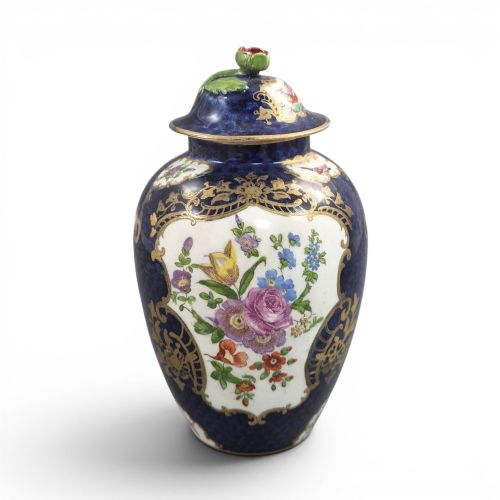
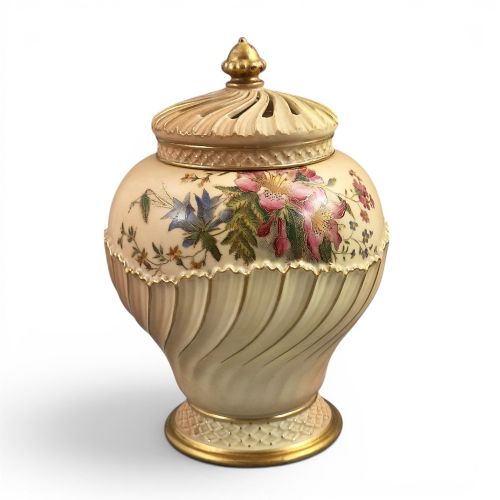
Covered Porcelain Urn
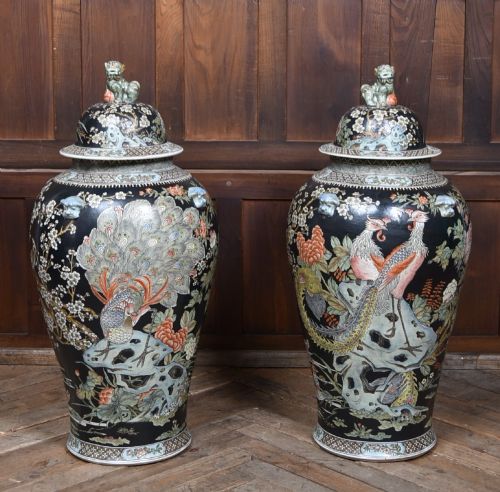
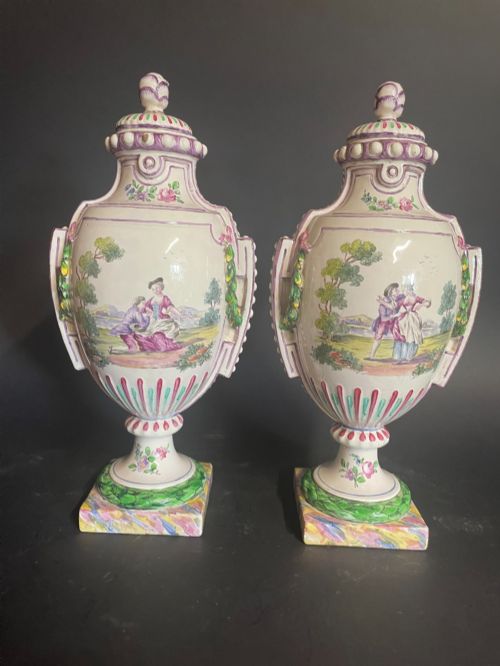
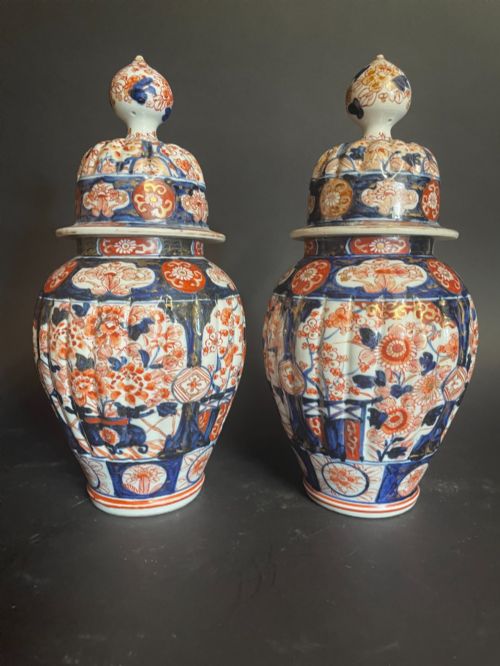
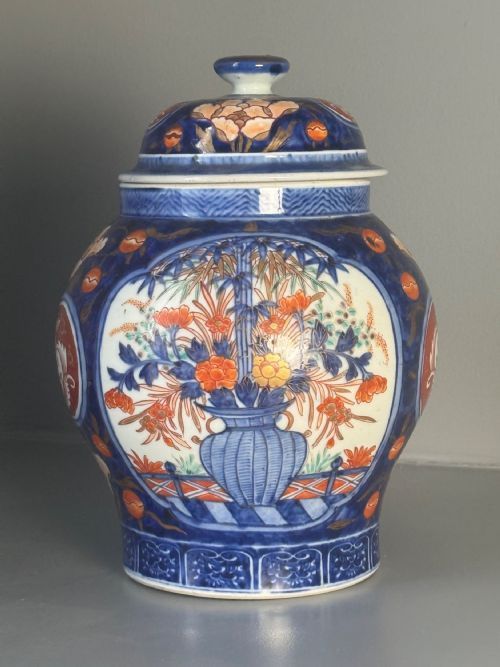
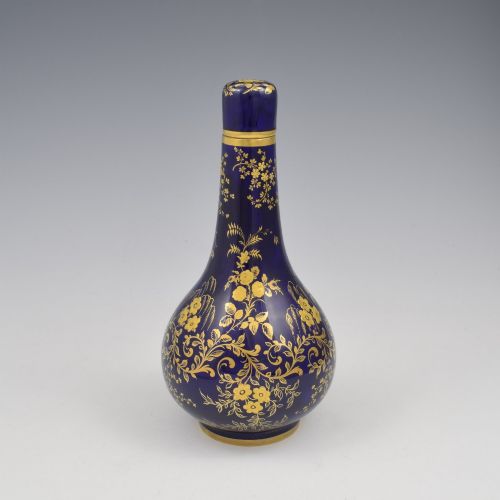
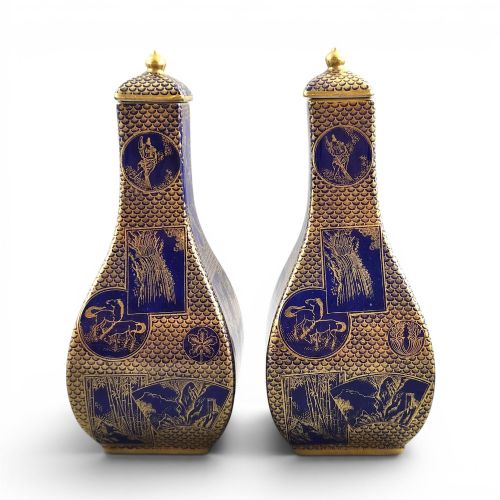
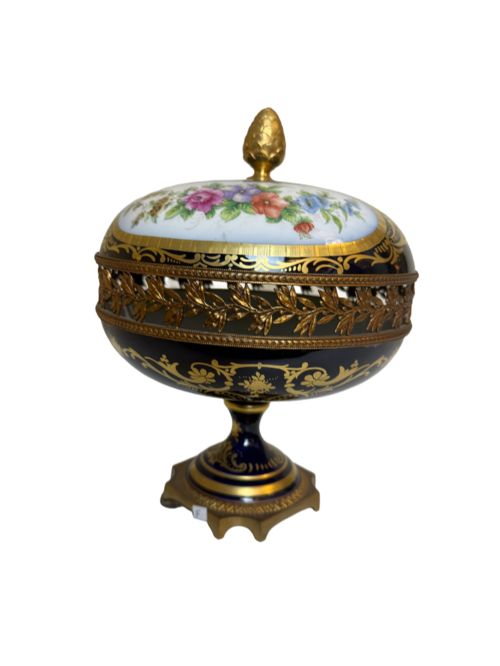
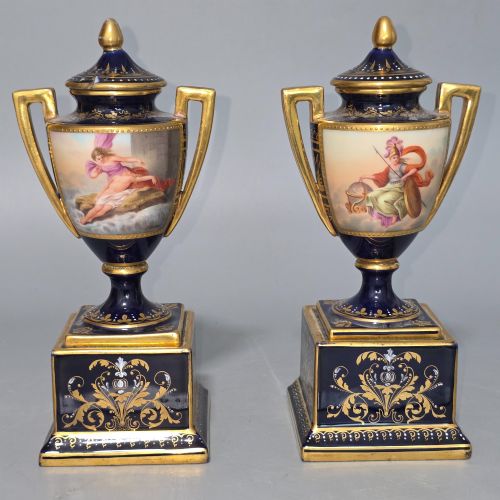
These covered porcelain urns combine delicate British and European ceramic traditions with classic decorative forms.
Identifying a covered porcelain urn
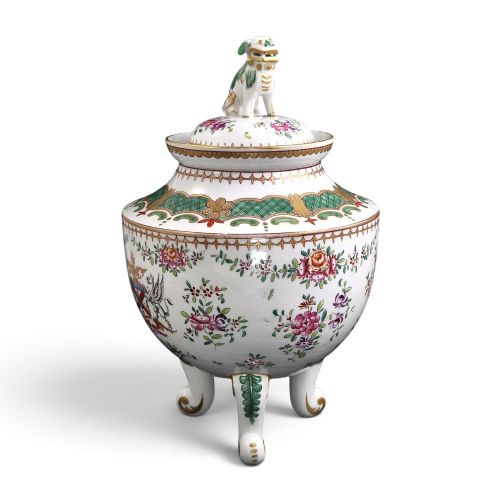
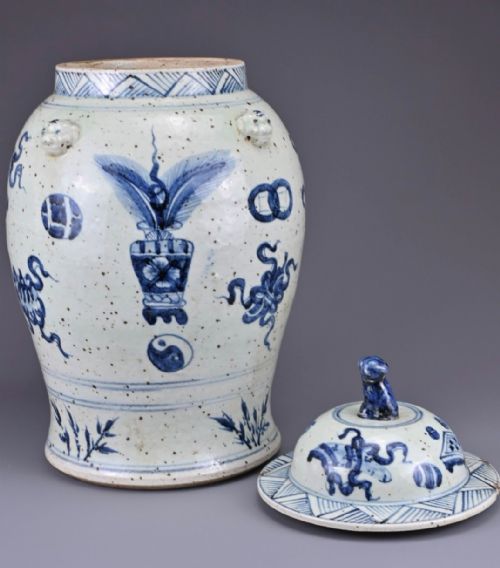
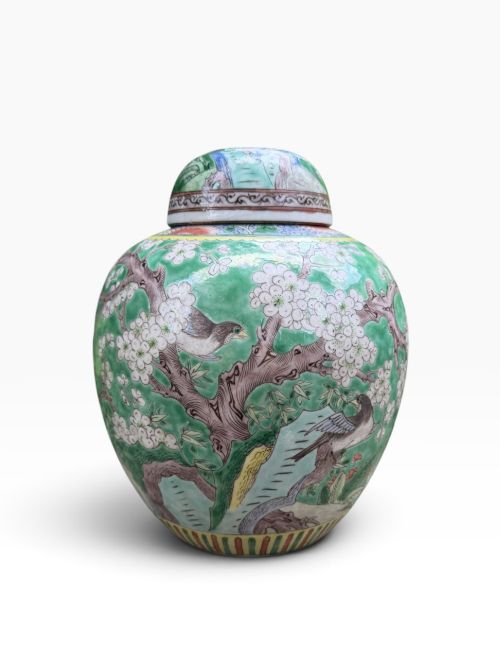
A covered porcelain urn is a substantial lidded vessel designed primarily for display rather than utility. These pieces span from the late nineteenth century into the early twentieth century, including Edwardian examples.
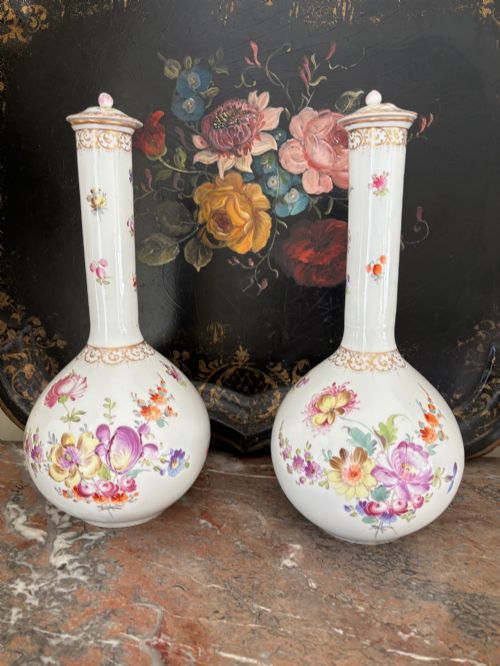
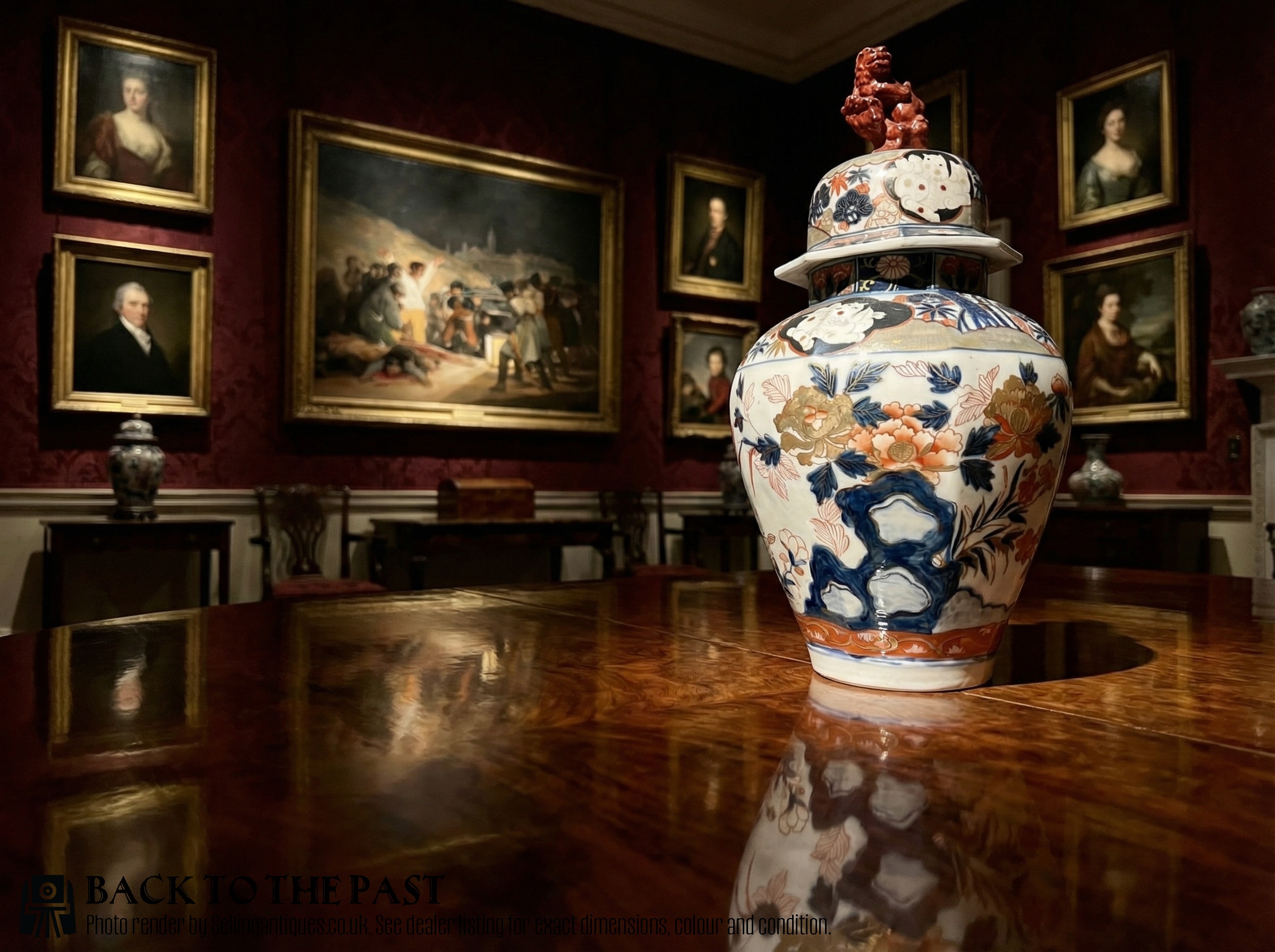
The selections on this page encompass various vase forms, pedestal designs, and decorative styles. Pieces range from Victorian and Edwardian aesthetics to Japonisme and designs executed in the Edo manner.
Materials and construction
Makers utilised fine porcelain and bone china as the primary base materials for these covered vessels. Artisans shaped these ceramics into vases and pedestals before applying detailed surface decoration.
Retail Price Guide 2026
Typical UK retail prices for covered porcelain urn, calculated from the Sellingantiques database of over a million retail prices indexed since 2003. This retail price guide relies exclusively on Sellingantiques data; no external sources or auction records are used, so the figures do not describe the wider market.
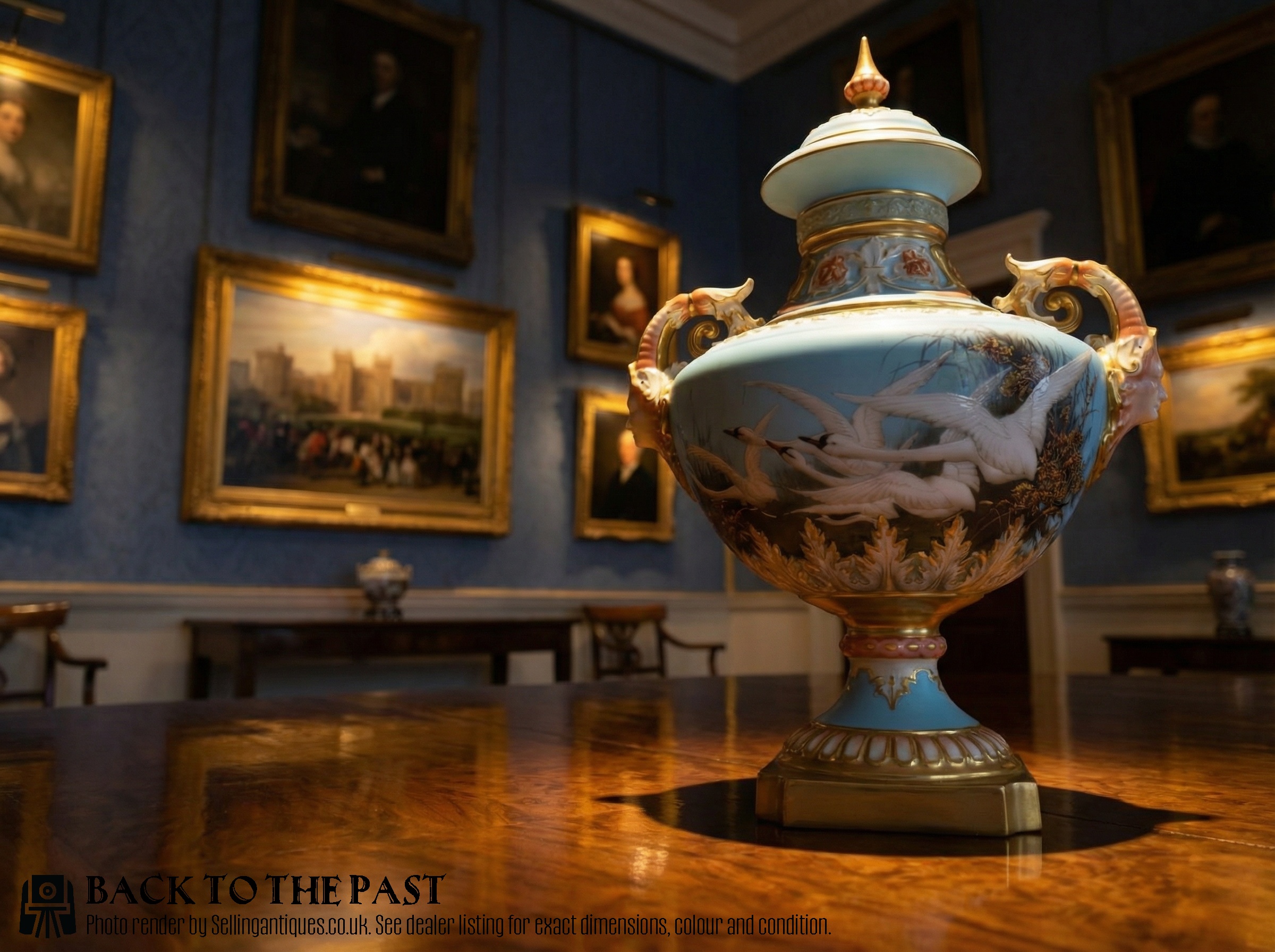
Swans painted by master artists glide silently across the porcelain surface.
Assessing craftsmanship and design
Quality rests in the precision of the hand-painted enamel work and the finesse of the gilding. Skilled artists applied intricate scenes and motifs that elevate standard ceramic forms into distinguished works.
The refinement of the porcelain body and the harmonious integration of the lid dictate the overall sophistication of the piece. Well-balanced proportions separate standard production from exceptional examples.
Royal Worcester·Hadley and Sons·Royal Vienna
The Covered Porcelain Urn Glossary
- Porcelain
- A hard, white ceramic material fired at high temperatures to achieve a vitrified, non-porous body. It serves as the primary canvas for detailed enamelling and gilding.
- Gilding
- The application of gold leaf or gilt paint to ceramic surfaces. This technique highlights rims, handles, and decorative motifs with a metallic sheen.
- Enamel
- Opaque glass-based colour fused to the ceramic body through firing. Artisans use enamels to create durable, brightly coloured painted scenes.
- Pedestal vase
- A vessel elevated on a distinct base or foot. This form lifts the main body to create a more imposing display piece.
- Japonisme
- A nineteenth-century artistic movement influenced by Japanese art and aesthetics. It appears in compositions featuring asymmetric motifs and Eastern-inspired subjects.
Frequently Asked Questions
What were covered porcelain urns used for?
These lidded vessels served primarily as decorative ornaments within formal Victorian and Edwardian interiors. They stood on mantelpieces, pedestals, or side tables to demonstrate taste and refinement.
The covers were rarely removed for practical containment, acting instead to complete the sculptural silhouette of the vase.
How do I care for a porcelain urn?
Keep porcelain urns away from direct sunlight to preserve the vibrancy of the hand-painted enamel colours. Dust gently with a soft, dry brush to protect delicate surface gilding.
Avoid using liquid cleaners or abrasive cloths, which can damage the fragile gold leaf and enamel layers.
How do I distinguish Edwardian pieces?
Edwardian covered porcelain urns often feature lighter pastel palettes, blush ivory grounds, and refined naturalistic painting. Maker marks and registration numbers on the underside help confirm the production era.
Stylistic influences from this period lean towards softer floral compositions and occasional nods to Japanese art.
Are these urns purely decorative?
Most covered porcelain urns function entirely as display objects rather than functional containers. Their delicate construction and integrated lids make them unsuited for holding liquids or daily use.
Their value lies in the artistry of the painted decoration and the quality of the ceramic form.