

Country Wooden Coffer
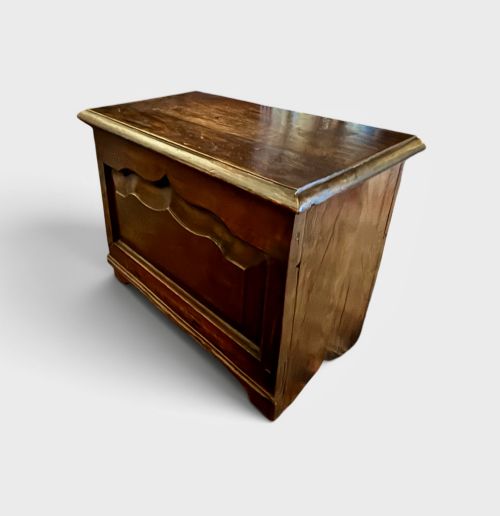
A country wooden coffer is a robust storage piece built from local timbers, offering a tangible link to domestic history.
Country Wooden Coffer
When you search for a country wooden coffer, you encounter practical storage furniture designed for domestic interiors over several centuries. The pieces available span periods from the seventeenth century through the Victorian era, reflecting utilitarian traditions across different regions.
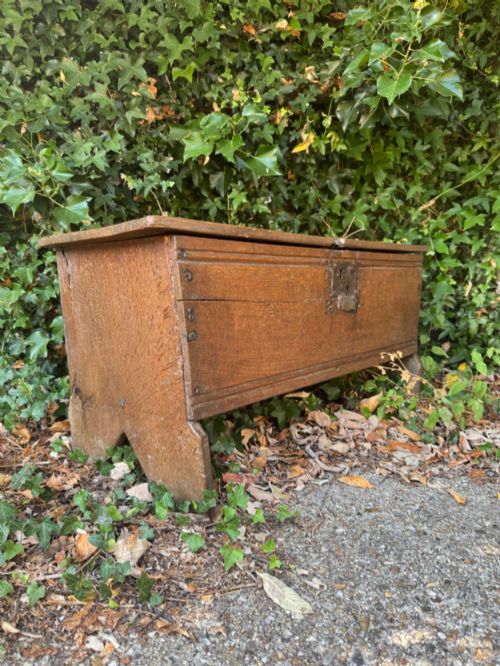
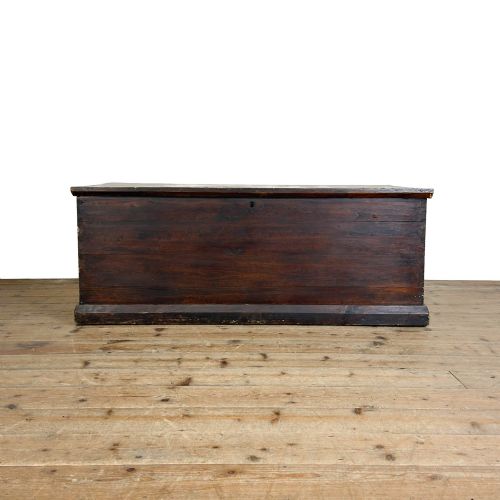
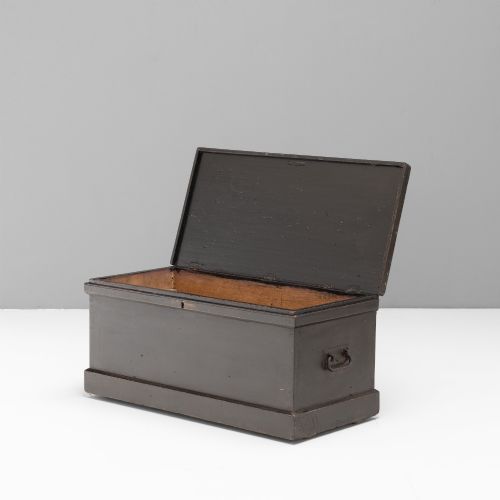
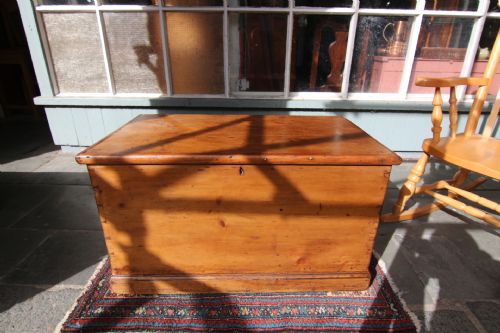
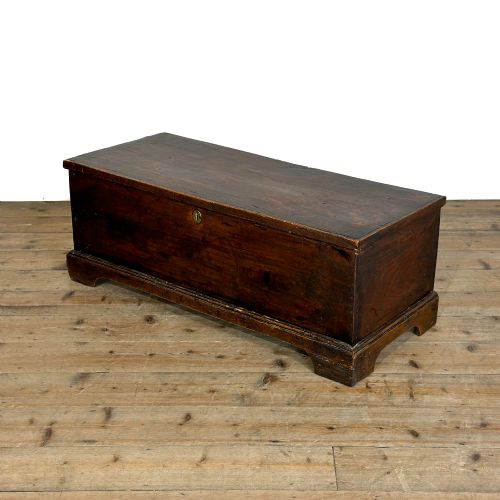
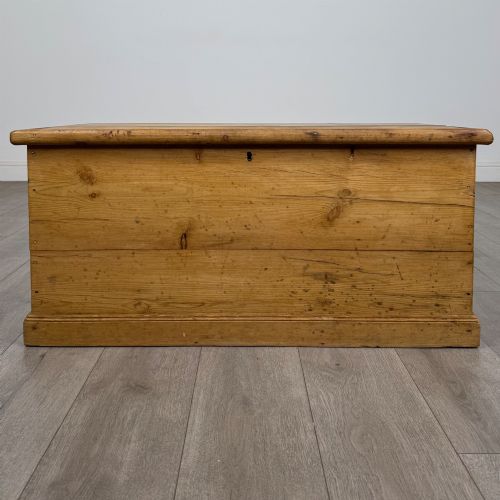
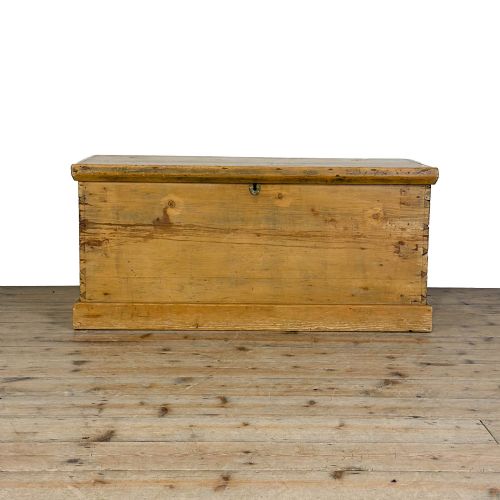
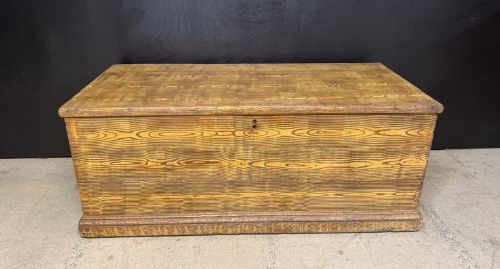
The version you are most likely to meet on this page is constructed from native hardwoods or softwoods such as oak, elm, or pine. These items take the form of basic blanket boxes, mule chests, and six-plank coffers built for everyday utility rather than courtly display.
Materials and Construction
Joinery relies heavily on solid timber construction, with regional makers utilising locally available woods including oak, elm, ash, and pine. Planks are joined using traditional methods such as panelled framing or simple board construction fastened with iron or wooden pegs.
Surface finishes range from scrubbed or waxed timber to historic painted layers, while hardware typically incorporates forged iron hinges, latches, and occasional brass details. The physical structure prioritises durability, often resulting in heavy lids and unadorned surfaces that showcase the grain of the wood.
Listings feature items built from oak, pine, elm, ash, and walnut, spanning the seventeenth century to the early twentieth century.
Assessing Quality and Character
The distinction between standard examples and finer pieces lies in the choice of timber and the integrity of the original construction. Superior items exhibit well-figured wood grain, such as quarter-sawn oak or rich elm boards, alongside minimal structural alteration over time.
Proportion and regional vernacular detail further elevate a piece, distinguishing simple utility boxes from sophisticated vernacular furniture. Patina developed through centuries of handling and wax polishing separates well-preserved examples from heavily restored ones.
The Country Wooden Coffer Glossary
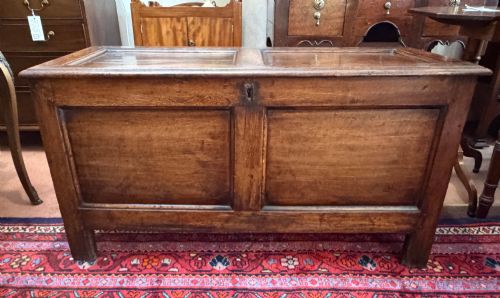
- Coffer
- A heavy wooden chest traditionally used for storing valuables, linens, or documents. These storage items form the core of early vernacular furniture.
- Mule chest
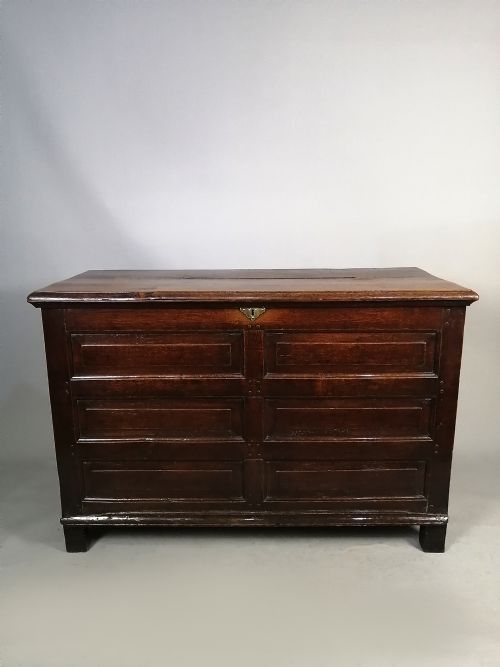
- A storage chest featuring one or more drawers beneath the main lifting compartment. This form evolved by combining the traditional coffer with drawer storage.
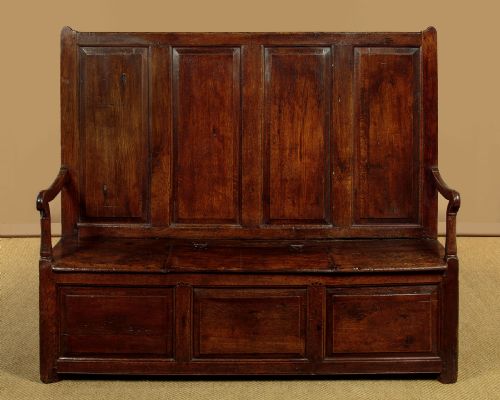
- Box settle
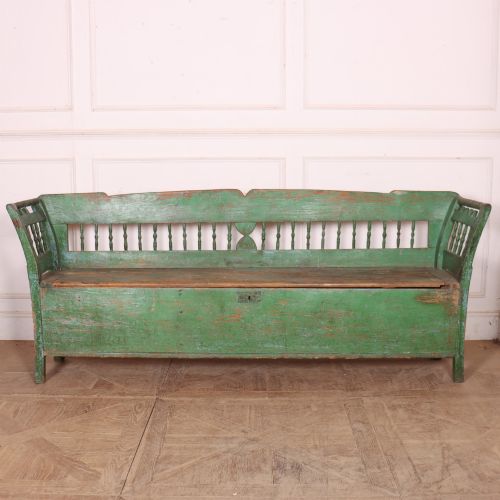
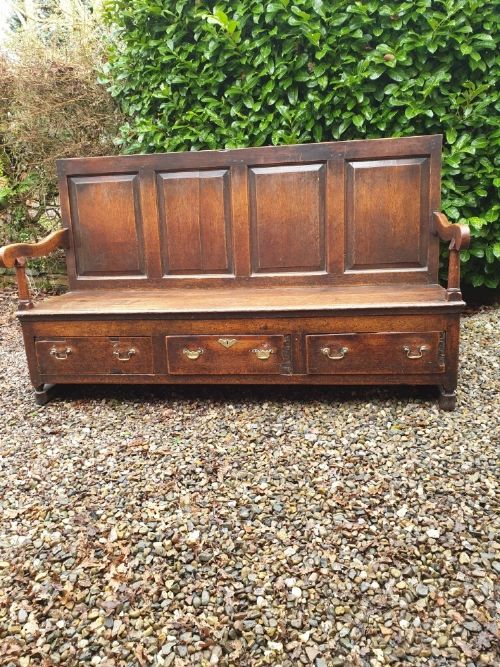
- A high-backed wooden bench incorporating a storage compartment beneath the seat. They were positioned near hearths to shield occupants from draughts.
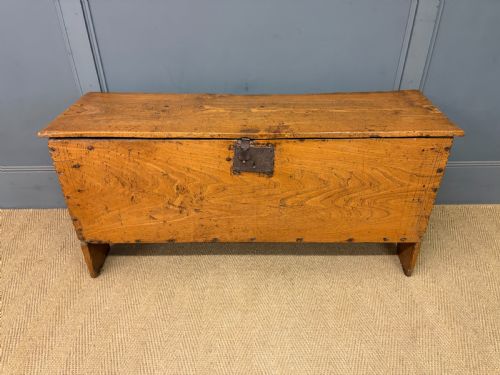
- Six-plank
- A primitive construction method utilising six individual boards joined at the edges to form a rectangular box. It represents one of the earliest techniques for making chests.
Country Wooden Coffer: Frequently Asked Questions
How do I date a wooden coffer?
Dating relies on observing construction techniques, tool marks, and timber species used by the maker. Seventeenth-century examples often display hand-split oak panels and forged ironwork.
Later Victorian pine or elm versions tend to show machine-sawn timber and simpler butt joints.
Where were these chests used?
These pieces served practical storage functions in domestic farmhouses, cottages, and country houses. They held woollen blankets, household linen, and dry goods.
Their sturdy tops also allowed them to function as tables or extra seating in communal rooms.
What is a mule chest?
A mule chest is a regional storage piece that adds a drawer or a tier of drawers beneath the main box section. This design allowed users to access smaller items without lifting the heavy lid.
They appear frequently in eighteenth-century vernacular furniture traditions.