
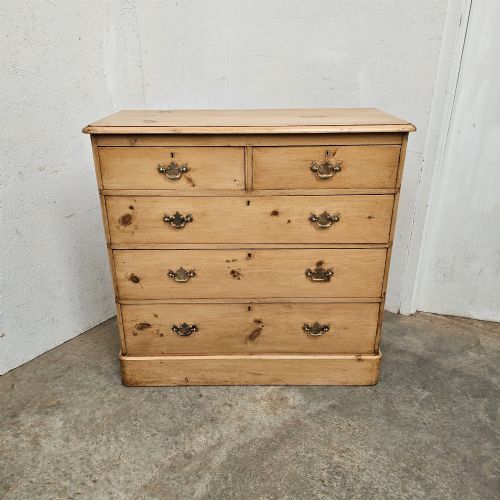
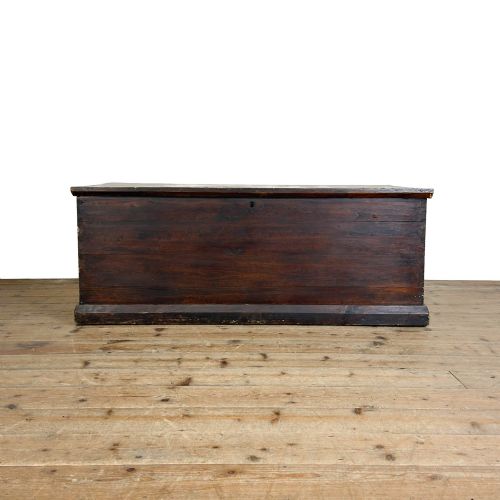
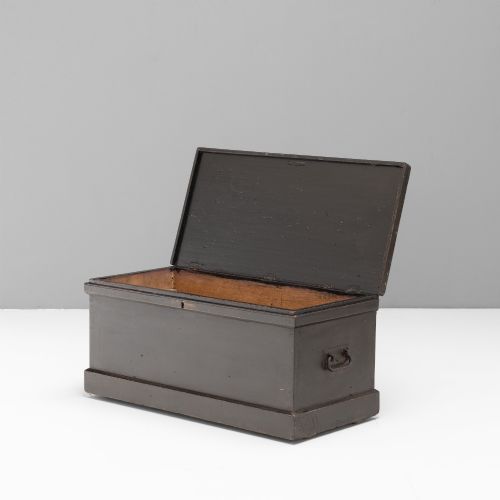
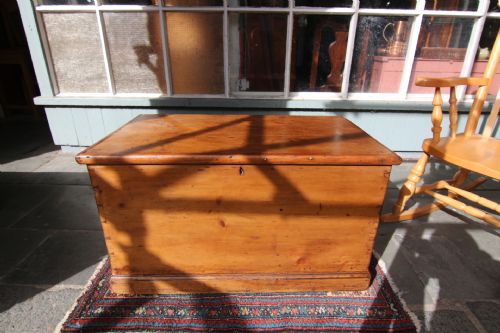


Traditional Country Chest
A traditional country chest brings solid utility and honest domestic history into a room through honest timber and simple storage.
Traditional Country Chest
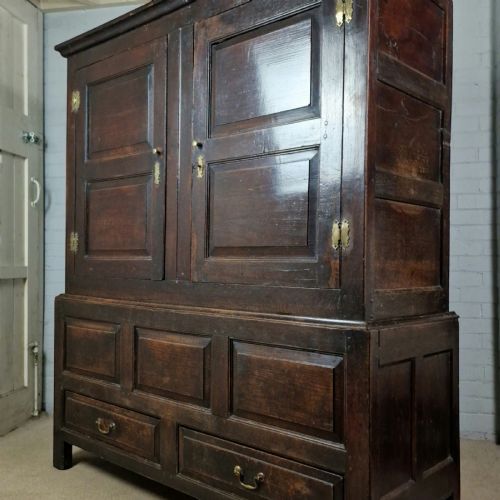
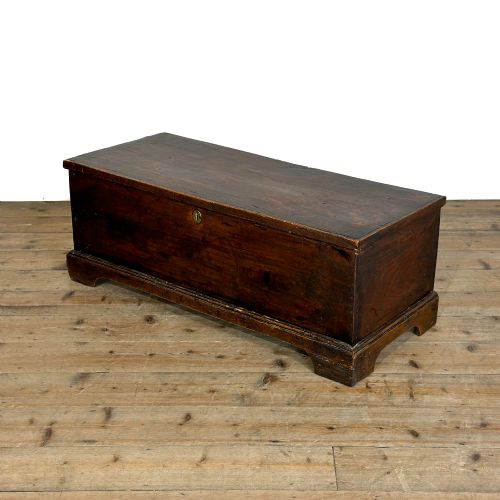
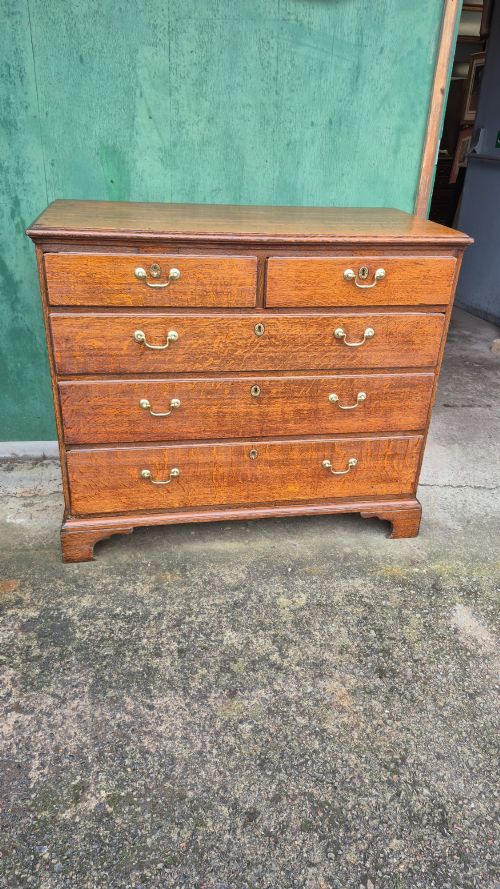
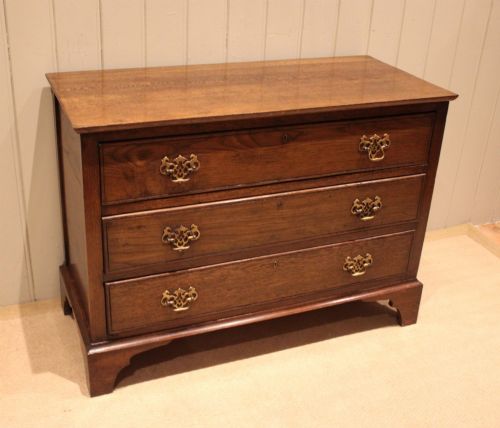
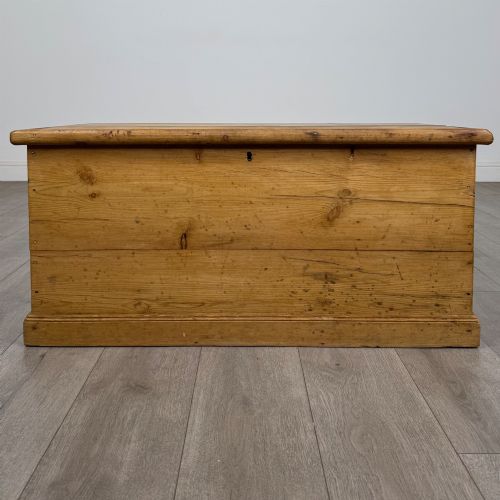
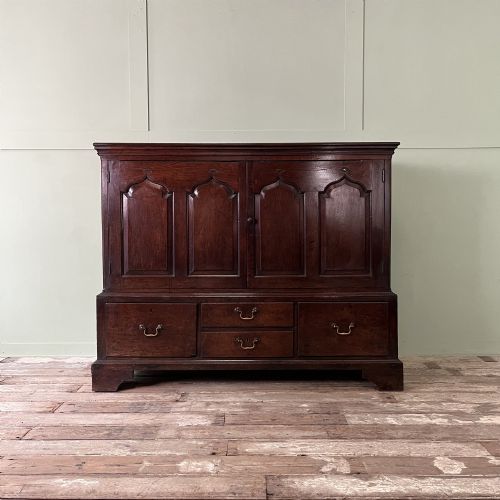
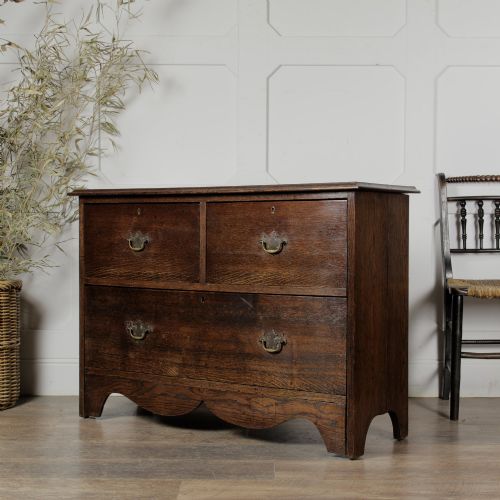
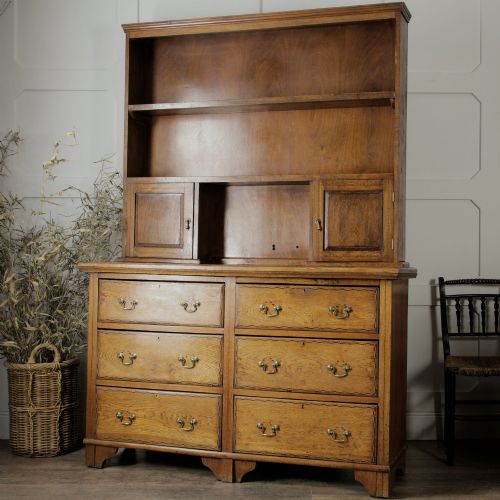
A traditional country chest provides robust storage rooted in domestic utility, spanning blanket boxes, coffers, linen presses, and drawer chests. When you search for a traditional country chest, you meet pieces built for rural homes rather than formal urban parlours.
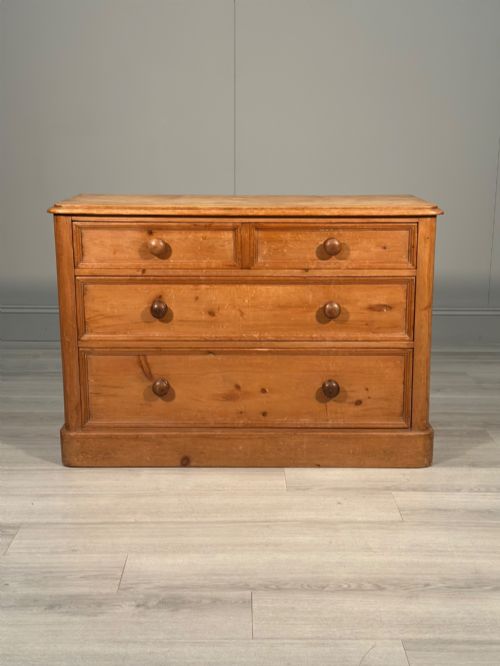
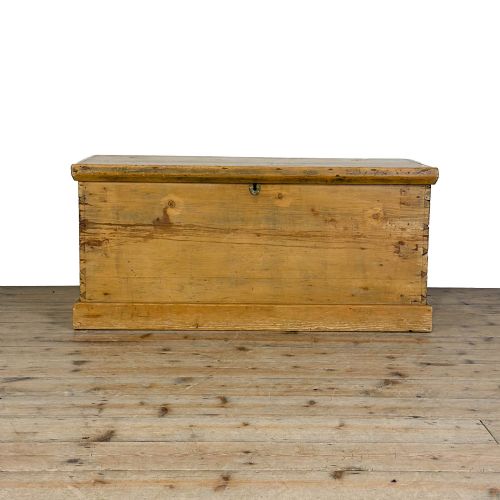
The pieces appearing here lean heavily on sturdy regional forms from the eighteenth and nineteenth centuries. You encounter plank construction, mule chests with lower drawers, and multi-drawer pine or oak chests designed to hold household linens and clothes.
Timbers reflect the local woods available to makers, favouring native oak, elm, and pine alongside occasional walnut and ash. These items carry the knocks and surface marks of generations of everyday household use.
How they were made
Joiners and country carpenters relied on solid native timbers like oak, pine, and elm, joining panels with pegged mortise and tenon joints or simple six-plank construction. Boards were frequently hand-sawn and planed, showing the tool marks of the workshop.
Hardware consists of forged iron hinges, brass drop handles, and wooden bun knobs fitted to drawers. Surfaces were often left bare to acquire a natural wax polish through handling, though some examples retain layers of original paint or scumble glaze.
Listings feature pieces spanning the seventeenth through the nineteenth centuries, predominantly constructed from pine and oak.
What varies in quality
Quality rests in the integrity of the timber selection and the restraint of subsequent alterations. Pieces retain higher character when boards remain unwarped, joints stay tight without excessive modern intervention, and original surface treatments survive intact.
Proportion and scale distinguish finer vernacular examples from utilitarian workaday boxes. Well-balanced drawer arrangements and subtle mouldings separate pieces made with care by regional cabinetmakers from purely functional storage containers.
The Traditional Country Chest Glossary
- Coffer
- A heavy wooden chest with a hinged lid, traditionally used for storing valuables or dry goods. Early examples employ six-plank construction or framed panel assembly.
- Mule chest
- A blanket box fitted with one or more drawers beneath the main storage compartment. This form bridges the gap between the trunk and the chest of drawers.
- Linen press
- A tall cupboard featuring sliding trays or drawers for storing textiles, often enclosed by panelled doors. These pieces date largely to the eighteenth and nineteenth centuries.
- Scumble paint
- A decorative technique involving translucent glaze dragged over a base coat to imitate finer wood grain. It appears on regional pine furniture to add texture.
- Bun handle
- A small, rounded wooden knob turned on a lathe and applied to drawer fronts. They are typical of nineteenth-century vernacular chests.
Traditional Country Chest: Frequently Asked Questions
What is a traditional country chest?
A traditional country chest is a utilitarian storage piece built from native timbers like oak, pine, or elm for domestic use.
These items include blanket boxes, coffers, and drawer chests originating from rural workshops during the eighteenth and nineteenth centuries.
How were these chests used?
Families used them to store woollen blankets, household linen, clothing, and dry provisions in bedrooms and parlours.
They served as sturdy multi-purpose furniture that often doubled as seating or table surfaces in modest homes.
How do I date a wooden chest?
Dating relies on observing construction methods, tool marks, timber choice, and hardware types used on the piece.
Hand-sawn boards, pegged joints, and original brass or iron fittings help place pieces within the eighteenth or nineteenth century.
How do I care for a waxed pine chest?
Maintain the finish by applying a gentle beeswax polish occasionally and buffing with a soft cloth to nourish the wood.
Keep the chest away from direct heat sources and damp environments to prevent the timber from splitting or warping.