


Vintage Bedding Trunk
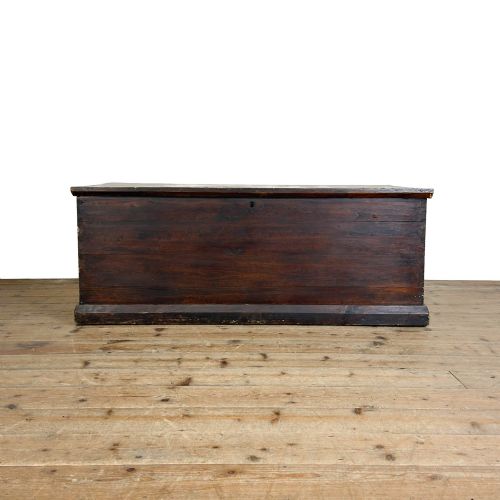
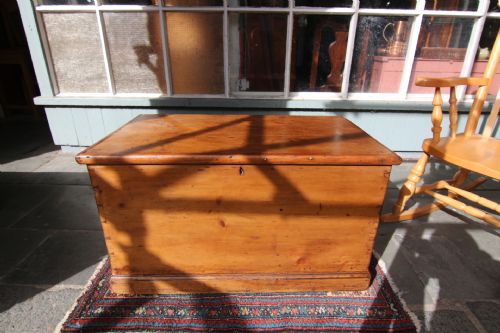
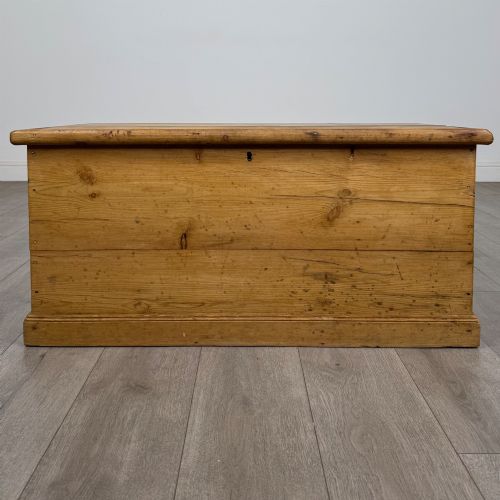
A vintage bedding trunk offers robust historical storage, bringing deep timber grain and practical capacity into modern rooms.
Vintage Bedding Trunk
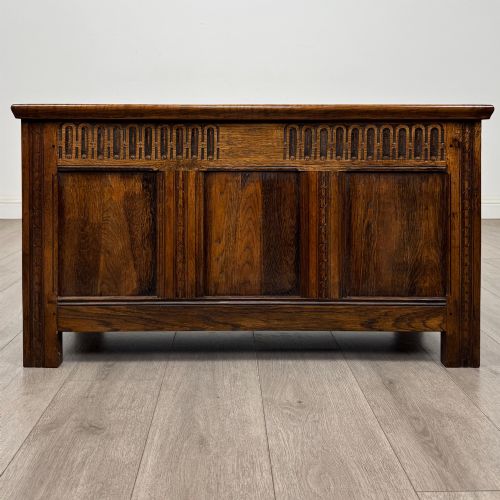
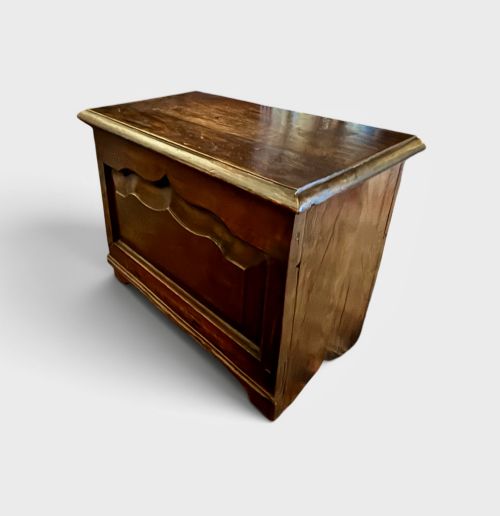
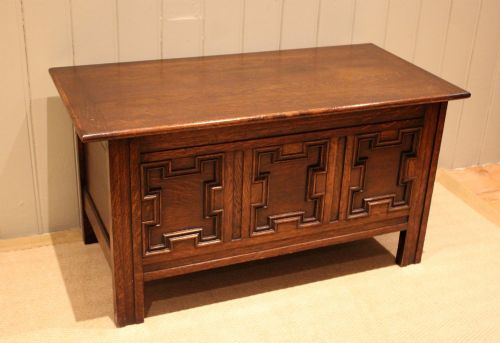
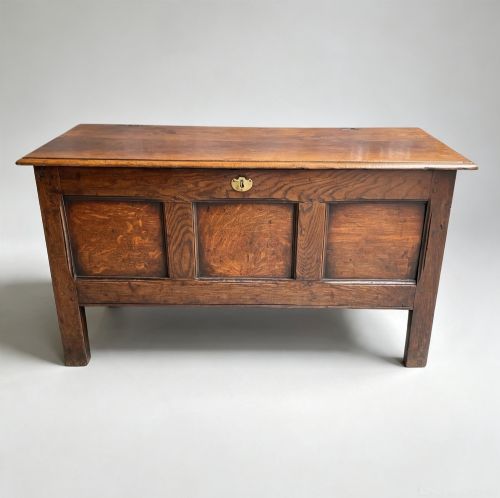
A vintage bedding trunk encompasses heavy timber storage chests, blanket boxes, and coffers spanning from the seventeenth century through to the early twentieth century. These pieces serve as practical receptacles for textiles, linen, and household items while anchoring a room with substantial period presence.
How they were made
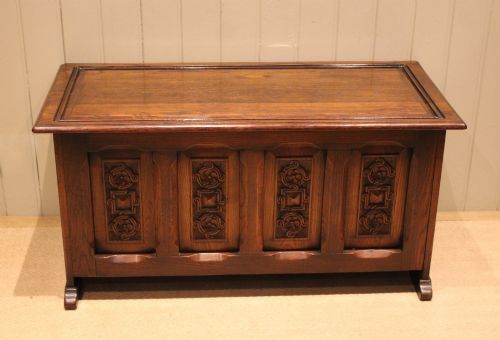
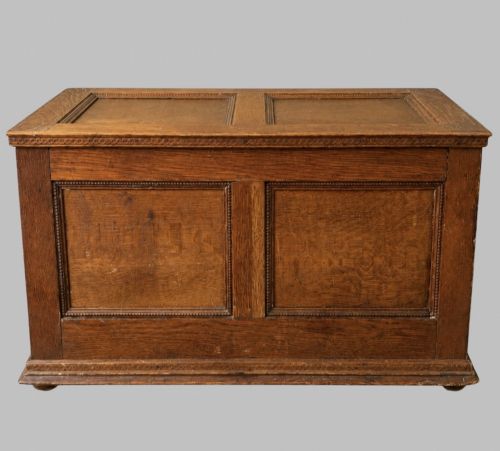
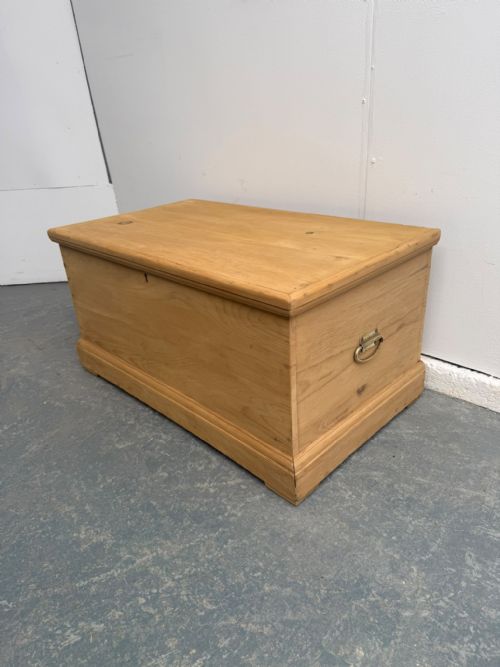
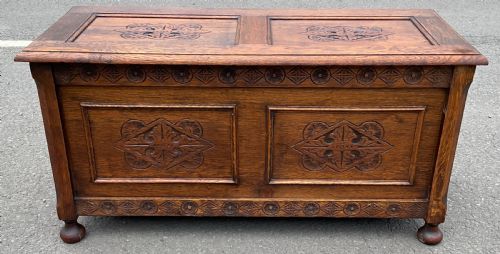
Carpenters constructed these trunks primarily using solid timbers like oak, pine, and elm, often joining panels with traditional framing methods. Surfaces received various treatments ranging from simple wax polishing to original paint or detailed hand-carved panels.
Iron and brass hardware such as hinges, bracket feet, and lock plates provided essential structural reinforcement and security for heavy lids and contents.
Listings feature periods from the seventeenth century up through Edwardian times, utilising materials like oak, pine, elm, and satinwood.
What varies in quality
Quality rests upon the selection of timber and the integrity of the original construction, distinguishing simple utilitarian boxes from fine cabinetmaker pieces. Solid oak and satinwood items with panelled construction or carved details represent the upper end of the craft.
The survival of original surfaces, such as early paint finishes or patinated wax on oak, greatly influences the character and integrity of a piece. Structural elements like original bracket feet, hinges, and internal till boxes also separate standard examples from finer specimens.
The Vintage Bedding Trunk Glossary
- Coffer
- A heavy wooden chest traditionally used for storing valuables and household goods. These sturdy containers often feature panelled lids and dense oak construction.
- Mule chest
- A traditional storage chest featuring one or more drawers beneath the main lift-top compartment. This form emerged in the eighteenth century to combine chest storage with accessible drawer space.
- Bracket foot
- A small architectural support projecting beneath the corners of a case piece or chest. These feet elevate the timber off the floor and provide a stable base.
- Panelling
- A method of constructing flat wooden surfaces using framed boards that allows the timber to expand and contract safely with humidity changes. This technique prevents major splitting in large chest lids and fronts.
- Till box
- A small internal compartment built into the upper corner of a chest for holding smaller valuables or documents. It sits discreetly inside beneath the main lid.
Vintage Bedding Trunk: Frequently Asked Questions
What is a mule chest?
A mule chest is a storage box that combines a lift-up lid compartment with one or more drawers positioned underneath. This design bridges the gap between a traditional coffer and a chest of drawers.
Cabinetmakers developed this form to provide easier access to stored textiles without needing to unload the entire top compartment.
How old are these trunks?
The pieces span several centuries, with examples originating from the seventeenth, eighteenth, nineteenth, and early twentieth centuries. Oak items often date to the earlier periods, while pine and satinwood variants frequently appear from the Victorian and Edwardian eras.
Construction details and timber types help date each individual trunk to its specific period of manufacture.
Can I use them as coffee tables?
Many people place sturdy blanket chests and coffers in living spaces to serve dual purposes as storage and surface space. Their flat tops accommodate books, trays, and lamps easily.
Care should be taken to protect the historic timber surface with appropriate coasters or mats.
How do I clean the wood?
Maintenance typically involves applying a gentle bees-wax polish to nourish dry antique timber and preserve the historic sheen. Avoid harsh chemical cleaners and excessive moisture that might damage original painted or waxed surfaces.
Regular dusting with a soft cloth keeps the grain clear without harming the patina.