


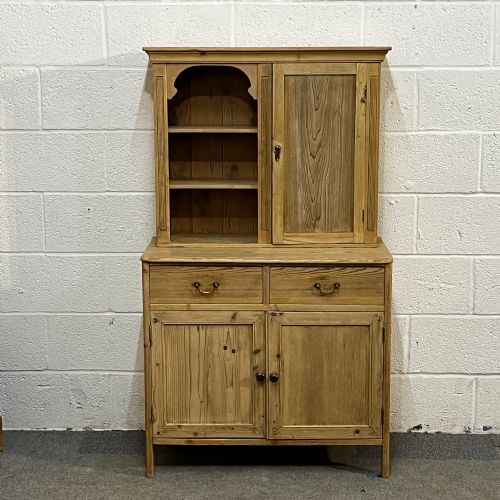
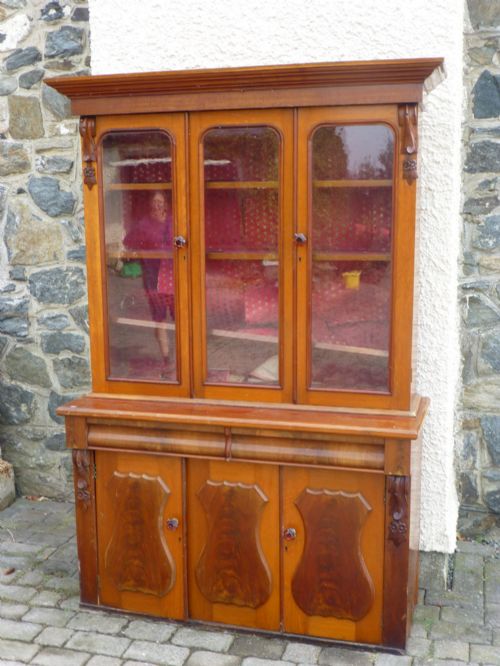
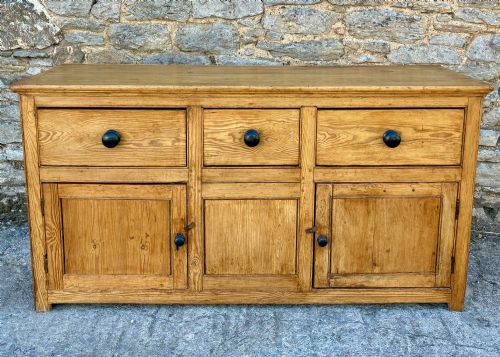
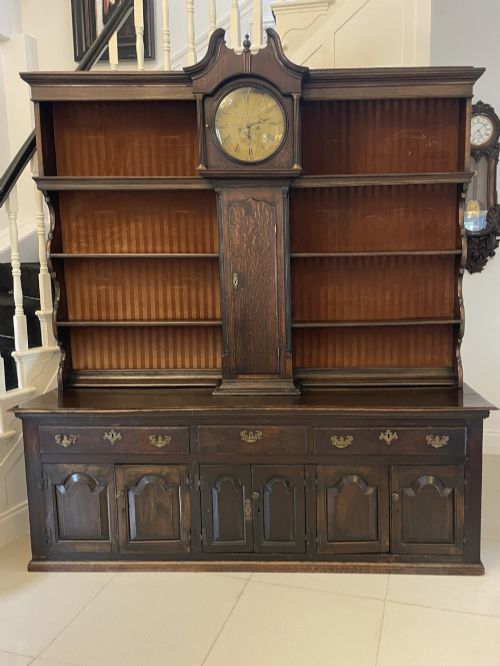
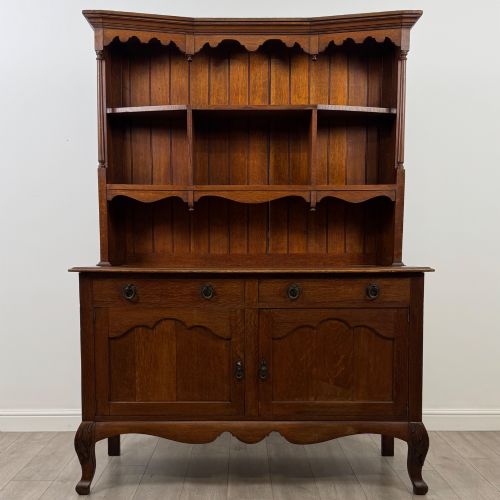
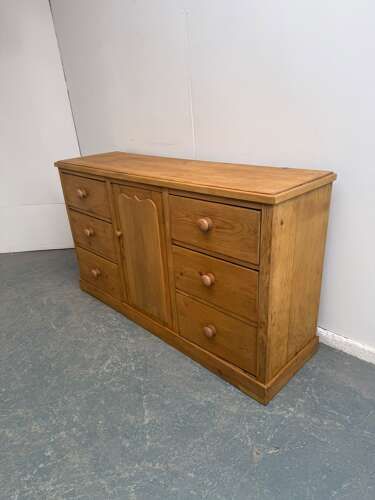
Country Kitchen Sideboard
A country kitchen sideboard brings robust utility and honest timber warmth straight from the farmhouse heart of the home.
Country Kitchen Sideboard
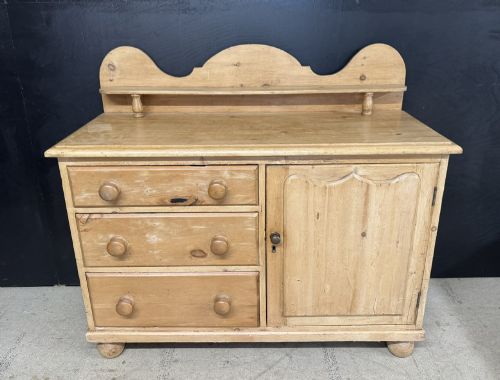
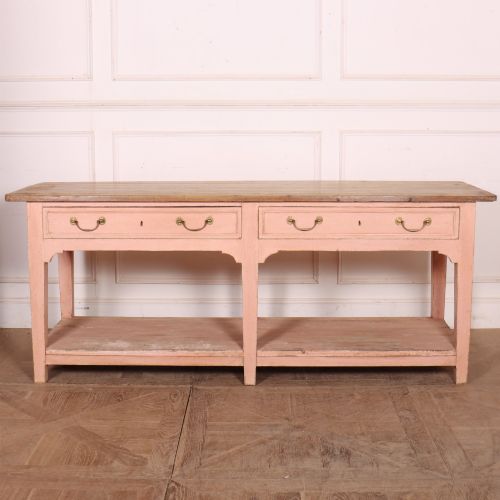
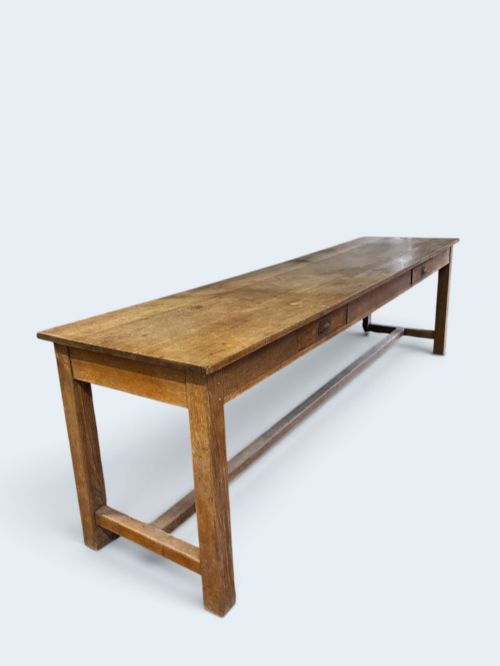
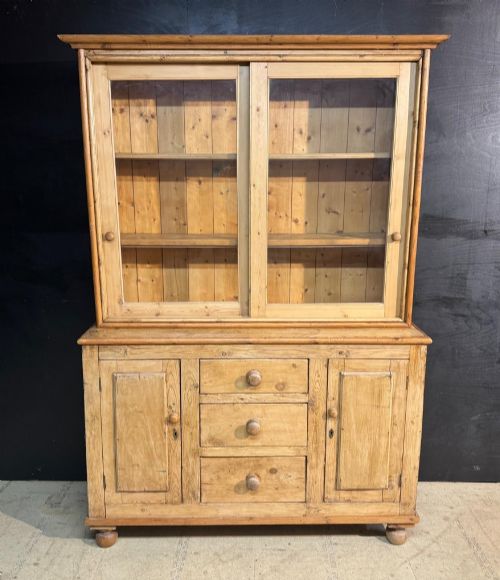
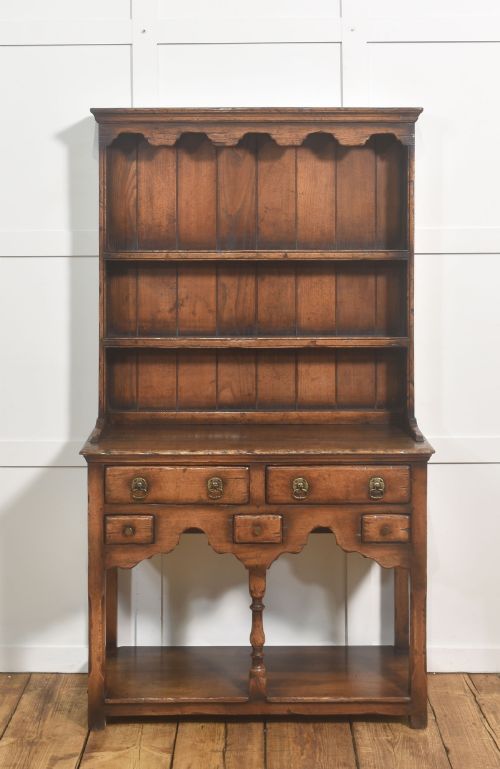
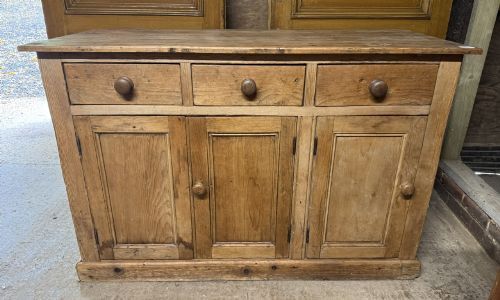
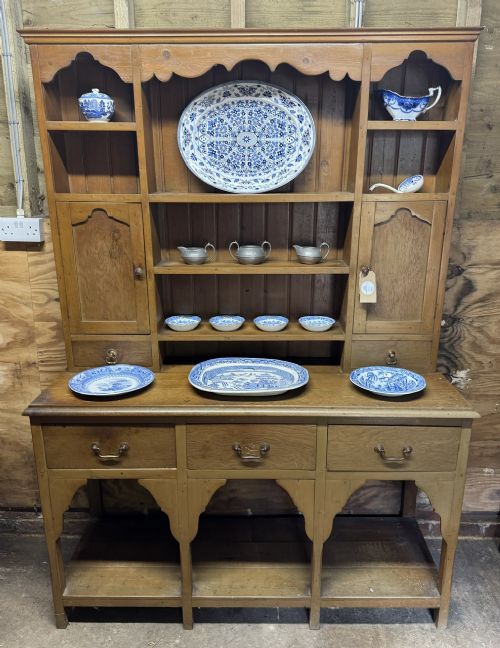
A country kitchen sideboard encompasses practical utilitarian storage pieces built to serve domestic spaces across generations. When searching for a country kitchen sideboard, buyers encounter functional forms including dresser bases, serving tables, potboard bases, and cupboards designed for everyday use.
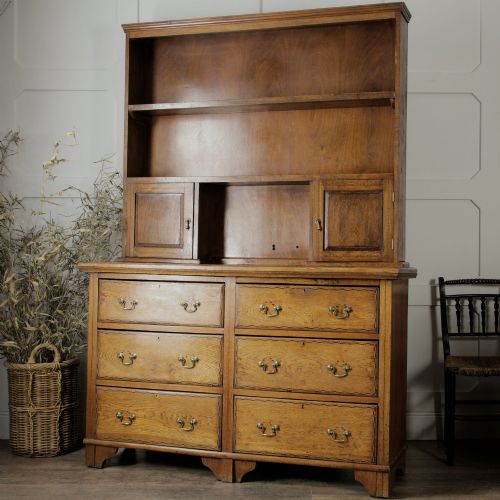
The pieces appearing on this page span several centuries, with particular strength in 18th-century, 19th-century, Victorian, and Edwardian examples. Materials lean heavily towards honest native timbers like oak and pine, often shaped into regional variants such as Welsh dressers or provincial serving tables.
These items originate primarily from British and European rural traditions, reflecting the honest construction methods of local joiners. Whether presented as a raw pine base, a waxed oak dresser, or a painted kitchen cabinet, each piece offers deep historical character rooted in domestic utility.
What varies in quality
Quality rests upon the integrity of the timber selection and the degree of original survival across the structure. Pieces retain higher standing when boards remain uncompromised, patination is untouched by harsh stripping, and structural joints hold their original timber pegs.
Proportion and regional detail further divide ordinary utility items from superior examples. A well-proportioned potboard base with balanced drawer arrangements and clean regional characteristics commands greater appreciation than heavily altered or clumsily repaired equivalents.
Listings feature 18th-century, 19th-century, Victorian, and Edwardian periods, utilising oak, pine, mahogany, and painted surfaces across dressers and sideboards.
The Country Kitchen Sideboard Glossary
- Potboard base
- An open lower shelf beneath the counter surface of a dresser base, traditionally used for storing heavy pots and pans. This lower platform sits raised above the floor on short feet or stiles.
- Dresser base
- A low cabinet featuring multiple drawers and cupboards beneath a sturdy serving top, functioning essentially as a sideboard. These pieces provided essential workspace and storage in older rural kitchens.
- Patina
- The deep surface sheen and rich colour acquired by timber through decades of handling, cleaning, and exposure to light. This visual depth cannot be easily replicated by modern finishing techniques.
- Bread and cheese cupboard
- A regional storage form featuring ventilated doors or panels designed to keep foodstuffs cool and protected. These specialised cupboards represent distinct local traditions in British country furniture.
- Confiturier
- A French provincial jam cupboard designed to store preserves and kitchen provisions within a compact single-door or double-door frame. These pieces bring continental rural utility into the kitchen sideboard category.
Country Kitchen Sideboard: Frequently Asked Questions
What is a country kitchen sideboard?
A country kitchen sideboard is a functional storage unit built from solid timber for rural domestic spaces. These pieces include low dresser bases, serving tables, and potboards designed for food preparation and storage.
Originating across British and European workshops, they emphasise practical utility over formal ornamentation. Their sturdy construction makes them enduring additions to modern kitchen environments.
How were these sideboards used originally?
Historically, these pieces served as the central work station and storage hub in farmhouse kitchens. Cupboards held dry goods, drawers organised utensils, and flat top surfaces supported meal preparation.
Open potboards underneath accommodated heavy pots, while upper plate racks displayed everyday crockery. They were workhorses designed to withstand the heavy demands of daily rural domestic life.
How do I care for antique pine furniture?
Caring for antique pine involves maintaining gentle humidity levels and avoiding direct placement beside intense heat sources. Regular dusting with a soft dry cloth protects the wax or polish finish.
Avoid modern silicone polishes that can penetrate the grain and alter the historic surface. Nourishing the timber occasionally with a traditional beeswax formulation preserves its warmth and natural patination.
How do I distinguish oak from pine pieces?
Oak is a dense hardwood displaying prominent grain patterns, medullary rays, and a deep brown or golden tone. Pine is a softer coniferous timber with a lighter colour and more uniform, subtle grain lines.
Oak pieces generally carry greater weight and show crisper carved details, whereas pine items often present a simpler, painted, or waxed surface reflecting more utilitarian rural origins.