
Country Kitchen Carver Chair
A country kitchen carver chair brings sturdy vernacular craftsmanship and honest domestic utility into daily seating.
Country Kitchen Carver Chair
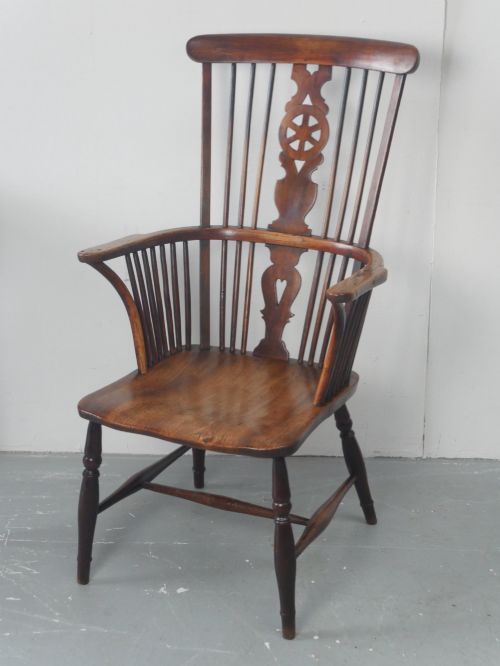
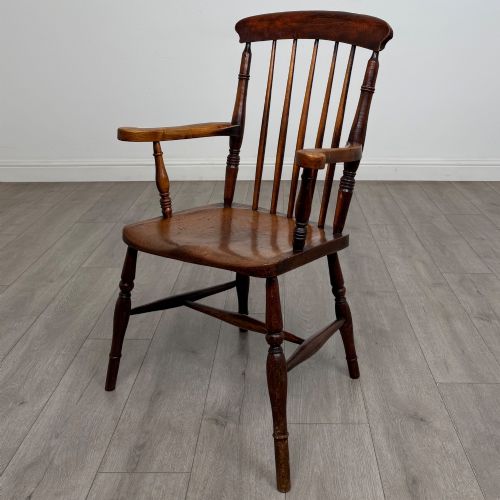
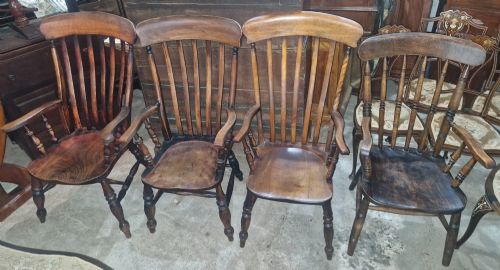
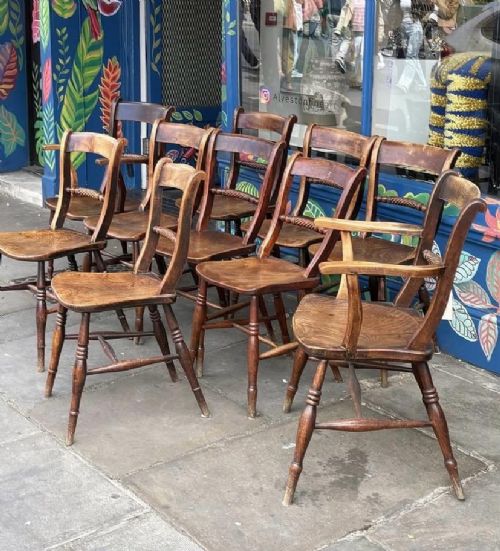
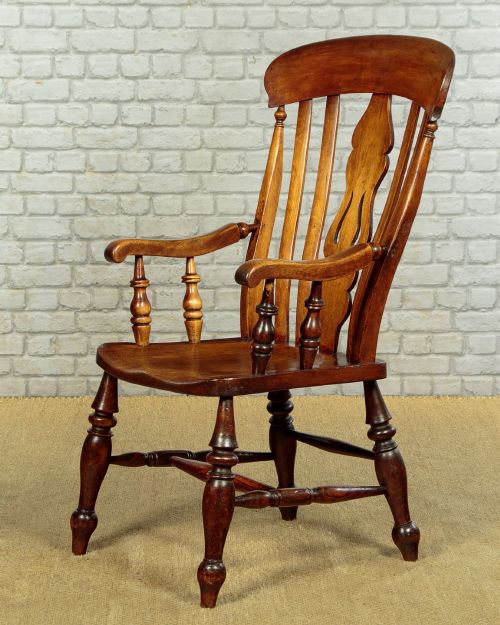
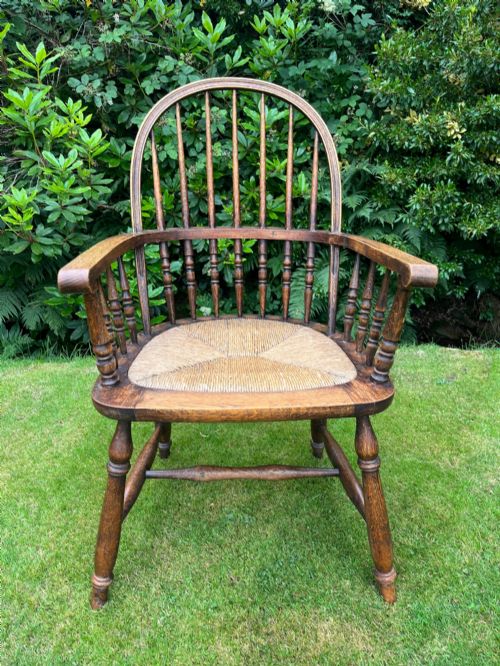
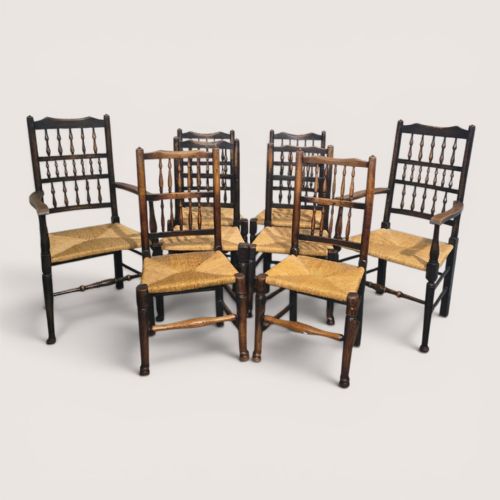
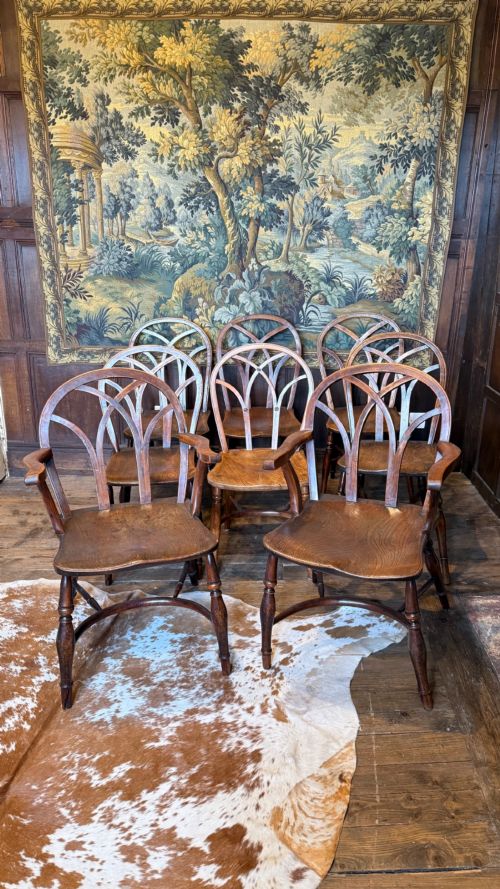
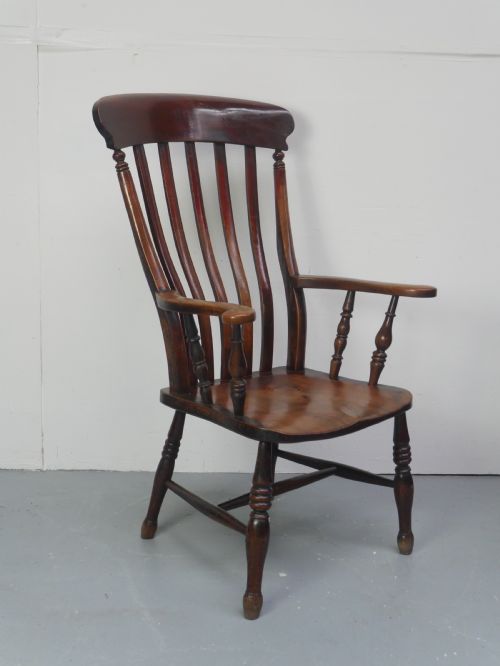
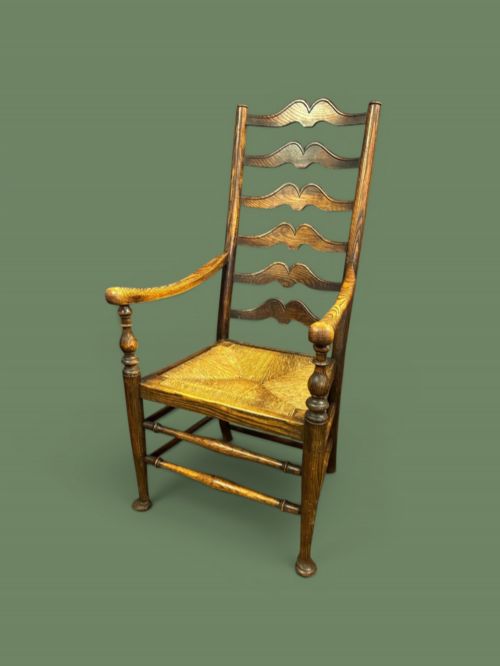
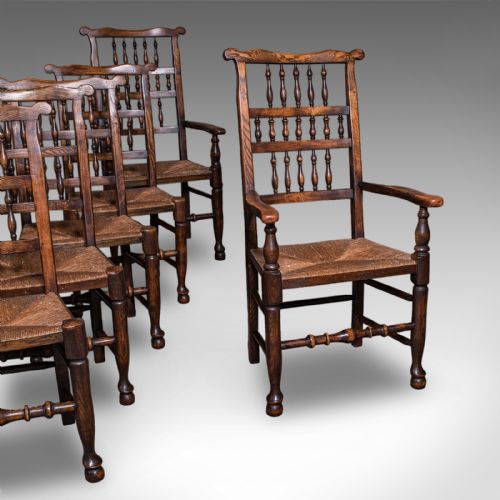
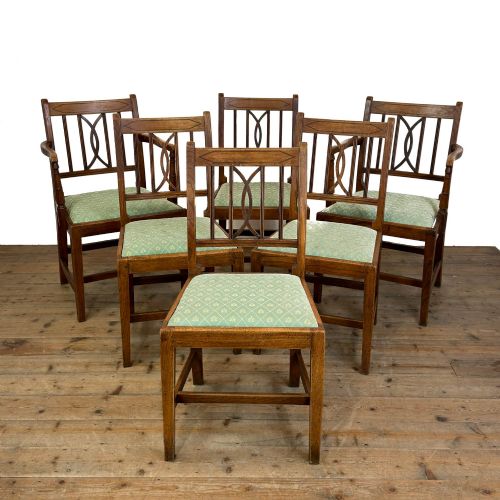
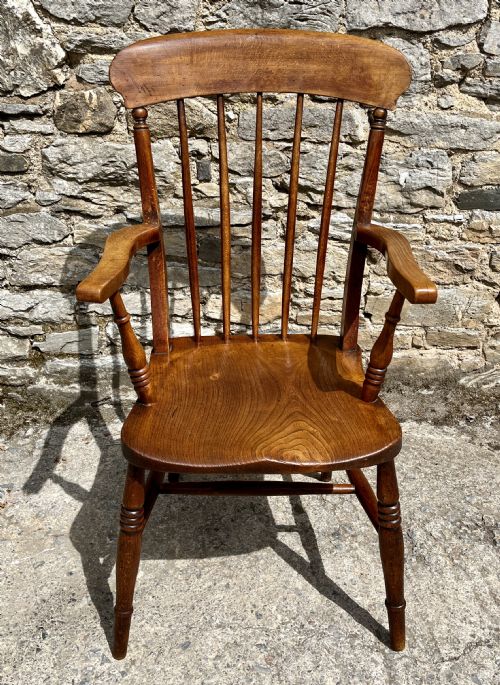
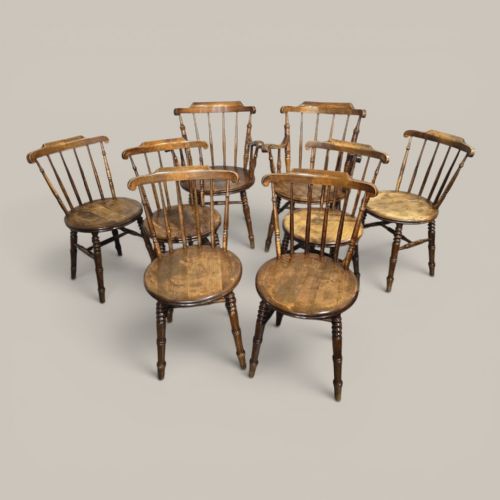
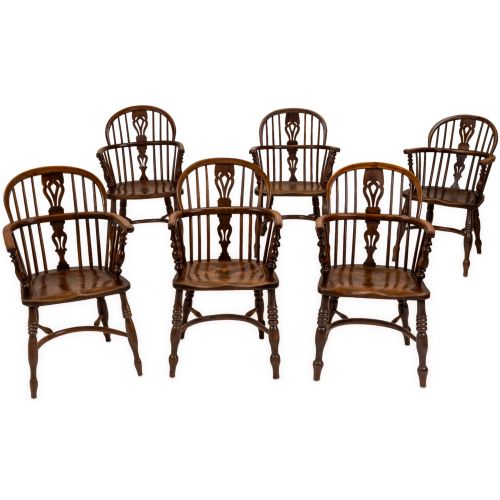
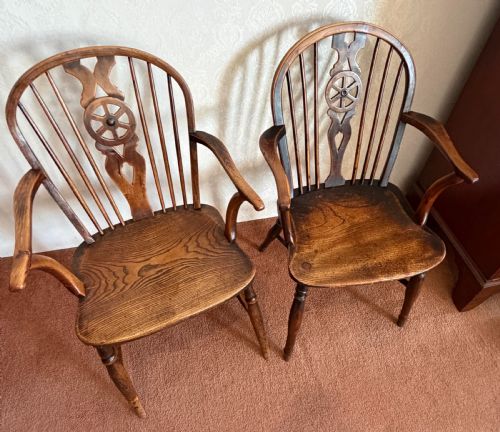
A country kitchen carver chair provides a robust armchair for domestic use, originating largely from nineteenth-century English workshops and farmhouses. These pieces include Windsor armchairs with stick, lath, wheel, or spindle backs alongside sturdy ladderback forms fitted with rush seats.
The version most commonly met on this page is the nineteenth-century Windsor carver constructed from a combination of native timbers such as elm, ash, and beech. These armchairs typically feature substantial bentwood bows, sculpted wooden seats, and sturdy turned underframes designed for longevity.
How they were made
Maker-joiners utilised native hardwoods by matching timber properties to structural demands, turning ash and beech for spindles and legs while selecting solid elm for deeply sculpted seats. This multi-wood construction allowed each component to perform its mechanical function efficiently.
Parts were shaped using drawknives and pole lathes before being joined through traditional mortise and tenon or wedged wedged-through construction. Steam-bending techniques permitted the creation of continuous back bows and arm rails without compromising the grain integrity of the wood.
Primary timbers recorded in these pieces include elm, ash, beech, oak, and yew, often paired within a single chair.
What varies in quality
Quality rests primarily in the timber selection and the depth of the sculpted seat, where thicker elm slabs display richer figure and superior tactile comfort. Finely turned spindles and well-defined crinoline stretchers indicate higher competence from the regional chairmaker.
Proportion and structural integrity separate standard utility seating from finer vernacular examples. Well-balanced arm supports and tight, original joinery without excessive timber replacement preserve both the aesthetic presence and the physical stability of the chair.
The Country Kitchen Carver Chair Glossary
- Carver
- An armchair designed to sit at the head of a dining table or serve as a substantial fireside seat. These pieces feature integrated armrests matching the side chairs in a set.
- Windsor
- A chair built with a solid wooden seat into which the legs, back spindles, and bow are separately inserted. This construction method creates a durable frame without traditional joined framing.
- Crinoline stretcher
- A bent or hooped stretcher connecting the legs of a Windsor chair below the seat for added lateral stability. The shape resembles the stiffened petticoats worn during the nineteenth century.
- Lath back
- A chair back featuring a wide central flat wooden slat or splat flanked by vertical spindles. This design provides robust back support while maintaining lightness of form.
- Rush seat
- A seating surface woven from dried marsh rushes twisted into cords and hand-plaited across the chair frame. This traditional technique yields a resilient and supportive organic surface.
Country Kitchen Carver Chair: Frequently Asked Questions
How were these armchairs used originally?
These armchairs served primary seating roles at dining tables, farmhouses, and kitchen hearths where daily durability mattered most.
The distinctive carver armrests provided extra comfort for the head of the household or guests during long meals and evening gatherings.
How do I live with a wooden carver chair?
Living with these chairs involves placing them around a kitchen or dining table, or utilising them as standalone accent seats in hallways and studies.
Maintain the timber by keeping it away from direct heat sources and applying occasional natural waxes to preserve the dry, honest surface finish.
How can I tell the period of a country chair?
Dating relies on observing construction marks, timber combinations, and the specific style of turnings, such as early nineteenth-century crinoline stretchers versus later Victorian stick backs.
Tool marks from pole lathes and hand saws inside the seat sockets also offer physical evidence of age and regional workshop methods.