
Country House Framed Art
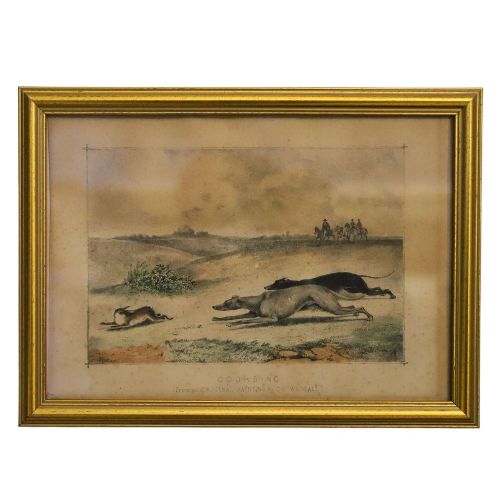
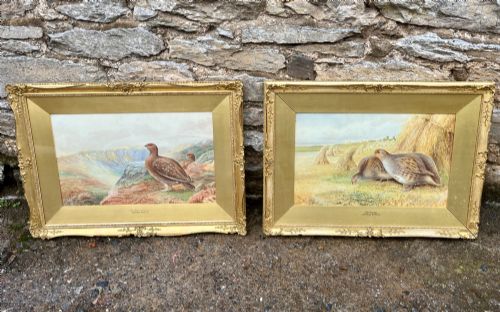
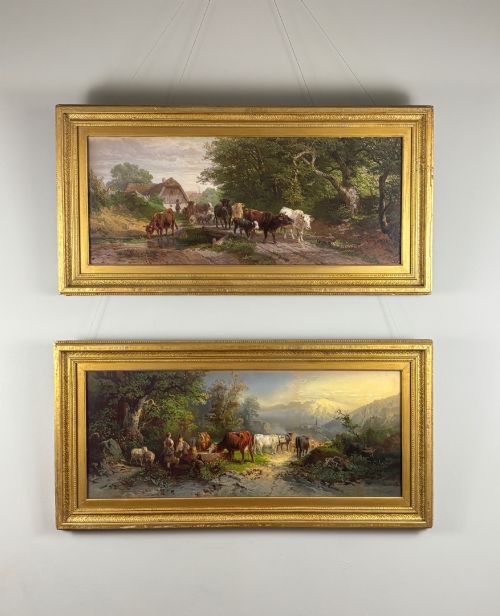
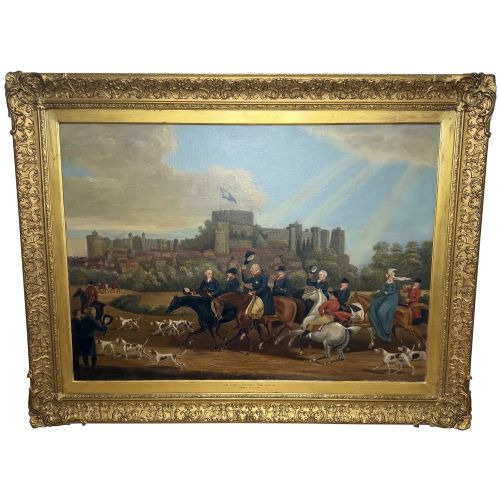
Country house framed art brings domestic animals, sporting scenes, and estate life directly onto the wall in oil, watercolour, and print.
Country House Framed Art
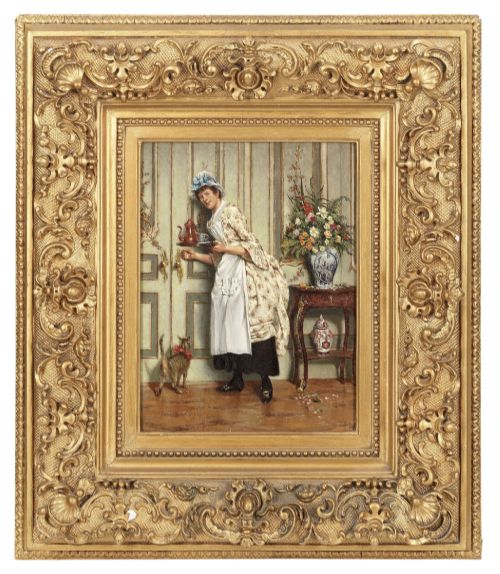
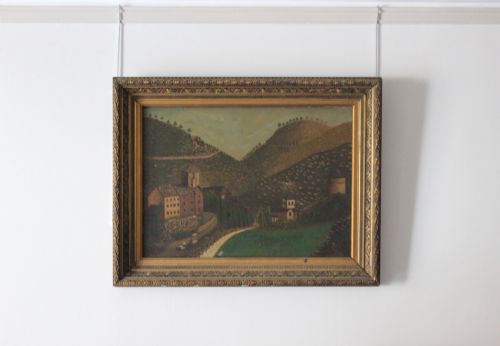
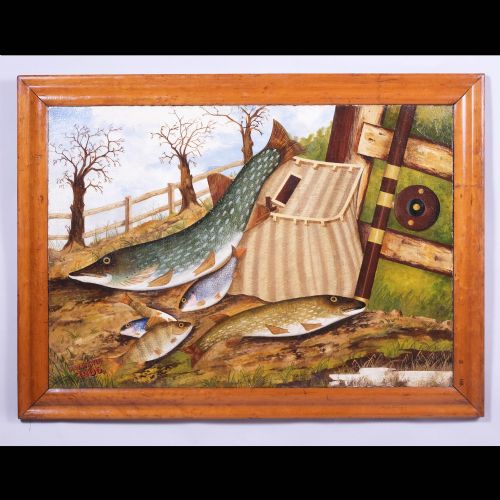
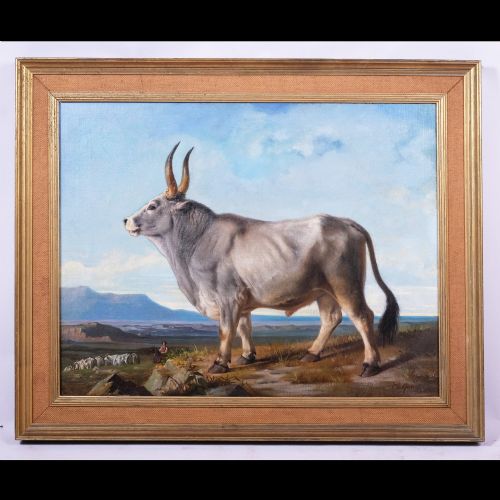
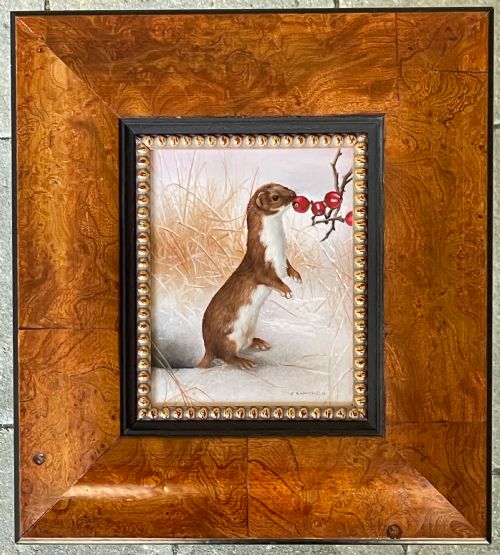
Country house framed art encompasses oil paintings, watercolours, lithographs, and prints depicting animals, sporting scenes, and domestic interiors from the Victorian, Edwardian, and Georgian periods. Buyers searching for country house framed art typically encounter portraits of dogs, horses, livestock, and rural landscapes produced throughout the nineteenth and early twentieth centuries.
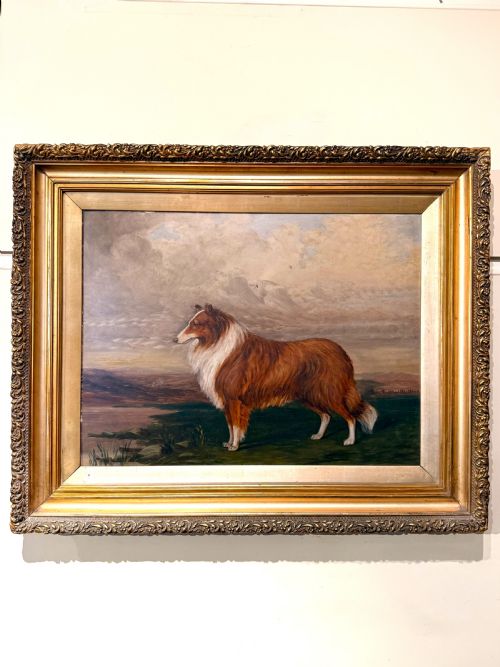
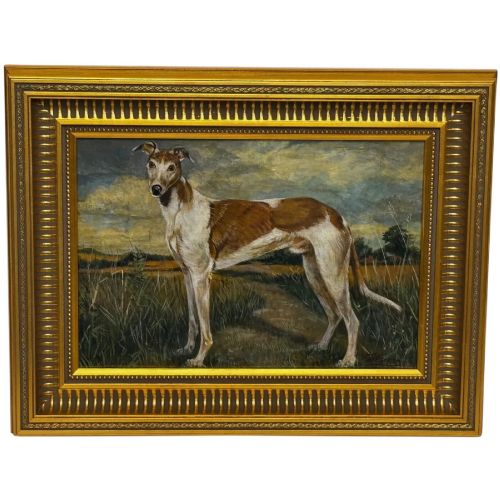
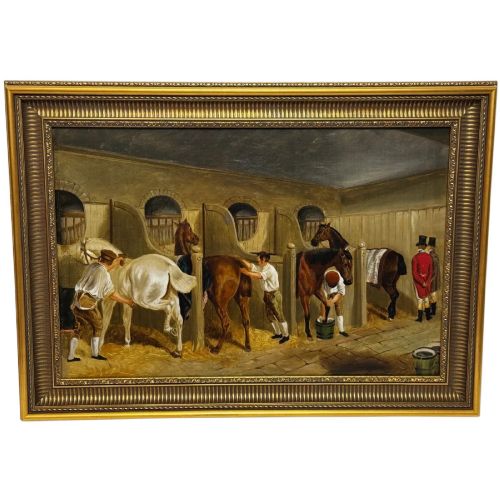
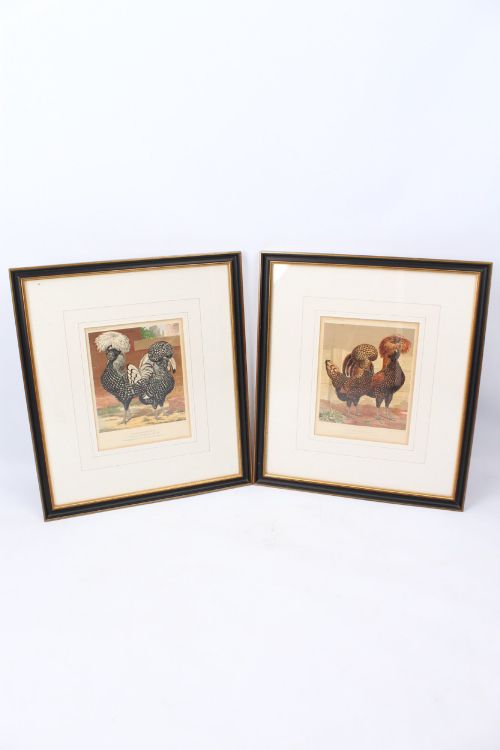
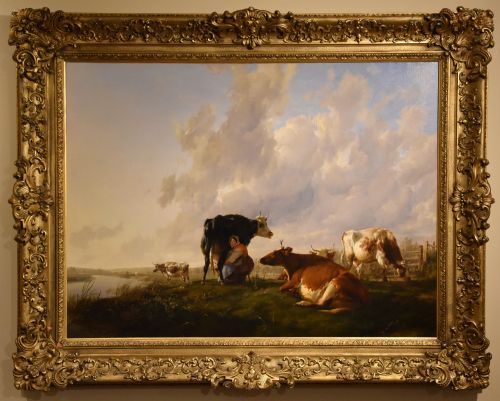
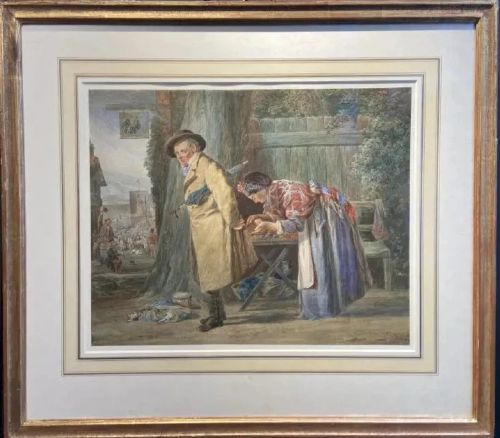
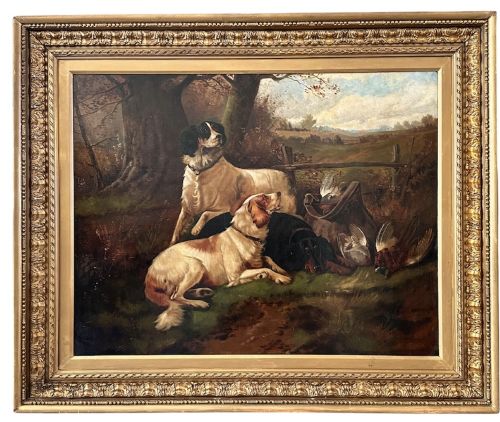
The subjects reflect traditional estate life, featuring hunting dogs, racehorses, farmyard chickens, and gentle pastoral views set within period frames of wood and giltwood. These works range from primitive studies to signed canvases by established artists working within realist and sporting traditions.
Materials and execution
Artists utilised oil paint on canvas or board, alongside watercolour, pastel, gouache, and ink on paper, applying pigments to capture domestic and sporting subjects. Many works combine oil paint with canvas supports, while prints employ lithography, mezzotint, and engraving techniques.
Framing forms an integral part of the construction, utilising carved wood, glass protection, and gold leaf gilding to house the paintings and prints securely. The physical components reflect standard workshop practices of the nineteenth and early twentieth centuries, relying on durable natural materials.
Animal portraits of dogs, horses, and farmyard animals form the largest category of framed art on this site.
Assessing visual quality
Quality rests upon the precision of draughtsmanship, particularly in the anatomy of animals and the handling of light within interior and landscape settings. Signed works by recognised painters demonstrate superior brushwork and compositional depth compared to anonymous school pieces.
The integrity of the original frame and the preservation of the painted surface dictate the overall standard of the piece. Stronger examples exhibit careful detailing in fur, plumage, and architectural backgrounds that elevate the visual narrative.
Stephen Samuel Lewin·Thomas Sidney Cooper·John Sargent Noble·Carl Whitfield·Johann Friedrich Voltz·John Alfred Wheeler·Edwin Henry Landseer·John Frederick Herring Snr·Claude Cardon·Joseph Knight·A M Gauci·Benjamin Blake·Edgar Woollatt·John Arthur Lomax·Charles Haigh Wood·John Frederick Herring Jnr
The Country House Framed Art Glossary
- Giltwood
- Wood that has been coated with a thin layer of gold leaf or gilt finish. This material is frequently found on traditional frames enclosing nineteenth-century paintings.
- Lithography
- A planographic printing method utilising a flat stone or metal plate to reproduce graphic works. This technique produced many of the framed prints and animal studies seen in period interiors.
- Mezzotint
- A printmaking process of the intaglio family that allows half-tones to be produced directly. Robert Sayer utilised this method for historical and portrait prints.
- Sporting art
- Genre of painting and printmaking depicting field sports, horses, dogs, and rural pursuits. This category forms a major component of rural estate decoration.
Country House Framed Art: Frequently Asked Questions
What subjects appear most frequently?
Animals dominate the selection, with numerous portraits of dogs, horses, cattle, chickens, and game birds recorded across the periods. Sporting scenes, rural landscapes, and domestic interior views also feature prominently.
These subjects reflect the aesthetic preferences of nineteenth and early twentieth-century estate owners who commissioned or collected works celebrating rural pursuits.
How do I identify the period?
Dating relies upon stylistic markers, artist signatures, framing materials, and the physical substrate such as canvas, board, or early paper. Victorian, Edwardian, and Georgian pieces each carry distinct characteristics in palette and dress.
Reference to recorded artist working dates helps narrow the timeline for signed paintings and prints.
Were these always framed?
Most oil paintings, watercolours, and prints from these periods received contemporary frames to protect the delicate medium and enhance domestic display. Giltwood and wooden frames often remain paired with their original artworks.
Some pieces retain framing that matches the exact decade of creation.
How should I hang them?
These works suit traditional wall placements in living spaces, studies, and hallways, echoing their original country house contexts. Secure hanging requires assessing the weight of the wood and glass components.
Direct sunlight should be avoided to protect oil paints and works on paper from fading.