


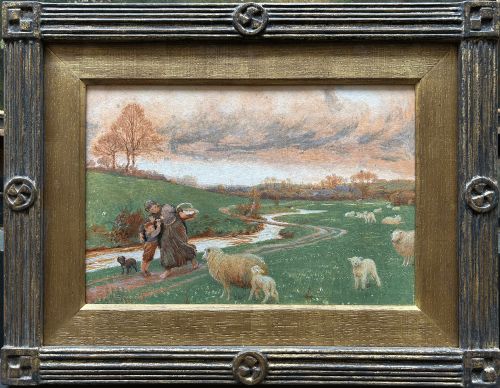
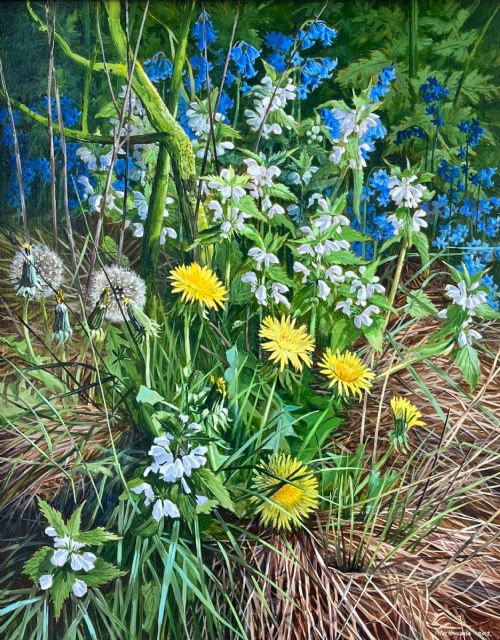
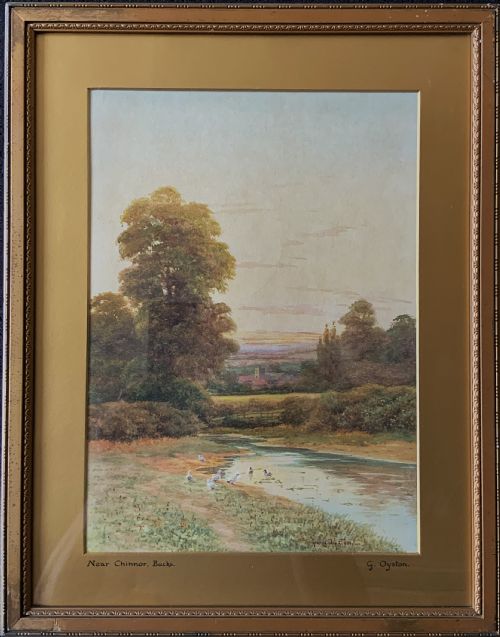
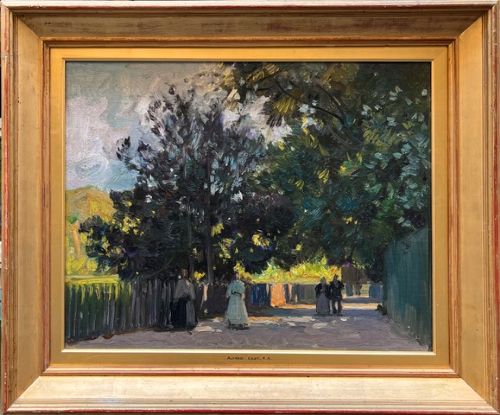
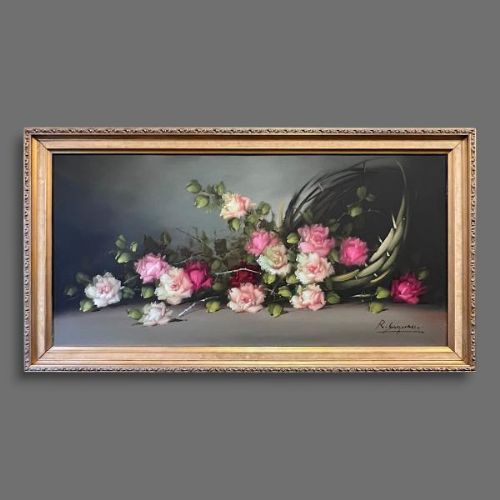

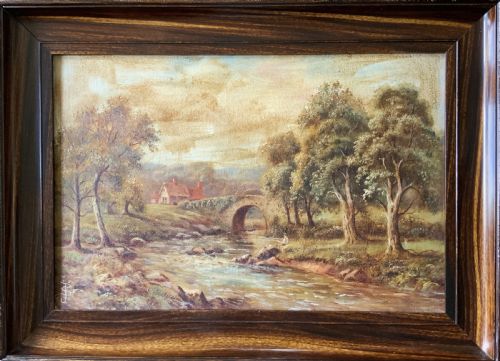


Painted Green Wood Frame
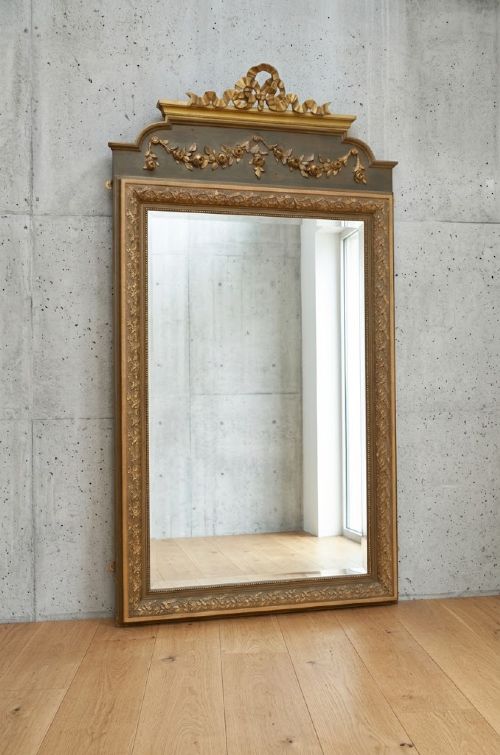
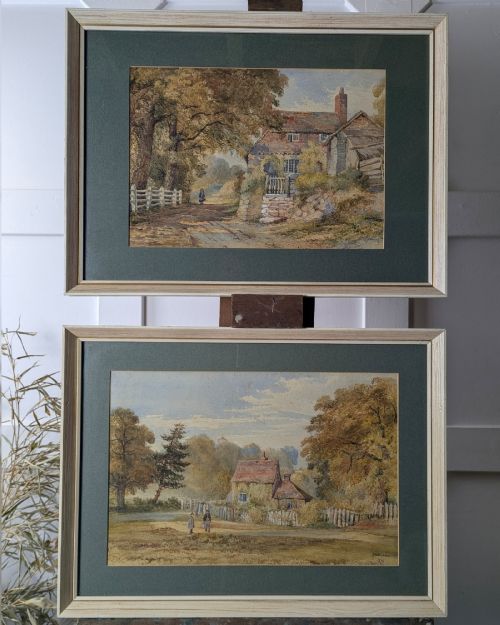
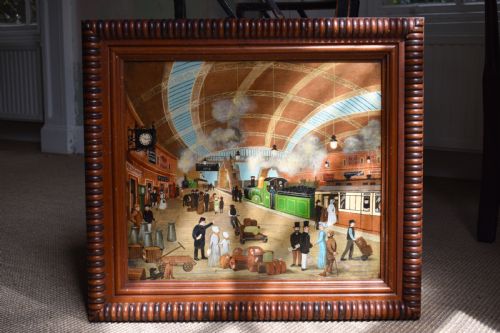
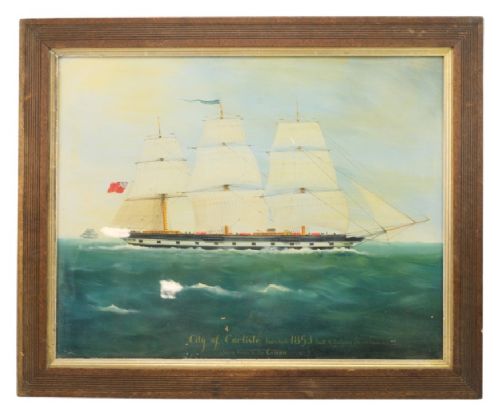
When you search for a painted green wood frame, you find pieces built from timber and pigment that hold historic paintings and mirrors.
Painted Green Wood Frame
A painted green wood frame acts as the structural housing for various visual works, ranging from oil paintings on wood panels to wall mirrors. These items bridge multiple periods, stretching from the Victorian era through the early twentieth century into mid-century design.
The objects take diverse forms, including landscape watercolours, portraits, and decorative wall art. They reflect craftsmanship traditions across British, French, and German schools.
Buyers encounter items where the green pigment on the wood interacts directly with the subject matter inside, such as woodland scenes or botanical studies. The painted wooden surrounds often show the character of their specific historical period.
How they were made
Makers constructed these surrounds using timber frames finished with oil paint, watercolours, or gilt highlights applied over wood and canvas supports. Painters worked on wood panels, canvas boards, or paper surfaces set within these prepared wooden structures.
The application of green paint varied from solid opaque coatings to distressed layers that allowed the underlying wood grain to show through. Artisans joined corners using traditional methods appropriate to the century of manufacture.
The available selection includes oil paintings, watercolours, and wall mirrors housed in wooden structures.
What varies in quality
Quality rests in the harmony between the wooden housing and the artwork it encloses, along with the depth of the pigment layers. A superior piece displays careful joining in the frame and skilled brushwork in the painting or clarity in the mirror glass.
The integrity of the original green paint surface alters the visual weight of the object. Pieces retain distinct periods of character when the paint layer ages naturally alongside the wood beneath.
W Klombeck·Robert A Nottingham·George Oyston·Sir Alfred East·Sydney Yates Johnson·Hubert Wellington·Joseph Edward Hennah·Thomas Bromley Blacklock·Thomas Edward Roberts·Robert John Hammond·Frederick James Knowles·Maud Raphael Jones·Frank Wood·James Proudfoot·Rowland Henry Hill·John Sanderson Wells
The Painted Green Wood Frame Glossary
- Oil paint
- A medium consisting of pigments suspended in a drying oil, commonly used on canvas or wood panels. It allows for rich colour depth and textured application.
- Wood panel
- A flat wooden support used as a base for paintings instead of stretched canvas. It provides a rigid surface that influenced framing techniques.
- Watercolour
- A painting method where fine pigment powders are suspended in a water-soluble binder. These works require protective glass glazing within their frames.
- Gilt
- A thin layer of gold leaf or gold paint applied to surfaces such as wood frames. It adds reflective contrast to darker painted finishes.
- Reverse glass print
- An image painted or printed directly onto the back of a glass pane to be viewed from the front. This technique requires specialised framing to secure the glass securely.
Painted Green Wood Frame: Frequently Asked Questions
What periods do these green frames come from?
The listings span several distinct eras, including Victorian, Edwardian, and mid-century decades. Each period brought specific approaches to woodworking and surface finishing.
Craftsmen across these centuries applied green pigments differently, creating distinct visual identities for the timber surrounds.
How do I hang a heavy framed artwork safely?
Large paintings on wood panels require secure wall anchors rated for the combined weight of the timber and paint. Using traditional picture wire attached firmly to the frame structure distributes the load evenly.
Ensure the hanging hardware matches the specific wall material in your home to support the piece securely.
Can I place these pieces in direct sunlight?
Direct sunlight can fade both the green paint on the wood and the pigments within the paintings or watercolours over time. Position these items away from south-facing windows to protect the materials.
Stable indoor humidity also prevents the wood frame and panel from warping or cracking with seasonal changes.
How should I clean a painted wood frame?
Dust the timber gently with a soft, dry cloth to remove surface particles without disturbing the painted finish. Avoid liquid cleaners or harsh chemicals that might strip historical pigment layers.
Regular maintenance preserves the integrity of both the wood and the decorative surface treatment.