

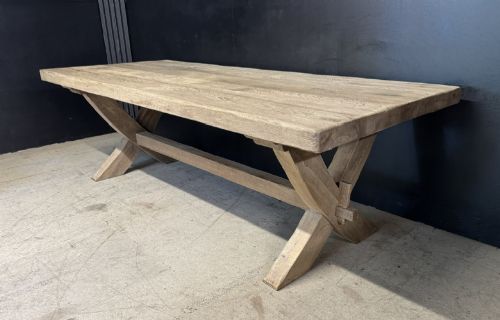
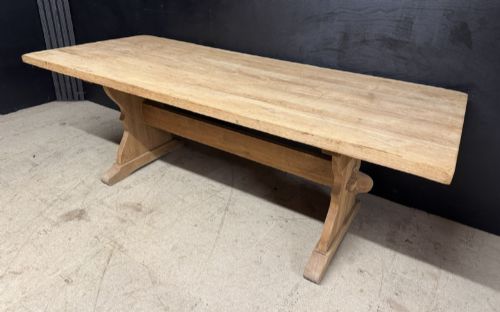
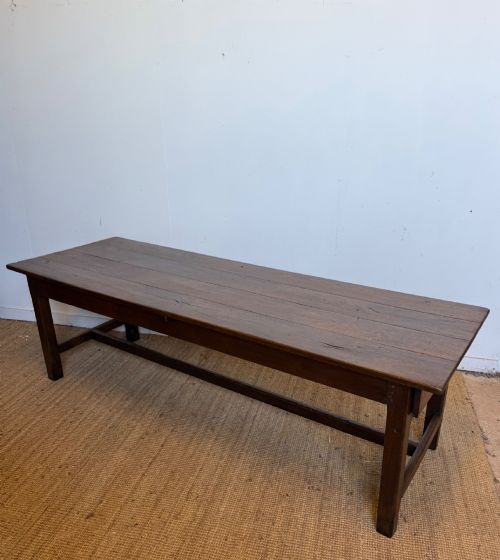
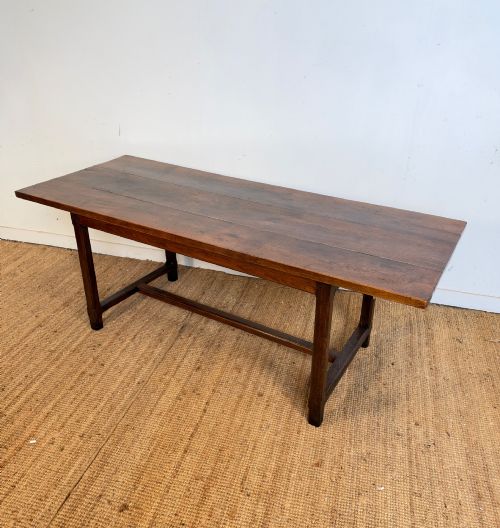
Country Farmhouse Dining Table
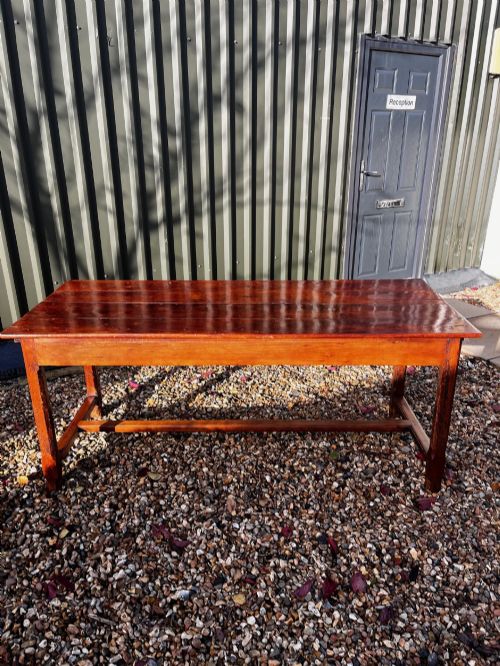
These country farmhouse dining table pieces bring enduring utility and robust timber character straight to the heart of the home.

Country Farmhouse Dining Table
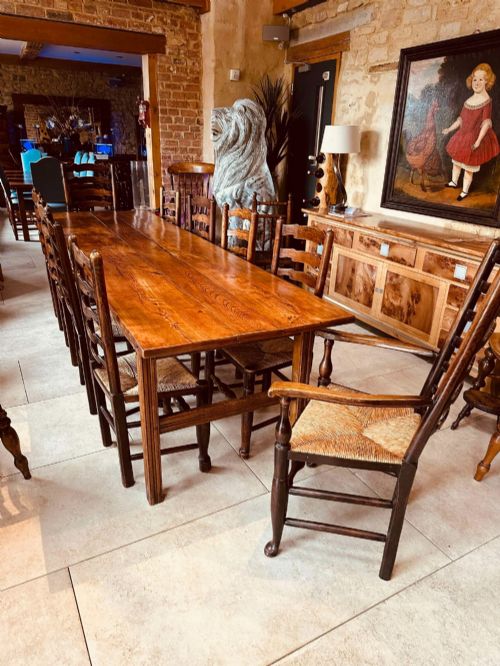
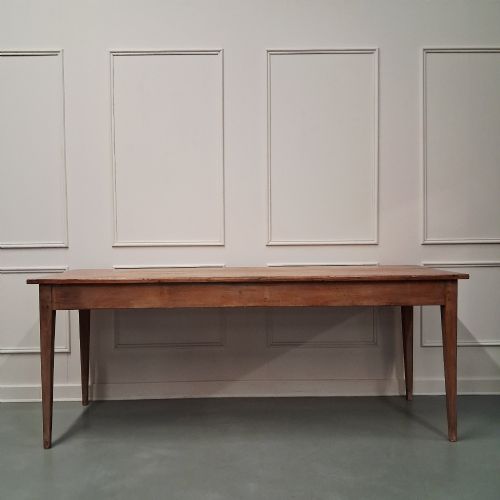
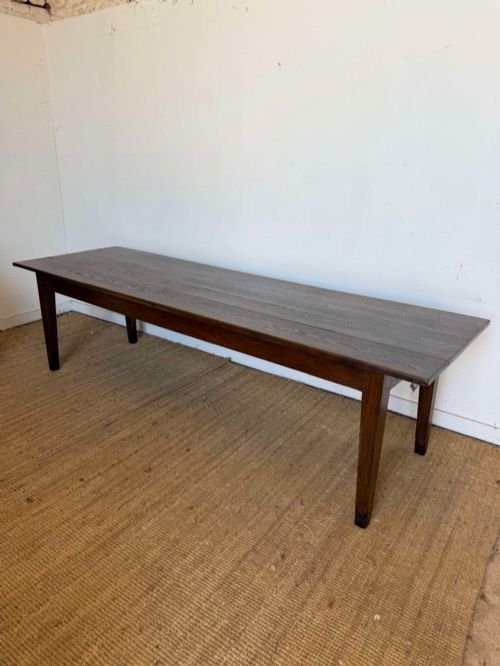
A country farmhouse dining table serves as the central hub for domestic life, designed originally for heavy daily use in kitchens and dining rooms. Buyers seeking this phrase encounter solid timber forms ranging from compact Victorian pine kitchen tables to substantial Georgian and 19th-century refectory designs.
The selections span various regional interpretations, including French provincial cherry wood and oak examples alongside English pine and Welsh oak pieces. These dining tables, kitchen tables, and refectory forms bridge the gap between utilitarian workspace and communal dining surface.
Materials and construction methods
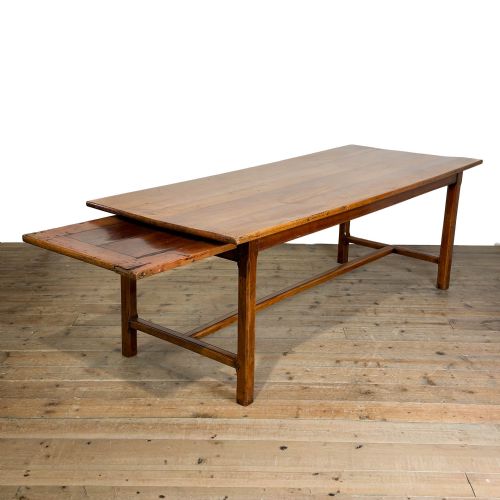
Construction relies heavily on durable hardwoods and softwoods such as oak, pine, fruitwood, elm, and beech, joined to withstand decades of daily wear. Many examples utilise traditional pegged joints, sturdy stretcher bases, or drop leaves for functional adaptability.
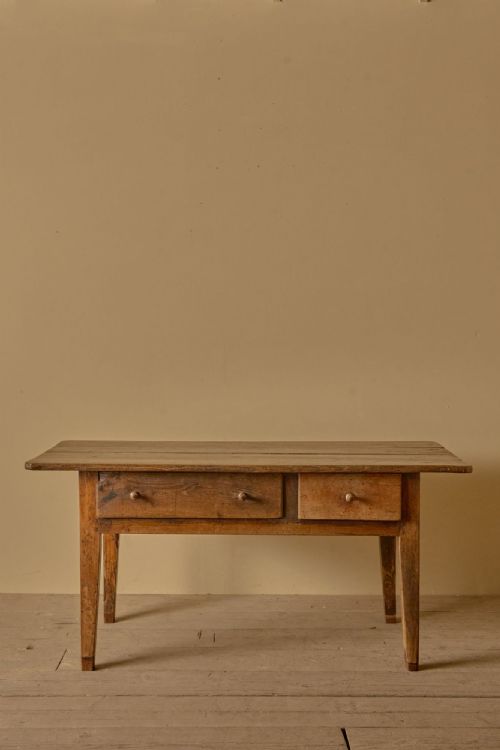
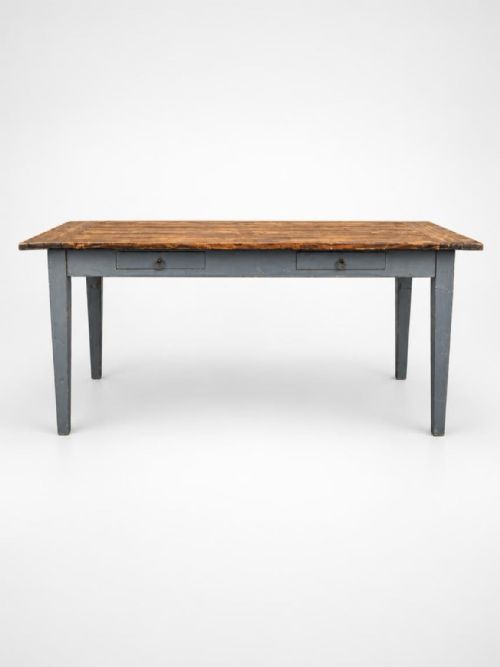
Surfaces often display the natural grain of the wood, sometimes enhanced with wax or integrated with brass and metal hardware like drawers. Cabinetmakers selected these dense timbers to ensure stability across long spans, whether building single planks or double extending formats.
Country Farmhouse Dining Table Retail Price Guide 2026
Typical asking prices for country farmhouse dining table among the pieces listed under this phrase on Sellingantiques today, from the lower quarter to the upper quarter. They describe what is for sale here now, not the wider market.
Some folding drop-leaf kitchen tables come equipped with a hidden drawer, ready to catch centuries of rogue breadcrumbs.
Evaluating quality and proportion
Proportion and scale dictate the visual weight of the piece, with longer timbers and deeper boards offering greater presence. The harmony between the top boards and the supporting frame separates standard utility tables from finer regional expressions.
The Country Farmhouse Dining Table Glossary
- Refectory table
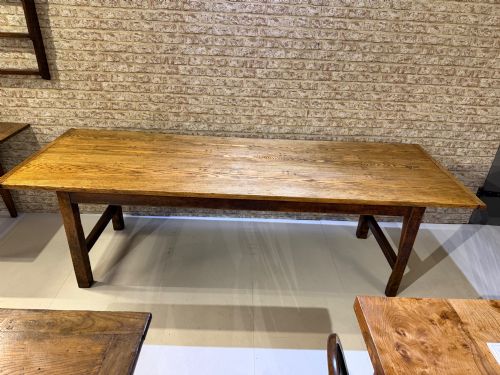
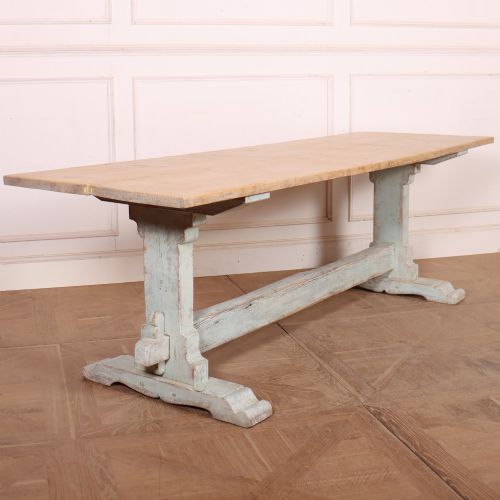
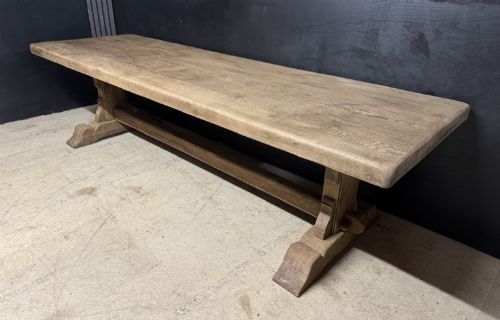
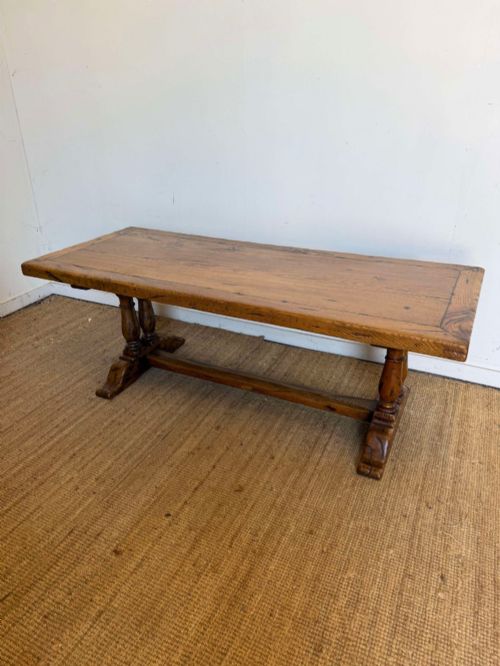
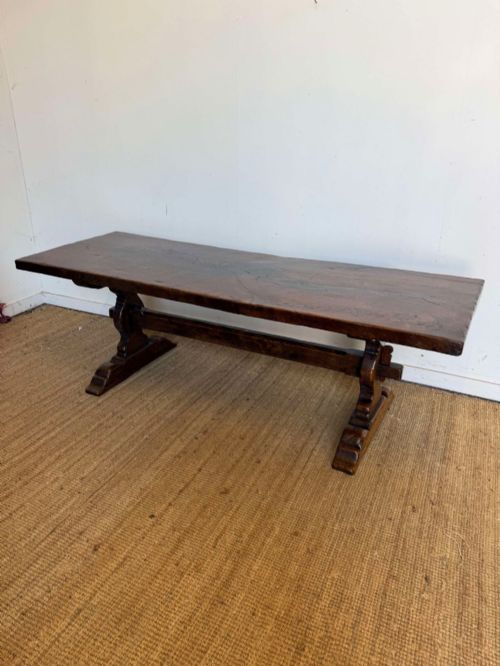
- A long, narrow dining table traditionally used in communal dining halls and adapted for domestic country kitchens. These forms typically feature substantial legs linked by a low stretcher.
- Drop leaf
- A hinged table design featuring movable flaps on either side that fold down to save space. This mechanism allows the surface area to expand or contract according to domestic needs.
- Fruitwood
- Timber sourced from fruit-bearing trees such as cherry, pear, or apple, utilised for its fine grain and warm tone. Cabinetmakers favoured these woods for decorative regional tables.
- Gateleg table
- A table featuring hinged legs that swing outward to support folding leaves when extended. This construction provides robust support for drop-leaf dining surfaces.
Country Farmhouse Dining Table: Frequently Asked Questions
What defines a country farmhouse dining table?
These tables are practical, sturdy wooden surfaces traditionally built for heavy daily use in domestic kitchens and dining rooms. They prioritise robust construction and functional proportions over ornate decoration.
Evidence shows they appear in materials like oak, pine, and fruitwood, spanning styles from Victorian pine to 18th-century French provincial designs.
How were these tables used originally?
They served as the main workspace for food preparation, daily family meals, and communal gatherings in rural homes. Many included integrated drawers for storing utensils or folding leaves to adjust the surface area.
Larger refectory and harvest formats accommodated extended families and farm labourers for substantial meals.
How do I care for a wooden farmhouse table?
Maintain the timber by cleaning with a soft, damp cloth and applying appropriate wax to nourish the grain. Avoid placing solid wood surfaces in direct sunlight or near extreme heat sources to prevent warping.
Embrace the patina of historical marks and knocks as part of the ongoing character of utilitarian antique furniture.
How can I tell the period of a table?
Dating relies on examining the timber species, joinery techniques, leg styles, and overall hardware construction. Earlier 18th-century pieces often feature heavier oak refectory frames, while Victorian and Edwardian examples frequently utilise pine or bleached oak.
Regional traits, such as French cherry wood or English elm, also provide clues to the origin and era.