
Country Elm Furniture
Country elm furniture brings honest timber and utility into a room, offering robust tables, desks, and seating shaped by provincial hands.
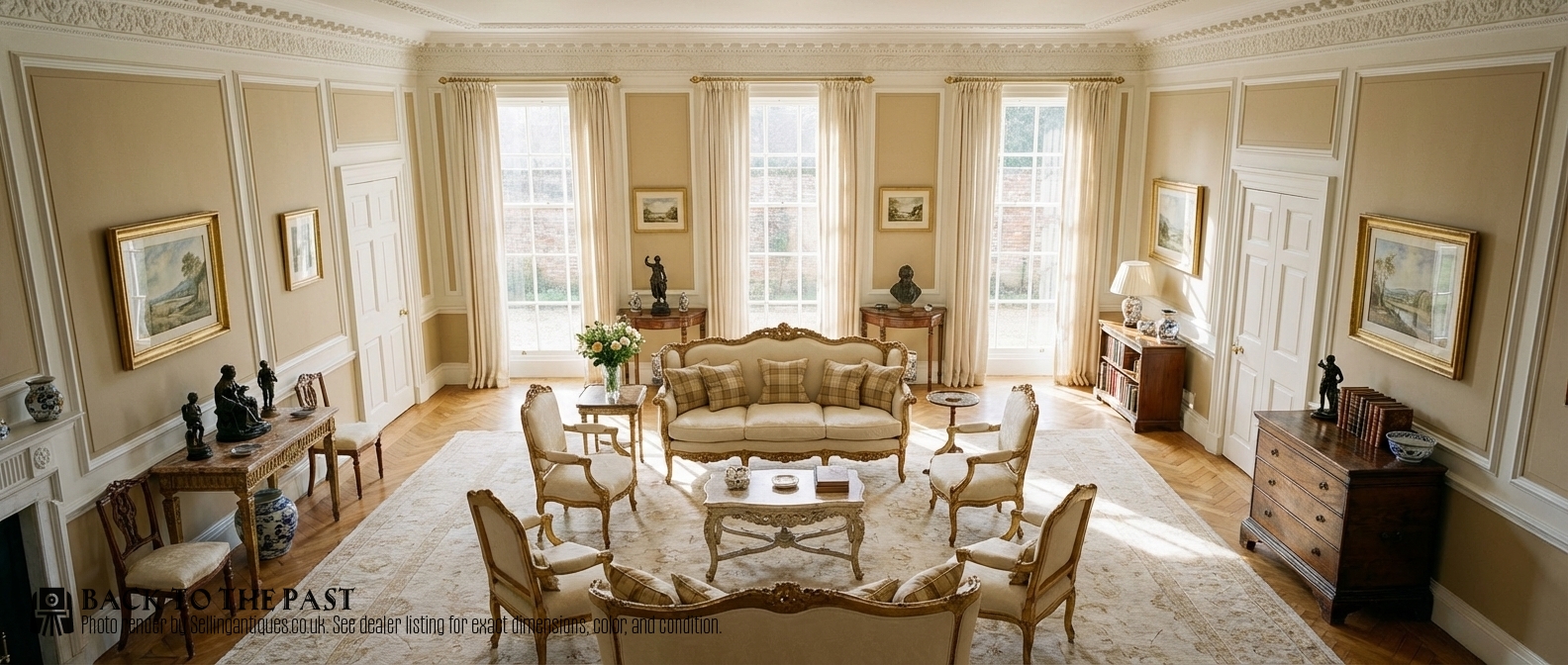
Understanding Country Elm Furniture
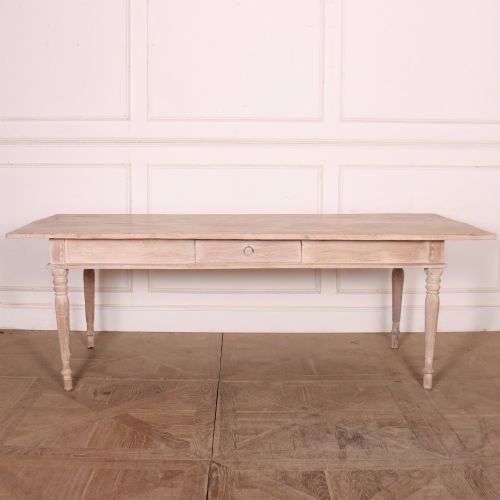
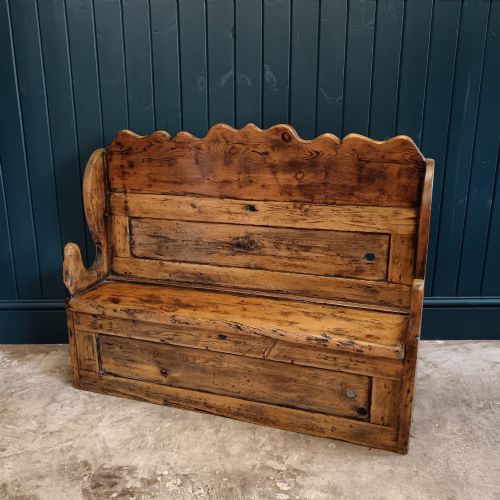
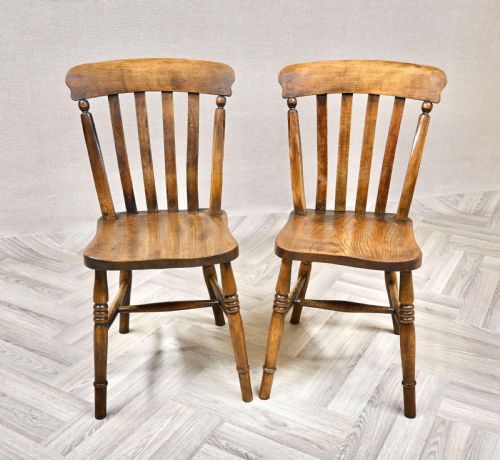
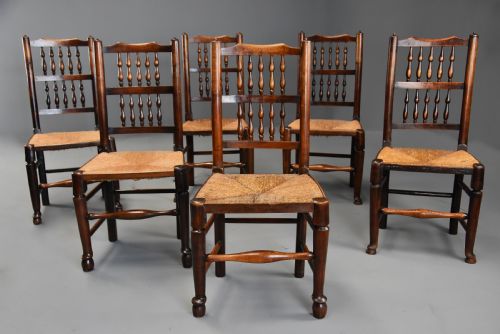
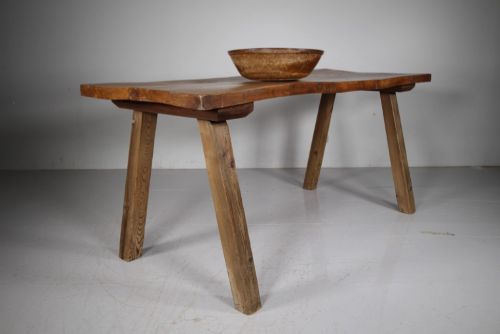
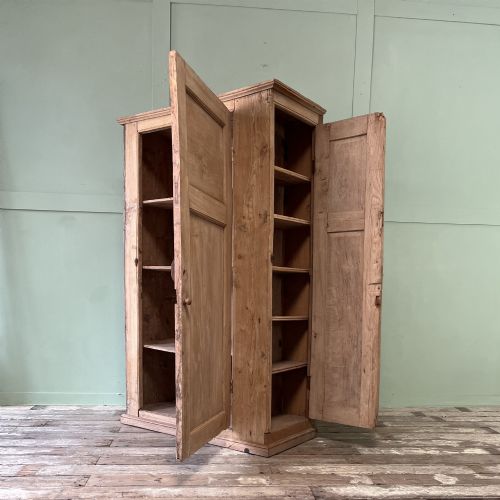
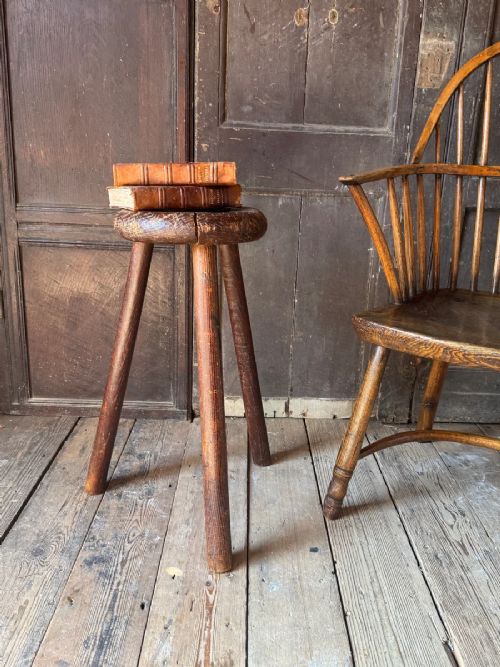
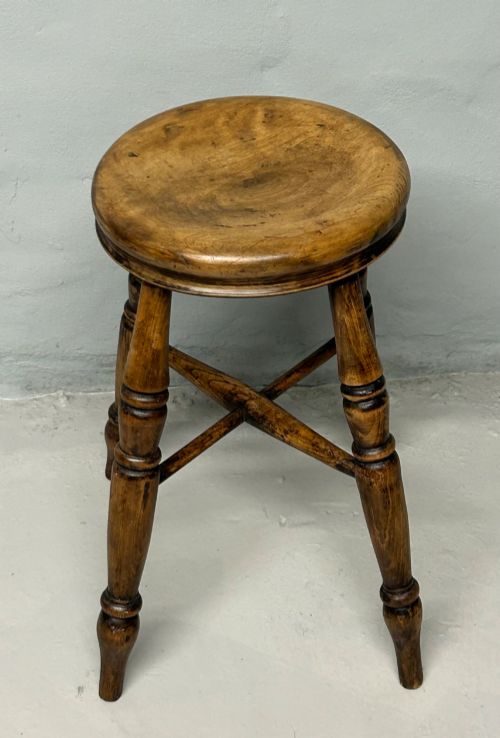
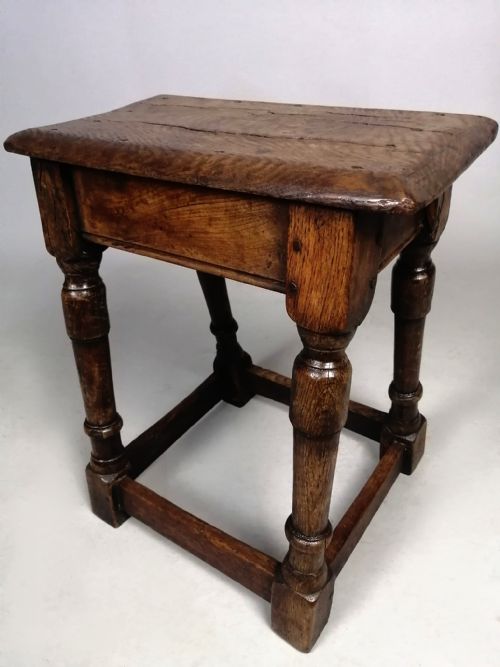
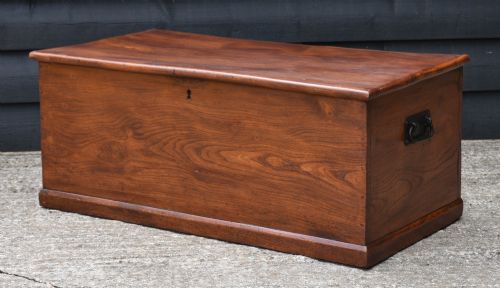
Country elm furniture encompasses practical domestic objects made outside metropolitan workshops, often utilising tough native timber for daily use. When searching for country elm furniture, buyers encounter utilitarian forms such as chests of drawers, desks, benches, and seating.
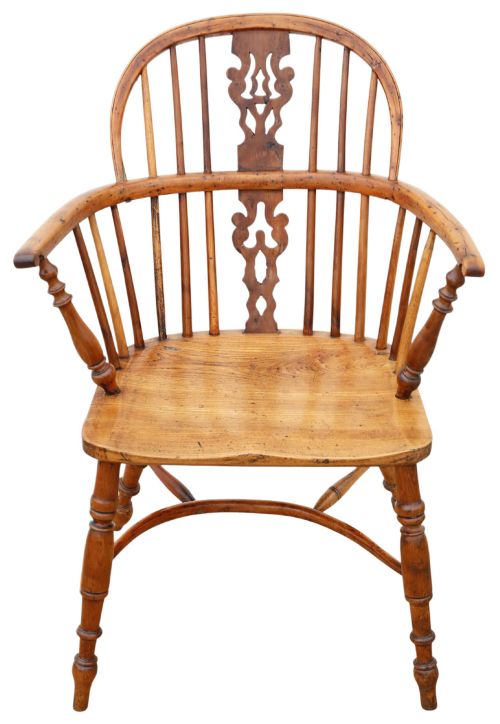
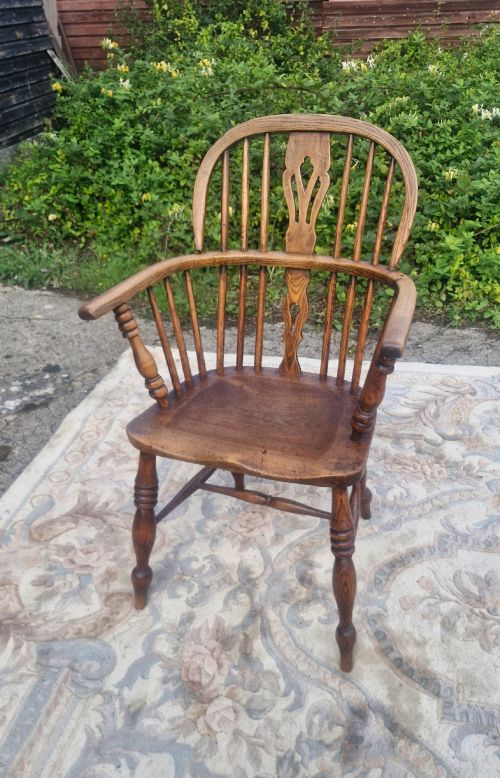
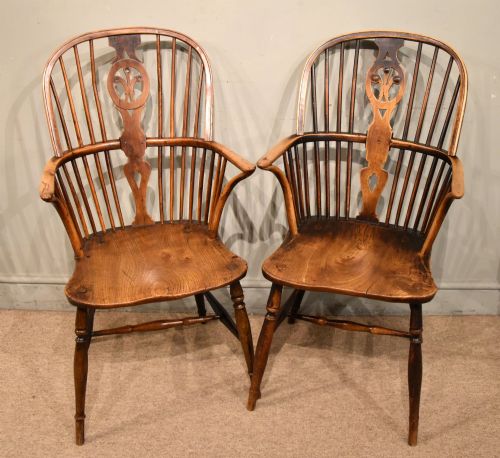
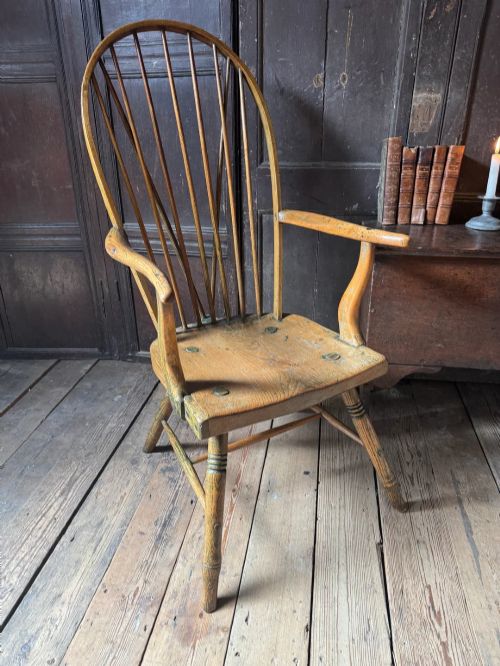
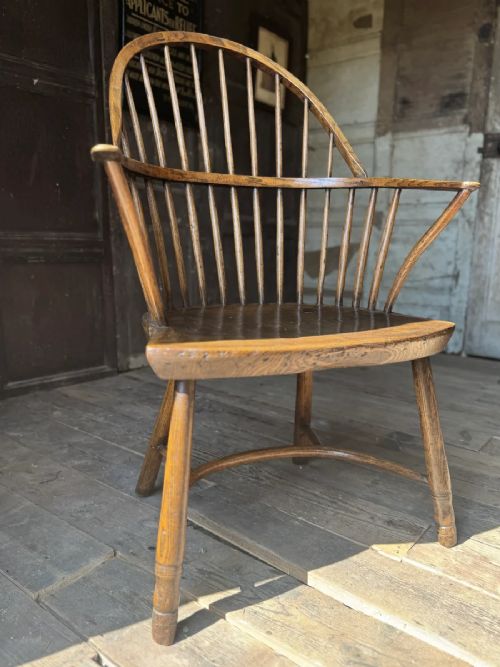
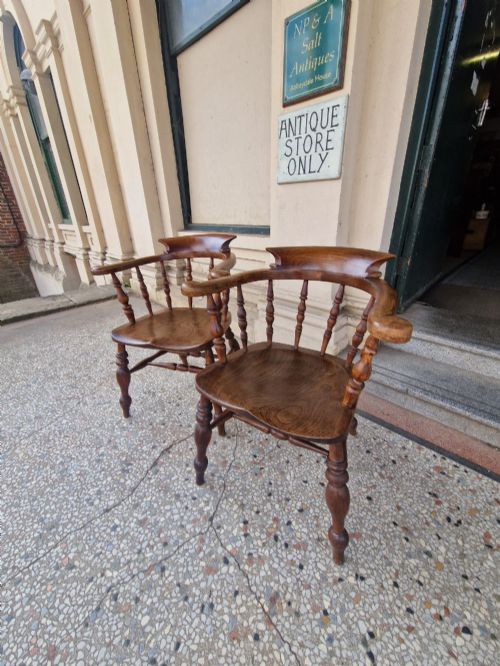
The pieces span the Georgian, Victorian, and nineteenth centuries, alongside eighteenth-century provincial examples. Forms range from clerks' desks and commode chests to dough bins and Windsor chairs.
Provincial makers prioritized function over ornamentation, resulting in sturdy structures designed for farmhouses and cottages. Regional variations appear across pieces from Yorkshire, East Anglia, and other English counties.
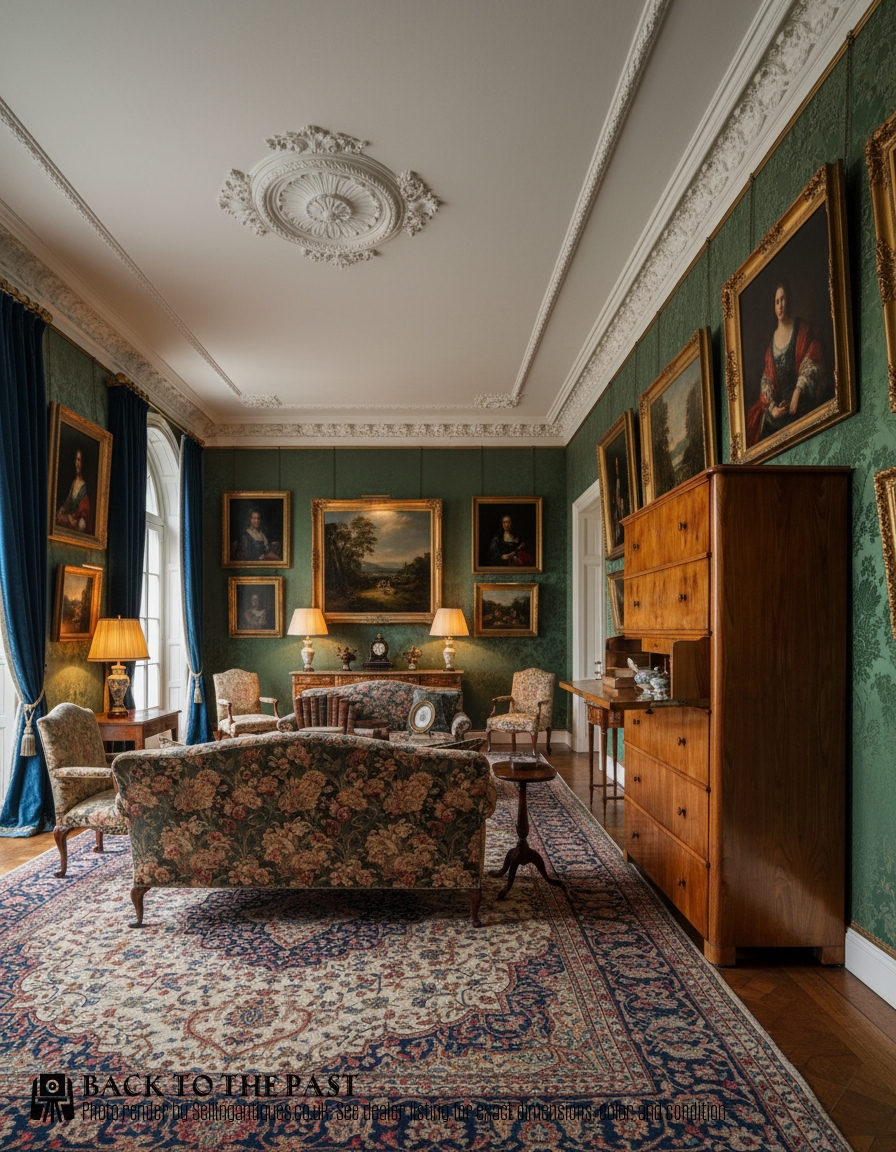
Assessing Quality and Character
Superior examples display balanced proportions and honest patination developed through generations of domestic handling. The selection of timber grain, particularly figured elm, separates basic utilitarian items from finer provincial work.
Construction integrity defines the better pieces, where joints remain tight and original timber surfaces survive without heavy intervention. The integration of supporting woods, such as yew or ash in chairs, contributes to structural success.
Retail Price Guide 2026
Typical UK retail prices for country elm furniture, calculated from the Sellingantiques database of over a million retail prices indexed since 2003. This retail price guide relies exclusively on Sellingantiques data; no external sources or auction records are used, so the figures do not describe the wider market.
Listings feature elm alongside secondary timbers including ash, yew, fruitwood, oak, and pine across pieces dated from the eighteenth to the twentieth centuries.
The Country Elm Furniture Glossary
- Elm
- A durable, tough timber resistant to splitting, traditionally chosen for seats, tables, and dough bins. Its interlocking grain makes it difficult to work but exceptionally strong.
- Windsor Chair
- A wooden seating form featuring a solid saddle-shaped seat into which the legs and back spindles are wedged directly. Regional variations include low-back and hoop-back designs.
- Commode Chest
- A enclosed cabinet piece, sometimes containing a chamber pot or serving as a close stool, disguised as a standard set of drawers. They reflect period domestic arrangements.
- Dough Bin
- A lidded wooden trough used for resting and proving bread dough before baking. These utilitarian boxes sit on sturdy legs and utilise the natural properties of timber.
- Provincial
- Describing items made outside major urban centres by local joiners or chair bodgers. These pieces follow regional traditions rather than strict London fashions.
Frequently Asked Questions
What is country elm furniture?
Country elm furniture comprises domestic items made from native elm timber in regional workshops. These include desks, chests, benches, and chairs designed for everyday utility.
Such pieces reflect provincial tastes from the eighteenth and nineteenth centuries, prioritising sturdy construction and practical forms over decorative veneer.
How do I care for elm furniture?
Elm responds well to minimal intervention, requiring simple dusting with a dry cloth and occasional application of traditional beeswax. Avoid placing pieces near direct heat sources to prevent timber movement.
Maintaining stable room humidity helps preserve the natural patination and prevents the wood from drying out excessively over time.
Where was country elm furniture made?
These items originated in rural workshops across English counties, with distinct regional styles emerging from places like Yorkshire and East Anglia. Local makers utilised readily available native woods.
Craftsmen adapted their designs to suit farmhouses, cottages, and provincial homes, resulting in varied vernacular forms.
How can I tell the period of a piece?
Dating relies on examining construction methods, timber preparation, and hardware styles consistent with eighteenth-century or nineteenth-century cabinet making. Tool marks and fastener types offer clues to age.
Comparing the form and secondary woods against documented examples helps place a piece within the Georgian or Victorian eras.