


Copper Charger Plate
When you handle a copper charger plate, you touch heavy metal shaped by centuries of global design traditions.
Copper Charger Plate
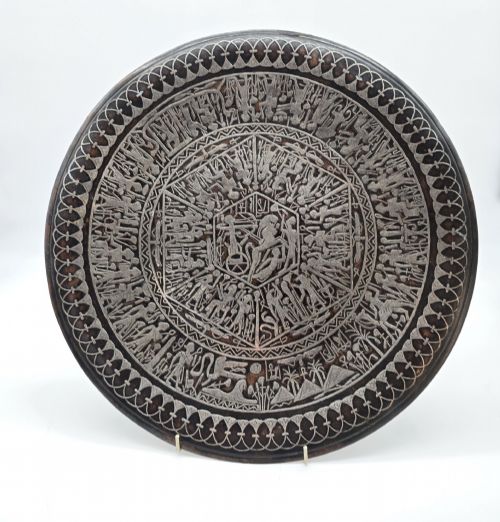
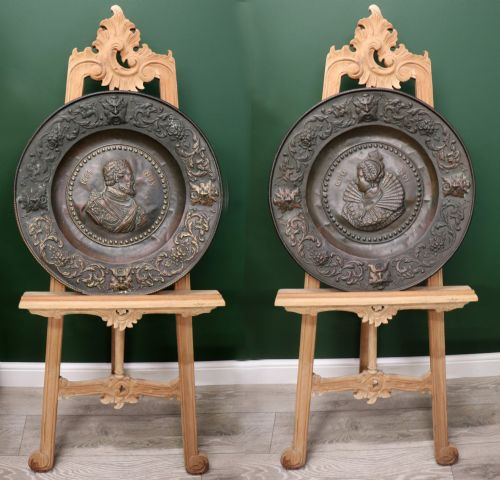
A copper charger plate functions primarily as a decorative wall hanging or a substantial serving tray. These large circular vessels span several international traditions, bringing together Middle Eastern craftsmanship, European revival styles, and Japanese metalwork.
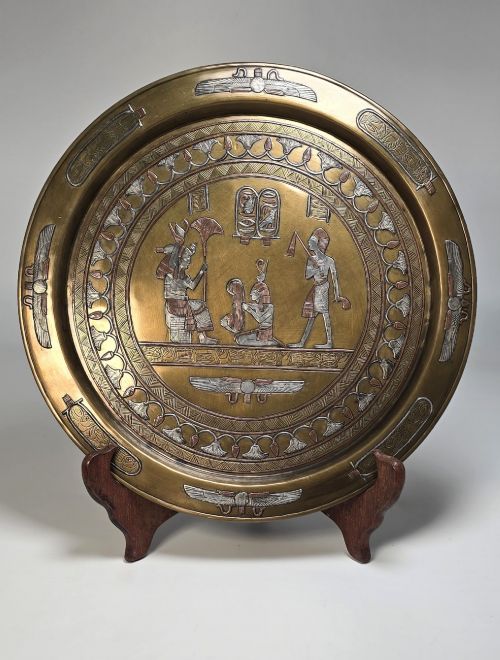
You will frequently encounter Japanese cloisonne enamel chargers alongside Egyptian Cairo Ware and Arts and Crafts pieces. The selection bridges nineteenth-century domestic ornamentation and distant court aesthetics.
Makers shaped these plates for display in parlours, studies, and grand dining spaces. Their broad rims and deep wells provided an ideal canvas for intricate surface decoration.
What varies in quality
Depth of relief and crispness of hand-engraving separate standard production from superior work. A well-executed repousse charger shows clean transitions and deliberate depth across the entire design.
The precision of wire placement in cloisonne or the complexity of silver inlay indicates the maker's skill level. Superior examples maintain balanced symmetry and detailed figurative elements without distortion.
Faulkner Bronze Company
The Copper Charger Plate Glossary
- Repousse
- A metalworking technique where the artisan hammers the design from the reverse side to form a raised relief on the front. This method creates tactile depth on heavy copper surfaces.
- Cloisonne
- An ancient technique involving metal wires soldered to a base plate to create compartments filled with enamel paste. These wired cells are then fired and polished flat.
- Cairo Ware
- Metalwork produced in Egypt featuring intricate silver and copper inlay upon bronze or brass grounds. These decorative pieces were popular during the nineteenth-century Grand Tour.
- Charger
- A large decorative plate or tray exceeding standard dining dimensions, traditionally utilised for display or ceremonial service. They often feature prominent borders and flat wells.
Copper Charger Plate: Frequently Asked Questions
How were copper charger plates displayed historically?
Victorian and Edwardian interiors often featured these large metal plates mounted directly onto walls or displayed on dedicated plate rails. Their reflective surfaces helped brighten darker rooms by catching ambient light.
Collectors today continue this tradition by hanging them using specialised non-damaging brass hangers designed for heavy chargers.
What is Egyptian Cairo Ware?
Cairo Ware refers to nineteenth-century metalwork created in Egypt for Western travellers and collectors. These pieces typically combine copper, bronze, and brass with dense silver inlay.
They draw inspiration from medieval Islamic designs, utilising calligraphy, geometric strapwork, and interlaced foliage.
How do I care for antique copper?
Historic copper surfaces develop a natural dark oxidation over decades of exposure to air and handling. This patinated layer protects the underlying metal and provides historical depth.
Avoid abrasive metal polishes that strip away the original finish. Dust the surface gently with a soft dry cloth.
Are these plates meant for food service?
Most antique chargers served purely decorative functions as wall plates or grand presentation trays. Many carry delicate enamel work or delicate silver wire inlays that would suffer damage from regular dining use.
Certain plain or beaten copper examples can hold dry items, but collectors generally treat them as decorative works of art.