

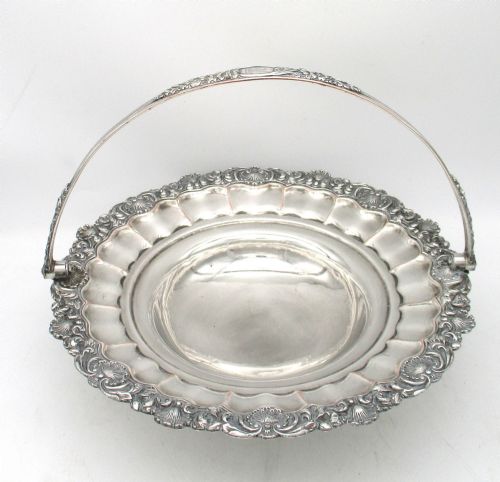


Vintage Copper Dish
A vintage copper dish brings tactile warmth and deep metallic patination into a room, spanning nineteenth-century Arts and Crafts design to Japanese cloisonne work.
Vintage Copper Dish
A vintage copper dish encompasses a broad spectrum of decorative vessels, ranging from heavy beaten chargers and serving trays to delicate enamel plates produced across Europe, Asia, and the Middle East. When searching for a vintage copper dish, buyers encounter diverse forms including pedestal bowls, repousse wall chargers, and embossed table trays created during the nineteenth and early twentieth centuries.
The selection includes specific regional items such as Japanese cloisonne chargers, Persian and Syrian silver inlaid vessels, Cairo ware brass and copper work, and British Arts and Crafts pieces. Utility pieces like copper pans and bain-maries also appear alongside purely decorative items featuring floral motifs, animal subjects, and traditional symbolism.
How they were made
Metalworkers formed these vessels primarily through hand hammering, spinning, or raising sheet copper over wooden stakes to create the underlying body. Artisans then applied surface decoration using techniques such as repousse embossing, chasing, engraving, and silver inlay.
Enamelled pieces involved fusing powdered glass to the metal base through high-temperature firing, often incorporating wire cell work to delineate complex pictorial motifs. Patination treatments were frequently applied to chemical surfaces to accelerate ageing and accentuate contrasting metallic tones.
Several Japanese plates depict fierce samurai and demons alongside serene owls perched before Mount Fuji.
What varies in quality
The standard of craftsmanship rests heavily on the crispness and depth of the hand-applied decoration, whether through precise cloisonne wirework or deep, well-defined repousse hammering. Superior examples demonstrate rigorous control over proportions, secure setting of cabochons or enamels, and harmonious balance across the entire surface.
Material selection and structural integrity also divide standard production from exceptional pieces, particularly in the weight of the base metal and the refinement of any applied silver inlay or patinated finishes. Pieces bearing clear maker signatures or attributable workshop traits command greater interest among collectors.
Faulkner Bronze Company
The Vintage Copper Dish Glossary
- Repousse
- A metalworking technique where the artisan hammers the design from the reverse side to raise relief work on the front. Fine chasing from the front often refines these raised details.
- Cloisonne
- An enamelling method utilising thin metal wires soldered to a metal base to create compartments, which are then filled with coloured glass paste and fired. These delicate cells hold the vitreous enamel securely in place.
- Cairo Ware
- Nineteenth-century metalware originating from Egypt, typically constructed from brass or copper and heavily inlaid with silver or mixed metals in intricate Islamic patterns. Grand tour travellers frequently acquired these distinctive decorative chargers.
- Arts and Crafts
- A design movement spanning the late nineteenth and early twentieth centuries emphasising handcraftsmanship, visible hammer marks, and stylised natural motifs such as pomegranates and foliage. Objects from this period prioritize honest construction and material expression.
- Patinated Copper
- Copper that has undergone controlled oxidation to produce deep surface coloration and varied tones. This natural or chemically induced skin protects the metal while adding visual depth.
Vintage Copper Dish: Frequently Asked Questions
How do I clean a copper dish?
Polishing antique copper removes the historical patination that collectors value, so gentle dusting with a dry cloth is usually sufficient for maintenance.
Harsh chemical abrasives should be avoided entirely to preserve the original surface texture and metallic coloration.
Are these dishes safe for food?
Most antique copper and mixed metal vessels are intended purely for decorative display rather than culinary use.
Some period pans and basins were lined for utility, but decorative chargers and inlaid trays serve primarily as table centerpieces.
How do I date a copper dish?
Dating relies on stylistic markers, such as Art Nouveau curves or Meiji period motifs, combined with manufacturing techniques like machine rolling versus hand hammering.
Examining the type of alloy, wear patterns, and any workshop signatures or stamps helps narrow the production era.
What is Cairo ware?
Cairo ware refers to nineteenth-century Middle Eastern metalwork featuring dense silver inlay upon a brass or copper body.
These decorative chargers and bowls were popular souvenirs during the Grand Tour period and showcase complex geometric and calligraphic designs.