



Antique Copper Wall Art
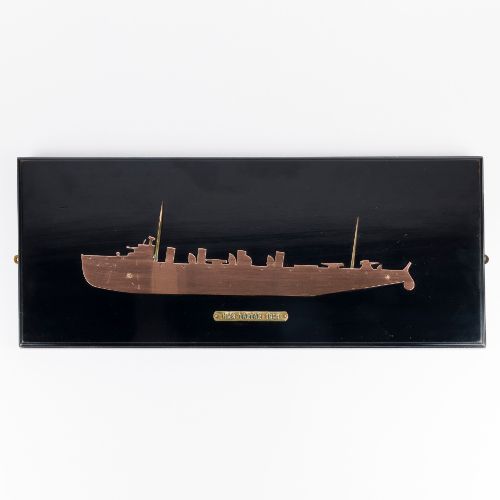
These pieces of antique copper wall art bring hammered texture, reflective warmth and enduring craft into a room.
Antique Copper Wall Art
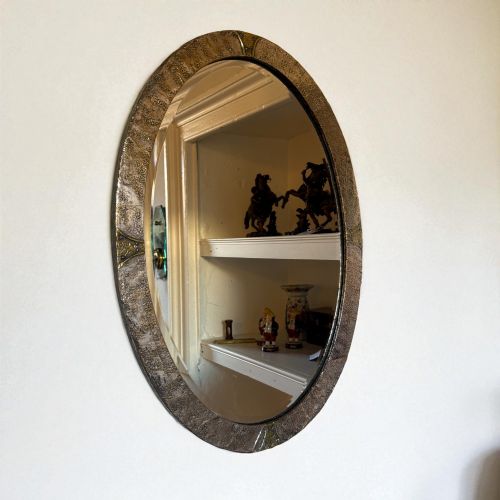
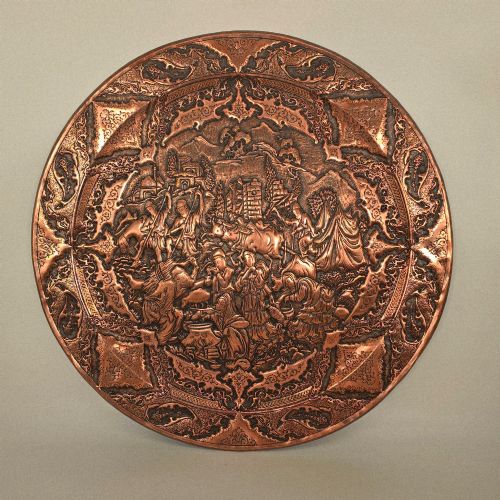
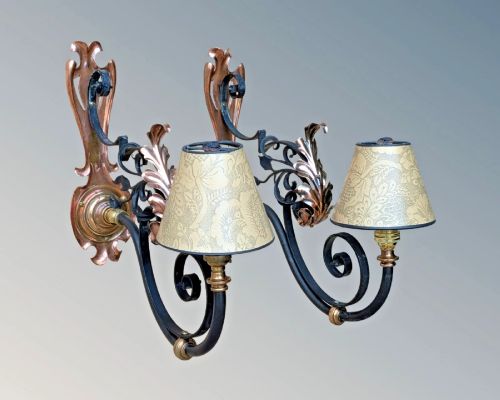
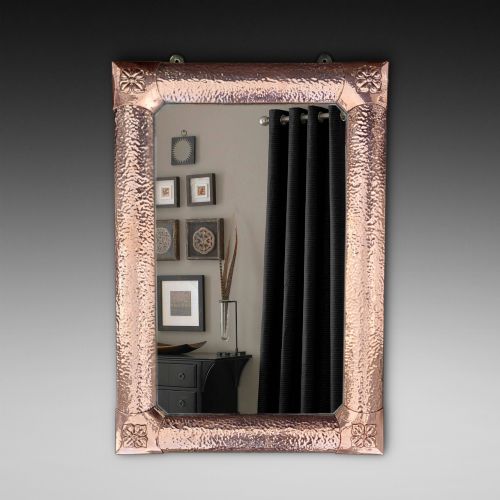
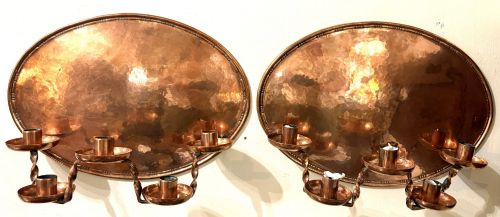
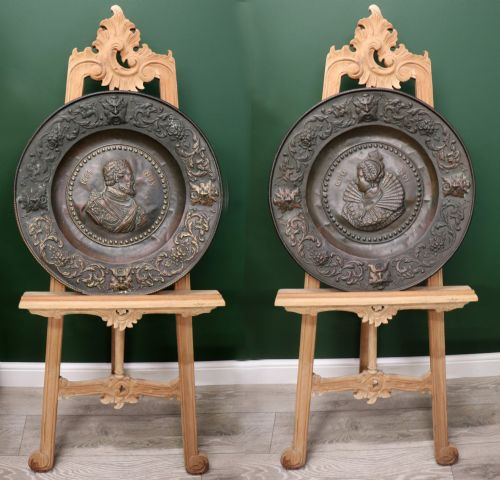
When you search for antique copper wall art, you encounter a diverse array of metalwork objects designed to be mounted on a vertical surface. The selection spans utilitarian plaques, engraved chargers, repousse mirrors and wrought wall sconces originating from various historic eras.
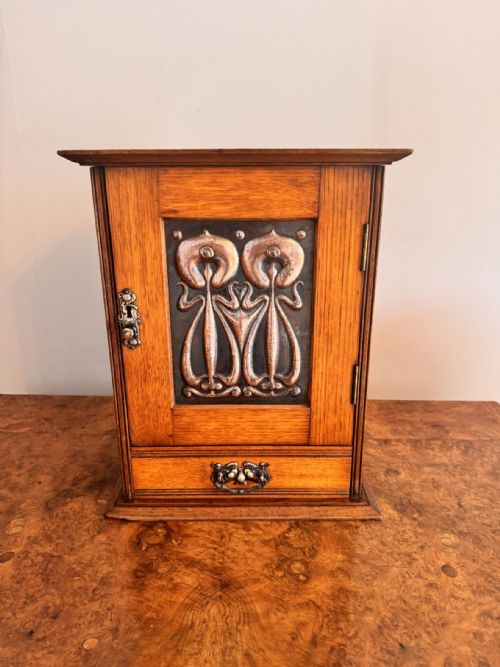
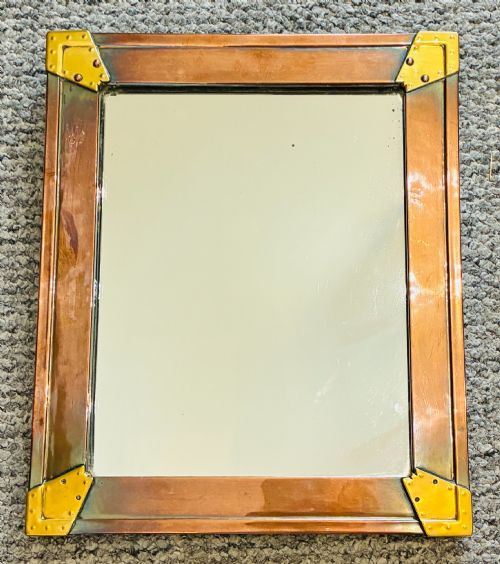
You are most likely to meet pieces produced during the early twentieth century, particularly items associated with the Arts and Crafts movement. These frequently combine hand-beaten metal frames with wooden backings or glass inserts.
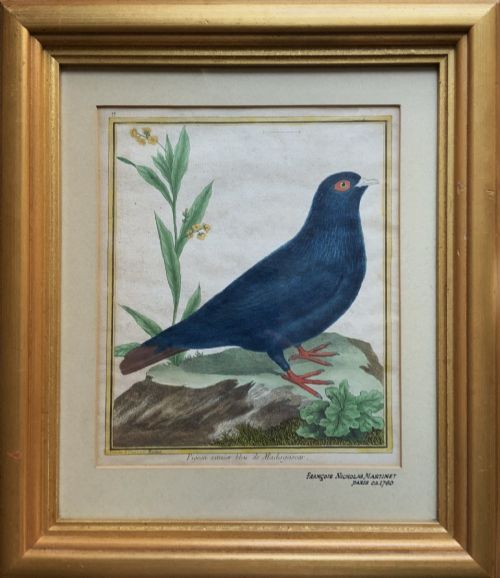
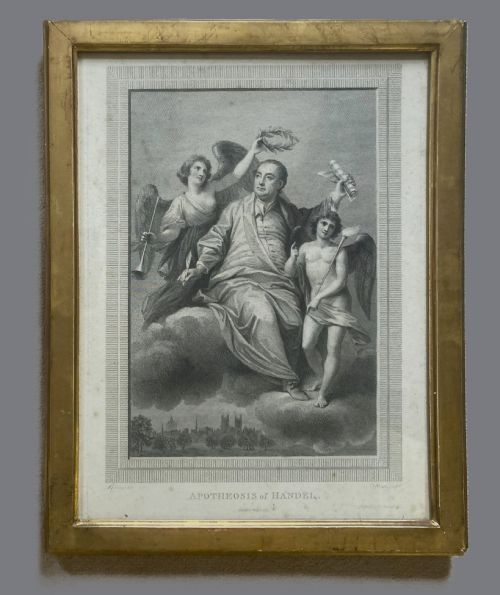
The assortment also embraces earlier Georgian and eighteenth-century items alongside nineteenth-century Persian and Japanese decorative metalwork. Each category offers a distinct approach to shaping and adorning sheet metal for interior display.
Materials and technique
Makers utilised sheet copper as the primary canvas, frequently combining it with oak, walnut, brass and wrought iron to provide structural rigidity and contrasting tones. Glass and enamel elements appear alongside the metal to add colour and reflectivity.
Techniques relied heavily on manual dexterity, with artisans employing hammers, chisels and punches to work the metal from the reverse side in a process known as repousse. This raised the design into relief before finer details were chased on the front surface.
Antique Copper Wall Art Retail Price Guide 2026
Typical asking prices for copper wall art among the pieces listed under this phrase on Sellingantiques today, from the lower quarter to the upper quarter. They describe what is for sale here now, not the wider market.
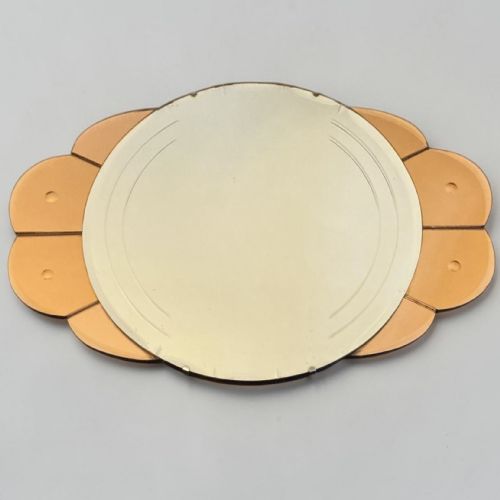
Listings feature items spanning from the eighteenth century through to the Art Deco era, encompassing mirrors, panels and lanterns.
Assessing quality and execution
Quality reveals itself in the depth, crispness and control of the hand-beaten or engraved relief work. Superior examples display deliberate, varied tool marks that demonstrate the artisan's hand rather than mechanical uniformity.
The integration of the copper element with its supporting frame, whether oak, brass or wrought iron, indicates the overall standard of manufacture. Well-executed pieces maintain structural integrity while highlighting the tactile qualities of the metal.
Liberty and Co·Samson
The Antique Copper Wall Art Glossary
- Repousse
- A metalworking technique where the artisan hammers the material from the reverse side to form a raised design in relief on the front. This method allows for fluid, expressive pictorial and decorative effects.
- Chasing
- Working the front surface of metal with punches and hammers after the initial repousse shaping to refine details and textures. It brings crispness and definition to the design.
- Charger
- A large ornamental plate or dish intended for display on a wall or sideboard rather than for practical dining use. They often feature intricate engraving or embossed motifs across the well and rim.
- Cabochon
- A polished, convex gemstone or ceramic piece lacking facets, frequently set into metalwork as an accent. In Arts and Crafts copper pieces, these often take the form of glazed pottery cabochons.
Antique Copper Wall Art: Frequently Asked Questions
How do I hang antique copper wall art safely?
Most wall-mounted copper pieces and mirrors utilise integrated hanging loops or sturdy wooden backing frames designed for secure wall fixings. Ensure your chosen fixing matches the weight of the metal and any accompanying wood or glass.
Avoid hanging heavy copper plaques in areas subject to excessive moisture or direct, prolonged sunlight. Using appropriate wall plugs and screws protects both the plaster and the antique structure.
How should I clean antique copper wall art?
Dust the surface gently with a soft, dry cloth to remove accumulated particles without disturbing the metal or any applied patination. Avoid harsh chemical cleaners or abrasive metal polishes that strip away historical surface character.
Preserving the natural ageing process maintains the visual depth built up over decades or centuries. Consult a professional conservator if the piece requires more intensive intervention.
What is the difference between repousse and chased copper?
Repousse refers to shaping the metal by hammering from the reverse side to create a raised three-dimensional form on the front. It establishes the primary volume and composition of the artwork.
Chasing is performed on the front side using punches to push the metal inward and refine the surface lines. The two techniques work in tandem to produce detailed relief decoration.
Where were these copper wall pieces typically displayed?
In period interiors, large copper chargers, mirrors and wall lights served as focal points in hallways, dining rooms and libraries. Their reflective surfaces helped to catch and disperse light in rooms lit by candles or early electricity.
Today, they function well in both traditional and contemporary settings to introduce warm metallic tones and tactile craftsmanship to plain walls.