




Coopered Oak Vessel
These coopered oak vessel examples bring warmth and rustic utility to a room, spanning umbrella stands, buckets, and barrels.
Coopered Oak Vessel
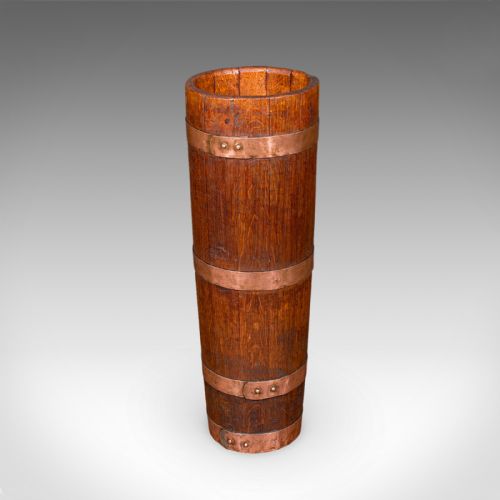
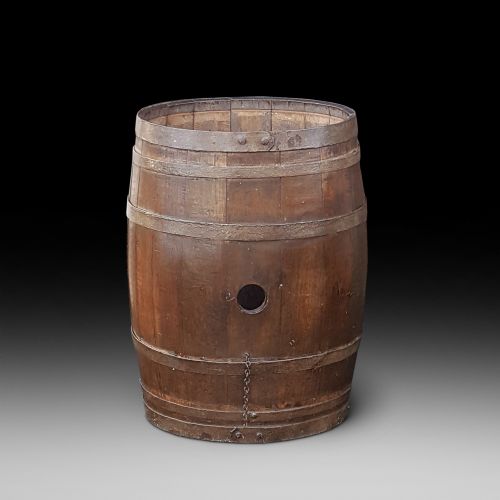
A coopered oak vessel takes many forms across the Victorian and Edwardian periods, appearing as buckets, barrels, and umbrella stands.
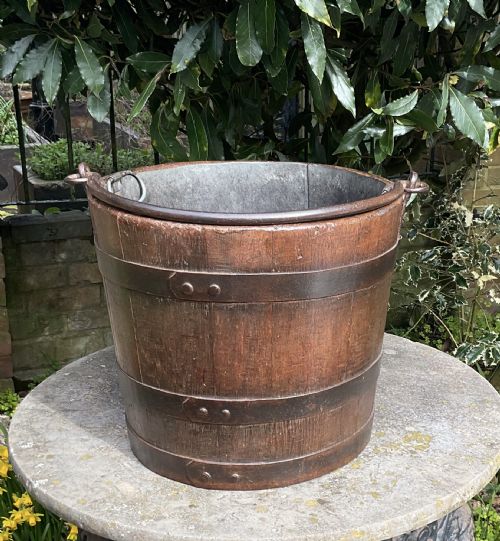
You are most likely to meet oak buckets and jugs bound with brass or iron hoops, often featuring internal liners or original handles.
Pieces range from rustic country examples to Dutch butter tubs and Scottish peat buckets, reflecting traditional stave construction.
How they were made
Staves of oak or hardwood are shaped and fitted together tightly, forming cylindrical or oval containers without glue.
Metal bands of brass, iron, or copper are heated and driven onto the wooden staves, contracting as they cool to hold the vessel secure.
Listings feature oak combined with brass, iron, copper, and zinc across Victorian, Edwardian, and nineteenth-century periods.
What varies in quality
The quality of a coopered oak vessel depends on the precision of the stave joints and the proportion of the metal bindings.
Original liners, robust brass handles, and authentic patination on the timber elevate certain pieces above standard utility items.
The Coopered Oak Vessel Glossary
- Stave
- A narrow strip of wood with bevelled edges that forms the sides of a barrel or bucket. Staves are shaped so they fit tightly together when bound.
- Hoop
- A metal band of brass, iron, or copper that encircles the staves to hold them in place. These hoops provide structural strength and decorative contrast.
- Cooper
- A craftsman who makes wooden vessels such as barrels, buckets, and tubs using staves and hoops. The trade relies on geometry and woodworking skill.
- Treen
- Small handmade wooden household objects. These items show the grain and colour of the timber clearly.
Coopered Oak Vessel: Frequently Asked Questions
What were coopered oak vessels used for?
These vessels originally served practical domestic and agricultural functions, holding water, peat, butter, or coal. Many also acted as umbrella stands in country house hallways.
Today, their robust construction makes them suitable for holding logs by the fireplace or displaying dried florals.
How do I care for oak and brass?
Keep the wood nourished with an occasional application of beeswax to prevent the dry air from shrinking the staves. Avoid placing them near direct heat sources.
Pole polish or gentle dusting keeps the metal bands bright without removing the historic patination accumulated over the decades.
Are metal bands always made of brass?
Metal bindings vary across different pieces, with brass and iron being the most common materials seen on Victorian and Edwardian examples. Copper and zinc also appear occasionally on specific utility buckets.
The choice of metal often reflects the intended use and the region where the cooper made the vessel.
How can I tell a Victorian vessel apart?
Victorian and 19th-century pieces generally display deeper patination on the oak and heavier forging on the iron or brass bands. Construction details often show hand-planed staves and traditional fastening methods.
Edwardian and later examples from the early twentieth century tend to have cleaner lines and brighter brass fittings.