



Edwardian Coopered Bucket
An edwardian coopered bucket brings traditional stave construction and warm timber straight into a room, offering both practical storage and handsome period presence.
Edwardian Coopered Bucket
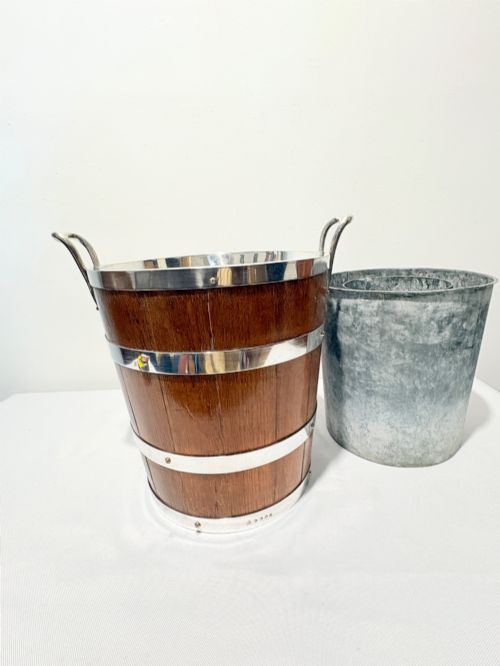
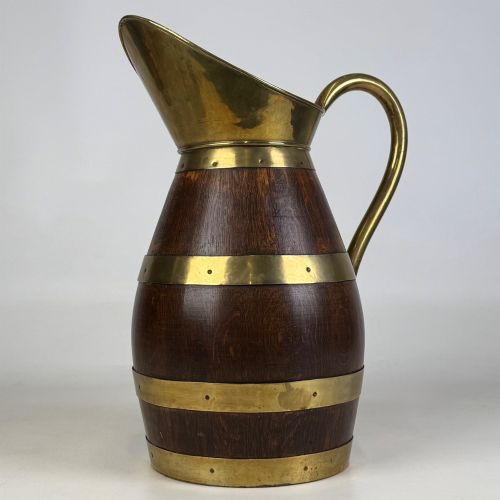
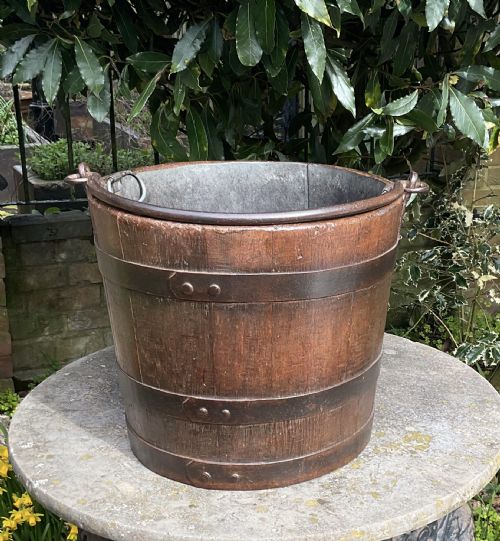
An edwardian coopered bucket comprises staves of timber held together by metal bands, following the traditional method of barrel-making. These pieces serve multiple roles around the home, appearing as wine coolers, umbrella stands, log bins, and plant jardiniere stands.
The pieces on this page span the late Victorian era through the Edwardian period and into the early twentieth century, reflecting solid English and Scottish vernacular craftsmanship. Oak is the predominant timber seen here, frequently complemented by brass, iron, or silver-plated mounts.
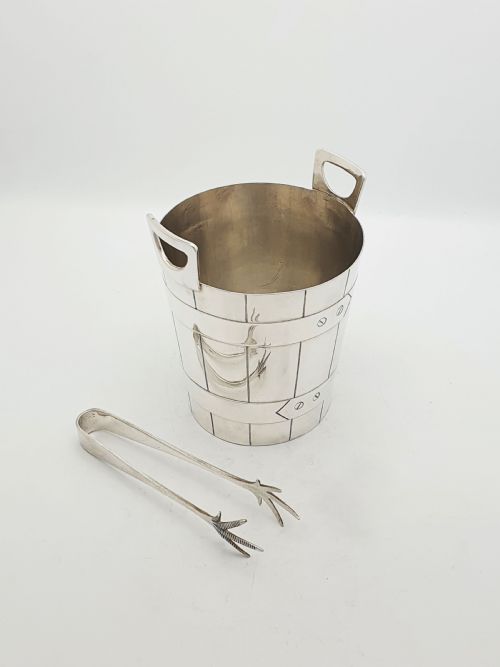
Buyers will most commonly encounter oak wine coolers and umbrella stands featuring sturdy metal binding, alongside specialised forms like peat buckets and ceramic-lined ice buckets. Certain examples arrive complete with internal liners or fitted stands to elevate the vessel from the floor.
Materials and Construction
Staves of seasoned oak are shaped with bevelled edges to form a tight, self-supporting cylinder without the use of modern adhesives. Metal bands of brass, iron, or silver plate are heated and driven tightly onto the exterior, shrinking as they cool to secure the wooden staves.
Metal fittings such as drop handles, claw feet, and protective rims are secured with rivets or screws, while internal zinc, ceramic creamware, or metal liners protect the timber from moisture and contents.
Edwardian Coopered Bucket Retail Price Guide 2026
Typical asking prices for edwardian coopered bucket among the pieces listed under this phrase on Sellingantiques today, from the lower quarter to the upper quarter. They describe what is for sale here now, not the wider market.
Listings feature oak predominantly, paired with brass, iron, and silver plate across Edwardian, Victorian, and early twentieth-century periods.
Judging Quality and Execution
Quality rests in the precision of the cooperage work, where tightly fitted staves and uniform thickness demonstrate the maker's skill. The weight and finish of the metal bands, whether brass or silver plate, distinguish standard utility items from finer domestic furnishings.
Original internal liners and matching stands add significantly to the integrity of a piece, showing that the vessel survives with its complete domestic apparatus intact.
Lister and Co
The Edwardian Coopered Bucket Glossary
- Coopered
- Constructed from wooden staves joined edge-to-edge and bound with hoops, a traditional method used for barrels and buckets. This technique ensures structural strength and watertight integrity.
- Stave
- One of the narrow shaped strips of wood that form the sides of a coopered bucket or barrel. Each piece is tapered to create the curved profile of the vessel.
- Jardiniere
- An ornamental pot or stand for holding plants or flowers. In coopered pieces, these often feature protective internal liners.
- EPNS
- Electro-Plated Nickel Silver, a common base metal composition used for the silver-plated bands and mounts found on Edwardian vessels.
- Creamware
- A type of fine earthenware with a pale yellowish-white glaze, frequently utilised for the internal ceramic liners of period ice buckets.
Edwardian Coopered Bucket: Frequently Asked Questions
How were these buckets originally used?
These vessels served active utility roles in the Victorian and Edwardian household, holding everything from champagne and ice to fireplace logs and walking sticks. Larger standing versions functioned as umbrella holders or plant pot jardiniere stands in hallways and reception rooms.
Their robust stave construction allowed them to handle heavy, damp contents safely. Over time, many transitioned from purely utilitarian estate items to decorative interior accessories.
What is a coopered peat bucket?
A coopered peat bucket is a traditional Scottish form designed specifically for holding dried turf used as household fuel. These pieces typically feature sturdy wooden staves and strong carrying handles for transport.
Today, buyers repurpose these historic peat buckets as distinctive log bins or umbrella stands beside the hearth.
Do these buckets still have their original liners?
Some surviving examples retain their original zinc, metal, or ceramic creamware liners designed to hold moisture or ice safely. These internal components protected the wooden staves from water damage during daily use.
Listings specify whether a liner remains with the vessel. Finding one complete with its liner adds considerable authenticity.
How do I care for oak and brass coopered pieces?
Maintain the timber by keeping it away from direct heat sources and sudden temperature shifts that can dry out the oak staves. Occasional application of suitable wax helps preserve the natural finish of the wood.
Clean brass or silver-plated bands gently with a soft cloth to maintain their appearance without harming the surrounding timber.
How can I tell the period of a bucket?
Dating relies on the combination of timber selection, metalwork style, and overall proportions associated with late Victorian and Edwardian manufacturing methods. Details such as silver plate hallmarks and the specific composition of internal liners provide further clues.
Makers' marks or stamps, when present, offer direct evidence of the workshop and production era.