



Vintage Brass Bound Vessel
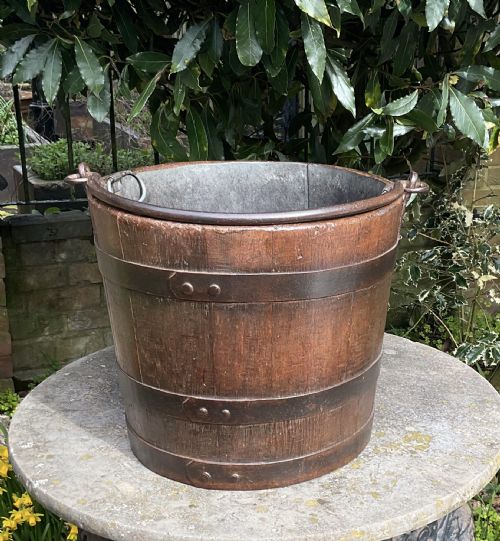
These vintage brass bound vessel examples are sturdy coopered items built to hold liquids, peat, or logs.
Vintage Brass Bound Vessel
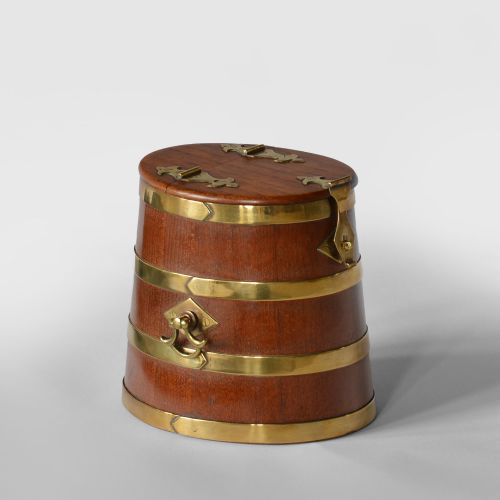
A vintage brass bound vessel encompasses coopered containers shaped from staves and secured with metal bands, frequently found in forms such as barrels, buckets, jugs, and tubs.
The selections on this page span several eras, running from Georgian pieces through Victorian and Edwardian examples up to items dated around nineteen twenty.
Buyers seeking a vintage brass bound vessel will encounter various forms including umbrella stands, log bins, peat buckets, and naval rum barrels originating from British, Scottish, and Dutch traditions.
Construction and materials
Craftsmen built these vessels using timber staves shaped to form circular or oval bodies, predominantly utilising oak alongside mahogany, teak, and occasionally copper or iron elements.
Staves were tightly secured together using heavy brass bands, hoops, or mounts that provided structural strength while adding decorative contrast to the warm timber grain.
Many items incorporated internal elements such as metal liners or zinc linings to contain water, peat, or logs without damaging the underlying wood.
Vintage Brass Bound Vessel Retail Price Guide 2026
Typical asking prices for vintage brass bound vessel among the pieces listed under this phrase on Sellingantiques today, from the lower quarter to the upper quarter. They describe what is for sale here now, not the wider market.
A miniature Georgian rum barrel proves that sailors enjoyed their rations with proper coopered dignity.
Judging quality and craftsmanship
Quality rests upon the precision of the cooperage work, visible in the tight alignment of the timber staves and the secure fitting of the metal bands.
Superior examples display patination across the wood and brass surfaces that reflects genuine age and careful use rather than artificial distress.
Original components, including internal metal liners and specific hardware such as swing handles, elevate the integrity of the piece.
The Vintage Brass Bound Vessel Glossary
- Coopered
- Constructed from curved wooden staves joined vertically and bound by metal hoops. This traditional technique formed watertight containers and strong vessels.
- Stave
- A narrow strip of wood with bevelled edges that forms the sides of a barrel, bucket, or tub. Multiple staves lock together under tension.
- Liner
- An internal metal insert, often made of zinc or copper, placed inside wooden buckets and jugs to protect the wood from moisture.
- Peat bucket
- A traditional vessel used in Scottish homes to hold dried peat for turf fires. These items often feature sturdy swing handles and brass mountings.
Vintage Brass Bound Vessel: Frequently Asked Questions
What were vintage brass bound vessels used for?
These items served practical domestic and maritime purposes, functioning as water carriers, rum barrels, log bins, and umbrella stands in period homes and ships.
Their robust construction allowed them to handle heavy loads of fuel, water, or spirits while withstanding daily wear.
How do I date a coopered wooden vessel?
Dating relies on examining the timber species, the style of the brass mountings, and the manufacturing methods used in the stave construction.
Victorian and Georgian pieces often display specific joinery traits and patination that distinguish them from later twentieth century examples.
Are these vessels still waterproof?
While many retain their original liners or tight stave construction, timber naturally expands and contracts with humidity changes over the decades.
Buyers intending to use them for water should test them carefully, though most serve decorative or storage roles in modern interiors.
How do I care for oak and brass?
Maintenance involves keeping the wood nourished with appropriate wax and dusting the brass bands without using harsh abrasive cleaners.
Placing them away from direct heat sources prevents the wooden staves from drying out and shrinking.