
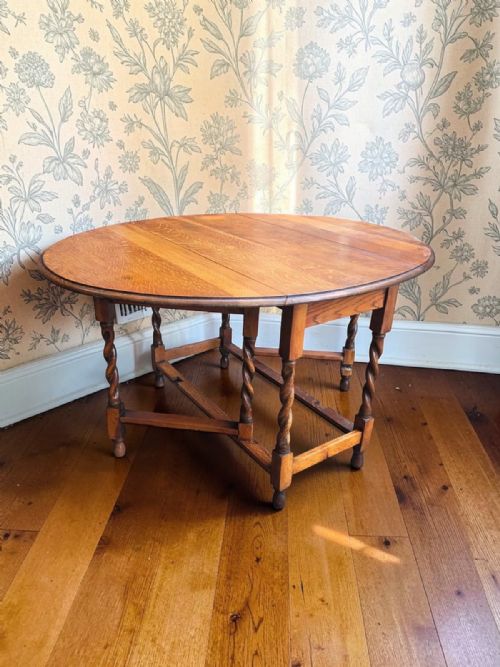
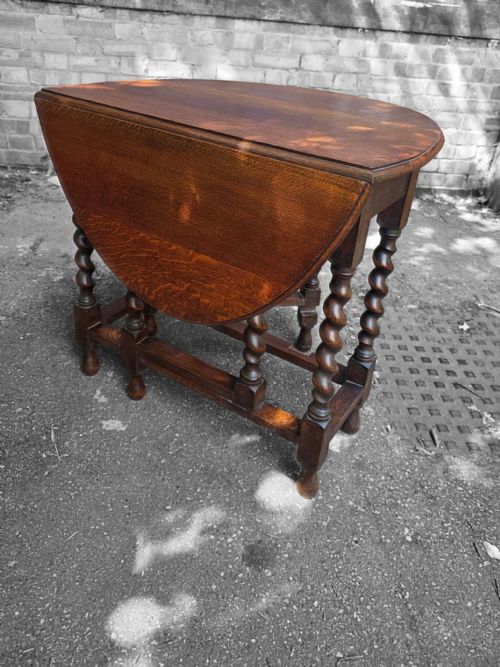
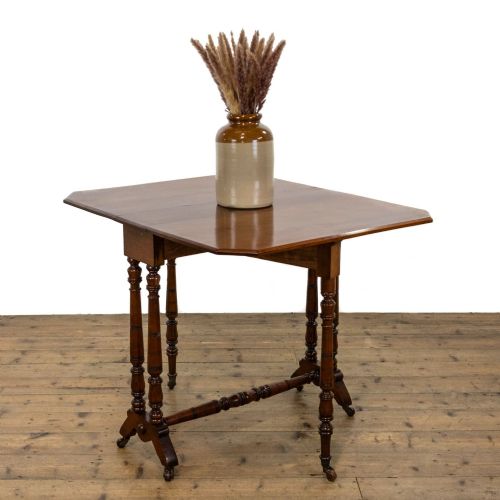
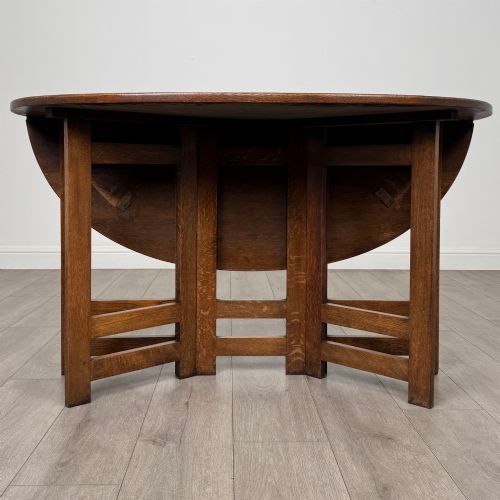
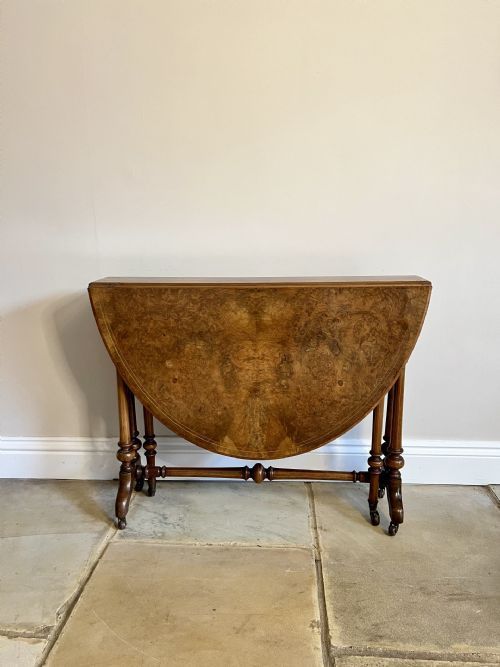


Compact Folding Dining Table
A compact folding dining table saves valuable floor space while offering the warm timber character of past centuries.

Compact Folding Dining Table
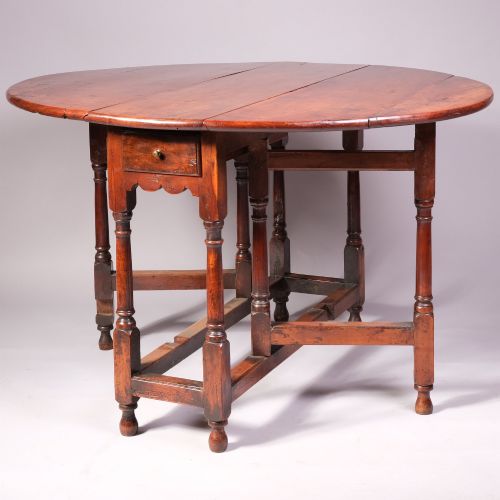
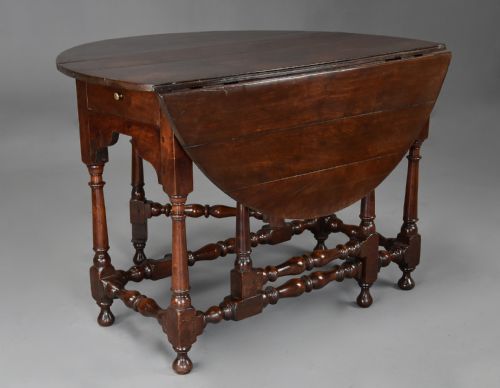
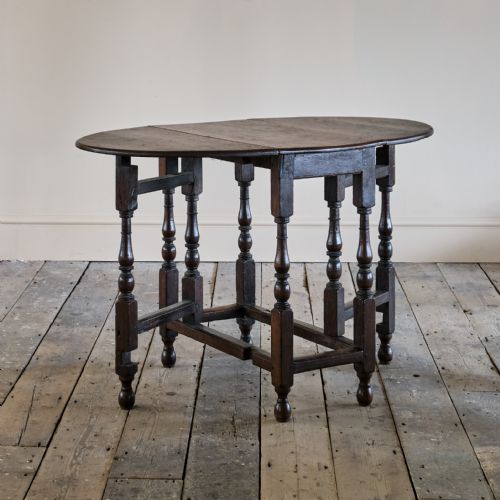
A compact folding dining table provides a practical solution for smaller rooms by expanding when needed and folding away neatly against a wall.
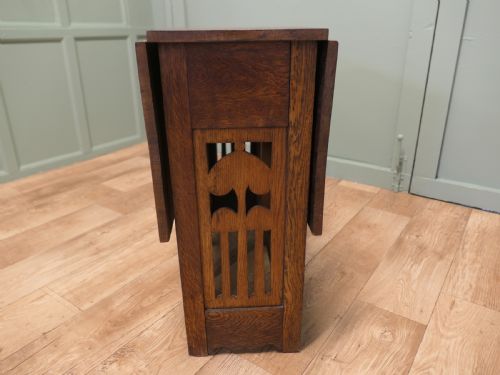
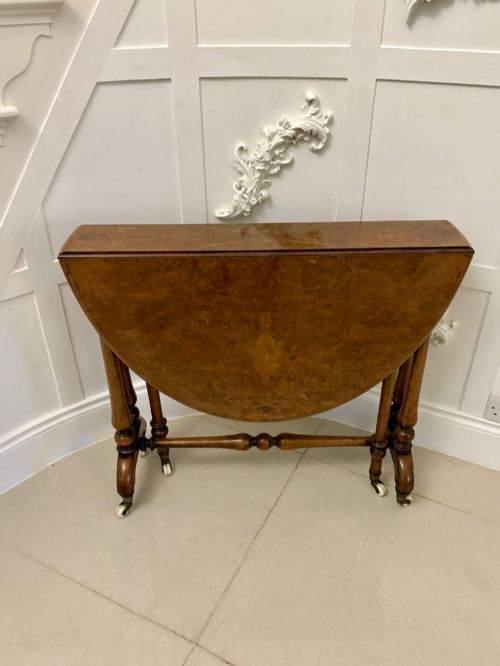
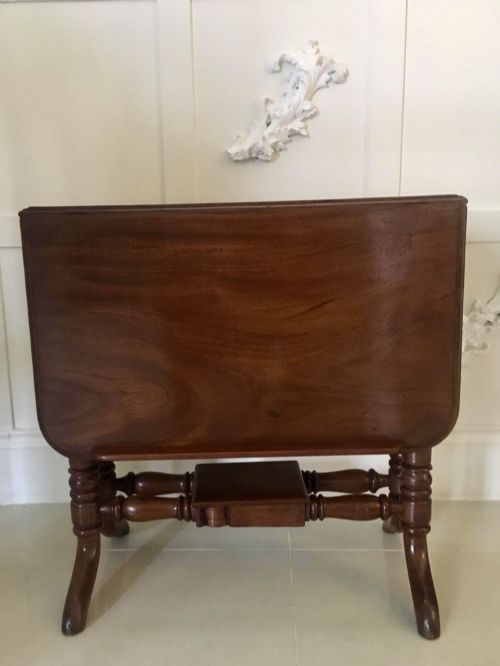
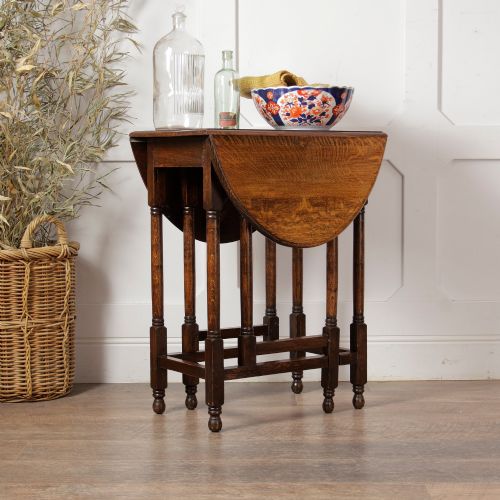
Buyers searching for a compact folding dining table will frequently encounter gateleg and Sutherland formats dating from the seventeenth century through to the Edwardian period.
Makers fashioned these dining tables in various timbers including oak, mahogany, walnut, and yew wood, often with drop leaves supported by pivoting legs.
Timber construction and folding mechanics
Cabinet makers utilised solid timbers such as oak, mahogany, and walnut to build the robust frames required to support folding leaves.
Hinges, pivoting gatelegs, and delicate spider legs allowed the tables to transform smoothly between a narrow profile and a wide dining surface.
Some Victorian reading tables managed to be both a dining surface and a bookrest, proving that Victorians truly expected their furniture to multitask.
Subtleties of timber and craftsmanship
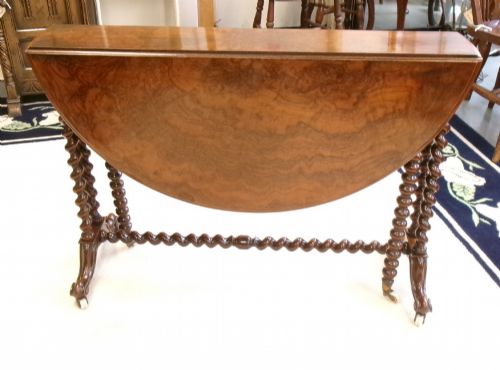
Superior examples display carefully selected veneers such as burr walnut or feature decorative satinwood banding and intricate barley twist turnings.
The integrity of the folding mechanism and the tightness of the leg joints dictate the day-to-day stability of the dining table.
The Compact Folding Dining Table Glossary
- Gateleg table
- A table with hinged leaves supported by legs that swing outward like a gate. This design provides sturdy support for the drop leaves when open.
- Sutherland table
- A narrow drop-leaf table featuring particularly slender legs and leaves that fold down almost vertically. It was designed to occupy minimal space when not in use.
- Spider leg
- A style characterised by extremely slender turned wooden legs. These delicate supports appear on lightweight occasional and drop-leaf tables.
- Drop leaf
- A hinged section of a tabletop that can be raised to extend the surface or lowered to save space. It rests on a pivoting support arm or leg when raised.
- Barley twist
- A spiral turning carved into furniture legs and stretchers. This decorative detail gained popularity during the seventeenth century and saw revival periods later.
Compact Folding Dining Table: Frequently Asked Questions
How do I seat four people at a compact table?
Drop-leaf and gateleg designs allow the leaves to lift up, transforming a narrow side table into a four-seat dining surface.
When the meal concludes, simply drop the leaves down again to restore open floor space in the room.
What is the difference between a gateleg and a Sutherland table?
A gateleg table utilises sturdy pivoting legs to support substantial drop leaves, often serving as a primary dining piece.
A Sutherland table is a lighter variation featuring a very narrow central top and exceptionally slender folding leaves.
How do I identify seventeenth-century oak tables?
Seventeenth-century pieces typically feature heavy solid oak construction with pegged joints and deep patination acquired over centuries of use.
Turned supports and simple gateleg mechanisms distinguish these early tables from later Victorian and Edwardian interpretations.
Are these tables suitable for everyday dining?
Solid timber construction in oak and mahogany provides the durability required for daily meals and regular folding operations.
Checking the stability of the pivoting leg joints ensures the surface remains level and secure during use.