



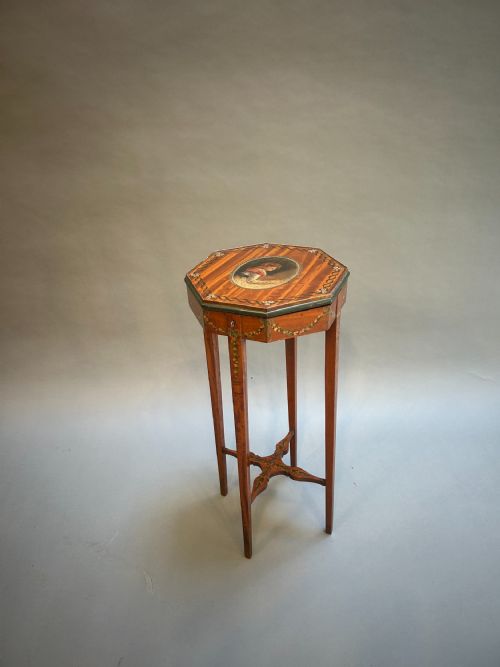


Painted Wooden Occasional Table
A painted wooden occasional table brings hand-applied colour and period charm to a corner, functioning as a practical surface for a lamp or a book.
Painted Wooden Occasional Table
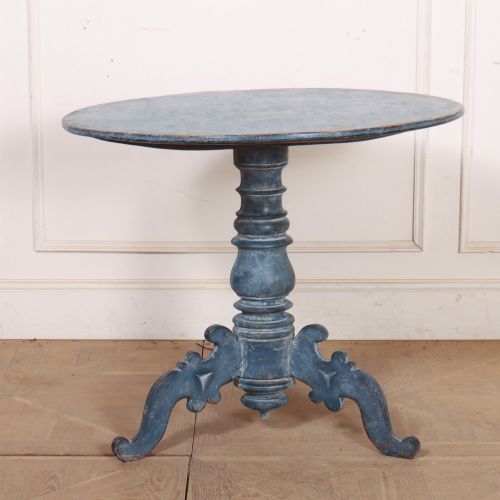
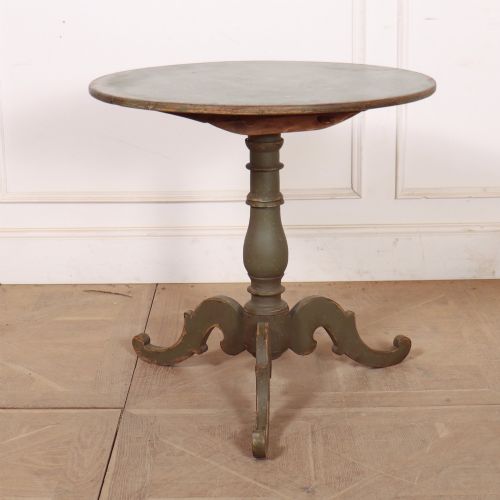
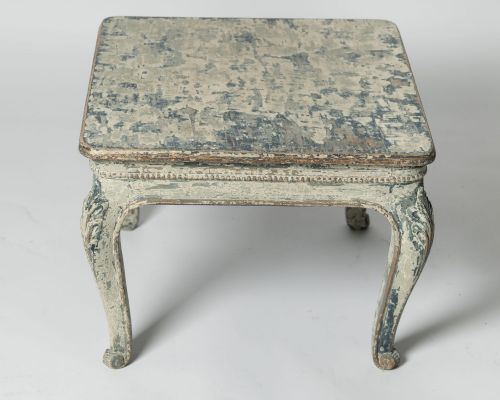
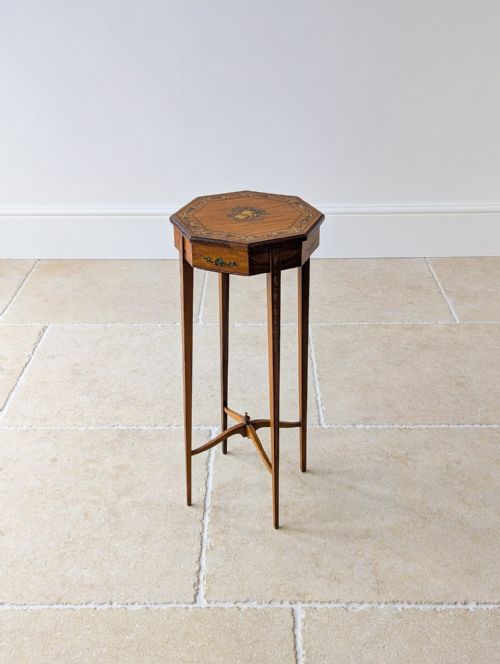
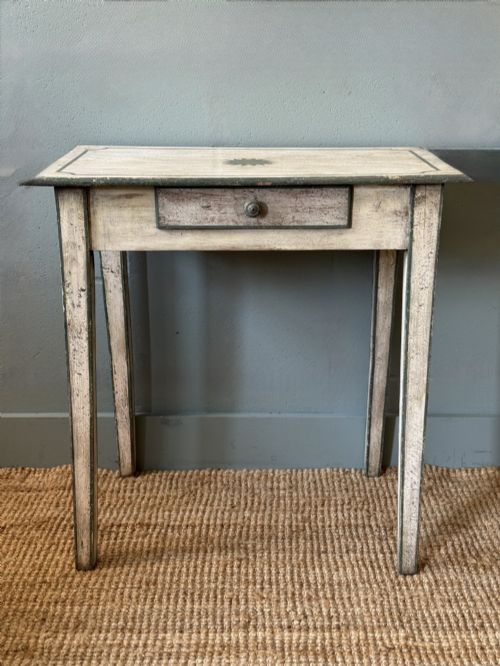
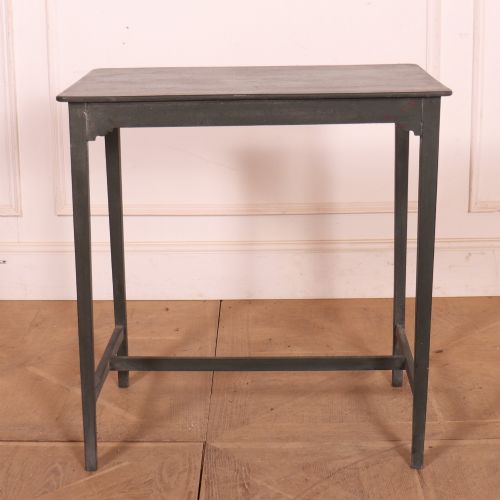
A painted wooden occasional table is a small, moveable piece designed for flexible placement around a room, often serving as a lamp, side, or console table. These items emerge from various periods such as the 18th century, 19th century, Edwardian era, and the early 20th century. Forms range from cricket tables and Pembroke tables to drop leaf and sewing tables.
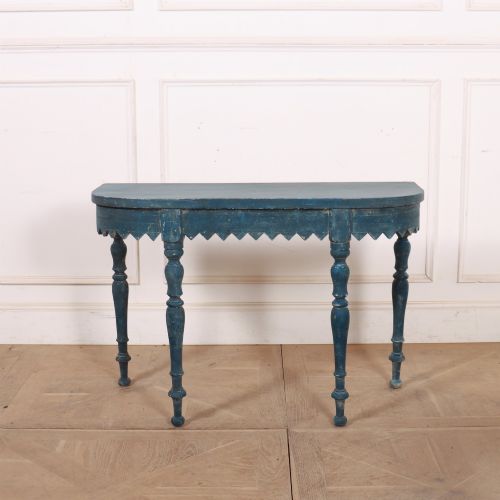
The aesthetic leans heavily into regional styles like English country, French provincial, Swedish country, and Sheraton Revival. Buyers encounter items with straightforward utilitarian builds as well as more decorative finishes featuring polychrome or trompe l'oeil details.
The most common versions met on this page are lamp tables and side tables dating from the 19th century. Pine, oak, fruitwood, and satinwood form the primary wooden carcasses, which receive painted surface treatments.
How they were made
Makers constructed these tables using native timbers such as pine, oak, fruitwood, and mahogany, alongside imported satinwood for finer Edwardian pieces. Turnery and joinery techniques varied from the sturdy tripod legs of cricket tables to the spider legs of drop leaf variants.
Surface preparation involved applying pigment directly to the timber or laying down a ground coat before hand-painted decoration. Artisans utilised techniques including lacquering, faux bamboo turning, and polychrome detailing to achieve regional English, French, and Scandinavian finishes.
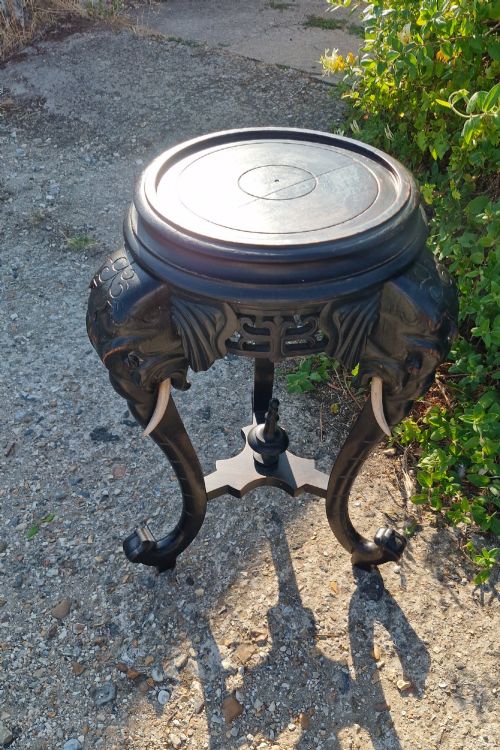
One late Victorian piece includes painted wooden tusks alongside its elephant-themed design.
What varies in quality
Quality rests in the integrity of the timber frame and the skill behind the surface decoration. Hand-painted motifs executed with precision distinguish finer artistic outputs from simpler utility pieces.
The survival of original surface paint elevates a piece significantly. Tables retaining their early ochre, black lacquer, or polychrome schemes demonstrate greater historical intactness than later repainted examples.
The Painted Wooden Occasional Table Glossary
- Cricket table
- A small, three-legged occasional table originating in English vernacular traditions, designed to stay stable on uneven floors. The three splayed legs attach to a round wooden top.
- Pembroke table
- A small drop leaf table featuring hinged flaps on either side of a central rectangular top. It often includes a single drawer and delicate legs.
- Sheraton Revival
- A late 19th and early 20th century design movement inspired by the neoclassical furniture of Thomas Sheraton. These pieces frequently showcase satinwood, painted floral decorations, and slender tapering legs.
- Trompe l'oeil
- An artistic technique that uses realistic imagery to create an optical illusion of three dimensions. On occasional tables, this manifests as painted architectural or textural details.
- Polychrome
- The practice of decorating surfaces in a variety of bright colours. It appears on decorative Italian and continental European occasional tables from the 19th century.
Painted Wooden Occasional Table: Frequently Asked Questions
What is a painted wooden occasional table used for?
These pieces function primarily as movable surfaces for lamps, books, or decorative objects within a living space.
Historically, specific forms like sewing tables or Pembroke tables also provided specialised compartments or extendable leaves for domestic tasks.
How do I identify a 19th century table?
Nineteenth-century pieces often display specific regional characteristics, such as the robust pine construction of Swedish country items or the delicate painted satinwood typical of Sheraton Revival pieces.
Examining the construction methods beneath the paint helps confirm the age of the timber frame.
Are painted finishes original on these tables?
Many listings specify whether the paintwork is original, such as tables retaining their early ochre or black lacquer coats.
Closer inspection of the pigment layers and wear patterns reveals whether a painted surface dates to the period of manufacture or represents a later decorative intervention.
Where were these tables made?
The pieces originate from diverse workshops across England, France, Sweden, Italy, and other regions. Each area imparted distinct stylistic traits, from English country oak to French provincial fruitwood and Scandinavian painted pine.