


Commercial Shop Display Cabinet
A commercial shop display cabinet brings practical trading heritage into a modern interior, offering deep glass visibility and sturdy timber housing.
Commercial Shop Display Cabinet
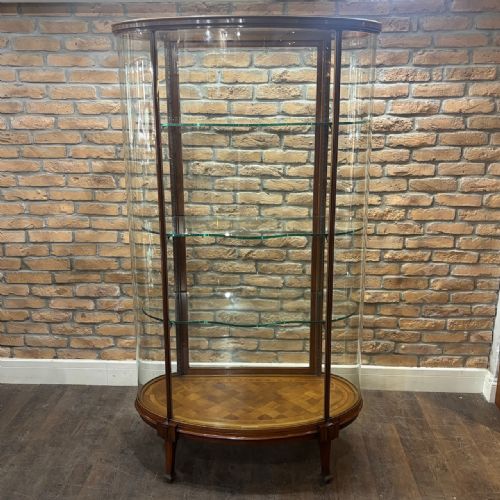
A commercial shop display cabinet is built to present retail stock securely while offering customers an unhindered view from multiple angles.
These pieces emerge primarily from the Victorian and Edwardian eras, extending through the 1920s and 1930s in various forms.
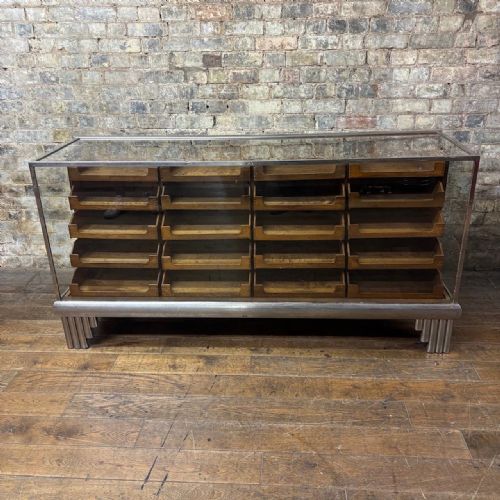
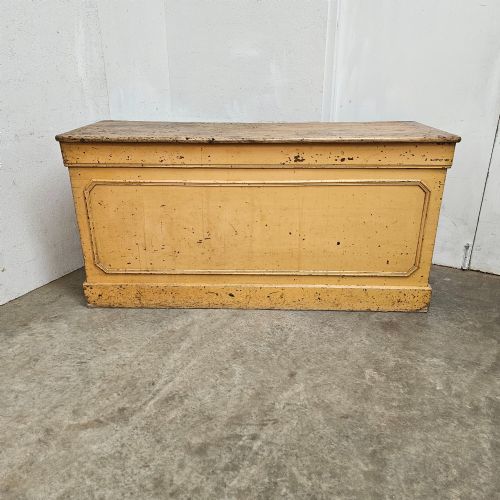
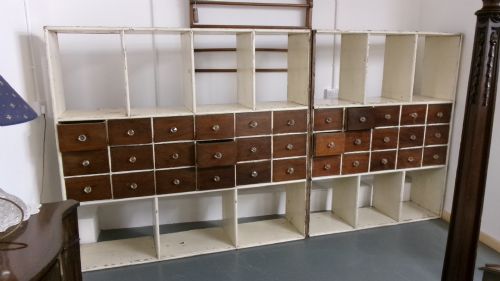
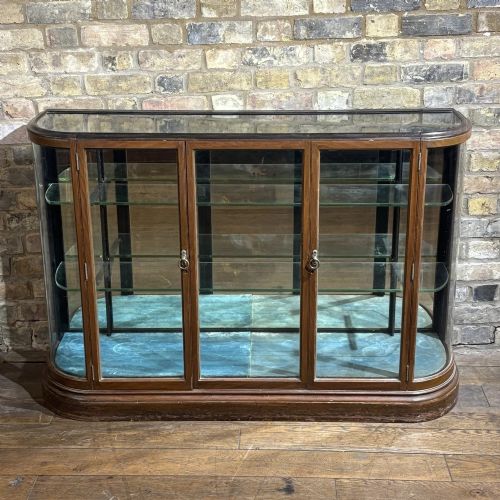
The selection here encompasses tall floor-standing display cabinets, low shop counters, haberdashery units, and specialised countertop cases.
Many examples retain distinct commercial identities, originating from chemist shops, drapers, watchmakers, and confectioners.
Materials and construction
Makers relied heavily on solid and veneered mahogany, oak, and pine to build sturdy structural frames that could withstand daily retail use.
Large sheets of plate glass provide transparent protection, frequently supported by brass, aluminium, or chrome framing and interior mirrored backings.
Specialised interiors incorporate velvet linings, adjustable wooden shelving, and banks of small drawers tailored for hardware or haberdashery items.
The listings span from the Victorian era through the 1930s, utilising materials including mahogany, oak, brass, chrome, and mirrored glass.
Judgments of quality
Superior examples distinguish themselves through the weight of the timber, the clarity of the glass, and the integrity of the original joinery.
Original hardware such as brass handles, working locks, and manufacturer plates elevate an individual piece above standard utility items.
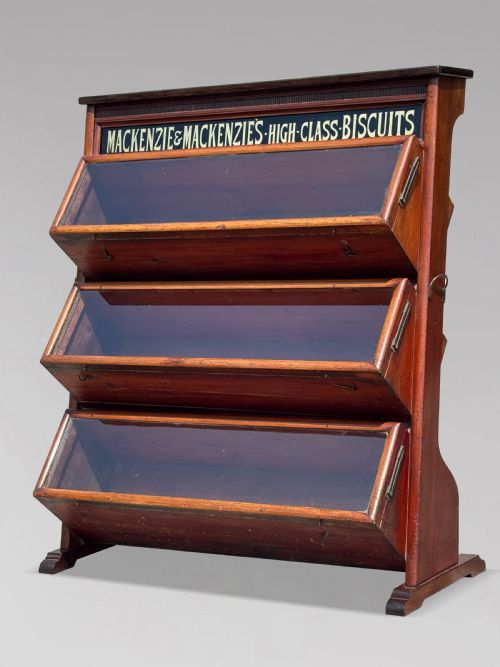
The presence of authentic commercial lettering, period signwriting, or original paint finishes adds historical depth that affects overall merit.
F. Sage & Co·Dudley & Co·Manoah Rhodes & Sons Ltd·Saml. Elliott & Sons·John Stow Ltd
The Commercial Shop Display Cabinet Glossary
- Haberdashery cabinet
- A specialised storage unit featuring multiple shallow drawers, often with glass fronts, designed for organising small sewing and clothing items. These pieces are highly sought after for domestic storage.
- Vitrine
- A glass-sided display case used primarily for exhibiting fragile objects or retail merchandise. The term typically denotes a more decorative domestic or high-end retail cabinet.
- Shop counter
- A substantial waist-height furnishing with a display top and rear shelving or drawers designed for serving customers. They formed the central trading station of historical retail premises.
- Advertising cabinet
- A countertop or wall-mounted display case bearing brand names or trade graphics for specific products like chocolate or thread. They served as point-of-sale marketing tools for nineteenth and twentieth-century merchants.
Commercial Shop Display Cabinet: Frequently Asked Questions
How do I use a shop display cabinet at home?
These cabinets provide ideal dust-free storage for collections of ceramics, books, or glassware in a living room or kitchen.
Their deep shelves and glass panels allow items to remain fully visible while staying protected from daily household wear.
What is the difference between a counter and a cabinet?
A shop counter is low and wide, designed to be stood behind by a merchant while displaying goods on top to customers.
A display cabinet stands taller, focusing on eye-level vertical storage behind large glass doors.
How can I date a commercial display cabinet?
Dating relies on examining the timber types, construction methods, and hardware styles, alongside any surviving manufacturer stamps.
Victorian and Edwardian pieces tend to use heavy mahogany and brass, whereas 1930s examples often introduce chrome, aluminium, and lighter oak.
Were these cabinets made for specific brands?
Many display cabinets were commissioned directly by confectioners, chemists, and thread manufacturers to promote their specific goods in shops.
These branded pieces often feature original hand-painted signwriting or etched glass bearing historical company names.