



Late Victorian Oak Cupboard
A late victorian oak cupboard brings dense grain, dark colour and sturdy timber into a room without fuss.
Late Victorian Oak Cupboard
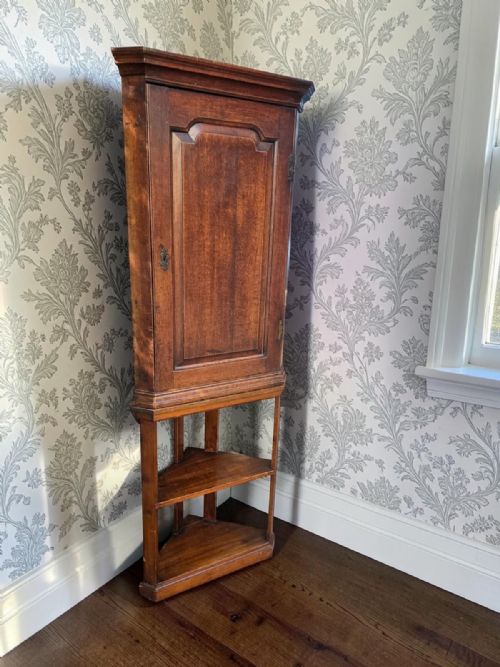
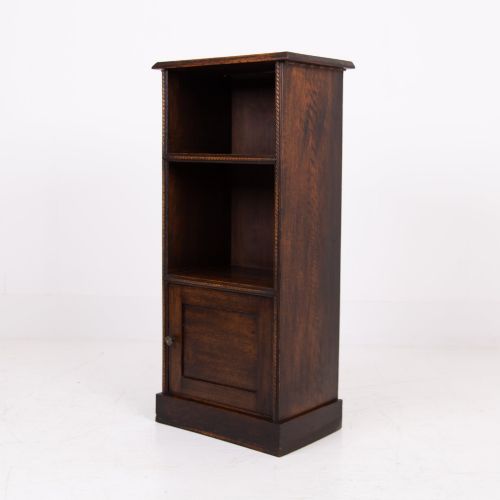
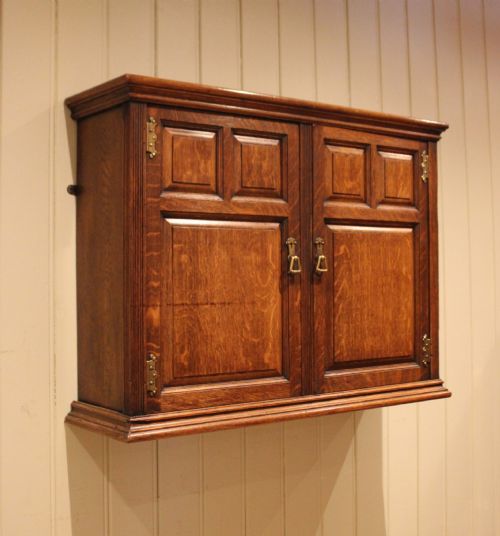
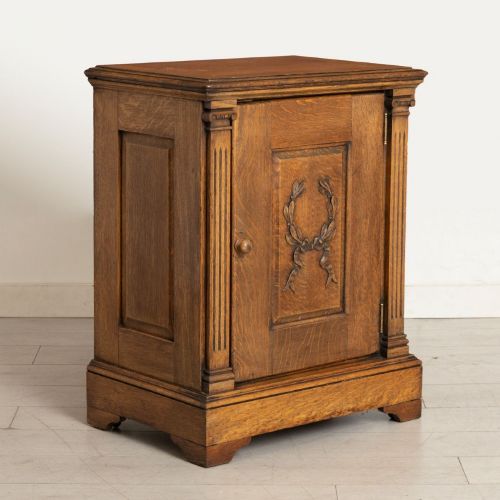
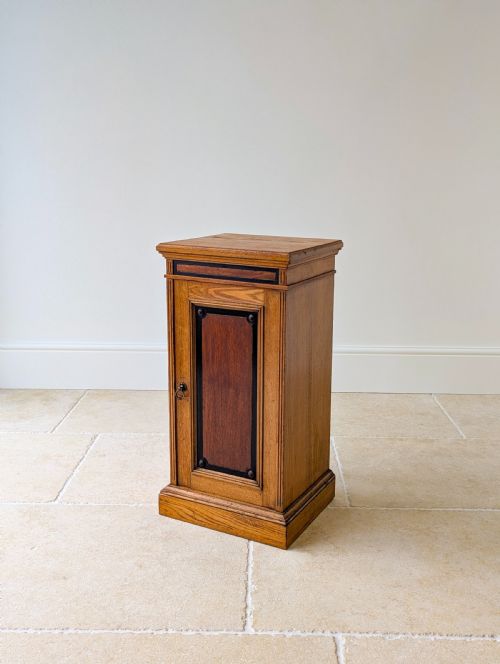
A late victorian oak cupboard spans practical bedside cabinets, wall cabinets, corner cupboards and tall bookcase combinations made around the end of the nineteenth century. These pieces serve as functional storage furniture that reflects the solid domestic tastes of the period.
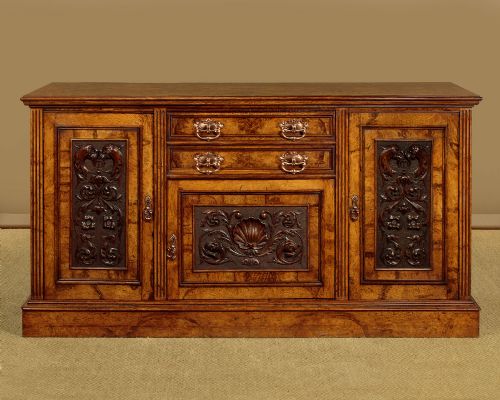
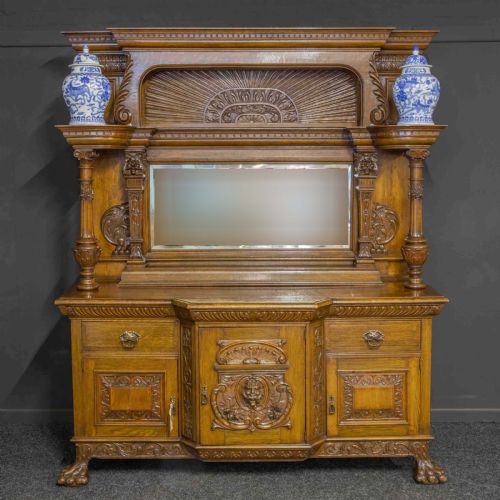
The selection here includes items influenced by Gothic Revival, Aesthetic Movement and Arts and Crafts styles, alongside simpler commercial forms. Buyers encounter everything from small petite cupboards to heavy library bookcases and carved sideboards.
How they were made
Makers built these pieces primarily using solid oak, frequently enhanced with brass hardware, glass panels, iron fittings and mirror glass. Ebonised wood often appears as a contrasting detail on cabinets from the Aesthetic period.
Joinery techniques ranged from straightforward workshop construction to heavily carved surfaces showing Green Man motifs or crisp Gothic tracery. Surfaces were finished to highlight the natural grain of the timber rather than masking it.
The listings here feature oak combined with brass, glass, iron, ebonised wood and mirror glass across Victorian and Arts and Crafts styles.
What varies in quality
Quality rests upon the depth of the carving, the selection of the oak timber and the integrity of the original hardware. Pieces with sharp, well-defined hand-carving stand apart from simpler commercial output.
Proportion and the retention of original fittings dictate the distinction between ordinary utility items and finer examples from the late nineteenth century.
The Late Victorian Oak Cupboard Glossary
- Gothic Revival
- A style drawing on medieval architectural motifs such as pointed arches, tracery and heavy mouldings. It heavily influenced late nineteenth-century ecclesiastical and domestic furniture.
- Aesthetic Movement
- An art and design movement promoting beauty for its own sake, often featuring ebonised details and Japanese-inspired motifs. Cabinets in this style show simpler lines contrasted with decorative brasswork.
- Arts and Crafts
- A design philosophy championing traditional craftsmanship and visible construction over mass production. Pieces from this movement often display honest joinery and minimal surface ornament.
- Creedence Cabinet
- A medieval form of side table or cupboard revived in the nineteenth century for domestic use. These pieces typically feature panelled doors and shelved interiors for displaying plate.
- Ebonised Wood
- Timber treated with a dark finish to imitate ebony. It provides stark contrast against natural oak in Aesthetic period furniture.
Late Victorian Oak Cupboard: Frequently Asked Questions
Where should I put a late victorian oak cupboard?
These cupboards suit hallways, living rooms and bedrooms where sturdy timber storage is required. Their dark grain anchors lighter modern interiors effectively.
Smaller bedside cabinets fit tight spaces, while larger bookcases and sideboards demand prominent wall space to balance their visual weight.
How do I care for late nineteenth century oak?
Keep oak furniture away from direct heat sources and sudden humidity changes to prevent the timber from splitting. Regular dusting with a dry cloth maintains the surface.
Apply a traditional beeswax polish sparingly when the wood appears dry, buffing it gently to preserve the natural sheen.
Are these cupboards heavy?
Solid oak construction makes these pieces considerably heavy, particularly larger bookcases, dressers and sideboards. Two people are usually required to move them safely.
Wall cabinets require secure fixings into masonry or solid studs to support their substantial weight when loaded.
How do I distinguish Gothic Revival from Aesthetic styles?
Gothic Revival pieces display medieval architectural elements such as pointed arches, heavy linenfold panelling and deep mouldings. They project an ecclesiastical seriousness.
Aesthetic Movement pieces tend toward cleaner lines, ebonised details and artistic brass hinges, reflecting a lighter, more eclectic design sensibility.