


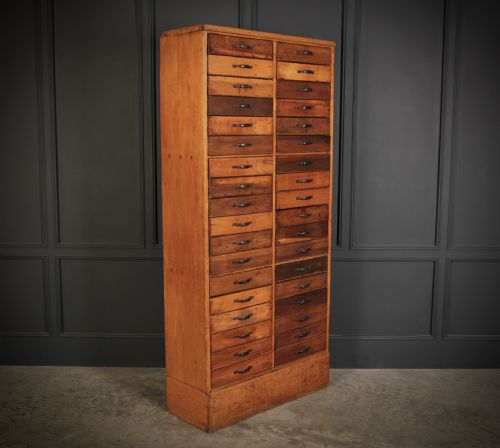


Antique Shop Fitting Cupboard
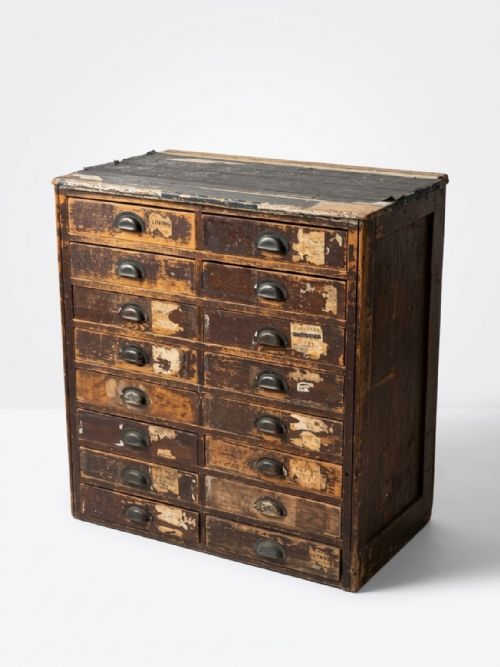
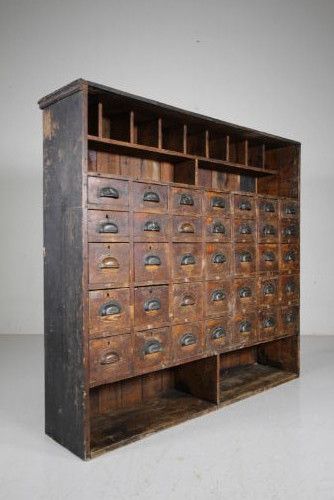
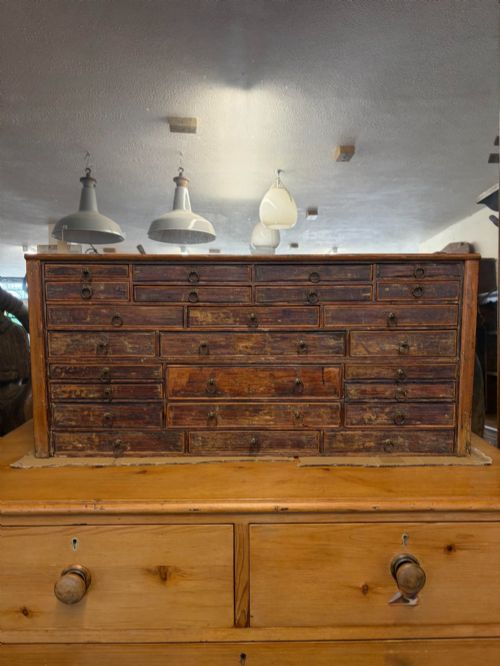
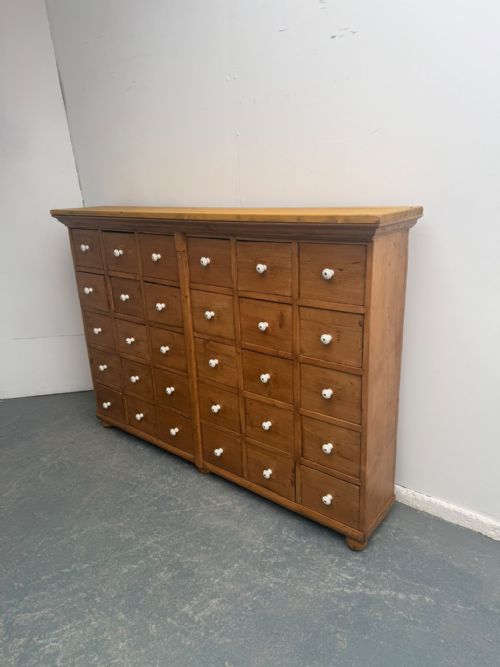
An antique shop fitting cupboard is a utilitarian survivor from a working commercial interior, built to organise goods and display merchandise with robust utility.
Antique Shop Fitting Cupboard
An antique shop fitting cupboard encompasses utilitarian commercial furniture created for nineteenth and early twentieth century retail spaces, including banks of drawers, haberdashery cabinets, and display cases. These pieces originate from commercial environments and serve as heavy-duty storage items with practical compartment layouts.
The selections available lean heavily towards Victorian and early twentieth century examples, frequently constructed from pine and oak with glass and brass hardware. Pieces span forms such as multi-drawer banks, glazed bookcases, and countertop display cabinets reflecting past trades.
How they were made
Construction relies on durable domestic and imported timbers, notably pine, oak, mahogany, and fruitwood, selected for structural strength in busy commercial spaces. Joinery remains straightforward and robust, designed to withstand daily use by merchants and shopkeepers.
Surfaces frequently show layers of original paintwork in shades like white, cream, light green, and black, alongside polished mahogany and walnut finishes. Metal elements such as brass drawer pulls, iron hinges, and glass panels complete the functional fabrication.
Fishermen and culinary enthusiasts occasionally repurposed large nineteenth century mahogany bookcases for storing tackle and provisions.
What varies in quality
Quality rests upon the scale and integrity of the original construction, where large banks of dozens of drawers or fully glazed display doors indicate substantial commercial commissioning. The presence of authentic maker details, such as hand sign writing or provenance linking items to specific regional businesses, elevates the piece.
The survival of original surface finishes, whether early painted schemes or polished hardwood, distinguishes standard utilitarian units from exceptional survivals. Hardware completeness, including original brass handles and intact glass panels, marks the upper tier of these utilitarian furnishings.
Luxmore's of Ilfracombe
The Antique Shop Fitting Cupboard Glossary
- Haberdashery cabinet
- A multi-drawer storage unit originally utilised in drapery and clothing shops for organising small items of sewing and dressmaking. These typically feature glass-fronted drawers or shallow compartments.
- Bank of drawers
- A large chest comprising numerous small or medium drawers arranged in a grid, built for high-density commercial storage. They are common in nineteenth century commercial and apothecary settings.
- Shop fitting
- A custom-built fixture or piece of furniture integrated into a retail interior to display or store stock. Examples include counters, wall cabinets, and specialised shelving units.
- Display cabinet
- A glazed enclosure designed to exhibit merchandise while protecting items from dust and handling. These often feature glass shelves and doors for maximum visibility.
- Chiffonier
- A low sideboard or cabinet featuring cupboards and drawers, sometimes surmounted by a small shelf. In commercial contexts, these served both display and storage functions.
Antique Shop Fitting Cupboard: Frequently Asked Questions
Where were shop fitting cupboards used?
These cupboards originated behind the counters and along the walls of nineteenth and early twentieth century retail establishments, including drapery shops, grocers, and general merchants. They were designed for the efficient storage and presentation of stock to customers.
Today, their practical compartment layouts make them well suited for domestic organisation, functioning effectively in kitchens, studies, and hallways as functional storage.
How do I clean painted pine surfaces?
Original painted surfaces on antique pine require gentle maintenance using a dry or barely damp cloth to avoid lifting aged layers of pigment and historic finishes. Avoid modern chemical solvents that can strip away original patination.
Regular dusting preserves the surface texture, while occasional application of neutral wax can protect exposed wooden edges without altering the historic appearance.
Can I use a haberdashery cabinet in a kitchen?
Multi-drawer haberdashery units provide practical storage solutions for kitchen utensils, dry goods, and tableware, matching their original commercial purpose with modern domestic needs. The shallow drawers accommodate cutlery and small accessories efficiently.
Placing these pieces away from direct heat sources and excessive moisture preserves the timber and historic drawer construction over time.
How do I distinguish Victorian from Edwardian shop fittings?
Victorian commercial furniture generally employs dense timber framing, heavy brass hardware, and occasionally utilitarian painted finishes tailored for rigorous daily trade. Details often reflect robust construction methods suited to nineteenth century mercantile interiors.
Edwardian pieces often introduce lighter proportions and refined mouldings, reflecting changing aesthetic preferences in early twentieth century retail design.