



Antique Glazed Dresser Top
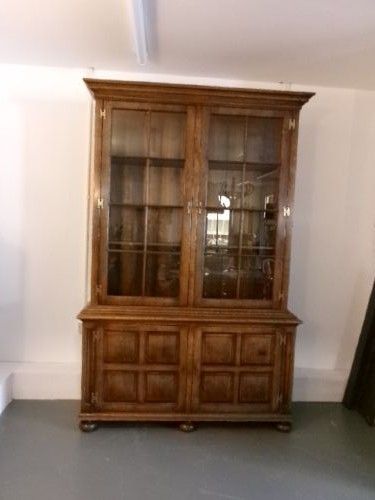
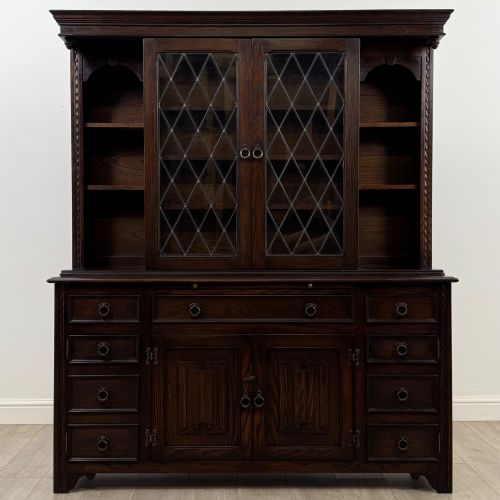
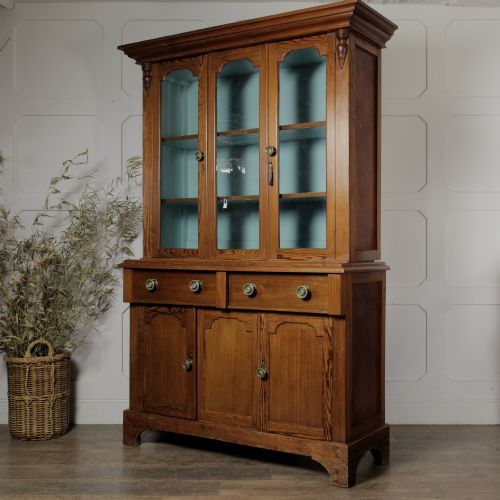
An antique glazed dresser top is a traditional upper shelving and cabinet section designed to sit upon a base, offering display space for china and books.
Antique Glazed Dresser Top
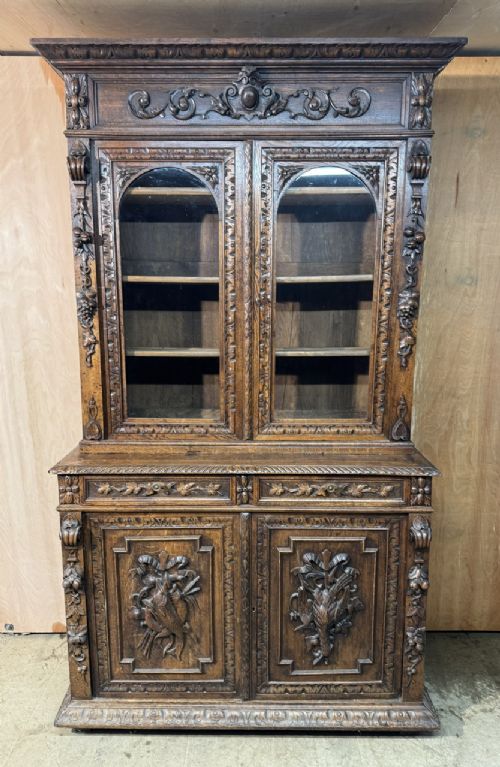
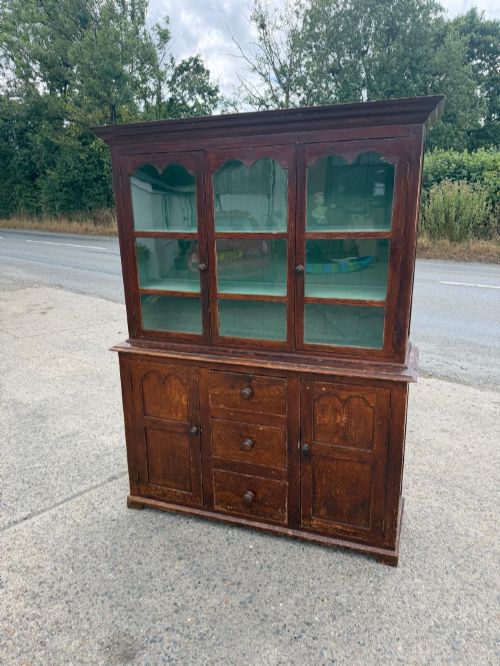
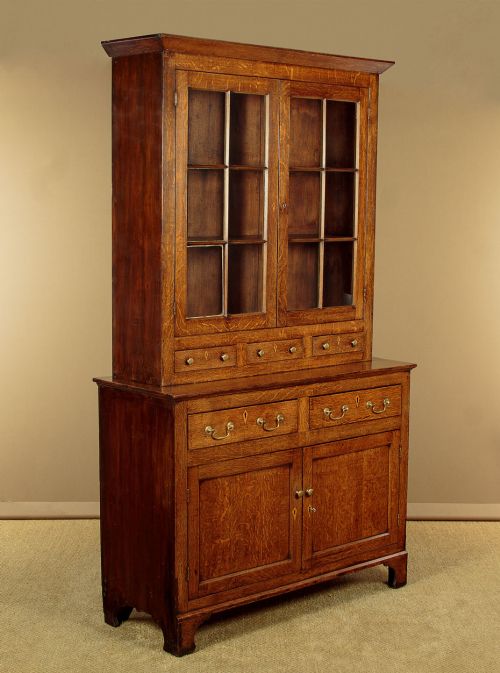
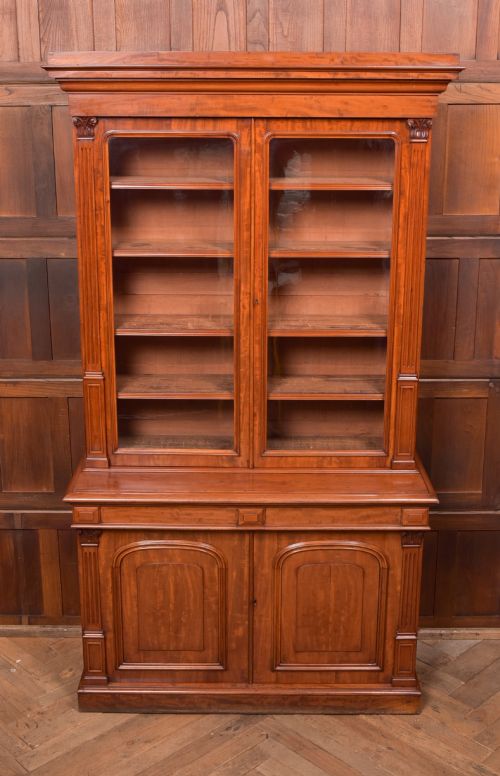
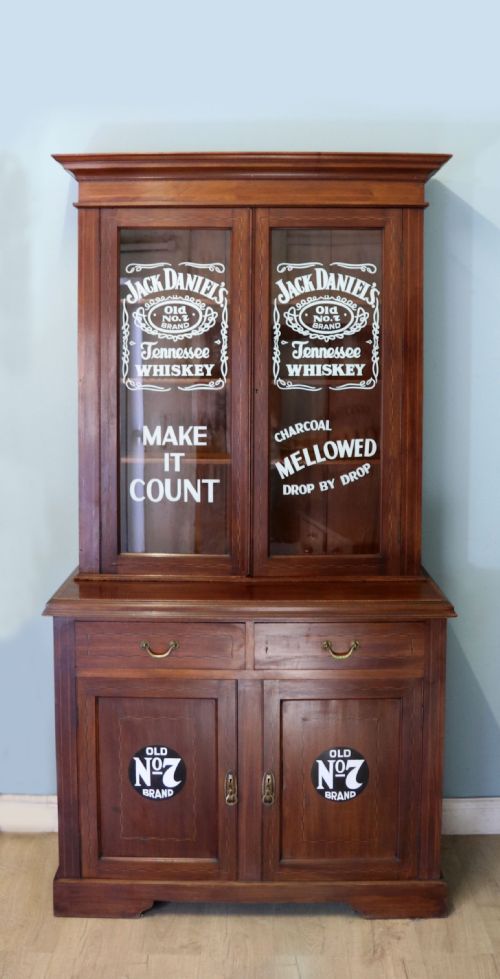
When you search for an antique glazed dresser top, you encounter upper display sections and upper cabinets that were originally paired with lower storage units or buffets. These pieces appear across several periods, most commonly from the 18th century, 19th century, Victorian, and Edwardian eras, reflecting regional workshop traditions.
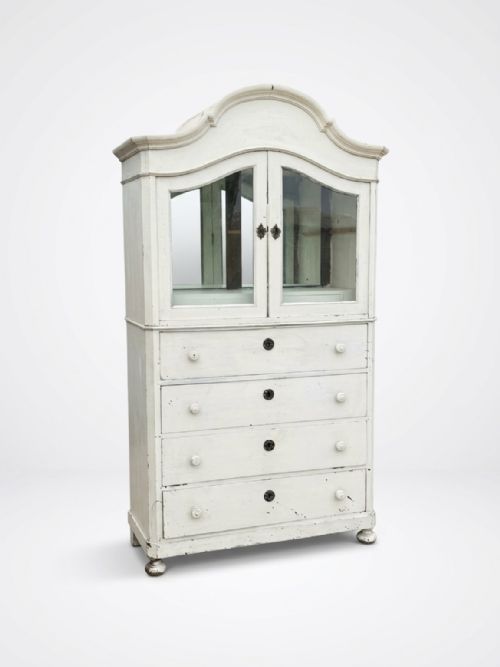
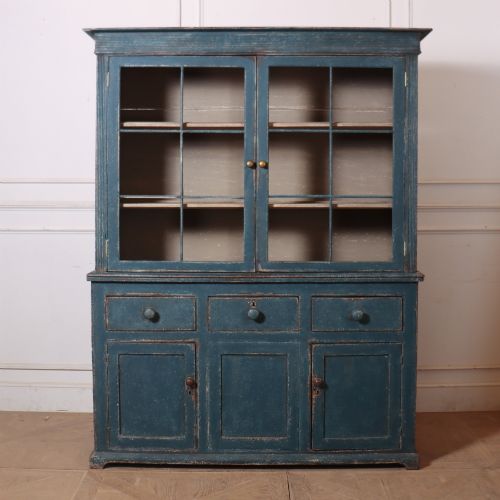
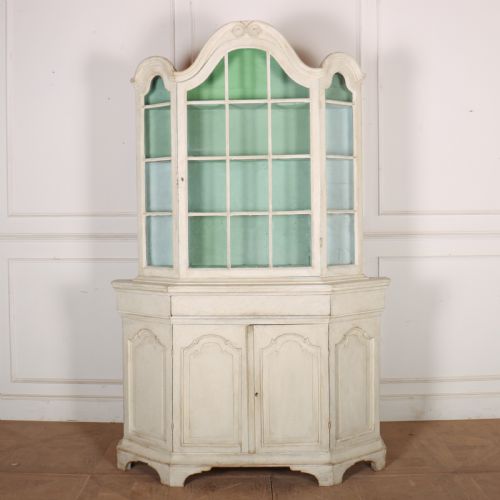
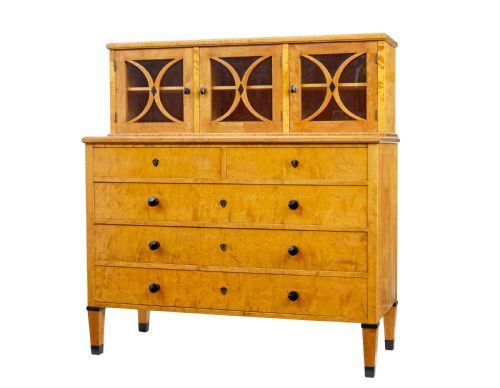
The forms span straightforward pine kitchen cupboards and oak Welsh cwpwrdd gwydr units alongside mahogany, walnut, and birch bookcases and vitrines. Many survivors display regional characteristics such as Swedish bonnet tops or English country proportions.
Buyers select these upper sections to mount upon existing furniture or to hang directly on a wall as standalone display cabinets. They provide visible storage behind glass panes while protecting contents from dust.
How they were made
Joiners and cabinet makers constructed these upper sections primarily using solid timbers like oak, pine, mahogany, and birch, frequently incorporating glass panes within framed doors. Brass and iron hardware, including hinges and key escutcheons, secure the doors and provide structural movement.
Glazing techniques involve lead or wooden glazing bars holding individual glass panes to form multi-pane doors. Surfaces show finishes ranging from wax and polish to painted treatments and stripped pine timbers.
Some glazed tops retain tiny original keyholes that refuse modern keys until you learn the specific sideways lift.
What varies in quality
Quality in these upper sections depends upon the selection of timber and the precision of the joinery in the door frames and cornice mouldings. Finer examples display balanced proportions, original glass, and well-executed carvings or panel work.
The sophistication of the timber preparation, whether finely figured mahogany, selected oak, or clean pine, distinguishes standard utility kitchen pieces from more formal parlour cabinets.
The Antique Glazed Dresser Top Glossary
- Glazed cupboard
- A storage unit featuring glass-fronted doors designed to display contents while keeping them enclosed.
- Bonnet top
- A curved or arched upper hood structure found on certain regional cabinets.
- Vitrine
- A glass-sided or glass-fronted display cabinet used for showing ornaments and collections.
- Cwpwrdd gwydr
- A traditional Welsh term for a glass-fronted cupboard or cabinet.
- Cornice
- The ornamental moulding running around the uppermost edge of a cabinet top.
Antique Glazed Dresser Top: Frequently Asked Questions
Can I place a dresser top on a sideboard?
Many buyers mount these upper glazed sections directly onto suitable lower cabinets, sideboards, or servers, provided the depth and weight distribution align correctly.
Measuring the surface area of your base unit ensures the upper section sits securely without overhang.
How do I hang a dresser top on the wall?
Certain lighter pine and oak upper sections include structural framing suitable for wall mounting when fixed securely into wall studs.
Professional installation is recommended due to the combined weight of solid timber and glass doors.
How do I clean antique glass?
Old glass panes require careful cleaning with mild solutions and soft cloths to avoid disturbing historic putty or wooden glazing bars.
Avoiding aggressive chemical sprays protects the aged surface of the surrounding timber frame.
What is the difference between oak and pine versions?
Oak and mahogany examples typically originate from formal dining rooms or libraries, displaying structured joinery and darker polished finishes.
Pine units generally reflect country kitchen origins, often featuring painted surfaces or simple waxed finishes.