



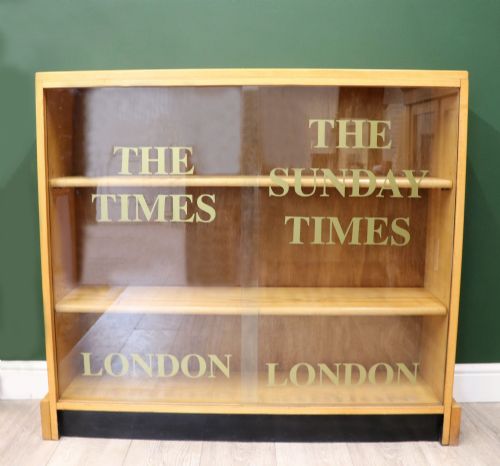
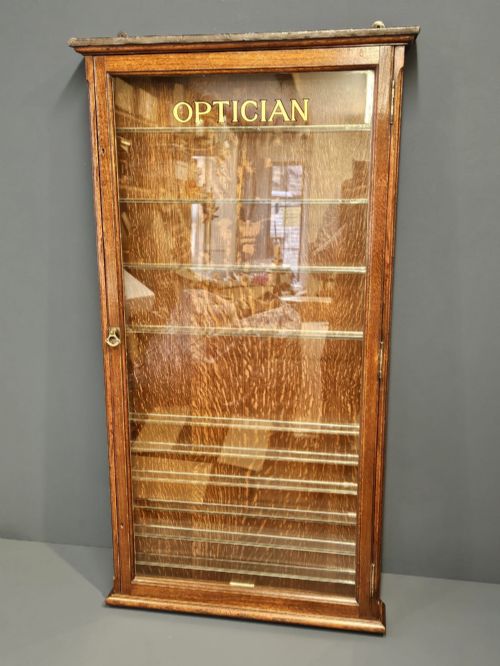





Commercial Glass Display Case
A commercial glass display case brings the authentic character of the traditional shop floor into domestic and retail spaces.
Commercial Glass Display Case
A commercial glass display case serves to exhibit retail goods, household collections or curiosities behind protective glazing. You encounter tall standing cabinets, low serving counters and compact table-top vitrines designed for merchants.
The selections span the Victorian, Edwardian and Art Deco periods alongside early twentieth-century commercial designs. Mahogany and other hardwoods dominate the construction, often housing specialist advertising for confectionery and tobacco.
These fixtures originated in chemist shops, jewellers and sweet shops before finding a second life in modern interiors. Mahogany bow ends and pentagonal counters represent popular forms within the available selection.
Materials and Construction
Makers constructed these commercial glass display cases primarily using solid mahogany, oak, and occasionally aluminium or brass frames to support large expanses of plate glass. Timber carcasses frequently incorporate mirrored interiors to reflect light through the displayed wares.
Joinery techniques focus on structural strength for heavy daily use in retail environments, pairing substantial wooden bases with glazed upper sections. Interior fittings often include velvet or fabric linings to cushion delicate items like jewellery and silverware.
Commercial Glass Display Case Retail Price Guide 2026
Typical asking prices for commercial glass display case among the pieces listed under this phrase on Sellingantiques today, from the lower quarter to the upper quarter. They describe what is for sale here now, not the wider market.
The listings feature commercial glass display cases spanning the Victorian, Edwardian, and Art Deco periods, predominantly constructed from mahogany.
Judging Quality
Quality rests upon the integrity of the timber framing, the clarity and original state of the glass, and the presence of authentic manufacturer signatures or period advertising. Cabinets featuring specialised elements like curved bow ends or original hand-signwritten advertising command particular attention from collectors.
F. Sage & Co·John Stow Ltd of Bradford·Saml. Elliott & Sons·E. Pollard & Co. Ltd.·Quincy Showcase Works
The Commercial Glass Display Case Glossary
- Vitrine
- A glass display cabinet used primarily for showing porcelain, curiosities or retail goods.
- Bow end
- A cabinet or counter featuring a curved glass front and matching timber frame.
- Haberdashery cabinet
- A multi-drawer storage and display unit traditionally used for sewing threads and textiles.
- Shop counter
- A low retail fixture designed for serving customers across a glazed or open top.
- Signwriting
- Hand-painted lettering on glass or timber used for period brand advertising.
Commercial Glass Display Case: Frequently Asked Questions
How were these cases used originally?
Merchants utilised these fixtures on shop counters and floors to showcase confectioneries, tobacco, jewellery and pharmacy goods securely to the public.
Retailers relied on the glazed panels and mirrored backs to attract customer attention while keeping valuable stock protected from dust and handling.
How do I date a display case?
Dating relies on architectural styles, construction materials, and characteristic hardware associated with Victorian, Edwardian, and 1930s design.
Original painted brand advertising or maker plaques stamped into the timber provide precise clues regarding the decade of manufacture.
Can I use these cases at home?
These cabinets suit modern domestic interiors for displaying collections of books, ceramics, glassware and personal curiosities.
Their robust construction makes them practical for everyday use while adding distinct historical character to living spaces and dining rooms.
What is an advertising display case?
These are specialised retail cabinets featuring hand-signwritten lettering or applied branding for period confectioners and gunsmiths.
Manufacturers produced them for specific brands like Fry's chocolate or Cadbury's to promote products directly on shop counters.