
Colonial Indian Table
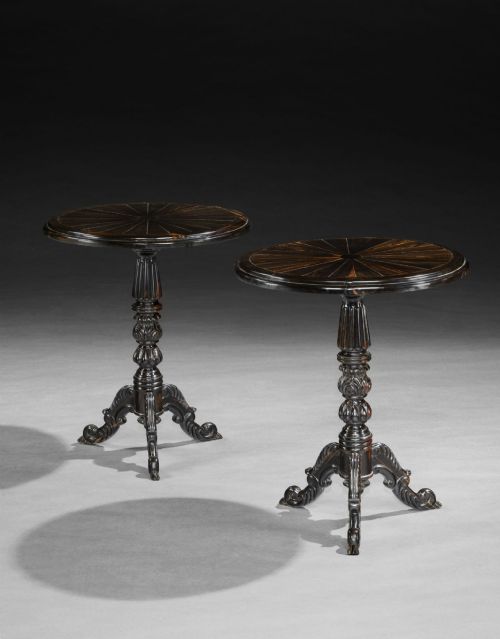
These pieces form the colonial indian table tradition, bringing intricate hand-carved hardwoods and inlaid brass into domestic spaces.

Colonial Indian Table
A colonial indian table encompasses a diverse range of occasional furniture, side tables, and larger centre pieces produced during the nineteenth and early twentieth centuries. These forms reflect the cultural synthesis of British domestic requirements and skilled regional craftsmanship across the subcontinent and neighbouring regions.
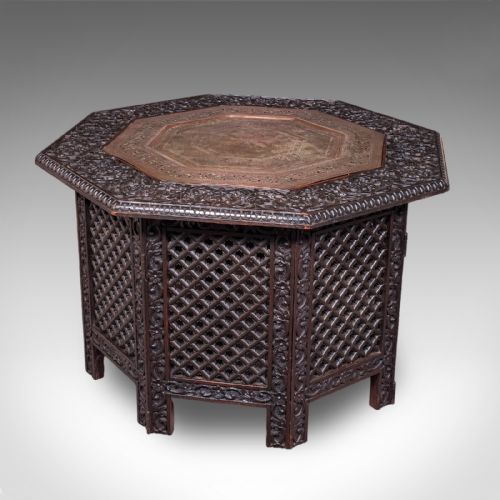
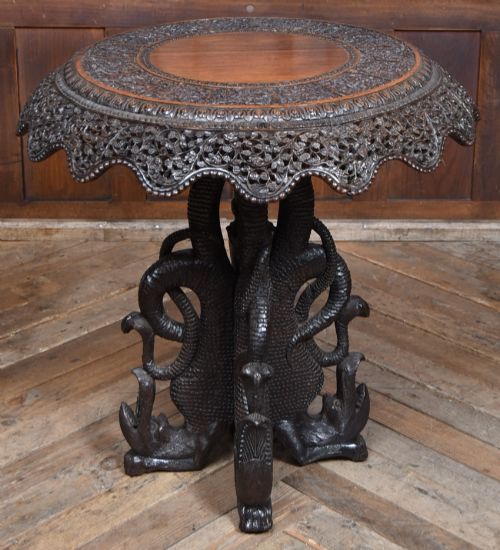
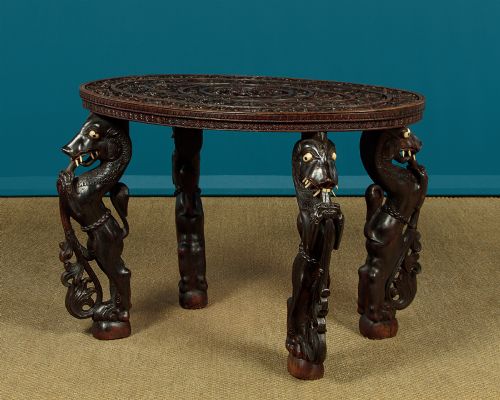
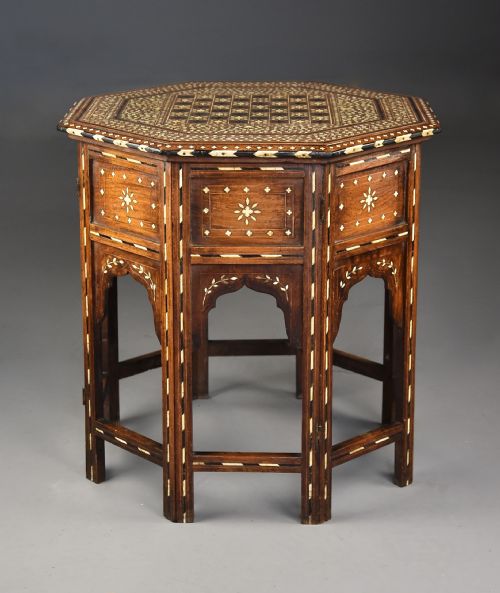
The selection here frequently includes octagonal occasional tables, folding campaign tables, and heavy padauk or teak side tables. Pieces span styles from Anglo-Indian and Anglo-Burmese to Ceylonese productions, appearing across Victorian and later periods.
How they were made
Construction relies heavily on dense timbers such as teak, rosewood, ebony, and padauk, selected for their stability and capacity for intricate carving. Workshops utilised traditional joinery alongside folding mechanisms designed for transport and campaign use.
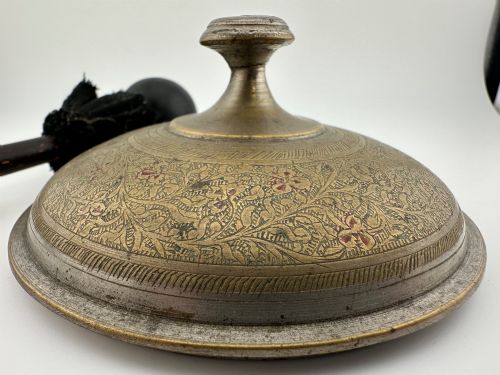
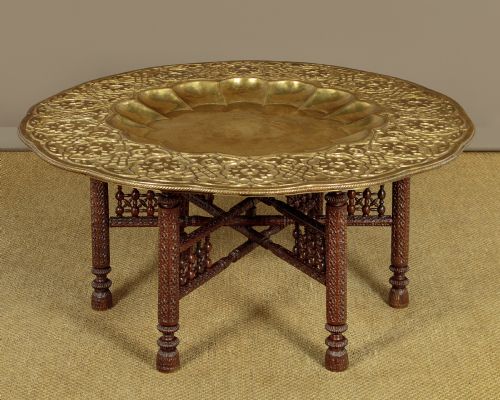
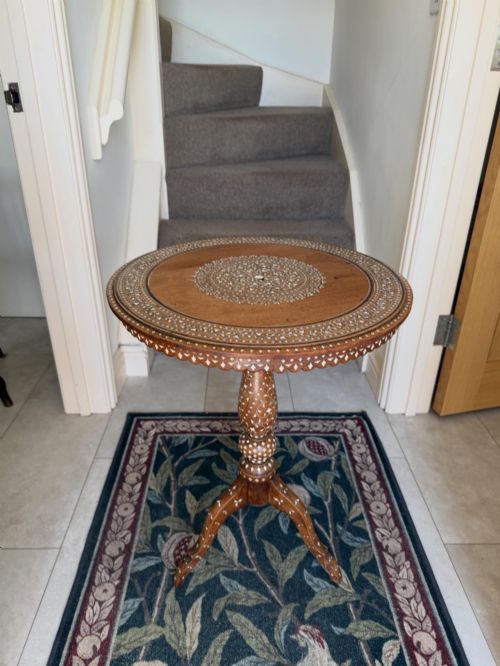
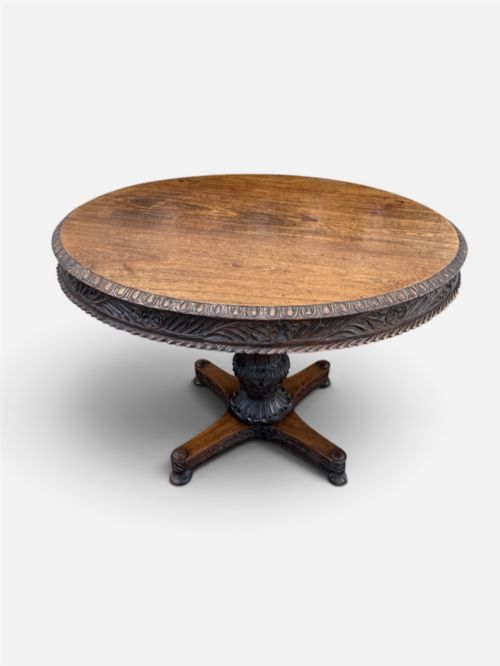
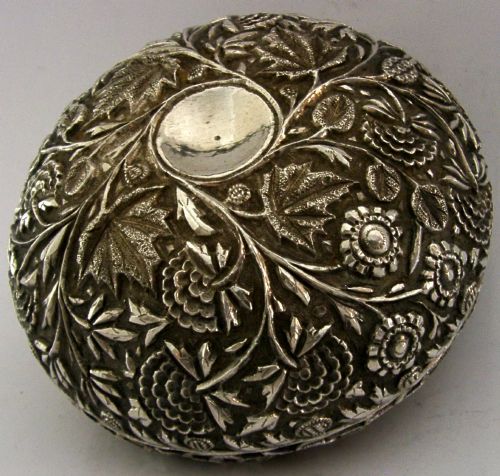
Surface ornamentation integrates detailed wood carving with contrasting materials like bone inlay, mother of pearl, and beaten brass work. Geometric patterns and botanical motifs are hand-applied directly into the hardwood structures.
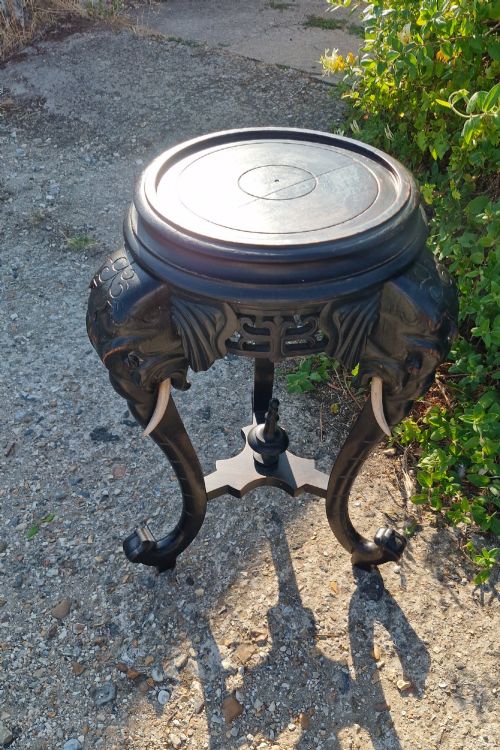
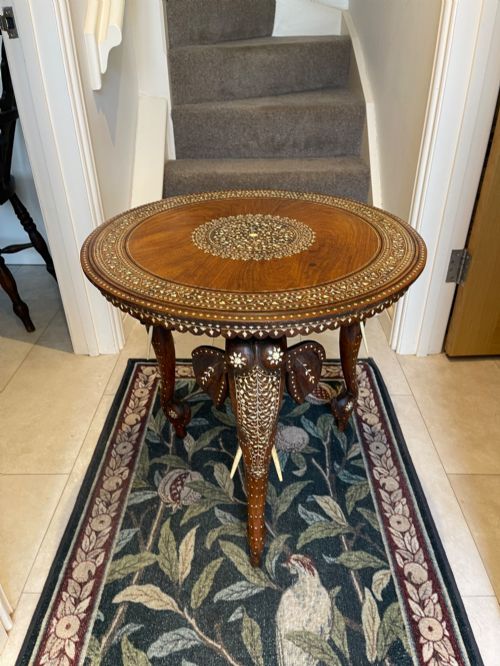
One late Victorian piece includes painted wooden tusks on a carved elephant table.
What varies in quality
The distinction between ordinary and superior examples lies in the depth and precision of the hand-carved relief work and the integrity of the timber. Finer iterations display crisp botanical detailing and tightly fitted inlay work that remains flush with the surrounding wood.
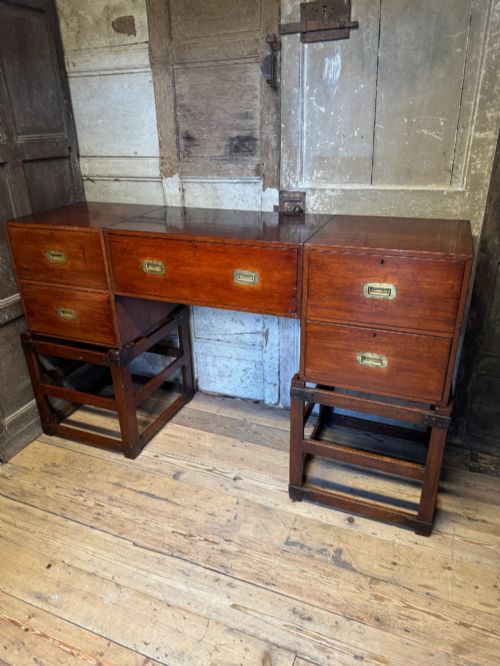
Structural robustness also marks the upper tier, particularly in folding campaign designs where hinges, pins, and folding mechanisms operate smoothly without excessive looseness or timber shrinkage.
The Colonial Indian Table Glossary
- Anglo-Indian
- A descriptive term for furniture made in India during the British period, combining European furniture forms with local decorative techniques.
- Padauk
- A heavy, durable tropical hardwood with a reddish-brown hue, frequently utilised in nineteenth-century carved tables and desks.
- Teak
- A resilient, oil-rich tropical timber valued for its resistance to warping and used extensively in colonial campaign and occasional furniture.
- Campaign table
- A portable piece of furniture designed to fold or dismantle easily for military travel and field use.
- Hoshiarpur
- A northern Indian centre renowned for intricate wood carving and inlay work utilising bone and brass on dark hardwoods.
Colonial Indian Table: Frequently Asked Questions
How do I care for a colonial indian table?
Maintain these timber surfaces by dusting gently with a dry cloth and avoiding direct sunlight or excessive heat sources. Apply a suitable microcrystalline wax sparingly to preserve the polished finish of the hardwood.
Keep inlay work clean using a soft brush to prevent dust accumulation in recessed grooves. Avoid liquid polishes that might seep beneath bone or brass elements.
Were these tables made for export?
Many examples were produced specifically to satisfy British and European demand for exotic furnishings during the Victorian era. Workshops adapted traditional local forms into occasional tables, tea tables, and desks suitable for Western drawing rooms.
Other items originated as functional pieces for colonial administrators and military officers stationed abroad. These campaign designs prioritised portability alongside decorative carving.
What distinguishes Hoshiarpur tables?
Hoshiarpur pieces feature dense, all-over geometric or floral inlay work executed in bone or brass set into a dark hardwood base. The entire surface is densely patterned, often incorporating folding octagonal structures.
This distinct regional style emerged strongly in the late nineteenth century. The meticulous detail creates a rich mosaic effect across the table top and folding sides.