
Colonial Indian Side Table
A colonial indian side table brings dense tropical timber and intricate regional carving into a room, offering both surface utility and dense historical character.

Colonial Indian Side Table
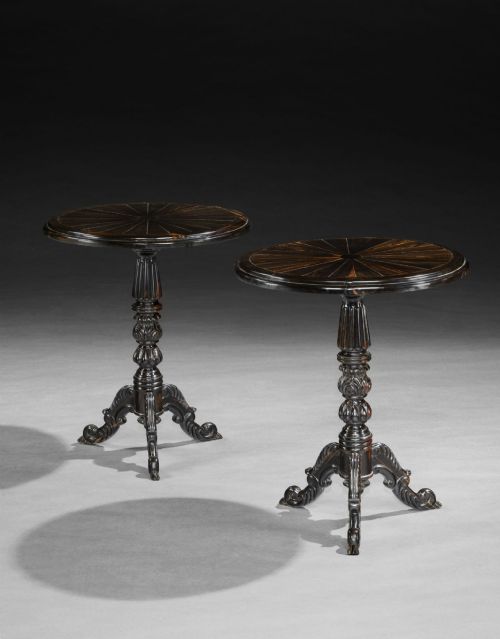
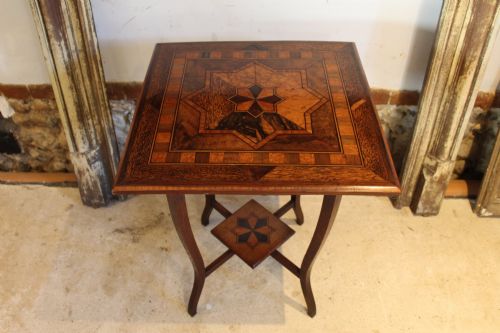
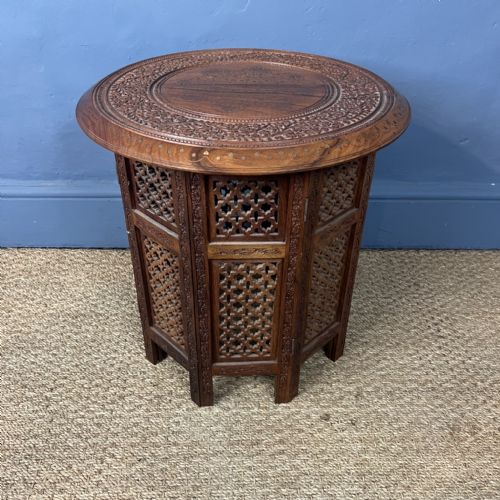
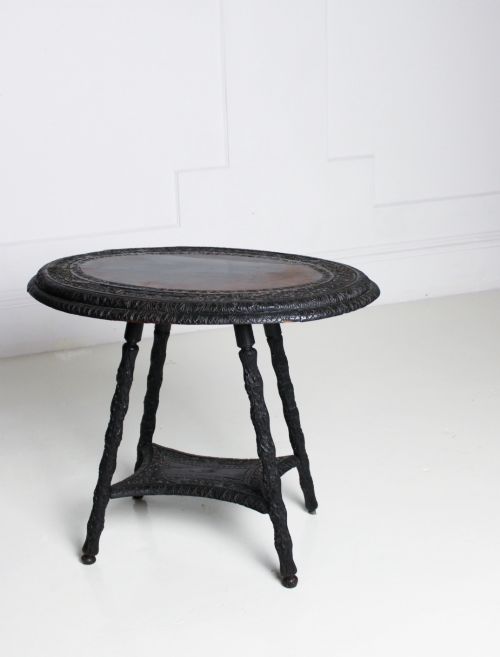
A colonial indian side table encompasses occasional, coffee, and console forms produced during the nineteenth and early twentieth centuries under British influence. The selection here leans heavily towards Anglo-Indian and Burmese pieces, alongside specific regional types from Hoshiarpur and the Bombay presidency.
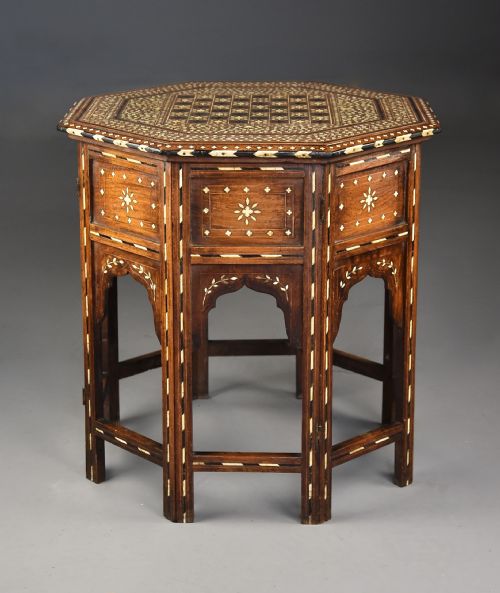
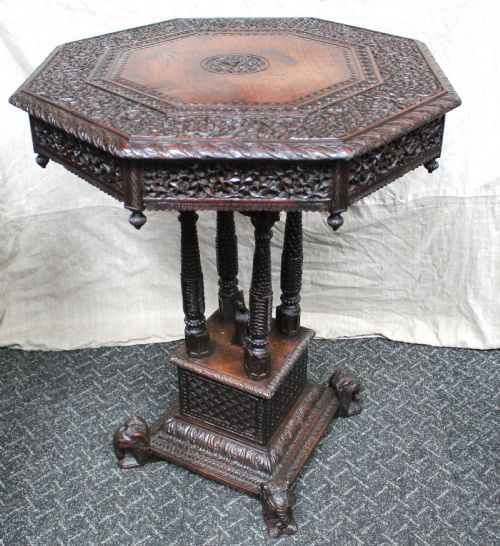
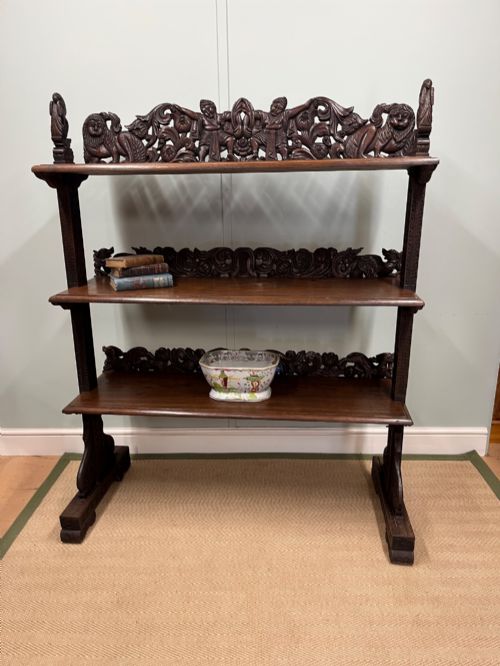
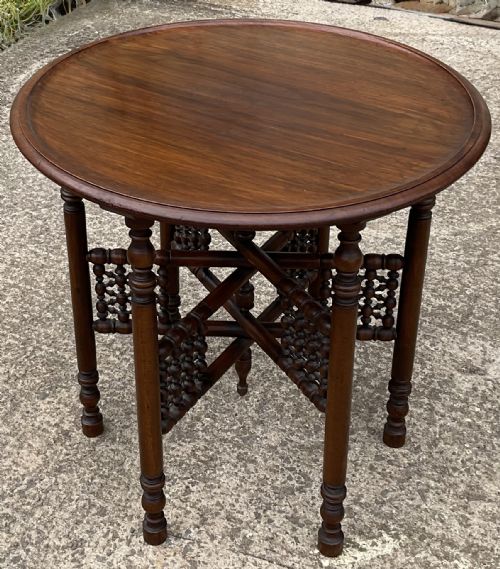
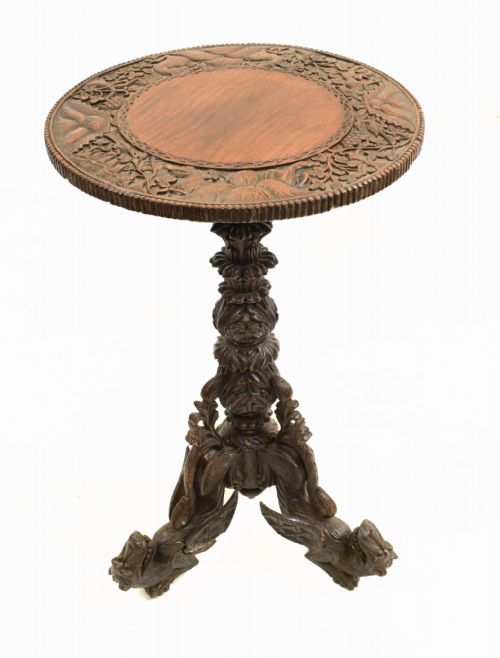
Buyers encounter diverse silhouettes, from octagonal occasional tables and tripod stands to larger console tables and tiered buffets. Construction dates stretch from the mid-nineteenth century through to the nineteen-thirties, reflecting both Victorian taste and later colonial production.
Materials and construction
Workshops relied on dense tropical timbers including teak, rosewood, padouk, ebony, and general hardwoods that could withstand intricate carving without splintering. These substantial woods formed stable frames for intricate surface work.
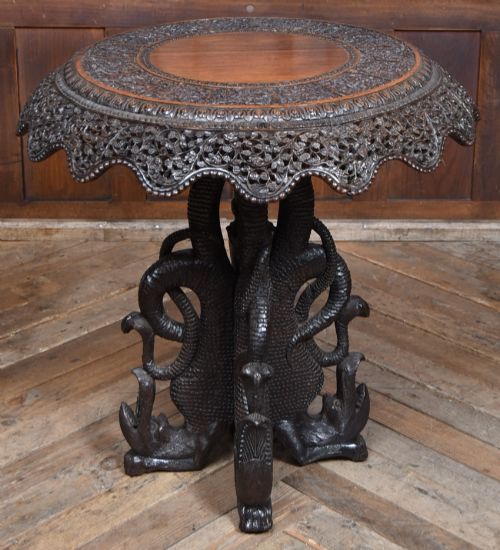
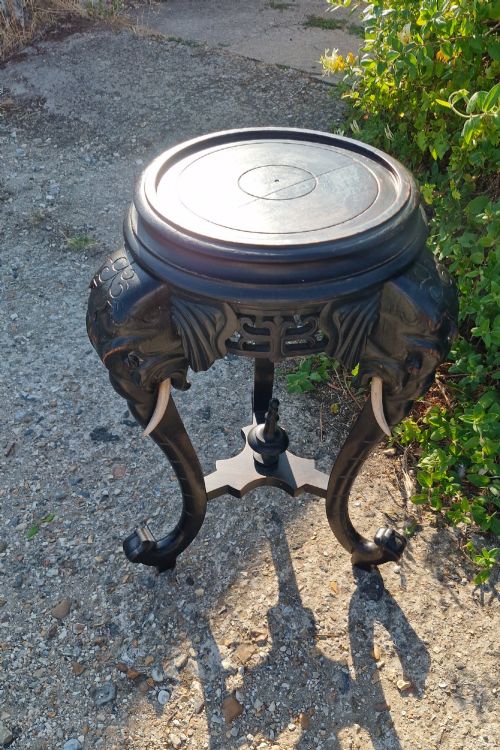
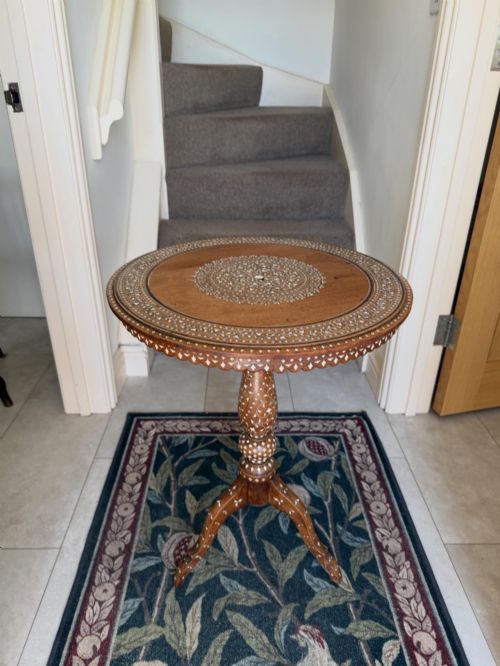
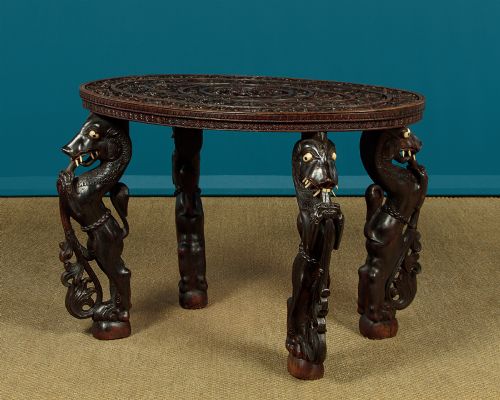
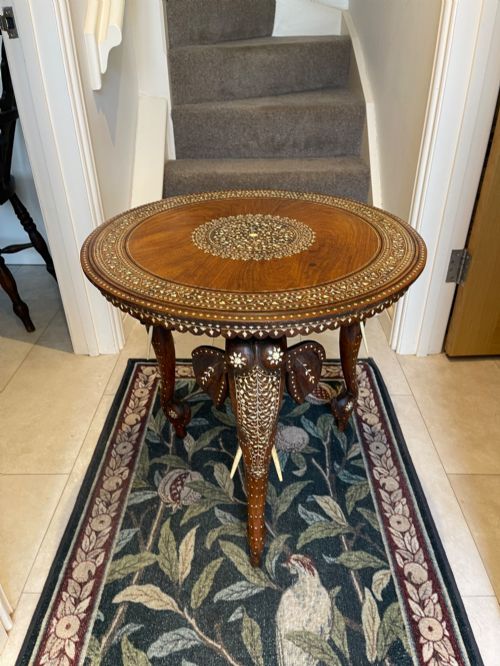
Artisans embellished surfaces using several distinct decorative traditions, integrating bone inlay, brass wire, mother-of-pearl, and specimen wood marquetry. Carved motifs range from geometric foliage to figural elements such as elephants and dragons.
Colonial Indian Side Table Retail Price Guide 2026
Typical asking prices for colonial indian side table among the pieces listed under this phrase on Sellingantiques today, from the lower quarter to the upper quarter. They describe what is for sale here now, not the wider market.
Periods represented span from Victorian and Anglo-Burmese colonial eras into the nineteen-thirties.
Judging execution and finish
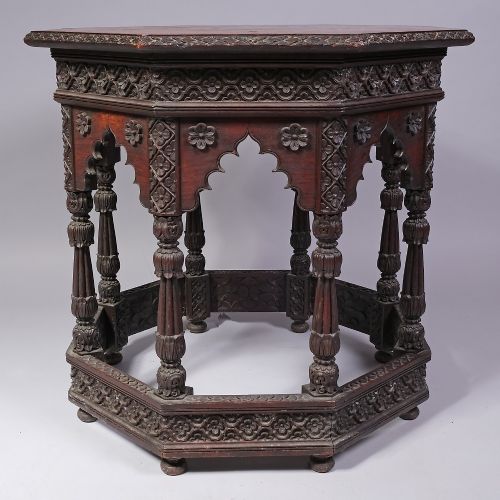
Quality rests in the crispness and depth of the timber carving, where superior examples exhibit sharp undercutting and precise relief work rather than soft, shallow incisions. The crispness of inlaid bone and brass wire, sitting flush with the surrounding wood, distinguishes finer workshops.
The choice of primary timber also dictates the tier of the piece, with dense rosewood, padouk, and ebony achieving a sharper finish than simpler domestic hardwoods. Structural integrity in joints and turnings completes the distinction between standard production and master craftsmanship.
The Colonial Indian Side Table Glossary
- Anglo-Indian
- Furniture made in India during the British colonial period, combining British forms with traditional Indian craftsmanship and motifs.
- Hoshiarpur
- A region in Punjab renowned for intricate wooden tables decorated with dense geometric bone or brass inlay.
- Padouk
- A heavy, durable tropical hardwood with a reddish hue frequently utilised in colonial cabinet making.
- Teapoy
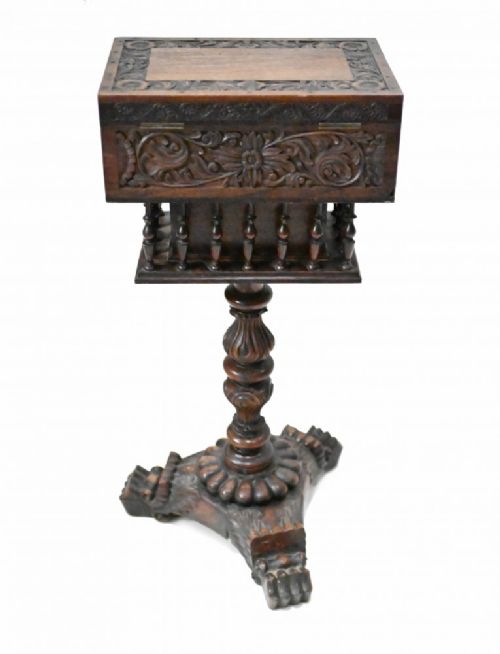
- A small occasional table, originally designed for serving tea or holding tea caddies in colonial households.
- Tilt-top
- A table mechanism allowing the surface to pivot to a vertical position when not in use.
Colonial Indian Side Table: Frequently Asked Questions
What rooms suit a colonial indian side table?
These tables adapt easily to sitting rooms, studies, or hallways where a compact surface is required beside seating or beneath a mirror.
Their rich timber tones and carved details allow them to function as focal points or complement existing antique furnishings.
How do I care for inlaid wood surfaces?
Dust regularly with a soft cloth and avoid placing wooden items in direct sunlight or near sudden heat sources that might dry the timber.
Occasional application of appropriate wax maintains the lustre of dense hardwoods like teak and rosewood without harming delicate bone or brass inlays.
How do I identify Hoshiarpur work?
Hoshiarpur pieces are distinguished by an overall pattern of minute geometric inlays using bone or brass set into dark wood.
The entire surface is typically covered, leaving virtually no bare timber visible between the intricate designs.