
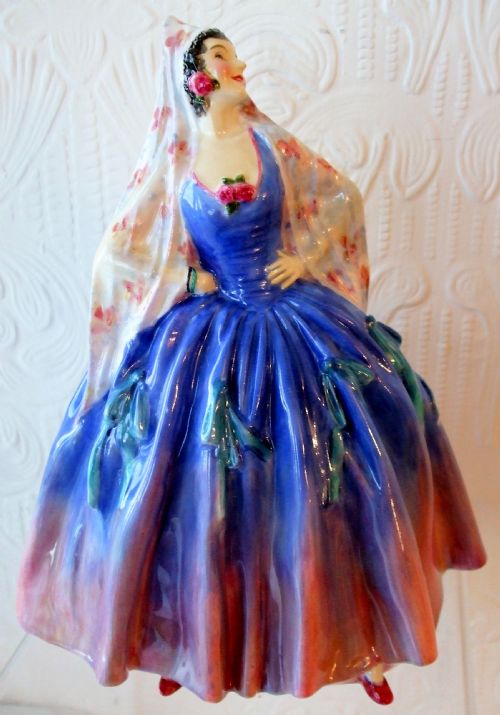


Collectable Porcelain Statuette
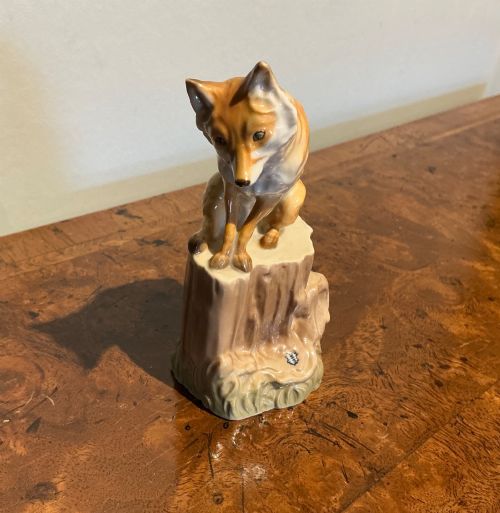
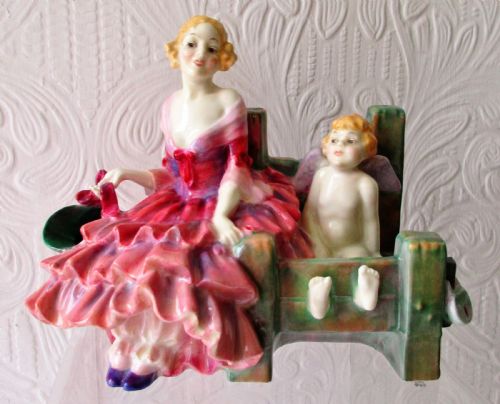
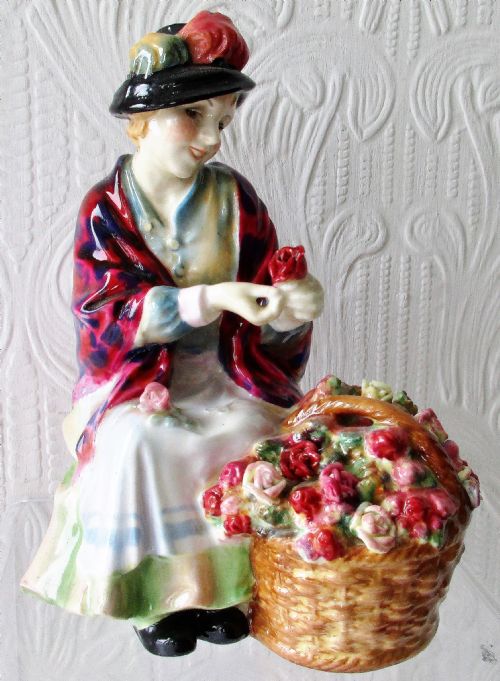
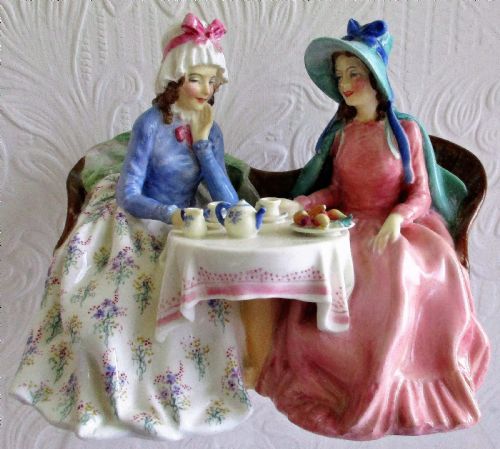
A collectable porcelain statuette brings sculptural form to domestic interiors, offering detailed human and animal subjects shaped from fired clay.
Collectable Porcelain Statuette
When you search for a collectable porcelain statuette, you encounter three-dimensional figures spanning from the eighteenth century to the mid-twentieth century. The selection ranges from early English and European factory pieces to twentieth-century character studies and decorative groups.
You are most likely to meet mid-twentieth-century English earthenware and porcelain figures alongside nineteenth-century works and eighteenth-century factory outputs. These objects represent human characters, tradespeople, allegorical themes and animals modelled in various sizes.
Materials and construction methods
Details often incorporate gold leaf highlights and precise brushwork applied over the glaze. Kiln firing fixed the pigments and vitrified the ceramic body to achieve a hard finish.
Listings feature porcelain, bone china, and soft-paste porcelain across periods from the eighteenth century to the mid-twentieth century.
Quality differences across the range
The standard of a piece depends on the crispness of the modelling and the precision of the hand-painting on the surface. Finer examples display subtle shading on flesh tones and sharply defined facial expressions without blurring in the enamel.
Early factory output demonstrates greater sensitivity in sculpted drapery and delicate extremities such as fingers and foliage. Later production runs show more standardised moulding and simpler decorative schemes.
Nymphenburg·Royal Doulton·Longton Hall·Meissen·Royal Worcester·Royal Copenhagen·Derby·Shelley·Wedgwood·Ernst Bohne and Sohne·Samson·Achille Mollica
The Collectable Porcelain Statuette Glossary
- Soft-paste porcelain
- An artificial porcelain composition fired at lower temperatures than hard-paste, common in eighteenth-century English factories.
- Bone china
- A type of porcelain containing bone ash, developed to provide a whiter and stronger ceramic body.
- Enamel
- Opaque or translucent glass-like material fused to the surface of the porcelain during decoration.
- Glaze
- A glassy layer melted onto the ceramic body to give a smooth, waterproof finish.
- Figurine
- A small carved or moulded statuette representing a human or animal subject.
Collectable Porcelain Statuette: Frequently Asked Questions
How do I identify eighteenth-century figures?
Eighteenth-century examples often display soft-paste porcelain bodies with hand-modelled details and characteristic potting flaws. Examining the underside reveals unglazed foot rims and early factory characteristics.
Decoration on these early pieces relies on enamel palettes typical of the period, such as iron red, turquoise and manganese purple.
What is the difference between bone china and porcelain?
Bone china incorporates animal bone ash into the clay mixture, resulting in a warmer, translucent body that was widely adopted by English potteries. Standard porcelain relies on kaolin and petuntse for a whiter, harder finish.
Both materials accept painted enamels and glazes, though their firing temperatures and historical origins differ significantly.
How should I clean these statuettes?
Dust figures gently with a soft, dry brush to remove particles without disturbing delicate painted details. Avoid immersing pieces with vulnerable enamel colours or gold leaf in water.
Harsh detergents and scrubbing brushes damage the glaze and remove the hand-painted highlights applied over the surface.
Where were these figures displayed historically?
Owners placed these decorative statuettes on mantelpieces, side tables and enclosed cabinets within domestic interiors. They served as conversation pieces and ornamental accents in period reception rooms.
Collectors grouped smaller figures together on tiered brackets or dedicated display shelves to showcase different factory styles.