


Collectable China Figure
A collectable china figure brings domestic history to life through glazed porcelain forms modelled across the nineteenth and twentieth centuries.
Collectable China Figure
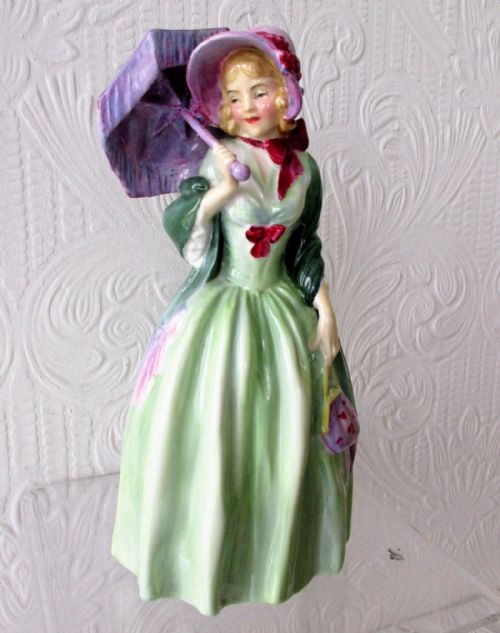
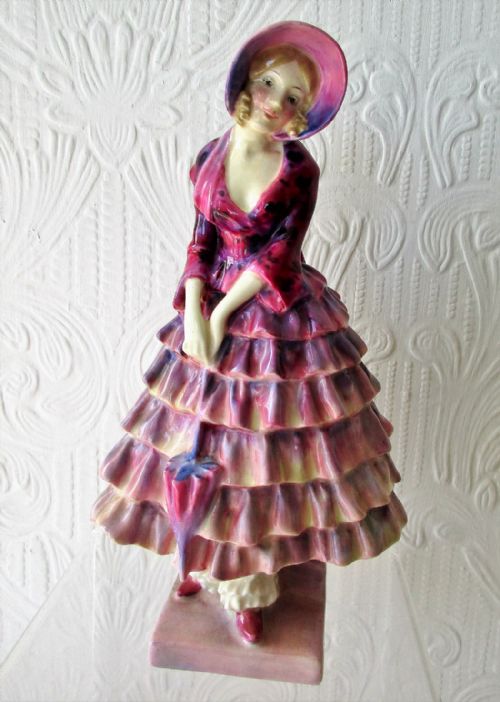
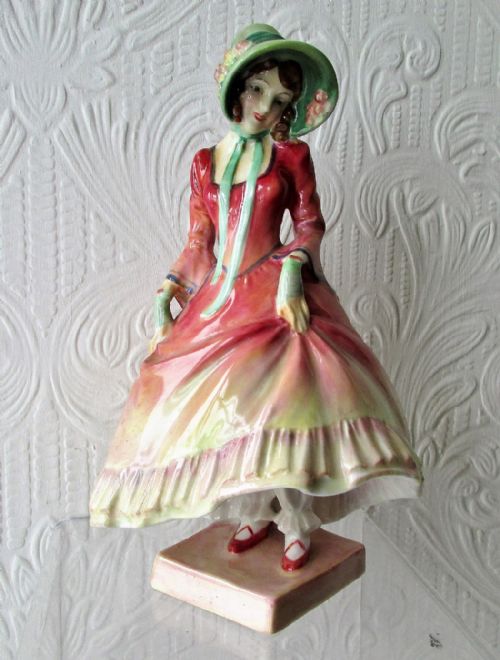
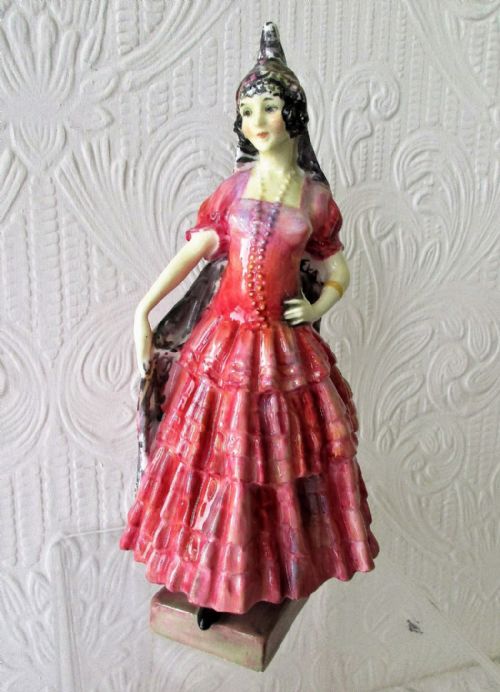
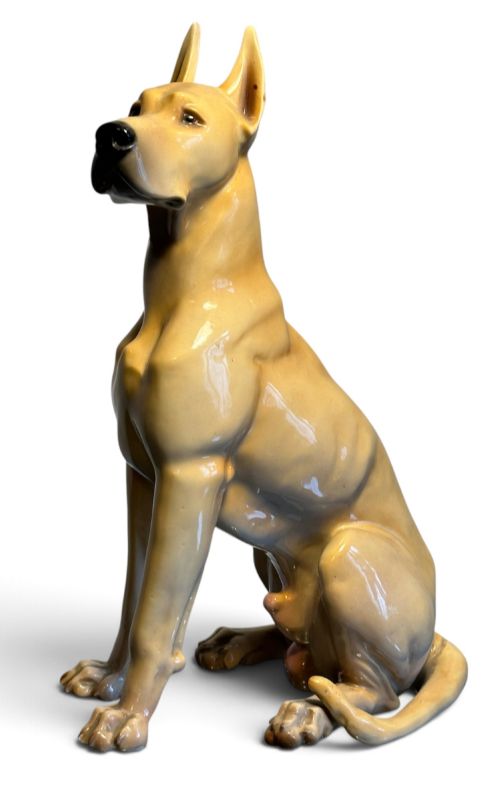
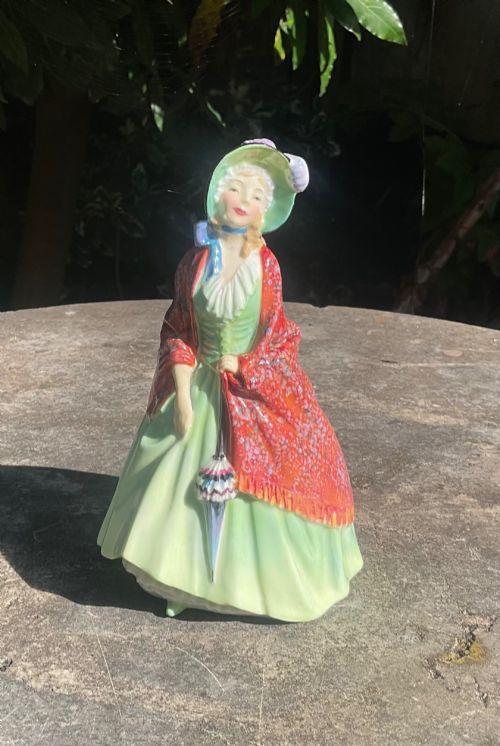
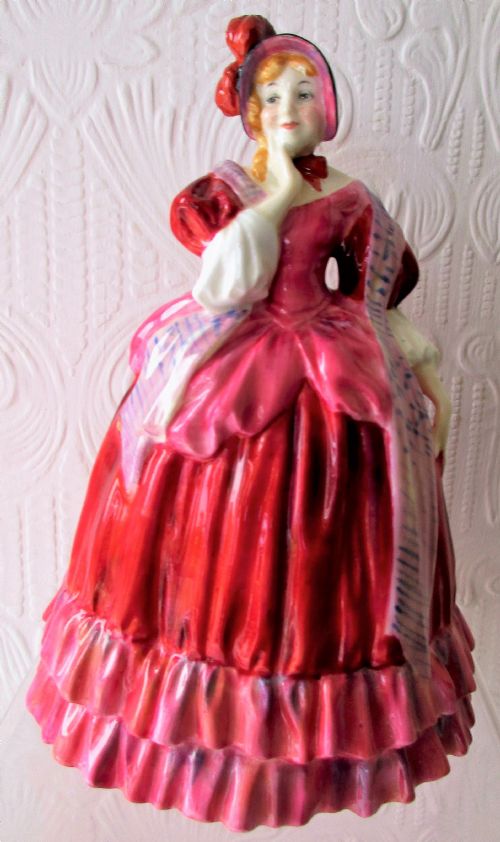
A collectable china figure encompasses glazed porcelain and bone china portrayals of human subjects, animals, and narrative characters produced across various decades. Buyers searching this phrase meet domestic figurines from the nineteenth century, Edwardian era, and mid-century decades, predominantly represented by English porcelain.
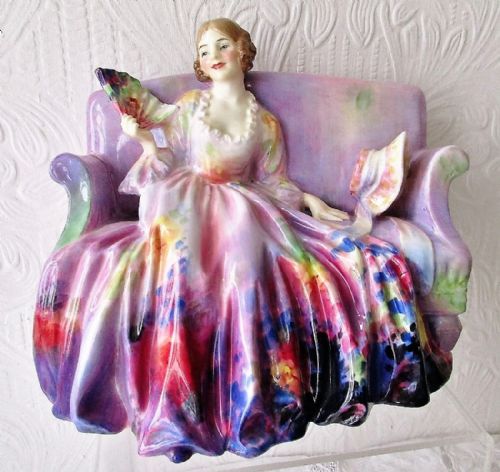
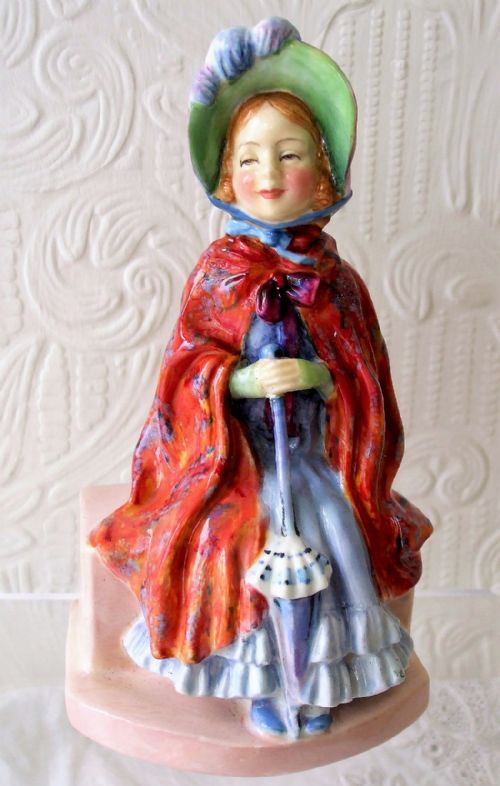
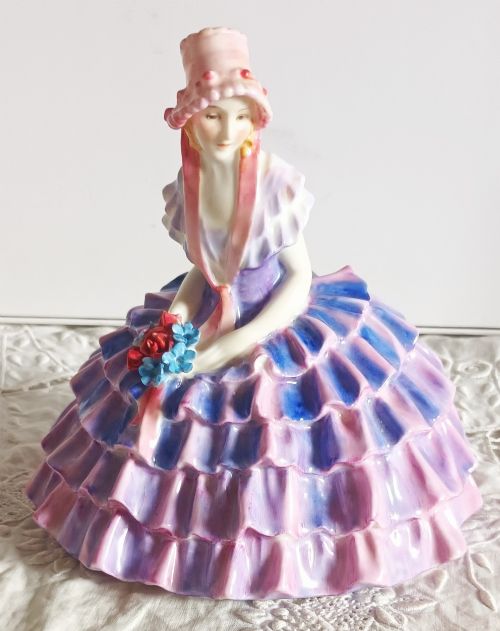
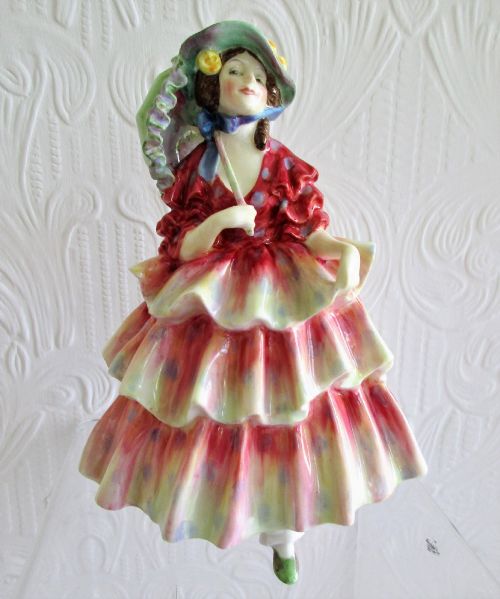
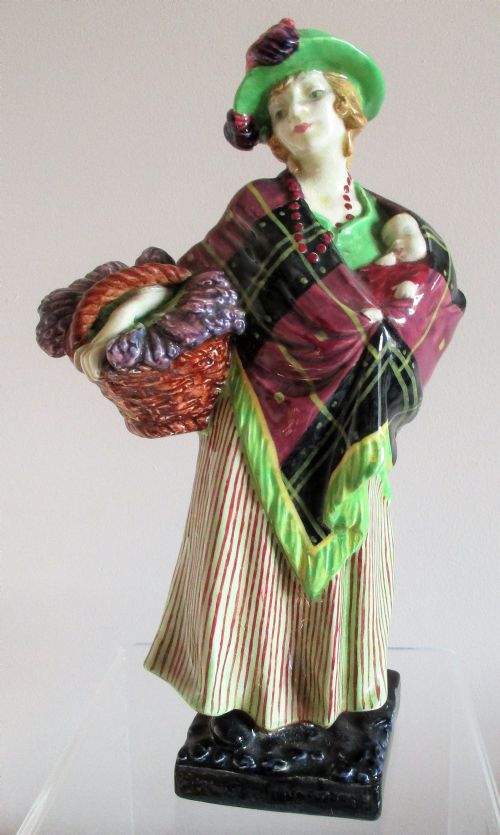
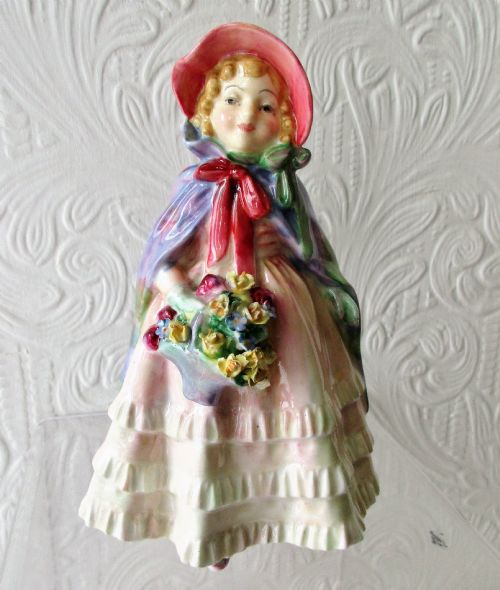
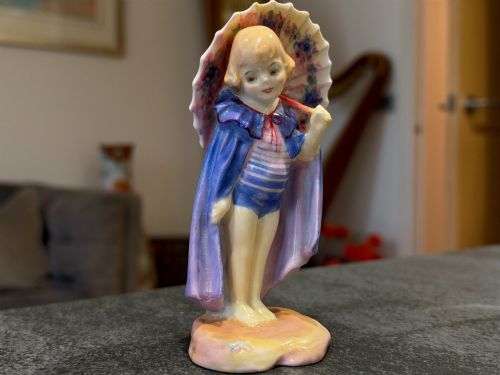
The selections span distinct thematic types including female characters in historical dress, literary subjects, and children, alongside animal studies and functional candle snuffers. Most examples originate from established British potteries active in the nineteen-thirties and forties, reflecting prevailing decorative styles of their period.
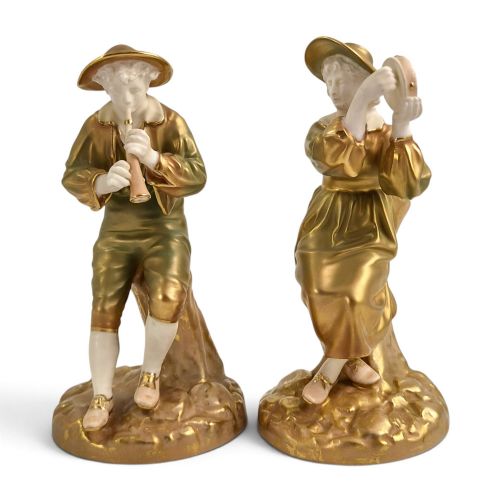
Makers such as Royal Doulton and Royal Worcester dominate the material record, translating illustrative designs into three-dimensional ceramic forms. These pieces serve as tangible records of historical taste, capturing shifts from Victorian and Edwardian formality into Art Deco and mid-century aesthetics.
Materials and Techniques
Makers utilised bone china and porcelain as the primary substrate for modelling figurines, firing the ceramic body to achieve a durable core. Enamel paints and ceramic glaze were applied to the surface to impart colour and a protective sheen, often supplemented by gold leaf detailing.
The manufacturing process required precise slip casting or moulding followed by hand-finishing and multiple kiln firings to set the pigments and glazes. Artists then painted finer facial expressions and costume details by hand before the final glaze firing.
Collectable China Figure Retail Price Guide 2026
Typical asking prices for collectable china figure among the pieces listed under this phrase on Sellingantiques today, from the lower quarter to the upper quarter. They describe what is for sale here now, not the wider market.
Ceramic foxes and bonneted ladies moonlight as practical guardians of the flame, doubling as functional candle snuffers on nineteenth-century hearths.
Material and Artistic Merit
The complexity of the subject and the application of special colourways or early production markings distinguish standard production pieces from notable outputs. Consistency in the ceramic glaze and preservation of delicate porcelain appendages govern the standing of individual figures.
Royal Doulton·Royal Worcester·Nymphenburg·Shelley·Wedgwood and Co
The Collectable China Figure Glossary
- Bone China
- A type of porcelain incorporating animal bone ash, yielding a durable and slightly translucent ceramic body. It provides a smooth white ground suitable for detailed overglaze enamel painting.
- Porcelain
- A ceramic material made by heating raw components to high temperatures, resulting in a vitrified, non-porous body. Figures modelled in this medium demonstrate sharp detail and resonant strength.
- Glaze
- A vitreous layer fused to the ceramic surface through firing, sealing the porous biscuit body beneath. This coating imparts a glossy finish and protects the underlying enamel pigments.
- Candle Snuffer
- A small ceramic figure fitted with a cone or bell beneath, designed to extinguish candle flames safely. These functional pieces often take the form of animals or literary characters.
Collectable China Figure: Frequently Asked Questions
What periods do these figures date from?
The available pieces span the nineteenth century through the Edwardian period and into the nineteen-twenties, thirties, forties, and fifties. Mid-century and interwar productions form the largest share of the current record.
Earlier nineteenth-century examples appear alongside Edwardian items and mid-century English porcelain. Each era introduces distinct modelling styles that reflect contemporary artistic movements.
How were these ceramic figures used?
Figures served primarily as decorative ornaments for domestic interiors, displayed on mantelpieces, sideboards, and glass cabinets. Certain specialised forms, such as candle snuffers, combined ornamental modelling with practical household tasks.
Households collected them to mark literary interests, favourite stories, or fashionable aesthetic trends. Their placement in living spaces reflected personal taste and middle-class domestic display habits.
How do I identify different makers?
Makers marked their porcelain using stamped base signatures, painted model numbers, and specific name titles inscribed on the underside. Royal Doulton pieces frequently display numerical codes alongside pattern names.
Consulting factory marks and registered design numbers helps establish the manufacturer and production era. Differences in clay composition and painting technique further assist in separating various potteries.
How should I care for porcelain figures?
Display porcelain figures away from direct sunlight and areas subject to sudden temperature shifts to protect the glaze and enamel paints. Dust them gently using a soft, dry brush without applying liquid cleaners.
Avoid abrasive materials that might scratch the ceramic glaze or damage delicate hand-painted details. Secure placement on stable surfaces prevents accidental knocks to protruding limbs or delicate accessories.